American educational institutions—spanning elite Ivy League universities, state-funded higher education systems, and local K-12 school districts—are navigating an era of unprecedented cultural, legal, and systemic volatility. Once viewed primarily as centers for academic instruction, modern educational spaces have increasingly become battlegrounds for broader societal conflicts.
From federal lawsuits over religious freedom and administrative crackdowns on ideological speech to multi-million-dollar financial scams and serious criminal indictments involving faculty, the challenges facing administrators, educators, and students are complex and multi-faceted. This comprehensive report details the key controversies currently reshaping the American educational landscape, analyzing their origins, timelines, legal backings, official responses, and long-term societal implications.
Main Facts
The current crises across U.S. campuses and school districts are characterized by several distinct but culturally interconnected flashpoints:
The Harvard "Free Luigi" Controversy: An artist-in-residence at Harvard Medical School sparked widespread outrage after publicly calling to "Free Luigi" Mangione during an academic panel focused on "fat liberation." Mangione is the prime suspect in the high-profile murder of UnitedHealthcare (UHC) CEO Brian Thompson, a case that has polarized public discourse regarding the American healthcare system.
Religious Discrimination Lawsuit at Virginia State University (VSU): Two Christian student organizations have filed a federal lawsuit against VSU. The plaintiffs allege that the university stripped them of their official campus status and placed them under the direct oversight of a university-appointed minister, while simultaneously exempting Muslim student organizations from similar administrative mandates.
Oregon Christian Curriculum Dispute: A Marine veteran turned homeschooling mother has initiated legal action against an Oregon school district. The lawsuit challenges the district’s decision to deny financial reimbursement for a Christian-based curriculum, raising critical questions about the intersection of public educational funding and religious freedom.
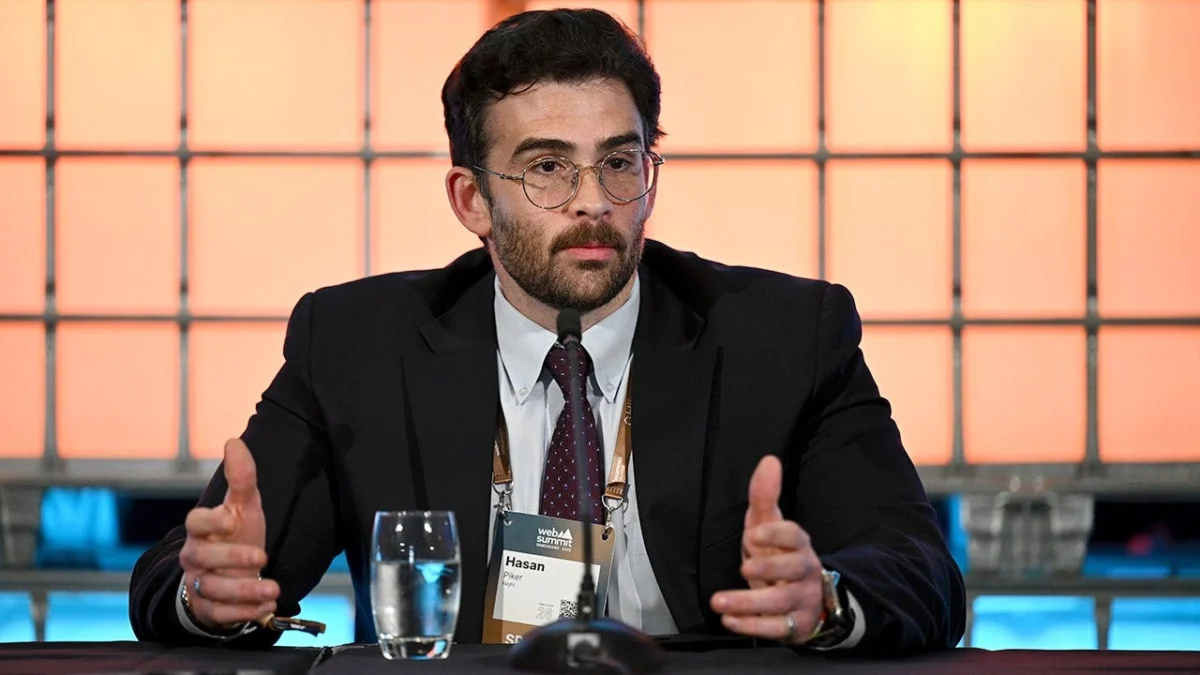
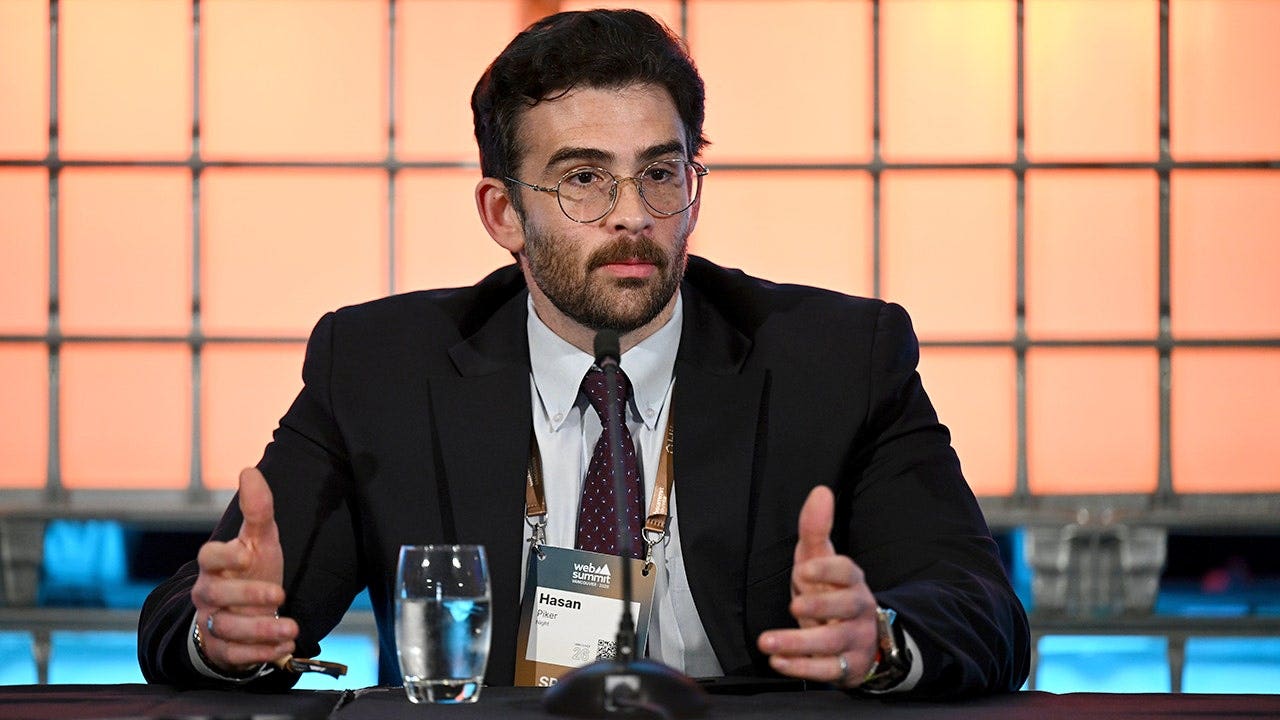
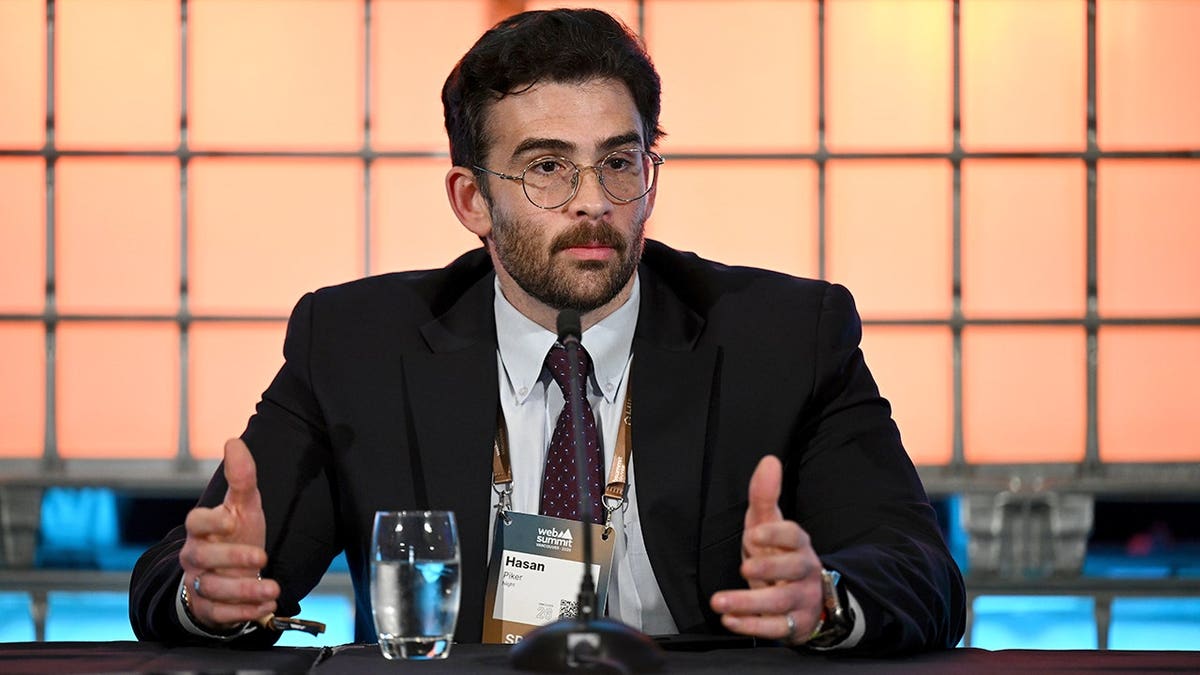
State Legislative Backlash at UT Austin: Left-wing political commentator and streamer Hasan Piker addressed students at the University of Texas at Austin, drawing fierce condemnation and pushback from Texas state lawmakers who questioned the appropriateness of his presence on a state-funded campus.
California Classroom Altercation: A lecturer at a California college was swiftly removed from their teaching duties following a highly publicized verbal altercation. The incident occurred after the lecturer erupted at a student who asked a question regarding Native American history.
The Proliferation of Campus Financial Scams: Law enforcement and cybersecurity experts have sounded the alarm over a sophisticated, hidden network of scams targeting college students. These fraudulent schemes, often involving fake employment opportunities and financial aid traps, have collectively cost students and institutions millions of dollars.
Faculty Child Solicitation Arrest: A college professor has been arrested and charged in a child solicitation case. The local sheriff’s office alleges that the academic utilized Snapchat to send explicit messages to an individual they believed to be a minor, highlighting severe ethical and security failures within higher education faculty ranks.
Chronology of Recent Events
The convergence of these controversies highlights a rapid escalation of cultural and legal conflicts within the academic sector over the past year.
Late 2024 – Summer 2025: The Genesis of Legal and Systemic Disputes
December 2024 – Early 2025: The tragic shooting of UnitedHealthcare CEO Brian Thompson in New York City triggers intense national debate. The subsequent arrest of Luigi Mangione leads to his indictment. In the ensuing months, fringe online subcultures and radical activists begin romanticizing Mangione’s actions as a form of violent protest against the health insurance industry.
Spring 2025: In Oregon, a homeschool mother and Marine veteran submits reimbursement requests for her children’s educational materials. The local school district formally denies the request, citing the sectarian and Christian nature of the curriculum. This denial sets the stage for a protracted legal battle over state-funded educational choice.
Fall 2025: Escalation in the Courts and on Campuses
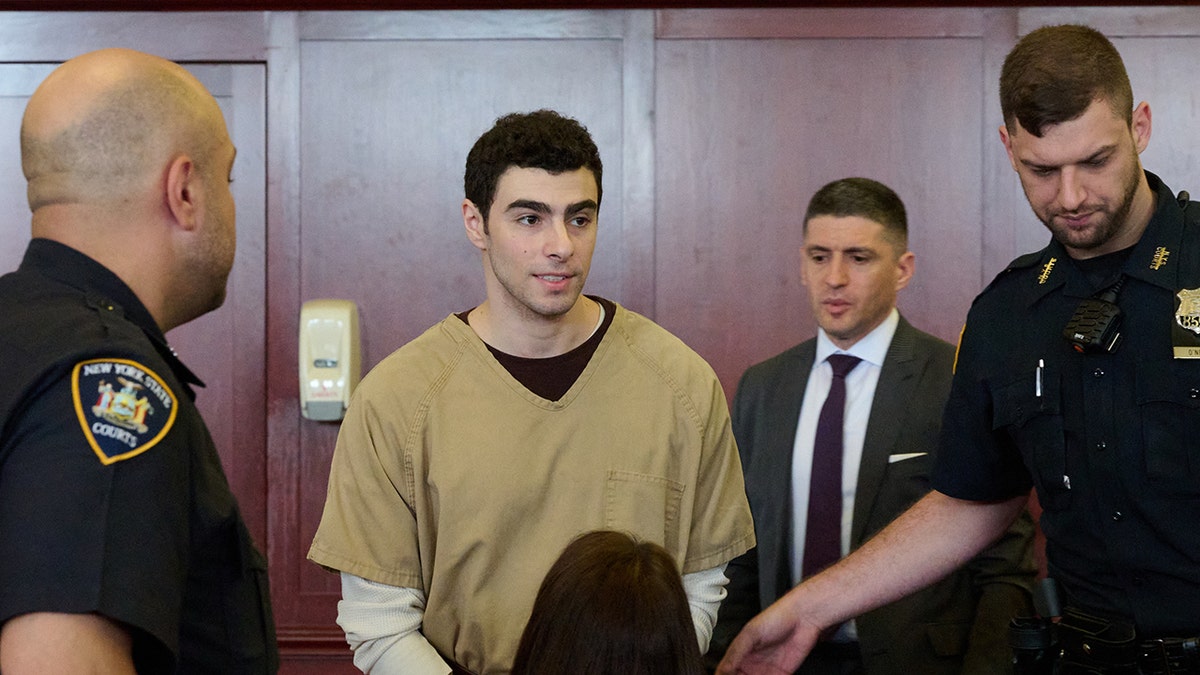
September 16, 2025: Luigi Mangione appears in Manhattan Supreme Court for a critical hearing regarding the murder charges filed against him.
October 2025: Virginia State University officially revokes the active campus status of two prominent Christian student ministries. The university attempts to restructure these groups under the unilateral authority of a university-appointed campus minister, prompting immediate consultations between the students and constitutional defense attorneys.
Early to Mid-2026: Public Outbreaks and Legal Filings
February 2026: Christian student groups at Virginia State University officially file a federal lawsuit against the institution, alleging First Amendment violations and systemic religious discrimination.
Spring 2026:
During an academic panel on "fat liberation" at Harvard Medical School, an artist-in-residence publicly defends Luigi Mangione, demanding his release and drawing immediate national condemnation.
At the University of Texas at Austin, political commentator Hasan Piker delivers a controversial address to a large student audience. The event occurs despite public warnings and legislative threats from conservative Texas lawmakers.
In California, a classroom discussion on indigenous history turns hostile when a college lecturer reacts aggressively to a student’s inquiry. Video of the exchange circulates on social media, resulting in the lecturer’s immediate removal.
The local sheriff’s office in a separate jurisdiction arrests a college professor following an undercover sting operation targeting online child solicitation via Snapchat.
Supporting Data and Detailed Case Studies
Ideological Polarization and the Harvard Medical School Incident
The romanticization of criminal violence within academic spaces represents a growing challenge for university administrators. At Harvard Medical School, the intersection of radical social theories—specifically "fat liberation"—and extreme anti-corporate sentiment culminated in an artist-in-residence publicly championing Luigi Mangione.
Mangione, a highly educated Ivy League graduate himself, became a cause célèbre for certain radical factions following his arrest for the murder of UnitedHealthcare CEO Brian Thompson. Critics argue that the willingness of a university affiliate to use an academic platform to demand the release of an accused murderer reflects a deeper, systemic radicalization within certain niche departments of elite institutions.
First Amendment Battles: The VSU and Oregon Lawsuits
The legal disputes in Virginia and Oregon underscore the ongoing friction between religious expression and state-run educational frameworks.
Case
Jurisdiction
Plaintiff
Core Legal Claim
Institutional Stance
Christian Ministries v. Virginia State University
Federal District Court (Virginia)
Two Christian student organizations
Violation of Free Exercise and Equal Protection; selective enforcement of regulations compared to Muslim groups.
Administrative restructuring intended to streamline campus ministry oversight.
Homeschool Mother v. School District
State/Federal Court (Oregon)
Marine veteran and homeschooling parent
Denial of educational expense reimbursement based solely on the religious content of the curriculum.
Public funds cannot be used to purchase sectarian instructional materials.
At Virginia State University, the decision to place Christian groups under a university-appointed minister while allowing Muslim student groups to maintain autonomous leadership has raised serious constitutional concerns. Legal experts point out that under the Equal Access Act and the First Amendment, public universities are strictly prohibited from engaging in denominational favoritism or infringing upon the internal governance of voluntary student associations.
In Oregon, the lawsuit filed by the Marine-turned-homeschool-mom touches on the evolving jurisprudence surrounding the Free Exercise Clause. Following recent U.S. Supreme Court precedents, such as Carson v. Makin, which ruled that states cannot exclude religious schools from public tuition assistance programs, the plaintiff argues that denying reimbursements for Christian curricula constitutes unconstitutional religious discrimination.
Official Responses
The fallout from these various controversies has elicited strong reactions from institutional leaders, legal advocacy groups, and government officials.
On the Harvard Medical School Controversy
In a statement addressing the artist-in-residence’s comments, a spokesperson for Harvard University distanced the institution from the speaker’s remarks:
"The views expressed by individual participants at this panel do not represent the values, stance, or opinions of Harvard Medical School or Harvard University. We remain committed to fostering an environment of rigorous academic inquiry, but we do not condone or tolerate statements that support or glorify violence."
On the Virginia State University Lawsuit
Counsel representing the Christian student groups released a statement emphasizing the gravity of the university’s actions:
"By stripping these student ministries of their official status and attempting to place them under state-approved religious leadership, Virginia State University has committed a clear violation of the First Amendment. Public universities cannot dictate the theological leadership of private student groups, nor can they treat Christian organizations as second-class campus citizens while exempting others."
University administrators at VSU declined to comment directly on the active litigation but maintained that their campus policies are designed to ensure "orderly and inclusive engagement for all student organizations."
On the UT Austin Hasan Piker Event
Texas state lawmakers expressed deep frustration over UT Austin’s decision to host Hasan Piker. One state representative issued a formal warning regarding future university funding:
"State-funded universities should not be utilized as platforms for individuals who promote radical, anti-American rhetoric. If the leadership of our public universities cannot exercise basic oversight, the legislature will be forced to reexamine the allocation of taxpayer dollars to these institutions."
Implications
The cascading controversies across the American educational landscape carry profound implications for the future of academic freedom, institutional governance, and the rule of law.
The Erosion of Institutional Neutrality
For decades, American universities operated under the principle of institutional neutrality—the idea that universities should not take official stances on highly contentious political or social issues to preserve a free marketplace of ideas. The incidents at Harvard and UT Austin demonstrate how difficult it has become to maintain this boundary. When academic affiliates utilize university-sanctioned events to promote radical political ideologies or defend criminal acts, it erodes public trust in higher education as an objective, truth-seeking enterprise.
The Financial and Reputational Toll of Litigation
For public K-12 districts and universities, defending against high-profile constitutional lawsuits is an incredibly costly endeavor. The federal lawsuits in Virginia and Oregon will likely require the expenditure of significant taxpayer-funded resources. If courts continue to rule in favor of religious liberty plaintiffs—consistent with the current trajectory of the federal judiciary—institutions that enforce restrictive policies against religious groups face not only severe reputational damage but also substantial financial liabilities in the form of damages and plaintiffs’ attorney fees.
Campus Safety, Cyber Security, and Staffing Integrity
Beyond the ideological battles, the rise of multimillion-dollar campus scams and the arrest of a faculty member for child solicitation point to a critical need for enhanced administrative oversight and security protocols.
As sophisticated cybercriminals continue to exploit the financial vulnerability of college students, universities must invest heavily in digital literacy and protective infrastructure. Simultaneously, the arrest of academic personnel on severe felony charges highlights the necessity of rigorous background checks and continuous behavioral monitoring to ensure the safety of students and the integrity of the academic profession.
Ultimately, the intersection of these legal, ethical, and cultural challenges suggests that the American educational system is entering a period of profound restructuring. Whether through judicial intervention, legislative mandates, or internal administrative reforms, institutions of learning will be forced to adapt to a highly polarized society that increasingly demands accountability, safety, and adherence to constitutional standards.