The global transition toward plant-based diets is arguably the most significant shift in consumer behavior in the 21st century. Driven by environmental concerns, animal welfare, and health consciousness, millions of shoppers in the United Kingdom and beyond have embraced plant-based meat alternatives (PBMAs) and plant-based beverages (PBBs). However, a recent scientific investigation has cast a spotlight on an often-overlooked aspect of this transition: the presence of mycotoxins—toxic chemical compounds naturally produced by fungi—within these popular products.
A landmark study, recently published in the journal Food Control, reveals that mycotoxin contamination is widespread across the UK’s plant-based market. While the findings have sparked concern, researchers emphasize a nuanced reality: while these toxins are ubiquitous in nature, the cumulative effect of long-term consumption in an increasingly plant-centric diet necessitates a new approach to food safety regulation.
The Study: Unveiling the Microscopic Threat
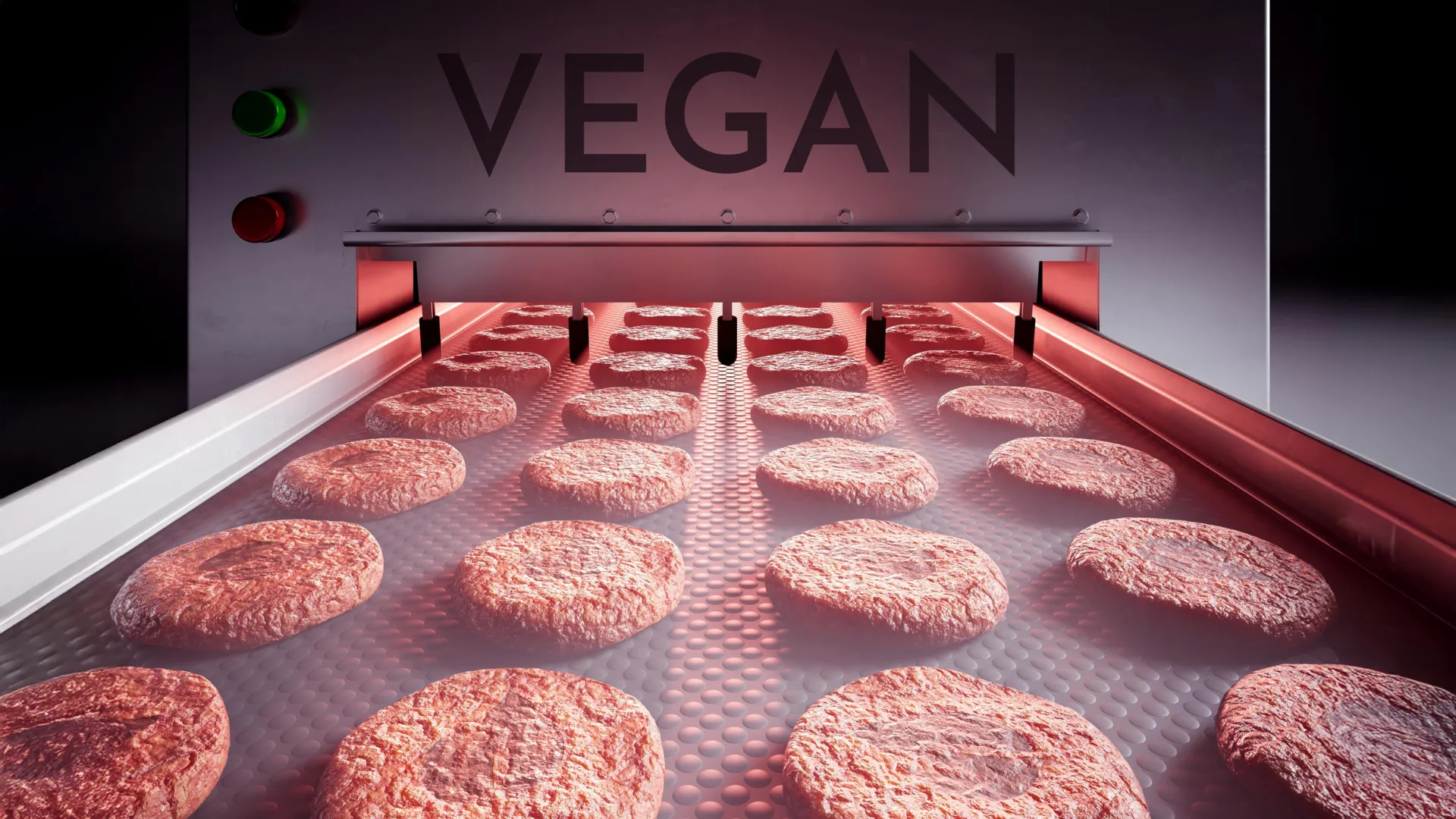
The research, a collaborative effort between the University of Parma in Italy and Cranfield University in the UK, conducted an exhaustive analysis of 212 commercially available plant-based products. The scope of the survey was designed to mirror the average UK shopping basket, encompassing a wide array of items including vegetarian chicken alternatives, vegan sausages, plant-based burgers, and a variety of milk alternatives derived from oats, almonds, and soy.
The results were startling in their ubiquity: every single product tested contained at least one of 19 different mycotoxins. In many instances, individual products contained a "cocktail" of several different toxins. These findings do not necessarily imply a failure of current food safety standards, but they do suggest that the biological reality of plant-based ingredients—specifically grains, legumes, and seeds—makes them natural reservoirs for fungal contamination.
The Chronology of Fungal Contamination
To understand how these toxins arrive in our grocery stores, one must look at the life cycle of the ingredients themselves. Mycotoxins are produced by various species of molds (such as Aspergillus, Penicillium, and Fusarium) that thrive in specific environmental conditions.
1. Pre-Harvest Exposure
Contamination often begins in the field. When crops like soy, wheat, or oats are subjected to high humidity, rainfall during harvest, or insect damage, they become susceptible to fungal infection. The fungi produce mycotoxins as a secondary metabolite—a defense mechanism that, while intended to protect the fungus from its environment, results in toxic byproducts that are resilient to heat and processing.
2. The Storage and Processing Phase
Post-harvest storage is perhaps the most critical juncture. If grains and legumes are not stored in tightly controlled, low-humidity environments, mold growth can accelerate rapidly. Even once these raw materials are processed into "meat" or "milk," the mycotoxins—which are chemically stable—often survive the cooking, extrusion, and pasteurization processes.
3. The Analytical Breakthrough
The University of Parma and Cranfield University team utilized advanced mass spectrometry techniques to identify these compounds. By examining products already sitting on shelves in UK retailers, they provided a snapshot of the current consumer reality. This survey serves as a critical baseline, as previous data on processed plant-based foods was fragmented or non-existent.
Supporting Data: Why "Below Limits" Still Matters
A primary takeaway from the study is that the levels of mycotoxins detected were, in every instance, within the recommended EU guideline limits for food safety. The researchers were quick to praise the UK food industry for its high quality-control standards, which keep individual exposures well within safe thresholds.
However, the report warns against complacency. The regulatory thresholds are typically calculated based on single-exposure risks or acute toxicity—the amount of a substance that would cause immediate harm. The researchers argue that we are entering an era where the cumulative intake of mycotoxins must be reassessed.
The Cumulative Effect
As the population shifts toward diets composed primarily of legumes, grains, and nuts, the frequency of exposure to these mycotoxins increases. If a consumer eats an oat-based milk for breakfast, a plant-based burger for lunch, and a legume-based snack in the evening, they are potentially ingesting a low-level "cocktail" of different mycotoxins three times a day, every day.
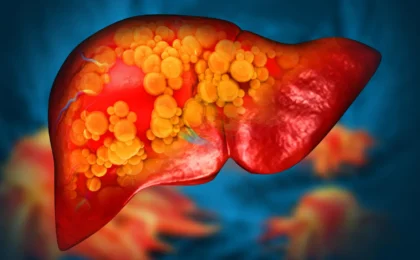
Studies have linked chronic, long-term exposure to these toxins to a range of serious health outcomes, including:
- Organ Damage: Chronic liver and kidney stress.
- Immunosuppression: Weakening the body’s ability to fight off infections.
- Carcinogenic Potential: Certain mycotoxins are classified as potential human carcinogens by global health agencies.
Official Responses and Expert Insights
The scientific community is not calling for a boycott of plant-based foods. Instead, they are advocating for a smarter, more integrated approach to food safety.
Andrea Patriarca, Senior Lecturer in Mycology at Cranfield University, addressed the findings with a measured tone. "Mycotoxins occur naturally in foods and cannot be completely avoided," Patriarca noted. "As consumers, we should not be frightened or deterred from enjoying a variety of products. However, a significant concern arises when new foods enter the market, as there are currently no established regulations to monitor these toxins in complex, multi-ingredient processed foods."
Patriarca highlighted that the research team is actively collaborating with stakeholders across the entire supply chain—from farmers at the source to large-scale food manufacturers. The goal is to implement "mycotoxin management" systems that go beyond current safety standards, ensuring that raw materials are screened more rigorously before they ever enter a processing facility.
"The data from our research helps food safety organizations in assessing risks," Patriarca added. "We are currently collaborating with the University of Parma to evaluate the risks faced by the population based on different dietary habits. Our aim is to advise policymakers and raise awareness among vulnerable consumers."
Implications for the Future of Food Safety
The publication of this paper in Food Control marks a turning point in the regulation of the plant-based sector. The implications are three-fold:
1. Regulatory Updates
The findings provide the necessary data for food safety organizations to develop more granular, category-specific regulations. Currently, many standards are based on raw commodities; the new data suggests that processed, multi-ingredient products require their own specialized monitoring frameworks.
2. Supply Chain Responsibility
Food manufacturers are now under pressure to ensure that their supply chains are optimized to prevent mold growth. This may involve investing in better storage technology, humidity-controlled silos, and more frequent testing of raw protein isolates, which are often imported from regions with varying climate conditions.
3. Consumer Empowerment
For the average consumer, the message is one of dietary diversity. Because different crops are susceptible to different types of mold and mycotoxins, relying on a single source of plant-based protein (e.g., exclusively soy or exclusively oats) might increase the risk of consistent exposure to the same toxin. A diverse diet—incorporating a wide variety of grains, legumes, nuts, and vegetables—can help mitigate the risk of accumulating high levels of any single mycotoxin.
Conclusion: A Path Forward
The plant-based revolution has undoubtedly brought about positive changes for the planet and, in many ways, for human health. However, as these products move from niche to staple status, the food industry must mature alongside them.
The research conducted by the University of Parma and Cranfield University is not an indictment of plant-based foods, but rather a vital roadmap for the next generation of food safety. By acknowledging the microscopic risks inherent in our food systems and proactively managing them, we can ensure that the transition to more sustainable eating habits is as safe as it is environmentally beneficial.
As policymakers and industry leaders review these findings, the focus must remain on transparency and scientific rigor. Consumers deserve to know not just what is in their food, but how it is protected from the invisible, natural threats that have accompanied agriculture since the dawn of civilization. With proper monitoring and continued research, we can enjoy the benefits of plant-based innovation without compromising on long-term health.
Funding acknowledgement: This work was carried out under the Horizon Europe FunShield4Med project (HORIZON-WIDERA-2021-ACCESS-03) Grant Agreement No 101079173, funded by the European Union.