For decades, the discourse surrounding climate change has focused on external, tangible threats: the melting of polar ice caps, the increasing frequency of catastrophic wildfires, and the rising acidity of our oceans. However, a groundbreaking study published in the journal Air Quality, Atmosphere and Health suggests that the climate crisis may have a far more intimate, internal dimension. Researchers have uncovered evidence that the very air we breathe—increasingly saturated with carbon dioxide—is inducing measurable, long-term shifts in human blood chemistry, potentially signaling an unprecedented physiological adjustment to a changing planet.
The Core Findings: A Silent Biological Shift
A collaborative team of scientists from The Kids Research Institute Australia, Curtin University, and The Australian National University (ANU) has identified a troubling correlation between the steady climb of atmospheric carbon dioxide (CO2) and shifts in essential blood markers within the human population. By analyzing over two decades of health data, the researchers have discovered that as CO2 levels in our environment have risen, our bodies have begun to mirror these changes at a chemical level.
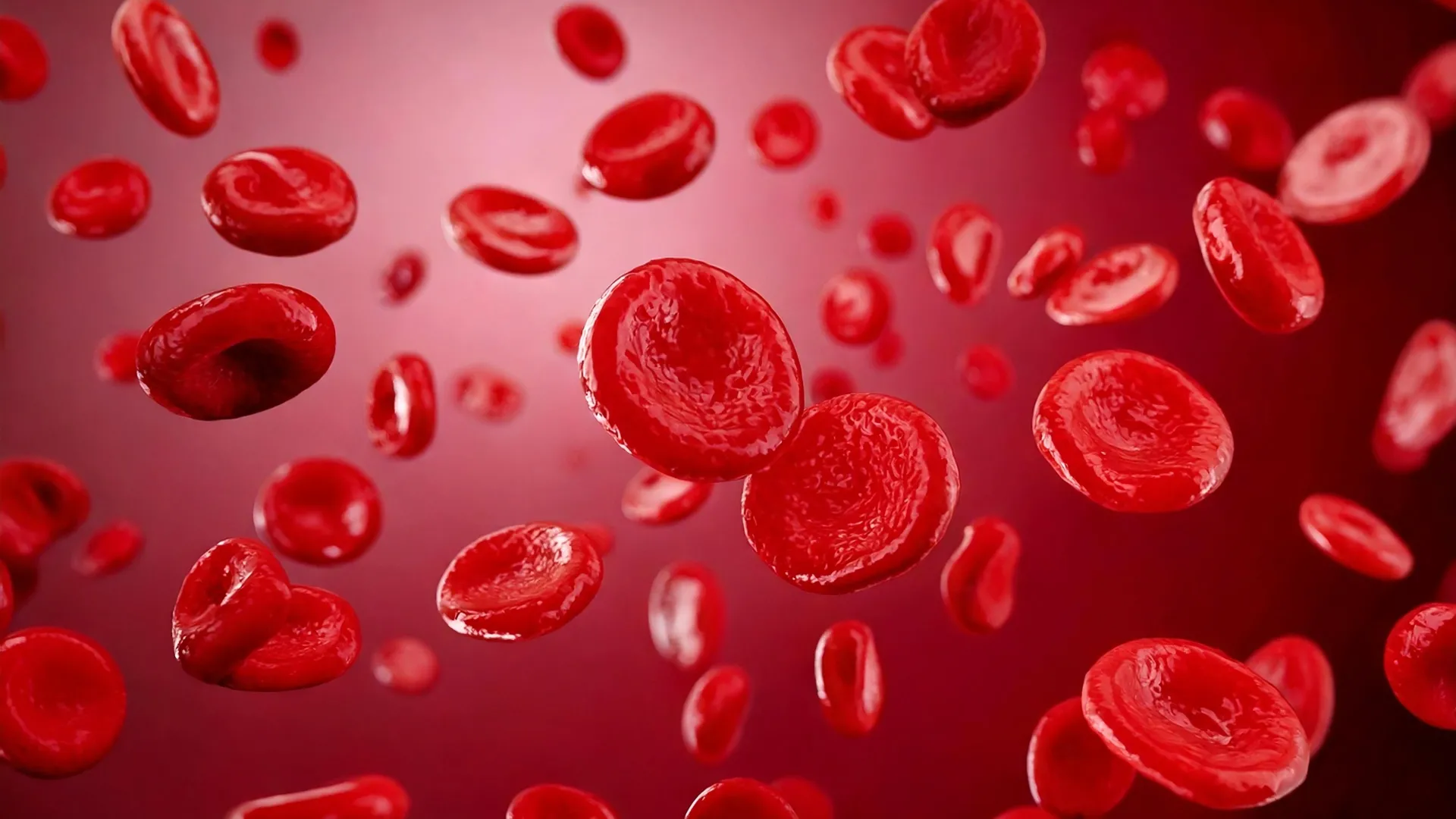
The study centers on three key blood components: serum bicarbonate, calcium, and phosphorus. Since 1999, average serum bicarbonate levels—a critical marker for the body’s acid-base regulation—have surged by approximately 7 percent. Simultaneously, the study observed a downward trend in average calcium and phosphorus levels. These biological fluctuations align with the trajectory of global atmospheric CO2, which has risen from approximately 369 parts per million (ppm) at the turn of the millennium to more than 420 ppm today.
The implications are particularly profound for the younger generation. Because children and teenagers are in a continuous state of development, they are expected to experience the highest lifetime cumulative exposure to these elevated CO2 concentrations, potentially setting the stage for lifelong physiological adjustments that their ancestors never encountered.
A Chronology of Environmental and Biological Change
To understand the significance of these findings, one must look at the timeline of human evolution versus our modern industrial reality. For the vast majority of human existence, our species evolved in an environment where atmospheric CO2 concentrations fluctuated between 280 and 300 ppm.
- Pre-Industrial Baseline (Prior to 1800s): CO2 levels remained relatively stable at roughly 280 ppm.
- 1999–2020 (The Study Period): Researchers utilized data from the U.S. National Health and Nutrition Examination Survey (NHANES), tracking roughly 7,000 individuals across 20 years of biennial health screenings.
- The Modern Acceleration: During the last decade, atmospheric CO2 has climbed by an average of 2.6 ppm per year. In 2024 alone, that rate spiked to 3.5 ppm, representing an unprecedented acceleration in the chemical composition of the air humans breathe.
The study highlights a critical concern: if these trends continue, the body’s compensatory mechanisms—which retain bicarbonate to keep blood pH stable—may eventually push these markers to the absolute limit of the "healthy range" within the next 50 years.
Data Analysis: The Mechanics of Human Adaptation
The human body is an extraordinary system of homeostasis, constantly working to maintain a precise internal environment. Bicarbonate is the body’s primary buffer, tasked with neutralizing acidity to maintain a stable blood pH.
As ambient CO2 concentrations rise, the lungs struggle to expel the excess gas, leading to a higher concentration of CO2 in the blood. To compensate, the body retains more bicarbonate, an adaptive mechanism that prevents the blood from becoming too acidic. While this process is effective in the short term, the researchers caution that maintaining this heightened buffering capacity over decades is uncharted territory.
The Breakdown of Key Markers
- Bicarbonate: The 7 percent increase observed is a direct indicator of the body attempting to manage an increasingly acidic environment. As A/Prof Alexander Larcombe notes, this is a "gradual shift in blood chemistry" that mirrors the global climate trajectory.
- Calcium and Phosphorus: These minerals are vital for bone density and metabolic function. The observed decline in their average levels suggests that the body’s internal chemistry is being redirected or depleted to manage the mounting burden of CO2 regulation.
If the current modeling holds true, calcium and phosphorus levels may hit the lower thresholds of "healthy" ranges before the end of the 21st century, potentially impacting long-term public health in ways that are currently under-researched.
Official Responses and Expert Perspectives
The research team is careful to note that while the correlation is striking, it does not definitively prove a direct cause-and-effect relationship in every individual. However, the sheer consistency of the data across a large, diverse population sample is impossible to ignore.
Dr. Phil Bierwirth, a retired environmental geoscientist and co-author of the study, offers a sobering interpretation. "I actually think that what we are seeing is because our bodies are not adapting," Dr. Bierwirth stated. He argues that humans are biologically hardwired for a lower CO2 environment, and that we may have already surpassed the threshold for which our physiology is optimized.
"The normal range maintains a delicate balance between how much CO2 is in the air, our blood pH, our breathing rate, and bicarbonate levels in the blood," he explained. "As CO2 in the air is now higher than humans have ever experienced, it appears to be building up in our bodies. Maybe we can never adapt such that it is vitally important to limit atmospheric levels of CO2."
A/Prof Alexander Larcombe emphasizes that this is not an immediate crisis where people will suddenly fall ill. Instead, it is a "slow-burn" risk—a quiet, physiological transformation occurring at a population level that requires urgent attention from public health officials and policymakers alike.
A New Dimension of Climate Risk
Historically, climate policy has focused on mitigating external disasters. This research suggests that we must now incorporate "internal" climate risk into our public health strategies.
Public Health Implications
- Monitoring as Policy: The researchers advocate for integrating the monitoring of atmospheric composition with large-scale biological marker tracking. By linking environmental data with health data, scientists can better determine how subtle, chronic environmental changes alter human biology.
- Long-Term Vulnerability: If the human body is indeed forced to operate at the edge of its physiological limits, it may have less resilience to other stressors, such as viral infections or existing respiratory conditions.
- Policy Shifts: The findings suggest that the push for carbon neutrality is not just about saving ecosystems; it is about protecting the fundamental biological integrity of the human species. If lowering emissions has the potential to stabilize blood chemistry, it adds a powerful new argument to the global call for rapid decarbonization.
Conclusion: The Path Forward
The study from The Kids Research Institute Australia serves as a call to action, bridging the gap between climate science and clinical biology. While further research is required to fully elucidate the long-term health consequences of these blood chemistry shifts, the evidence suggests that the human body is already "feeling" the climate crisis from the inside out.
As we look toward the future, the integration of biological monitoring into climate change policy may be the next critical step in safeguarding human health. By recognizing that the atmosphere is not just a backdrop for our lives, but an active participant in our biology, we may finally see the full scale of the climate crisis—and the profound necessity of the solutions we must implement.
Associate Professor Alexander Larcombe is a lead researcher at the Wal-yan Respiratory Research Centre, a premier partnership between The Kids Research Institute Australia, Perth Children’s Hospital, and the Perth Children’s Hospital Foundation. This research represents a significant contribution to the growing body of literature examining the intersection of environmental health and human physiology.