By Staff Report
Updated August 20, 2026
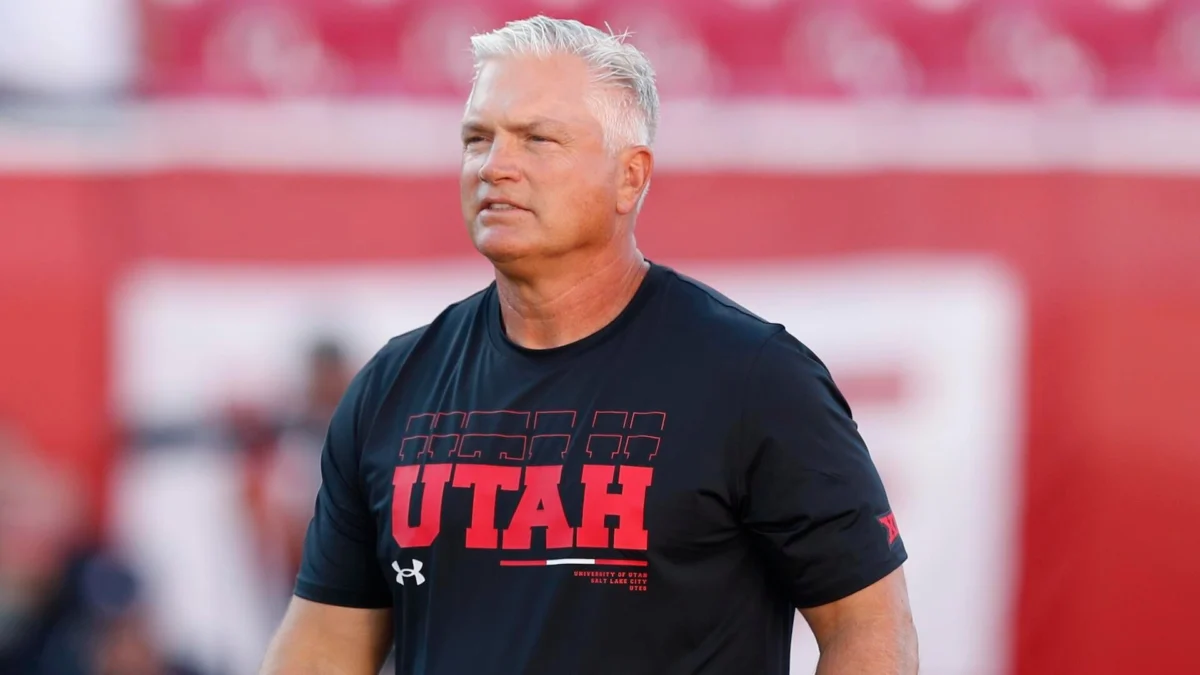
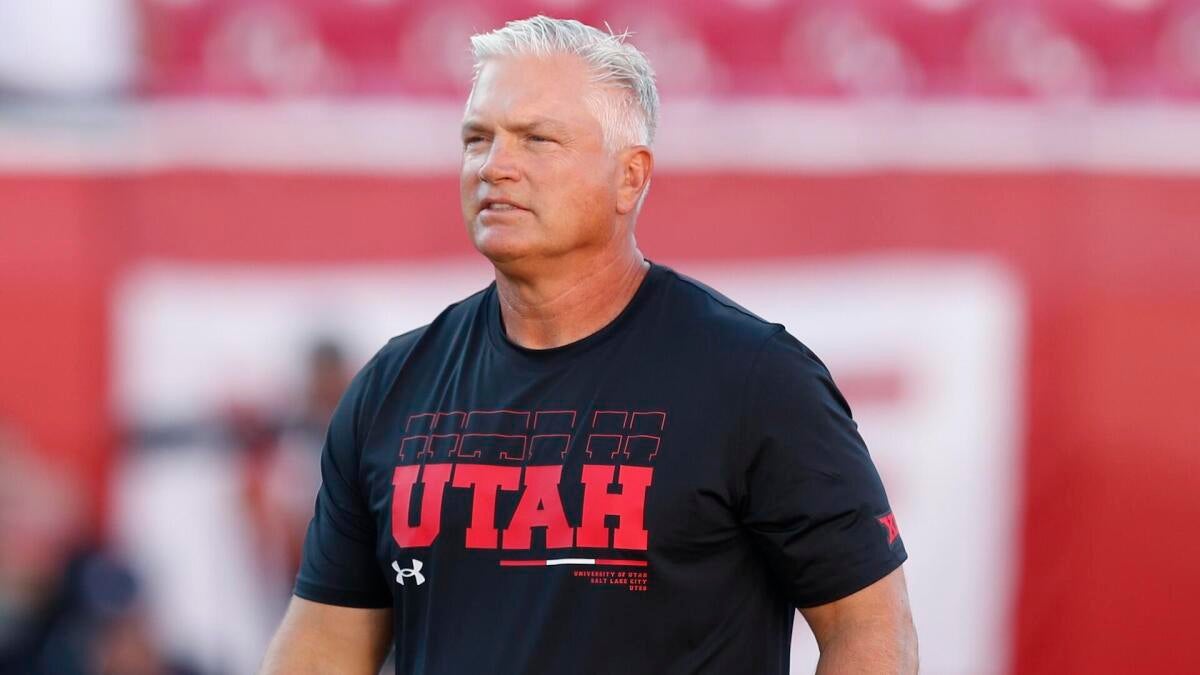
The University of Utah has taken the extraordinary step of filing a civil lawsuit against former assistant coach Freddie Whittingham, alleging a systematic breach of contract and a betrayal of fiduciary duty. The litigation, filed on August 3, 2026, in the 3rd District Court, centers on allegations that the long-time staffer abandoned his post to join his brother, Kyle Whittingham, at the University of Michigan without adhering to the professional and financial protocols stipulated in his employment agreement.
The fallout from this departure is substantial. Utah is currently seeking over $300,000 in liquidated damages—a figure dictated by the terms of Whittingham’s contract—along with at least $1 million in general and special damages. The university also seeks punitive damages, alleging that the former assistant’s conduct went beyond a simple career move and instead constituted a deliberate effort to undermine the Utah football program while still under its payroll.
The Chronology of an Abrupt Exit
The transition of the Whittingham family from Salt Lake City to Ann Arbor has been a focal point of college football news for much of 2026. Kyle Whittingham, the legendary coach who defined an era at Utah for 21 seasons, accepted the head coaching position at Michigan in December 2025. While staff transitions are common in the high-stakes world of Power Four athletics, the University of Utah’s filing alleges that Freddie Whittingham’s exit was marked by deception and a blatant disregard for administrative procedure.
January 1, 2026: The "Abandonment"
According to court documents, the friction began in earnest on New Year’s Day. Despite widespread media reports and internal whispers that he was set to join his brother’s new staff at Michigan, Freddie Whittingham remained under contract with Utah. Associate athletic director Jeff Rudy reportedly spoke with Whittingham, explicitly reminding him that he remained an active employee of the university.
The situation escalated later that evening. The lawsuit alleges that Rudy encountered Whittingham and several family members in the process of clearing out his office at the university facility. By the following day, the scenario had become public: Whittingham appeared at a Michigan basketball game alongside his brother, who introduced the group to the crowd as members of his new coaching staff.
January 3, 2026: Administrative Friction
The procedural breakdown continued throughout the first week of January. Utah claims that an employee from the University of Michigan athletics department reached out to the Utes’ administration on January 3, requesting the transfer of Freddie Whittingham’s university-issued phone line. This, the university argues, was a premature step taken before any formal resignation or buyout negotiations had been settled.
Financial and Fiduciary Allegations
At the core of the legal dispute is a specific clause in Whittingham’s contract, which ran through January 31, 2027. Under the terms of his agreement, which carried an annual base salary of $525,000, Whittingham was obligated to pay liquidated damages equal to 75% of his remaining salary if he left the program without cause to pursue another coaching opportunity.
The Disputed Buyout
Utah asserts that they made a formal request for these liquidated damages in mid-January. Whittingham, however, has reportedly disputed the validity of the debt. The university argues that his failure to pay is not merely a financial oversight but a breach of his professional responsibilities.
The lawsuit extends into the realm of "fiduciary duty," a legal claim that suggests Whittingham failed to act in the best interest of his employer while he was still technically on the payroll. This is where the case moves from a contract dispute to a broader question of institutional integrity.
The Recruitment Conflict
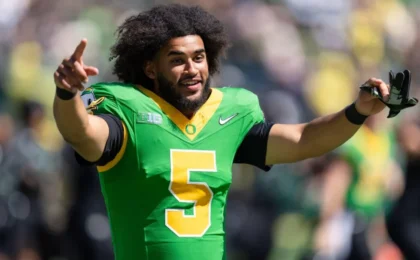
Perhaps the most damaging allegation leveled by the University of Utah is that Whittingham utilized his position as an active employee to recruit Utah players to Michigan. The timing of the mass exodus of Utah talent to Ann Arbor is central to the university’s claim. Five Utah players—tight end JJ Buchanan, edge rusher John Henry Daley, defensive lineman Jonah Lea’ea, and cornerbacks Salesi Moa and Smith Snowden—entered the transfer portal and ultimately committed to the Wolverines.
Utah contends that these departures were not coincidental. By allegedly leveraging his influence and access to current players while still employed by Utah, Whittingham is accused of engaging in a conflict of interest that directly harmed his then-employer’s competitive standing.
Supporting Data and Precedent
The magnitude of this lawsuit is reflective of the shifting landscape in collegiate athletics. With the advent of the transfer portal and the professionalization of NIL (Name, Image, and Likeness) deals, the movement of coaching staffs has become more lucrative and more frequent. However, schools are increasingly holding firm on the "liquidated damages" clauses in coaching contracts to recoup the costs of searching for replacements and stabilizing programs.
Whittingham was one of five full-time assistants who followed Kyle to Michigan. While the other four coaches apparently satisfied their contractual obligations—or reached settlements with Utah—the university’s filing notes that Freddie Whittingham is the only one who has refused to fulfill his financial requirements.

The Broader Implications for College Football
This case serves as a high-profile cautionary tale for coaching staffs moving between major programs. As coaching contracts become more complex, the legal ramifications of "poaching" staff and players while under contract are likely to see increased scrutiny.
The Michigan-Utah Dynamic
The situation is inherently sensitive due to the familial connection. Kyle Whittingham’s move to Michigan was hailed as a "fix-it" operation, designed to stabilize a storied program that had endured turmoil. Yet, the legal battle involving his brother casts a shadow over the transition. By targeting an assistant coach with such a public and aggressive lawsuit, Utah is sending a clear message to the rest of the conference: even as the college football landscape becomes more fluid, contractual agreements must be honored.
The Legal Path Forward
As the case heads to the 3rd District Court, the legal teams will likely focus on the specific timing of the "resignation." If Whittingham can prove he gave notice prior to his actions, the case for breach of contract may weaken. Conversely, if Utah can prove that he was actively working for Michigan while on the Utah payroll—especially regarding the recruitment of current players—the university’s claim for fiduciary damages could carry significant weight.
Conclusion
The departure of a coach who had been with the program since 2012 is a significant loss for the University of Utah. However, the university’s decision to pursue legal action suggests that the relationship ended on terms that the administration finds fundamentally unacceptable. As the 2026 season progresses, the outcome of this litigation will likely be watched closely by athletic directors, agents, and coaches across the country. It highlights the growing tension between the "at-will" nature of modern coaching transitions and the ironclad legal agreements that govern them.
Whether this ends in an out-of-court settlement or a protracted legal battle, the lawsuit between the University of Utah and Freddie Whittingham has already achieved one thing: it has permanently altered the narrative of one of the most significant coaching transitions in recent memory.