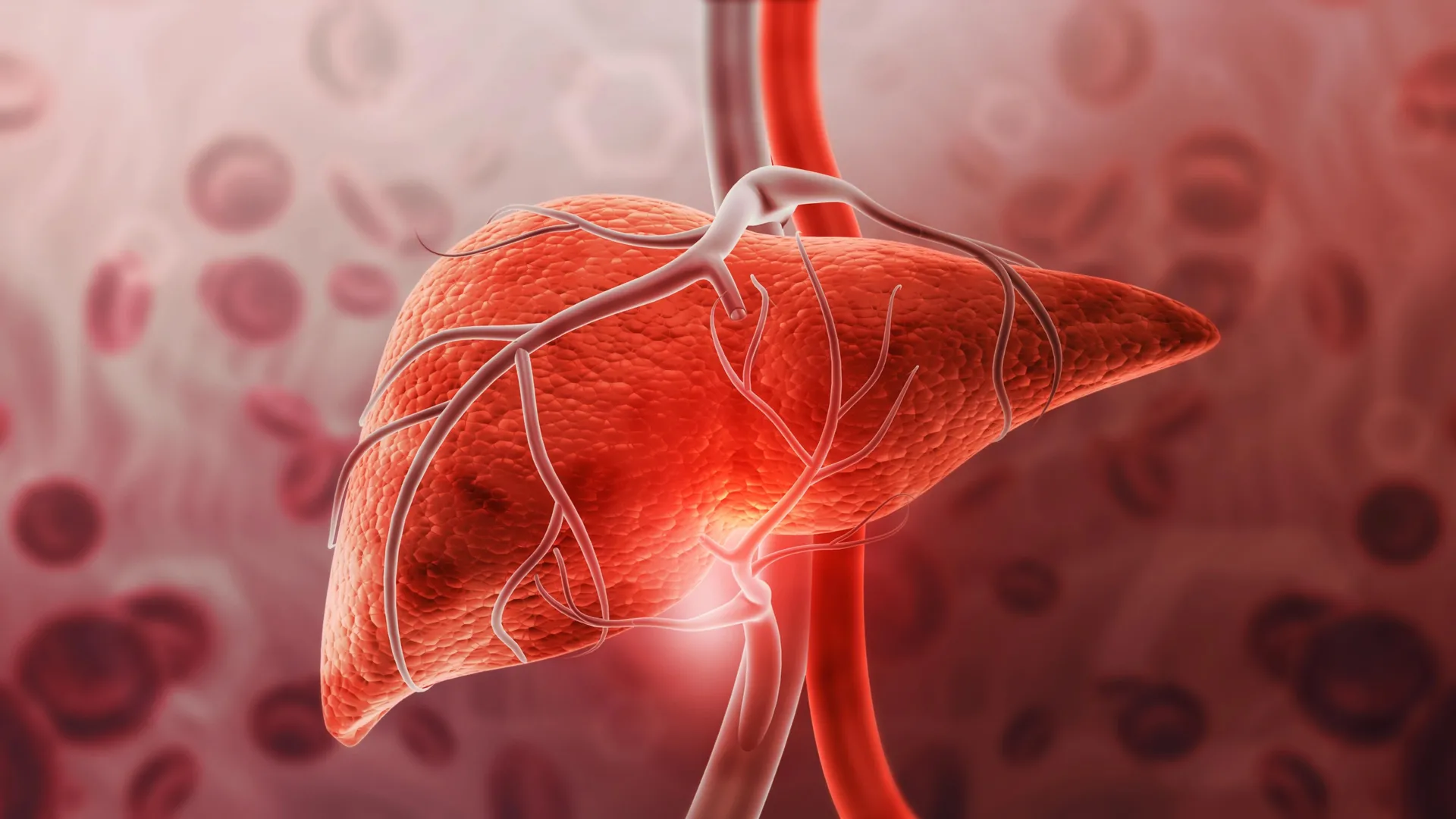
In a medical landscape currently dominated by the success of weight-loss drugs, researchers at McMaster University have pivoted the conversation toward a more nuanced understanding of chronic disease. A groundbreaking study, published on August 10, 2026, in the journal Cell Metabolism, has identified that GDF15—a hormone long celebrated for its ability to suppress appetite—plays a critical, previously unknown role in shielding the liver from inflammation. This discovery offers a glimmer of hope for the millions suffering from metabolic dysfunction-associated steatohepatitis (MASH), a condition that has historically proven difficult to treat.
The Core Discovery: Decoupling Weight Loss from Liver Health
For years, the scientific consensus regarding GDF15 (Growth Differentiation Factor 15) was centered on its interaction with the brain to signal satiety. It was the "appetite hormone," a key component in the biological mechanism that helps patients shed pounds. However, the McMaster research team, led by Professor Gregory Steinberg, has shattered this singular focus.
The study reveals that GDF15 is not merely a metabolic gatekeeper for caloric intake; it is an active participant in the body’s internal defense system against chronic injury. Most significantly, the researchers found that GDF15 can reduce liver inflammation and inhibit the development of fibrosis—the dangerous accumulation of scar tissue—entirely independent of weight loss. This finding challenges the prevailing "weight-centric" model of liver disease treatment, suggesting that the liver’s inflammatory state can be modulated even when total body mass remains unchanged.
The Silent Epidemic: Understanding MASH
To grasp the magnitude of this discovery, one must understand the severity of MASH. Formerly known as non-alcoholic steatohepatitis (NASH), MASH is an advanced stage of fatty liver disease. It occurs when fat accumulation in the liver triggers systemic inflammation, eventually leading to cell death and the formation of irreversible scar tissue.
Left unchecked, MASH progresses to cirrhosis, liver cancer, and, ultimately, total liver failure. While modern GLP-1 receptor agonists and other weight-loss medications have been transformative, clinicians have noted a frustrating clinical reality: even when patients achieve significant weight reduction, the underlying inflammatory processes in the liver can persist. This "residual inflammation" remains a leading driver of disease progression, leaving patients vulnerable to liver failure despite their successful weight loss journey. The McMaster study provides the missing link that could eventually bridge this therapeutic gap.
Chronology of the Research: A Multi-Year Scientific Journey
The path to this discovery was neither linear nor simple. It represents the culmination of years of rigorous investigation into metabolic pathways.
- 2023: Steinberg and his colleague, Dr. Dongdong Wang, published foundational research in Nature, detailing how GDF15 assists the body in maintaining its calorie-burning efficiency during weight loss. This established the hormone as a critical metabolic regulator.
- 2024–2025: The team transitioned from studying calorie burning to investigating the hormone’s systemic effects on organ health. Using sophisticated mouse models designed to replicate the human pathology of MASH, the researchers began to isolate the specific interaction between GDF15 and liver tissue.
- Late 2025: The researchers integrated spatial transcriptomics—a cutting-edge technology that allows scientists to map gene expression within the architectural context of tissue—to observe the hormone’s effect on immune cells in real-time.
- August 10, 2026: The official publication in Cell Metabolism marks the unveiling of the brain-to-liver signaling pathway, confirming that GDF15 works through the nervous system to stimulate the release of protective glucocorticoids.
How the Body Protects Itself: The Brain-to-Liver Axis
The mechanism uncovered by the McMaster team is a masterclass in biological complexity. When GDF15 is active, it does not act directly on the liver in isolation. Instead, it initiates a high-level signaling cascade that originates in the brain.
The hormone triggers the nervous system to initiate the release of glucocorticoids—steroid hormones essential for managing stress, regulating metabolism, and modulating immune function. Once released, these glucocorticoids act upon the liver, essentially "reprogramming" the immune cells within the organ.
"Instead of causing liver damage, GDF15 appears to help calm the liver’s immune system," explains Dr. Dongdong Wang, the study’s first and corresponding author. "It shifts immune cells into a more protective and less active state, helping reduce inflammation and prevent damage to the liver." This process is effectively a biological "reset button" that dampens the hyper-active immune response that typically drives the destruction of healthy liver tissue in MASH patients.
Implications for Future Therapies
The implications of this discovery are profound for the pharmaceutical industry and clinical practice. If GDF15 can be harnessed to control inflammation directly, it could lead to a two-pronged therapeutic approach for MASH.
1. Complementary Treatment Strategies
Currently, the standard of care for metabolic liver disease is aggressive weight management. The findings suggest that future therapies should not rely on weight loss alone. By layering an anti-inflammatory therapy—modeled on the natural GDF15 signaling pathway—alongside metabolic drugs, physicians could potentially stop the progression of fibrosis even in patients who struggle to lose significant weight.
2. Targeting the "Inflammation Gap"
Because the researchers identified a specific biological pathway, drug developers now have a roadmap to create compounds that mimic this natural protection. The study serves as a proof-of-concept that the body already possesses the machinery to fight liver damage; the goal is now to amplify that natural signal safely.
3. A Shift in Diagnostics
Understanding that GDF15 is a key player in liver protection may also change how clinicians evaluate patient blood work. Monitoring GDF15 levels could eventually become a biomarker for a patient’s natural capacity to suppress liver inflammation, allowing for more personalized treatment plans.
Official Perspectives from McMaster University
Professor Gregory Steinberg, who holds multiple leadership roles including co-director of the Centre for Metabolism, Obesity and Diabetes Research (MODR), emphasizes that this research is not just about a new drug candidate—it is about a fundamental shift in medical philosophy.
"Our findings show that GDF15 does much more than regulate appetite and body weight," Steinberg stated. "We discovered that GDF15 activates a natural brain-to-liver signaling pathway that helps suppress liver inflammation and reduce fibrosis. This changes how we think about the hormone and suggests it may be part of the body’s own defense system against chronic liver injury."
Steinberg’s dual role as both an academic researcher and an executive member of NexusHealth at McMaster underscores the translational nature of this work. His involvement in the development of drug candidates via Espervita Therapeutics provides a direct bridge between the discovery in the lab and the potential for real-world clinical application.
The Broader Scientific Landscape
The research was a collaborative effort involving experts from Novo Nordisk A/S, including Rune E. Kuhre and Sebastian B. Jørgensen, highlighting the critical role of industry-academic partnerships in modern medical research. Funding for the study was provided by major Canadian institutions, including the Natural Sciences and Engineering Research Council (NSERC), the Canadian Institutes of Health Research (CIHR), and Diabetes Canada.
The support from Novo Nordisk—which provided the GDF15 hormone used in the study—is particularly notable given the company’s extensive experience with GLP-1 therapies. This collaboration signals that the global scientific community is increasingly interested in moving beyond simple weight loss as the sole metric of success for metabolic diseases.
Conclusion: A New Horizon for MASH Patients
As we look toward the future, the discovery by the McMaster team serves as a critical reminder of the complexity of the human body. By identifying that GDF15 acts as an anti-inflammatory sentinel for the liver, researchers have opened a new frontier in the treatment of MASH.
For the millions living with the shadow of liver failure, this research offers more than just hope; it offers a concrete biological target. By learning how to work with, rather than against, the body’s natural protective mechanisms, medicine is entering a new era where we may finally be able to stop the silent, scarring progression of fatty liver disease, regardless of what the scale says. The road to a cure for advanced MASH is still long, but with the GDF15 pathway now mapped, the path forward is clearer than it has ever been.