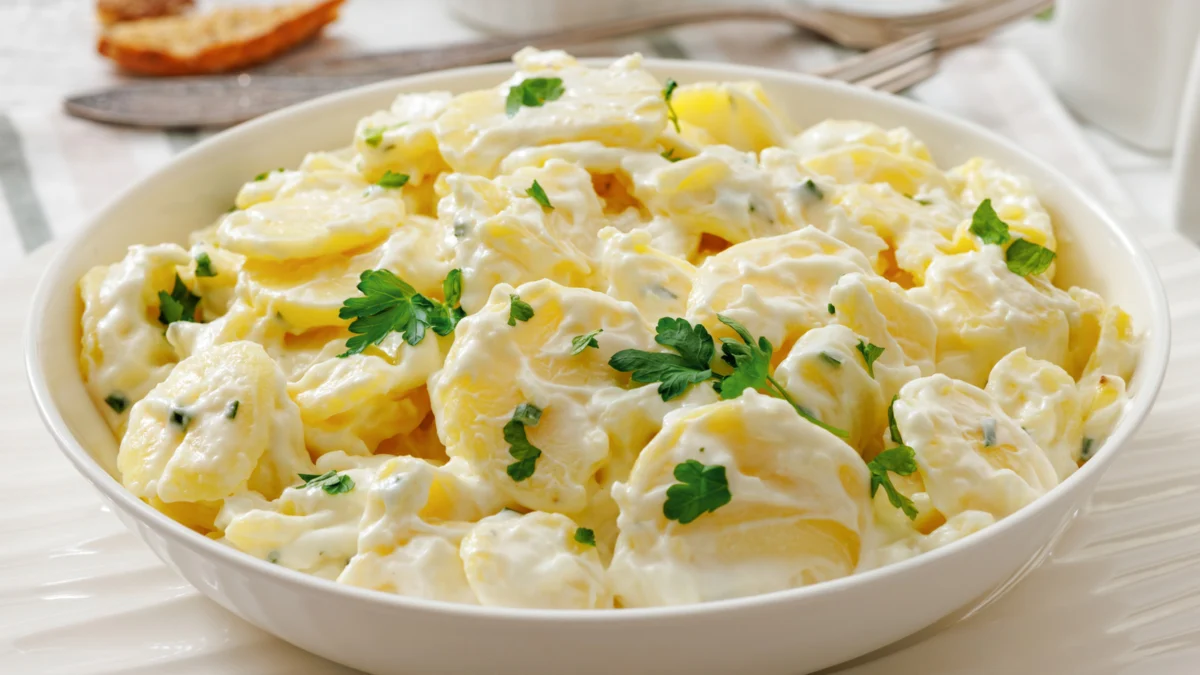
As the summer season approaches, the backyard barbecue circuit inevitably prepares for the arrival of the perennial heavy hitter: the classic American potato salad. While beloved for its comfort and nostalgia, this picnic staple often suffers from a reputation for being overly dense. Cloaked in a thick, monochromatic blanket of heavy mayonnaise, it can sit on the palate—and in the stomach—with a weight that diminishes the joy of a warm-weather meal.
However, a shift in culinary perspective is emerging from the North. By looking toward Scandinavian traditions, home cooks and professional chefs alike are discovering a way to maintain the structural integrity and satisfaction of a potato salad while shedding the heavy, cloying profile of the traditional version. The secret, as it turns out, lies in the elegant, acidic balance of Norwegian-style potato salad.
The Science of the "Weighted Flavor Blanket"
To understand why the Norwegian approach is superior for summer dining, one must first analyze the standard American iteration. Traditional potato salad dressing is essentially an emulsion of oil and egg yolk—mayonnaise—supplemented by fats and occasionally sugar. When served on a hot afternoon, the high fat content creates a "flavor blanket" that coats the tongue, effectively dulling the ability to perceive the subtle, earthy sweetness of the potatoes themselves.
The Norwegian variation, by contrast, operates on the principle of aeration and acidity. By integrating sour cream into the dressing, the viscosity is reduced, and the flavor profile is expanded. The sour cream introduces a lactic acid tang that cuts through the starch, creating a mouthfeel that is velvety and rich rather than heavy and oily. It is a refinement of texture that allows the core ingredients to shine.
A Chronological Evolution of the Scandinavian Staple
Potato salad is not a monolithic dish; it is a global phenomenon with distinct regional identities. In Norway, the dish has long been considered a seasonal masterpiece, tied intimately to the harvest of "new potatoes."
The Rise of the New Potato
Historically, Norwegian culinary culture emphasizes the utilization of local, seasonal harvests. In the early summer months, the arrival of new potatoes—young, thin-skinned tubers with high moisture content—defines the start of the outdoor dining season. Unlike the older, starch-heavy baking potatoes often used in American salads, new potatoes hold their shape after boiling, providing a firm, waxy bite that serves as the perfect canvas for a lighter dressing.
The Shift Toward Sour Cream
The transition from a purely mayonnaise-based dressing to the sour-cream-forward hybrid seen today in Norway reflects a broader Scandinavian trend toward balancing richness with brightness. As global trade brought a wider variety of citrus and spices to the region, the Norwegian palate evolved to appreciate the "twinkling" acidity of lemon juice and the sharpness of fresh aromatics, leading to the sophisticated, multifaceted dressings that define the modern Norwegian potato salad.
Anatomy of the Dish: Supporting Data and Ingredients
Creating a Norwegian-style salad is as much about the assembly as it is about the base. To replicate this dish, one must focus on the delicate balance of fats and acids.
The Dressing Composition
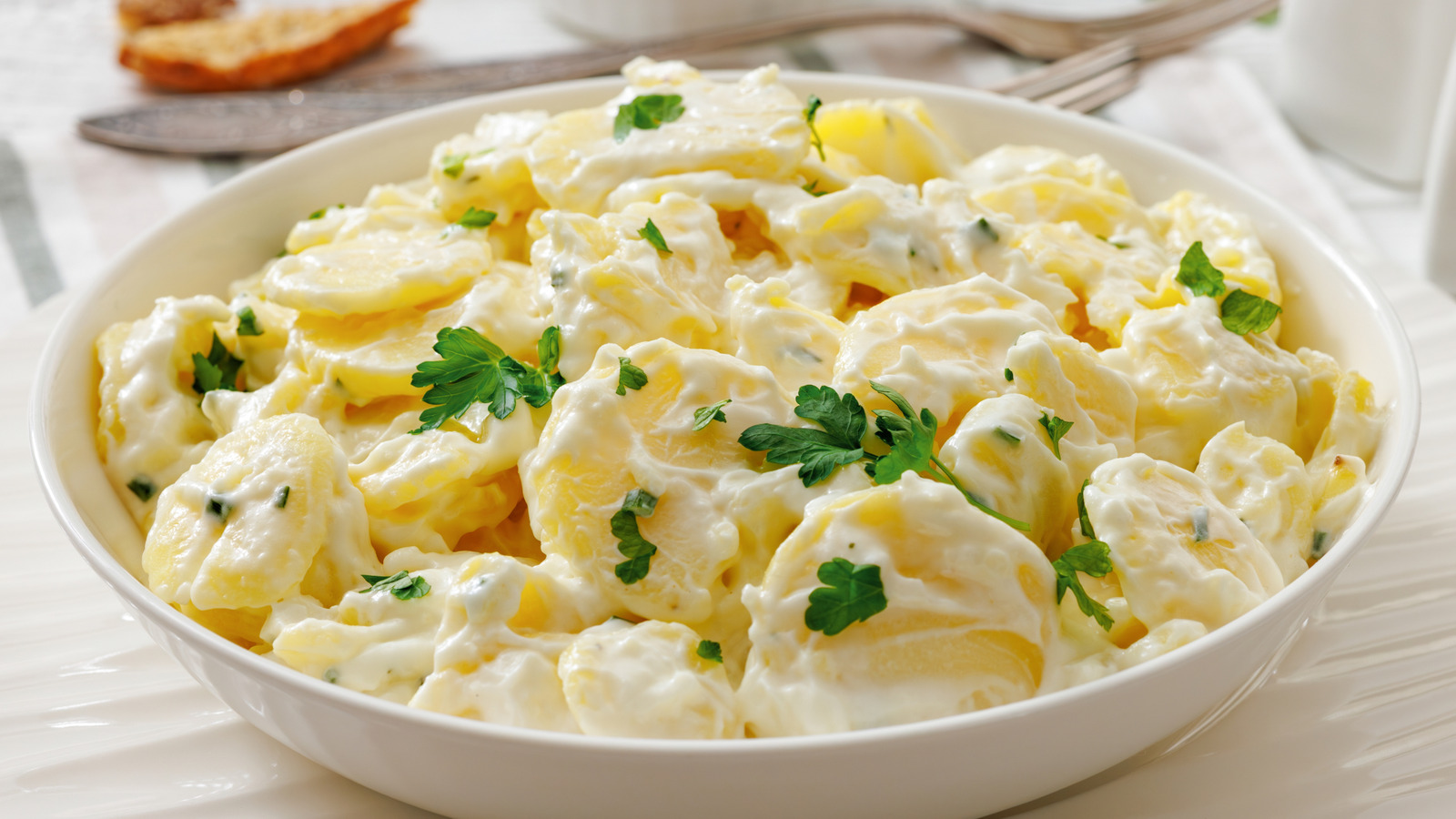
The foundational rule for a Norwegian-style dressing is the "Equal Parts" philosophy. A base of equal parts high-quality mayonnaise and thick, full-fat sour cream provides the ideal ratio of fat to acid.
- The Acid Component: Freshly squeezed lemon juice is the hallmark of the Norwegian style. It provides a sharp, clean top note that lifts the heavy, starchy flavor of the potatoes.
- The Aromatic Layer: Black pepper, ground mustard, and finely diced red onions provide the "savory edge" that keeps the dish from becoming one-dimensional.
- The Secret Liquid: A splash of pickle juice is often used in professional kitchens to bridge the gap between the brine and the cream, adding a complex, vinegary depth that standard recipes lack.
The "New Potato" Advantage
Using new potatoes is not merely a suggestion; it is the cornerstone of the dish’s success. These potatoes possess a natural, delicate sweetness. Furthermore, because their skins are thin, they do not require peeling. Leaving the skins on adds visual appeal, a rustic texture, and a slight earthy contrast to the velvety dressing.
Professional Perspectives and Culinary Improvisations
Culinary experts suggest that while the base is vital, the "jazzing up" of the salad is where personal expression comes into play. The versatility of the Norwegian style allows it to move from a side dish to a main course with minimal effort.
Greek Yogurt vs. Sour Cream
While traditionalists swear by sour cream for its fat content and mild tang, health-conscious home cooks have begun experimenting with high-quality Greek yogurt. This provides an even sharper acidity and a higher protein content, making the salad a more nutritionally balanced component of a summer meal.
The Inclusion of Proteins and Produce
In Scandinavian tradition, a potato salad is rarely just about the potato. To "bulk up" the dish, consider the following additions:
- Smoked Fish: Incorporating smoked salmon or cod is a quintessential Scandinavian move. The salinity of the fish pairs perfectly with the acidity of the dressing.
- Hard-Boiled Eggs: For those looking for a denser, more satisfying protein punch, diced hard-boiled eggs provide a creamy texture that integrates seamlessly with the dressing.
- Apples and Celery: Diced Granny Smith apples provide a crisp, tart crunch that mimics the brightness of the lemon juice, while celery adds a fresh, vegetal note.
Implications for Summer Entertaining
The shift toward a Norwegian-style potato salad has significant implications for how we host and dine during the summer months.
Health and Digestibility
One of the most notable benefits of this style is its digestibility. Because the dressing is lighter, the dish feels more refreshing on a hot day. Guests are less likely to experience the "heavy" post-meal fatigue that often accompanies traditional, mayo-laden picnic foods. This makes it an ideal accompaniment for grilled meats, which are already rich in flavor.
The Aesthetic of the Picnic Table
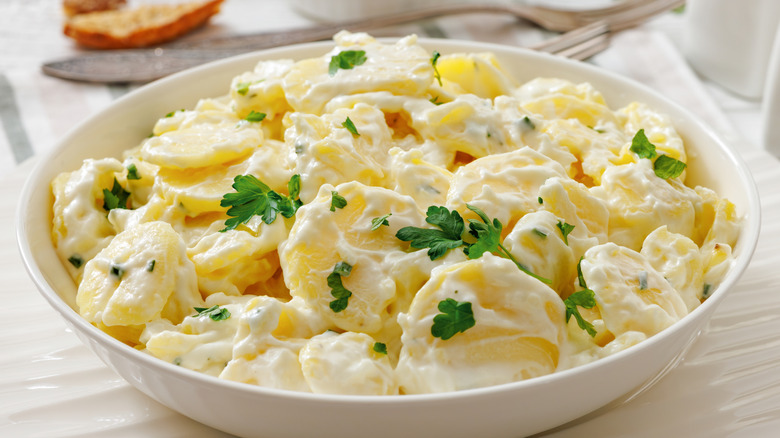
From a presentation standpoint, the Norwegian style offers a cleaner, more refined look. The dressing does not "break" or separate as easily as a pure mayonnaise emulsion when exposed to heat, ensuring that the salad remains visually appealing throughout an afternoon garden party. The addition of fresh herbs—such as dill, which is synonymous with Scandinavian cuisine—adds a vibrant pop of color that signals freshness to the diner.
A Globalized Palate
By adopting this style, the modern cook demonstrates an awareness of global culinary practices that prioritize flavor complexity over simple, heavy satiety. It is an invitation to experiment with the balance of our own pantry staples—mustard powders, vinegars, and fresh citrus—to create a dish that is uniquely ours, yet rooted in a time-honored Nordic tradition.
Conclusion: The Path Forward for Your Menu
As we look toward the summer season, the Norwegian-style potato salad serves as a reminder that comfort food does not have to be heavy. By embracing the acidity of sour cream, the seasonal brilliance of new potatoes, and the inclusion of fresh, crisp add-ins, we can transform a standard picnic side into a vibrant, sophisticated dish.
Whether you are hosting a formal backyard gathering or simply preparing a weeknight dinner, consider swapping the traditional mayo-heavy recipe for this lighter alternative. Your palate—and your guests—will appreciate the zest, the texture, and the refreshing change of pace that this Scandinavian classic brings to the table.