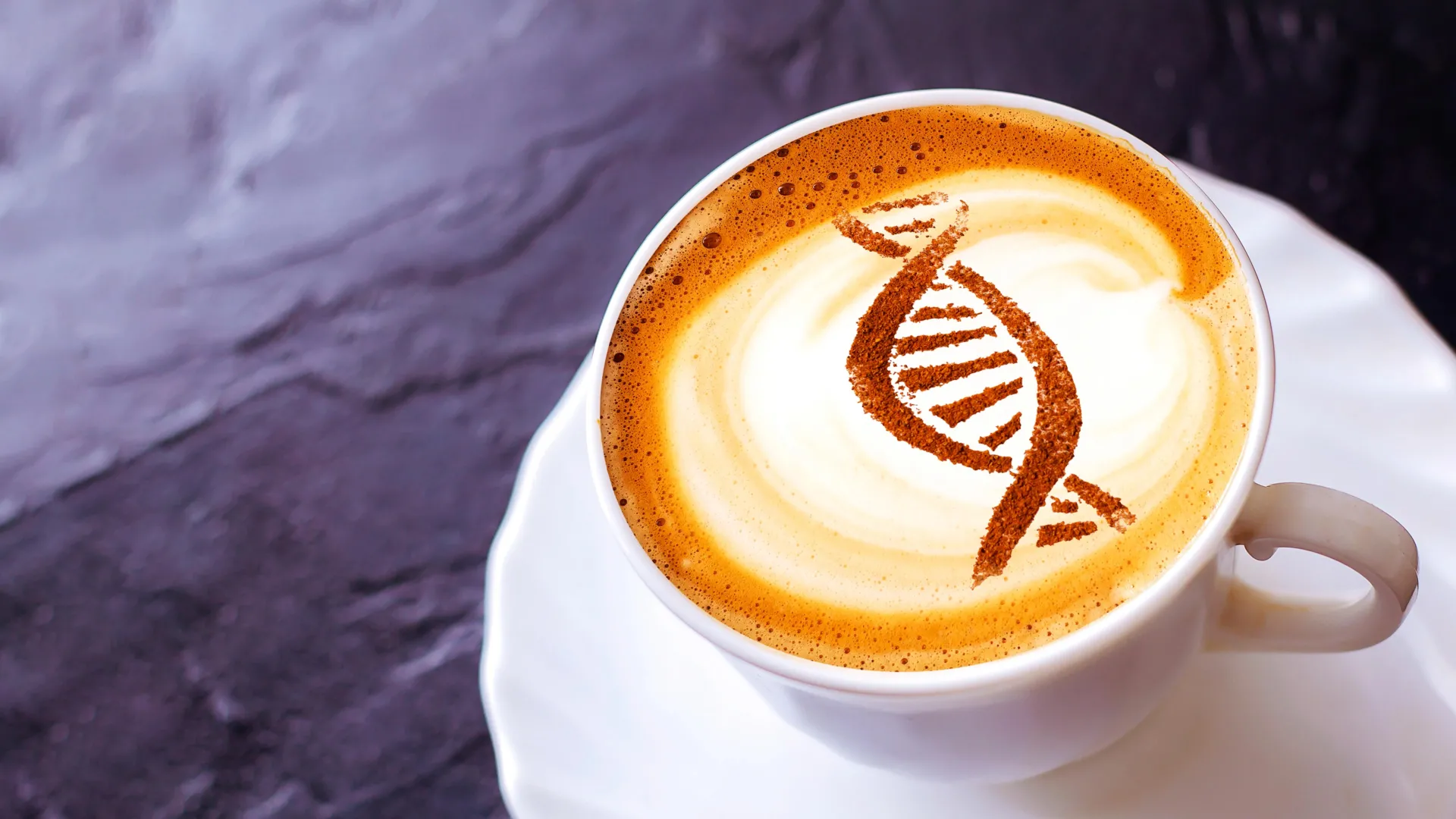
For billions of people across the globe, the day does not truly begin until the first cup of coffee hits the palate. While most associate that familiar warmth with a fleeting spike in alertness and a reprieve from the morning fog, groundbreaking new research suggests that our favorite stimulant may be doing far more than just waking up the brain. A study from the Queen Mary University of London indicates that caffeine may serve as a key that unlocks an ancient cellular defense system, potentially influencing the very mechanisms of aging, DNA repair, and stress resilience.
The Science of the Cellular Switch
The study, conducted by the Cellular Ageing and Senescence laboratory at Queen Mary’s Centre for Molecular Cell Biology and published in the peer-reviewed journal Microbial Cell, pivots away from the traditional view of caffeine as a mere nervous system agitator. Instead, it positions the molecule as a metabolic modulator capable of interacting with conserved biological pathways—systems that have been refined by evolution over hundreds of millions of years.
Caffeine is the most widely consumed neuroactive compound on the planet. Its ability to antagonize adenosine receptors—the reason we feel less tired after a latte—has been the subject of extensive study for decades. However, the mechanism by which it might lower the risk of age-related conditions, such as neurodegenerative diseases and metabolic disorders, has remained an elusive puzzle. By focusing on the cellular level, researchers are beginning to piece together how this "simple" compound might influence the fundamental architecture of human longevity.
A "Mini-Human" Model: The Role of Fission Yeast
To investigate the molecular impact of caffeine, the research team employed Schizosaccharomyces pombe, commonly known as fission yeast. While it may seem a far cry from human biology, fission yeast is a biological powerhouse used in labs worldwide as a "mini-human" model. Because these single-celled organisms share a remarkable number of fundamental biological processes with human cells, they serve as the perfect surrogate for studying the mechanics of life and death at a microscopic scale.
The research team found that caffeine exerts its influence not by acting as a stimulant in the traditional sense, but by interacting with an ancient energy-sensing mechanism. For years, scientists have understood that caffeine can extend the lifespan of cells by influencing the TOR (Target of Rapamycin) pathway. TOR acts as a cellular master switch, dictating when a cell should grow, divide, or conserve energy based on nutrient availability. Because the TOR pathway has been conserved across species for over 500 million years, it serves as a critical regulator of the aging process in almost all complex organisms.
A Surprising Discovery: The AMPK Connection
The most significant twist in the recent study was the discovery that caffeine’s influence is more nuanced than previously believed. While earlier models suggested caffeine interacted directly with the TOR pathway, the new findings point to a different, perhaps more fundamental, mediator: AMPK (AMP-activated protein kinase).
AMPK is effectively the "fuel gauge" of the cell. When cellular energy levels dip, AMPK activates to restore balance, slowing down energy-consuming processes and stimulating energy-producing ones. It is a vital defense mechanism against the metabolic stresses that contribute to aging. Dr. Charalampos (Babis) Rallis, Reader in Genetics, Genomics and Fundamental Cell Biology at Queen Mary and the study’s senior author, explains the mechanism: "When your cells are low on energy, AMPK kicks in to help them cope. Our results show that caffeine helps flip that switch."
By triggering AMPK, caffeine encourages the cell to prioritize maintenance and repair over rapid, unchecked growth. This shift is critical because, over time, the accumulation of genetic damage is the primary driver of biological decline. By upregulating the systems responsible for DNA repair and stress resistance, caffeine may help cells remain functional for longer, potentially delaying the onset of age-related cellular failure.
The Metformin Parallel: Bridging Pharmacology and Longevity
The discovery of the caffeine-AMPK link places caffeine in an intriguing category of compounds that interest longevity researchers. One of the most famous examples in this field is metformin, a front-line medication for Type 2 diabetes. Metformin has garnered significant attention in the scientific community for its potential anti-aging effects, largely because of its documented ability to activate AMPK.
The fact that caffeine shares this fundamental mechanism with a drug being studied for its life-extending properties adds a new layer of credibility to the health benefits associated with moderate coffee consumption. Researchers are now looking at whether other compounds—or even lifestyle interventions like intermittent fasting—operate through this same, ancient evolutionary "repair" pathway. The parallel between the morning coffee ritual and the clinical use of metformin suggests that the cellular benefits of caffeine may be far more than a correlation; they may be a direct result of activating pathways that are essential for survival.
Implications for Future Research and Medicine
The study, led by postdoctoral researcher Dr. John-Patrick Alao, does not suggest that drinking a pot of coffee is a panacea for aging. The researchers are careful to note that while the mechanisms in fission yeast are highly conserved, moving from a single-celled organism to a complex human system involves layers of biological complexity that are not yet fully understood.
However, the implications are profound. If caffeine can stimulate these pathways, it opens the door to a new era of "longevity medicine." Researchers are now looking toward identifying how we might trigger these cellular defense systems more effectively. This could involve the development of new therapeutics, or perhaps specific dietary modifications that work in tandem with our daily habits to keep our cells in a state of high repair.
"These findings help explain why caffeine might be beneficial for health and longevity," Dr. Alao noted. "They open up exciting possibilities for future research into how we might trigger these effects more directly—with diet, lifestyle, or new medicines."
The Chronology of Discovery
- Pre-2010s: Caffeine is primarily understood as a CNS stimulant; epidemiological studies begin to suggest links between coffee consumption and lower mortality rates.
- 2015-2018: Research groups, including those at Queen Mary, establish the connection between caffeine and the TOR growth-regulating pathway in yeast.
- 2020-2023: Laboratory investigations refine the understanding of how caffeine affects metabolic pathways, leading to the identification of AMPK as a primary target.
- 2024: The study published in Microbial Cell confirms the AMPK-caffeine connection, bridging the gap between metabolic sensing and DNA repair in yeast models.
Evaluating the Impact
The significance of this research lies in its potential to change the conversation around "healthy aging." For decades, the focus has been on mitigating the symptoms of aging—treating heart disease, diabetes, or cognitive decline as separate, inevitable outcomes. The focus on AMPK and conserved cellular pathways shifts the perspective toward "proactive" cellular maintenance.
If we can understand how to tap into these ancient systems, the goal of medicine might shift from "treating the sick" to "maintaining the system." In this context, the morning cup of coffee is no longer just a way to handle a Monday morning; it is a small, daily intervention in the biological processes that define the lifespan.
Conclusion: A Toast to the Future
While we wait for further studies to translate these yeast-based findings into human clinical trials, the research serves as a fascinating reminder of our evolutionary history. We are, at our core, ancient organisms that have spent millions of years perfecting the art of survival. The pathways that allow us to endure stress, repair damaged DNA, and manage our limited energy are the same ones that helped our ancestors survive in vastly different environments.
That caffeine—a molecule that evolved in plants as a chemical defense mechanism—should interact so elegantly with the energy-sensing systems of humans is a testament to the interconnected nature of life on Earth. As science continues to peer deeper into the microscopic dance of molecules within our cells, it is becoming increasingly clear that the secrets to longevity may have been sitting in our mugs all along.
For now, the advice remains the same: enjoy your coffee, but recognize that the "kick" you feel is only the surface of a much deeper, more complex biological process. Whether it is the key to a longer, healthier life remains a question for the next generation of research, but the evidence is mounting that our morning ritual is more than just a habit—it is a conversation with our own ancient, cellular past.