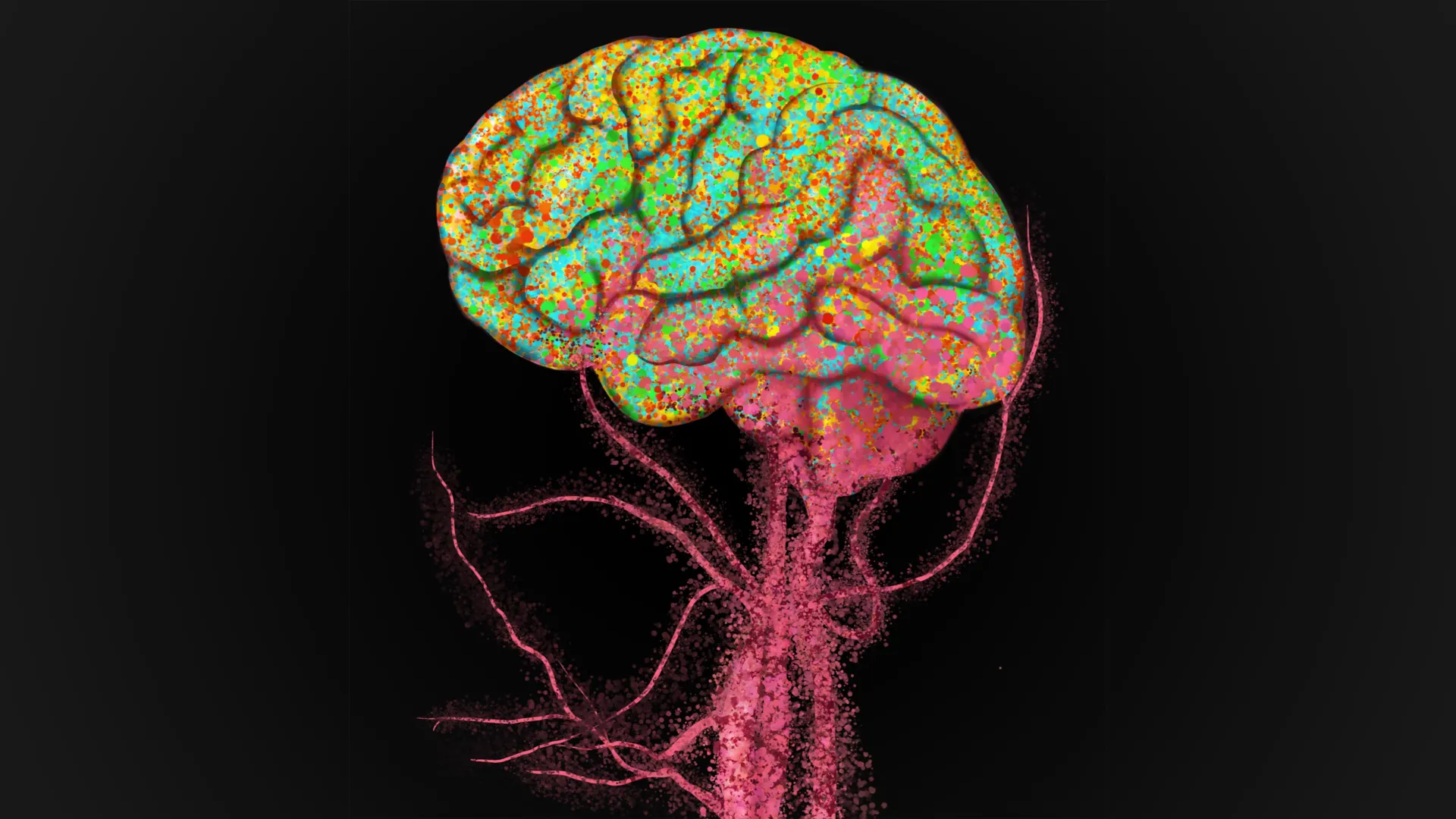
For decades, the field of neuroscience has operated under a foundational assumption: the brain is a sanctuary, a "closed system" shielded from the rest of the body by the formidable blood-brain barrier. This anatomical wall was long thought to exclude the chaotic, ever-changing population of immune cells that patrol the human bloodstream. According to this dogma, the brain’s specialized immune sentinels—the microglia—were established during embryonic development and remained a self-sustaining, isolated population for the entirety of a person’s life.
A groundbreaking study recently published in the journal Nature has dismantled this long-standing paradigm. Researchers at Stanford Medicine have discovered that, contrary to traditional belief, large numbers of immune cells from the peripheral body routinely migrate into the human brain as we age. This discovery, supported in part by the Knight Initiative for Brain Resilience at the Wu Tsai Neurosciences Institute, does more than just rewrite textbooks; it opens a new frontier in the treatment of neurodegenerative diseases like Alzheimer’s.
The Main Facts: A Paradigm Shift in Neuro-Immunology
The core finding of the Stanford study is that the human brain is not the static, isolated environment researchers once imagined. Instead, it acts as a dynamic repository for immune cells that originate in the bone marrow and travel through the bloodstream.
"We usually think of the brain as a closed system," says Julia Belk, a postdoctoral scholar in pathology at Stanford Medicine and the study’s first author. "What we found is that actually a lot of immune cells enter the human brain during aging."
This discovery challenges the exclusivity of microglia. Previously, it was believed that these cells were essentially "locked in" from birth. The research demonstrates that, as humans grow older, peripheral immune cells infiltrate the brain, adopt the characteristics of microglia, and integrate into the brain’s existing immune infrastructure. This process appears to be a natural feature of human aging, a phenomenon that has largely eluded detection in previous studies involving mice or non-human primates.
Chronology: From Computer Science to Cellular Ancestry
The path to this discovery was far from conventional, defined by interdisciplinary collaboration and a series of "aha!" moments that bridged the gap between computational biology and clinical medicine.
The Interdisciplinary Foundation
Julia Belk’s journey into this research began not in a traditional laboratory, but in the Department of Computer Science at Stanford. Her early training through Sarafan ChEM-H’s Chemistry/Biology Interface Predoctoral Training Program provided her with a unique toolkit, allowing her to synthesize large-scale data with biological questions. This interdisciplinary approach was the catalyst for her collaboration with Dr. Siddhartha Jaiswal, an associate professor of pathology at Stanford Medicine.
The Alzheimer’s Connection
The team’s interest in the blood-brain link was piqued by earlier research into clonal hematopoiesis of indeterminate potential (CHIP)—a condition where mutated blood stem cells produce clones of immune cells. The team observed that individuals carrying certain CHIP-related mutations were significantly less likely to develop Alzheimer’s disease. This raised a radical question: were these mutated immune cells interacting with the brain to offer protection?
The "Genetic Ancestry" Breakthrough
The primary hurdle for the researchers was technical: how do you distinguish a brain-resident microglial cell from an immigrant immune cell that has recently moved in?
Drawing on techniques developed in 2023, the team utilized a "genetic ancestry" method. Because blood stem cells accumulate random mutations throughout a person’s life, their descendant immune cells carry a "barcode" of mutations. By comparing DNA from peripheral blood with DNA extracted from post-mortem brain tissue—facilitated by the Stanford Rapid Autopsy Center and the University of Washington’s Alzheimer’s Disease Sequencing Project—the team could trace the "family trees" of these cells.
If the mutations in a brain cell matched the mutations found in the blood, the conclusion was inescapable: the brain cell was a descendant of a peripheral blood cell. The researchers confirmed that these cells were not just passing through; they were settling down and transforming into functional microglia.
Supporting Data: Evidence of a Human-Specific Phenomenon
The data gathered by the research team is compelling because of its specificity. By utilizing samples from both patients with Alzheimer’s and those without, the researchers were able to establish that the migration of blood cells into the brain occurs as early as middle age.
The most striking aspect of the data is the species-specific nature of this discovery. While scientists have used mice as a proxy for human brain research for decades, this particular mechanism—the routine replenishment of microglia by blood-derived cells—does not appear to occur in mice. This highlights a critical limitation in previous neurodegenerative research: we have been looking at a "human-only" biological event through the lens of animal models that simply do not exhibit the same behavior.
The study’s reliance on the Stanford Rapid Autopsy Center was instrumental. By examining both blood and brain tissue from the same donors, the researchers were able to prove, with high confidence, that the immune cells found within the brain tissue were, in fact, "immigrants" from the circulatory system.
Official Responses and Expert Perspective
The implications of this study have rippled through the global scientific community. Dr. Siddhartha Jaiswal, a senior author of the study and a member of the Institute for Stem Cell Biology and Regenerative Medicine, notes that this discovery effectively ends the debate over whether the brain is truly isolated.
"Unlike most immune cells, which are continuously replenished by blood stem cells from the bone marrow, immune cells in the brain were presumed to renew themselves throughout the lifespan without contribution from outside the brain," Jaiswal stated. "Our first study showed that this might not always be the case."
The Knight Initiative for Brain Resilience, which provided funding for the study, has lauded the work as a masterclass in rethinking established dogmas. Howard Chang, the Virginia and D. K. Ludwig Professor of Cancer Research and co-senior author, emphasized that this work changes the trajectory of how we study brain resilience. By shifting the focus from the brain as an isolated island to the brain as a partner in the body’s systemic health, researchers are now looking at the bone marrow and blood as potential "control centers" for brain health.
Implications: A New Era for Immunotherapy
The most exciting aspect of this research is the potential for new clinical applications. If peripheral immune cells can be engineered to enter the brain, they could serve as the "Trojan Horse" for treating neurodegenerative diseases.
Targeted Therapeutic Engineering
Currently, the greatest challenge in treating conditions like Alzheimer’s is delivering medicine across the blood-brain barrier. The fact that the body already has a mechanism for sending immune cells into the brain provides a natural workaround.
"Now that we know that these immune cells actually can get into the brain, we can think about all kinds of new engineering strategies to have those peripheral immune cells do useful things," says Belk.
Proposed strategies include:
- Engineered Immune Cells: Scientists could potentially harvest blood stem cells, genetically modify them to target amyloid and tau aggregates—the hallmarks of Alzheimer’s—and reintroduce them into the patient. These cells would then migrate to the brain, assume the role of microglia, and systematically clear the harmful proteins.
- Preventative Medicine: Because this cellular migration occurs during aging, there is a window of opportunity to intervene before neurodegenerative symptoms manifest. Preventive therapy could be administered to "train" the peripheral immune system to be more resilient.
- Systemic Health Awareness: This research suggests that the "life history" of a person’s blood stem cells directly impacts their brain health. Maintaining the health of the bone marrow could, therefore, be a viable strategy for long-term cognitive preservation.
A Uniquely Human Story
For Julia Belk, the significance of the study is personal as well as scientific. The fact that this is a "uniquely human" feature of aging reminds us that our brain’s resilience is tied to our body’s history. It opens a door to understanding why some individuals remain sharp into their 90s while others suffer from rapid cognitive decline: it may depend on the genetic health and the behavior of the immune cells migrating from our blood into our brains.
As the scientific community begins to digest these findings, the next phase of research will likely focus on how to harness this natural migration. The brain, it seems, has been hosting guests from the bloodstream all along; we are only just now learning how to communicate with them.