The 2026 college football season is officially in the throes of the September chaos that fans crave and poll voters dread. Week 3 served as a masterclass in volatility, featuring marquee showdowns that swung on single possessions and underdog surges that have left the AP Top 25 landscape in a state of flux. As the dust settles on Saturday’s action, the upcoming poll promises to be a reflection of a sport undergoing a fundamental recalibration.
While the elite tier—the top six programs—managed to navigate the weekend without suffering blemishes on their records, the ripples of the week’s upsets will be felt deeply across the middle and lower rungs of the rankings. From Lane Kiffin’s Ole Miss Rebels securing a statement win to the dramatic collapse of previously ranked stalwarts like Texas A&M, the national narrative is shifting.
The State of the Poll: Key Findings and Statistical Trends
The primary takeaway from this week’s results is that while the throne remains occupied, the challengers are becoming increasingly difficult to ignore. Texas remains the consensus No. 1, though their offensive rhythm against lower-tier competition has left some voters questioning their dominance. Georgia, meanwhile, continues to operate with clinical efficiency, maintaining a streak of 51 consecutive victories against unranked opponents—a testament to the sustained culture under Kirby Smart.
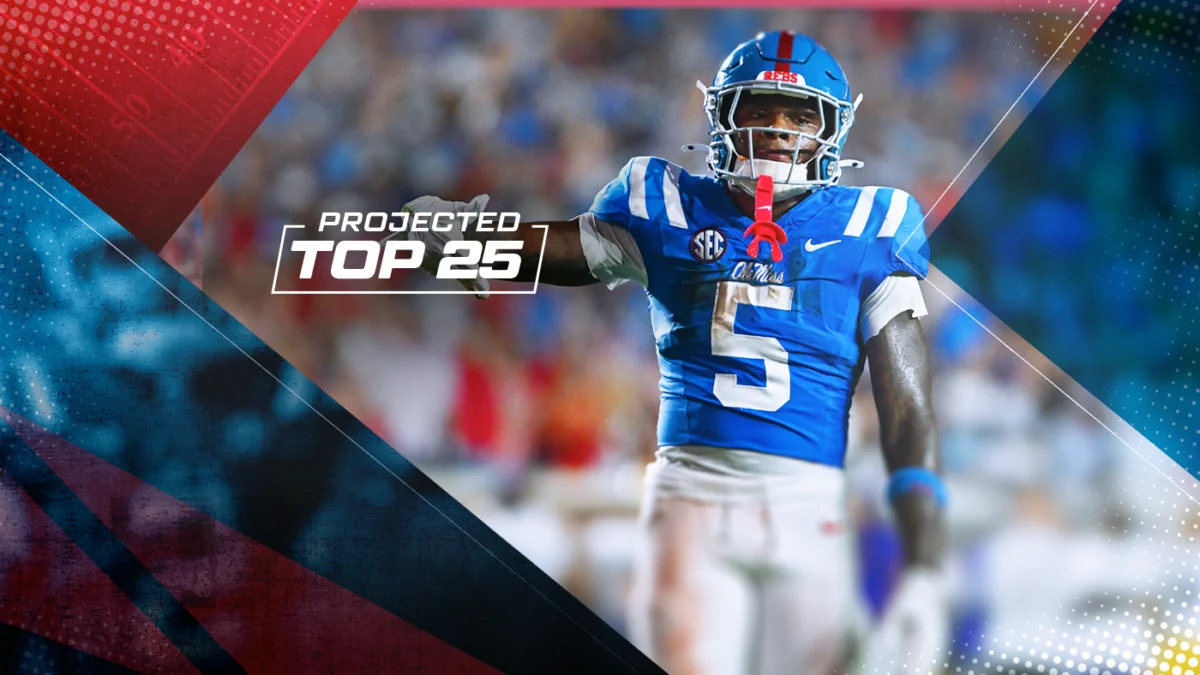
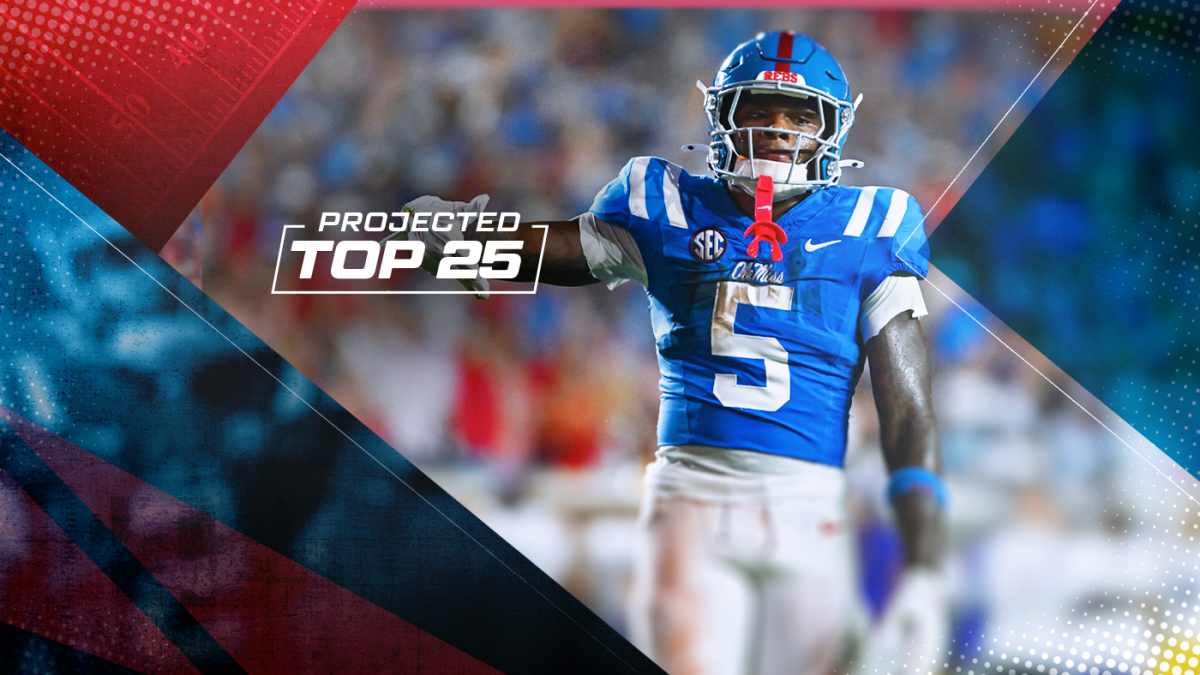
However, the headline of the week is the meteoric rise of the Ole Miss Rebels. Following an instant classic victory in Oxford, the Rebels have forced themselves into the conversation for the top three. The statistical profile of the top 25 is currently defined by a widening gap between the “Tier 1” title contenders and the “Tier 2” programs that are currently proving inconsistent under the pressures of power-conference play.
Chronology of a Chaotic Saturday
The weekend began with high expectations and quickly descended into a series of high-stakes drama:
- Friday Night Fireworks: Miami’s Darian Mensah set the tone for the weekend, delivering a masterclass in efficiency with 24 consecutive completions, reminding voters why the Hurricanes belong in the top five.
- Saturday Morning Slump: Indiana, despite their eventual win over Western Kentucky, provided a moment of panic for the pollsters, lingering in a 0-0 tie deep into the first quarter before finding their footing.
- The Afternoon Upset Wave: The most significant shift occurred as Texas A&M fell to an unranked Kentucky side, a result that effectively ends the Aggies’ tenure in the top 10. Simultaneously, SMU’s road loss to Louisville signaled a rough day for teams trying to maintain their momentum.
- Saturday Night Statements: The evening concluded with Florida’s explosive 44-39 win at Auburn, a result that looks set to propel the Gators into the Top 25 for the first time this season, and the thrilling conclusion of the Ole Miss vs. Texas A&M drama.
The Projected AP Top 25: A Detailed Breakdown
Based on current voting trends and the performance data from Week 3, here is the projected hierarchy for the upcoming poll:
- Texas: Despite a lack of offensive explosiveness, the Longhorns hold steady at No. 1.
- Georgia: The Bulldogs remain the most disciplined team in the country, easily dismissing Arkansas.
- Notre Dame: A defensive clinic against Michigan State cements their position in the top three.
- Ole Miss: The Rebels are the biggest movers, climbing to No. 4 after a signature win.
- Indiana: Despite a sluggish start against WKU, the Hoosiers retain a top-five spot.
- Miami: Darian Mensah’s accuracy is a highlight, though the team may slip slightly to make room for Ole Miss.
- Ohio State: A 56-point blowout of Kent State does nothing to change their status, but they are trapped by the success of those above them.
- Alabama: An upset scare against Florida State dampened their potential to climb, but the 50-point output keeps them in the top 10.
- BYU: Consistent, double-digit wins are finally forcing the Cougars into the top 10.
- Texas Tech: A resilient 28-26 victory over Houston proves they are a force in the Big 12.
- LSU: The Tigers fall out of the top 10 following a narrow loss, but voters remain high on their long-term potential.
- USC: A closer-than-expected win against Rutgers will likely see them stagnate.
- Penn State: The Nittany Lions remain a steady, if quiet, presence after dismantling Buffalo.
- Tennessee: A cruise-control victory against Kennesaw State keeps them in the middle tier.
- Utah: The Morgan Scalley era is off to a dominant start, with a 33-point shutout of Utah State.
- Louisville: The Cardinals gain a quality win over SMU, helping offset their previous loss.
- Iowa: A 55-0 shutout of Northern Iowa is impressive but doesn’t move the needle significantly.
- Michigan: A disjointed start against UTEP keeps the Wolverines in the bottom half of the rankings.
- Florida: The Gators enter the rankings at No. 19 following a massive road win at Auburn.
- Missouri: A closer-than-expected win over Troy keeps them tethered to their current spot.
- Oregon: Despite an 84-0 scoreline, the quality of the opponent renders the result negligible.
- West Virginia: Rich Rodriguez’s squad enters the rankings after toppling a ranked Virginia team.
- Mississippi State: A 3-0 start and a key win over South Carolina mark their return to the Top 25.
- Oklahoma: The Sooners barely survived New Mexico, leading to a slide in confidence but a hold on the bottom of the list.
- Virginia Tech: A win over Maryland secures the Hokies’ first ranked appearance since 2021.
Official Responses and Tactical Implications
The fallout from these results has triggered immediate changes in locker room philosophies. For teams like Texas A&M and SMU, the focus now shifts toward damage control. "You can’t afford to look past any opponent in this conference," said a source close to the Aggies program. Conversely, the mood in Oxford is one of validation. Ole Miss head coach Lane Kiffin, after the win, emphasized that his team is "just getting started," signaling that the Rebels view their current ranking as merely a floor, not a ceiling.
For the programs that struggled—namely Oklahoma and USC—the implications are tactical. Defensive coordinators are under mounting pressure to simplify schemes and stop the “letdown” performances that have allowed unranked opponents to keep games within a single possession.
The Road Ahead: What This Means for the CFP
The broader implication of this weekend is the growing realization that the 2026 College Football Playoff field is far from settled. The volatility in the 15-25 range of the poll suggests that the "bubble" teams will be fighting for their lives for the remainder of the season.
Furthermore, the strength of the SEC and the emergence of the Big 12 as a gauntlet of resilient teams (led by Texas Tech and Utah) means that the committee will have a difficult time distinguishing between teams with similar records come November. As we look toward Week 4, the primary question is no longer about who is in the top 25, but rather, who among these ranked teams has the depth to survive the inevitable grind of conference play. With five ranked teams falling out or suffering major setbacks, the message to the remaining 20 is clear: in 2026, the rankings are a privilege, not a right.