In the high-stakes world of Naoya Matsumoto’s Kaiju No. 8, strength is rarely a static metric. Within the harrowing reality of a Japan besieged by monstrous entities, the line between humanity and annihilation is drawn by the Japanese Anti-Kaiju Defense Force. As the series progresses, the power ceiling continues to shift, defined not just by raw physical output, but by evolution, emotional resonance, and the grim reality of parasitic survival.
For those following the manga and anime, understanding the hierarchy of power requires looking beyond the numerical "fortitude levels" assigned to kaiju. While these numbers provide a baseline for the Defense Force to categorize threats—ranging from the standard yoju to the catastrophic daikaiju—the true measure of a character lies in their ability to adapt to an ever-evolving battlefield.
The Metrics of Destruction: How Power is Defined
To understand the power scaling in Kaiju No. 8, one must first understand the symbiotic relationship between the Defense Force’s technology and the monsters they hunt. Members of the Defense Force wear combat suits reinforced with the biological remains of defeated kaiju. This gear amplifies the wearer’s natural physical abilities, but its efficacy is tied directly to the user’s synchronization rate.
Conversely, the kaiju themselves operate on a scale of "fortitude," a quantification of the destructive energy their bodies generate. However, as the series has demonstrated, a high fortitude level is not always a guarantee of victory. Strategic intelligence, the ability to regenerate, and the possession of unique biological abilities—such as precognition or energy manipulation—often dictate the outcome of a skirmish.
Chronology of Escalation: From Kafka’s Awakening to the Meireki Era
The narrative arc of Kaiju No. 8 follows a clear trajectory of escalating threats. It begins with the relatively grounded, if brutal, struggle of Kafka Hibino, a cleanup worker turned humanoid kaiju. As Kafka attempts to hide his true nature, the Defense Force undergoes its own evolution, deploying increasingly advanced technology to combat the rise of intelligent, coordinated kaiju.
The turning point occurs with the emergence of Kaiju No. 9, an entity that displayed not just raw power, but a terrifyingly human-like capacity for planning and evolution. This culminated in the release of the Daikaiju of the Meireki Era—a historical threat resurrected, forcing every major combatant in the series to push past their physical limits.
The Top Five: Ranking the Strongest Combatants
5. Gen Narumi: The Apex of Human Skill
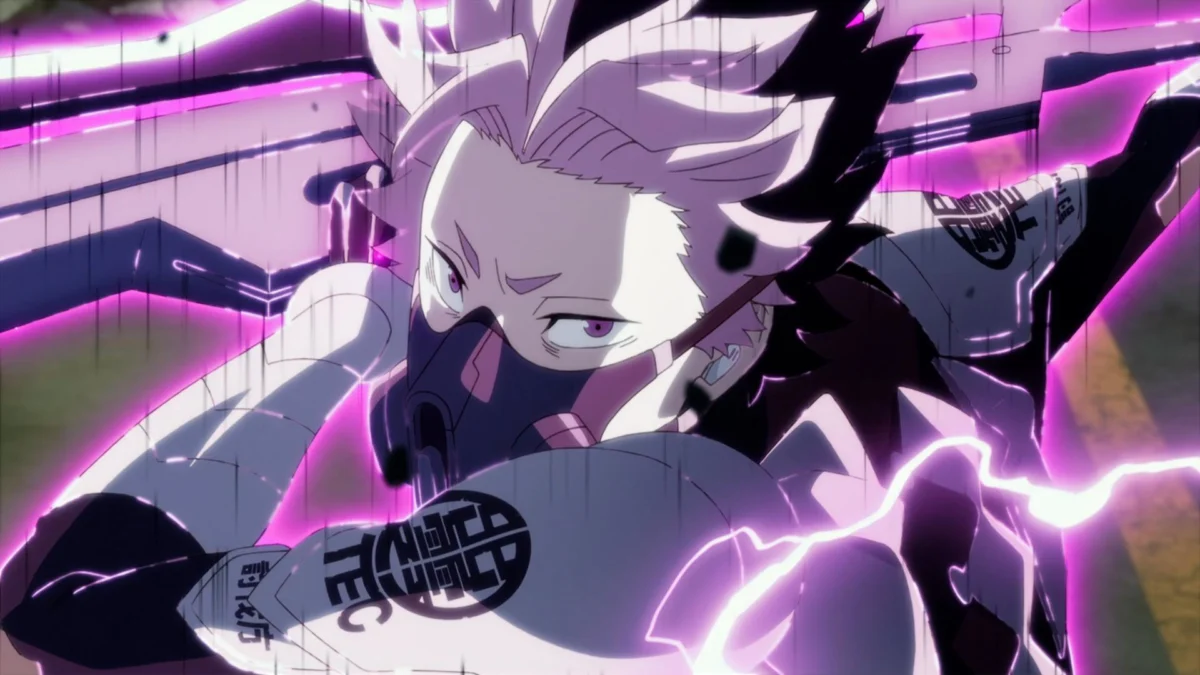
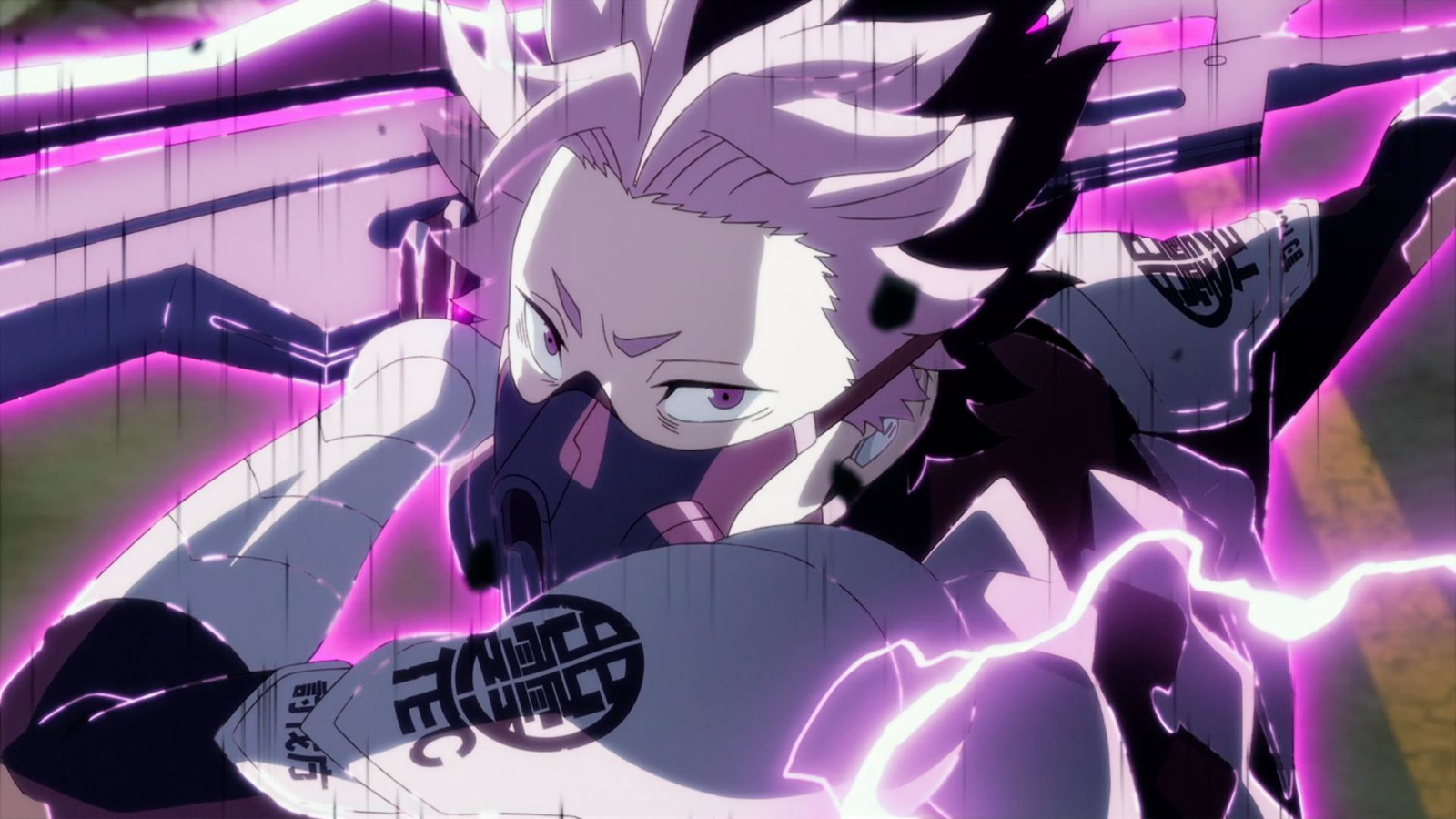
As the Captain of the First Division, Gen Narumi is widely considered "Japan’s Strongest Anti-Kaiju Combatant." Narumi’s strength is a fusion of elite martial arts mastery and the utilization of Numbers Weapon 1, which incorporates the retinal tissue of Kaiju No. 1.
This weapon grants Narumi the terrifying ability of "pseudo-foresight." He doesn’t just see his opponents; he perceives the electrical signals, muscle twitches, and environmental shifts that precede an attack. By processing this data in real-time, he can bypass defenses that would be impenetrable to others. Despite his eccentric personality, his ability to dominate opponents like the Beta duplicate of Kaiju No. 9 cements his status as a pillar of human defense.

4. Isao Shinomiya: The Legacy of a Commander
Though his life was cut short in a pivotal confrontation, the former Director General of the Defense Force, Isao Shinomiya, remains an essential benchmark for power. Shinomiya’s combat style was a masterclass in efficiency, utilizing the "Squadron Style Combat Technique" to bridge the gap between human agility and monster-grade durability.
Equipped with the Numbers Weapon 2—derived from the legendary Kaiju No. 2—Shinomiya possessed the ability to project sonic blasts and maintain powerful energy shields. His death at the hands of Kaiju No. 9 was a turning point for the series, serving as a catalyst for the growth of younger characters like his daughter, Kikoru, and establishing the true threat level of the series’ primary antagonists.
3. Kaiju No. 9: The Architect of Evolution
Kaiju No. 9 represents the pinnacle of strategic malice. Unlike other monsters that rely solely on instinct, No. 9 operates with a cold, analytical mind. Its ability to absorb other powerful entities—most notably its absorption of Kaiju No. 2 through Isao Shinomiya—allowed it to bypass the traditional fortitude limits.
No. 9’s strength is not just in its physical fortitude but in its adaptability. It can regenerate from near-total destruction and utilize the abilities of its absorbed victims, making it a "living" repository of combat data. It forced the Defense Force to operate on a level of coordination never before seen, ultimately requiring a combined offensive from the series’ strongest human and kaiju-hybrid assets to neutralize.
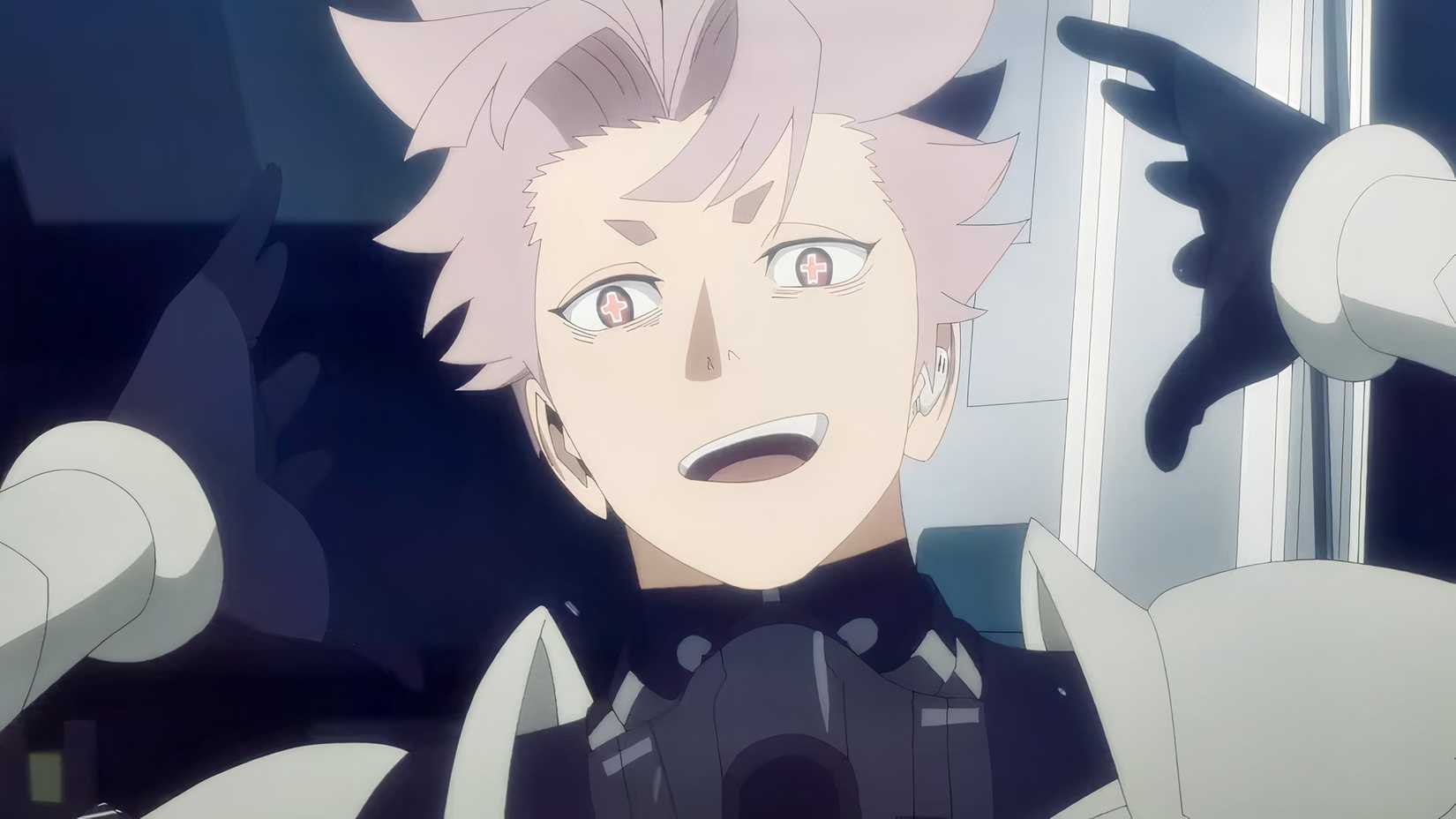
2. Kaiju No. 8 (Kafka Hibino): The Humanoid Catalyst
Kafka Hibino stands as the emotional and physical heart of the series. As the host to the sentient parasite known as Kaiju No. 8, Kafka possesses a fortitude level of 9.8, placing him among the most dangerous entities to ever emerge. His power is a double-edged sword; as he uses his kaiju form to protect humanity, he risks losing his own.
The true strength of Kafka lies in his unique perspective. Because he spent years cleaning up kaiju carcasses, he understands their anatomy better than any scientist or soldier. This allows him to strike at vital points that others miss. His evolution throughout the series—culminating in the final battles where he had to sacrifice parts of his humanity to manifest his full potential—showcases that his power is ultimately tethered to his resolve to keep his childhood promise.
1. The Daikaiju of the Meireki Era: The Immeasurable Threat
The top spot in the power hierarchy is held by the Daikaiju of the Meireki Era. When the core of Kaiju No. 9 was shattered, it did not lead to peace, but to the release of a horror from the year 1657. Deemed an "immeasurable" threat by the Defense Force, this ancient kaiju is the definitive apex predator of the series.
What makes this entity so formidable is its complete nullification of existing combat tactics. It was able to deflect attacks from both Narumi and Soshiro Hoshina with ease and, most impressively, could counter Narumi’s precognition. By absorbing the remnants of Kaiju No. 9, it gained a massive arsenal of abilities, including long-range explosive runes. It forced the entire Defense Force to engage in a war of attrition that nearly pushed humanity to the brink of extinction.
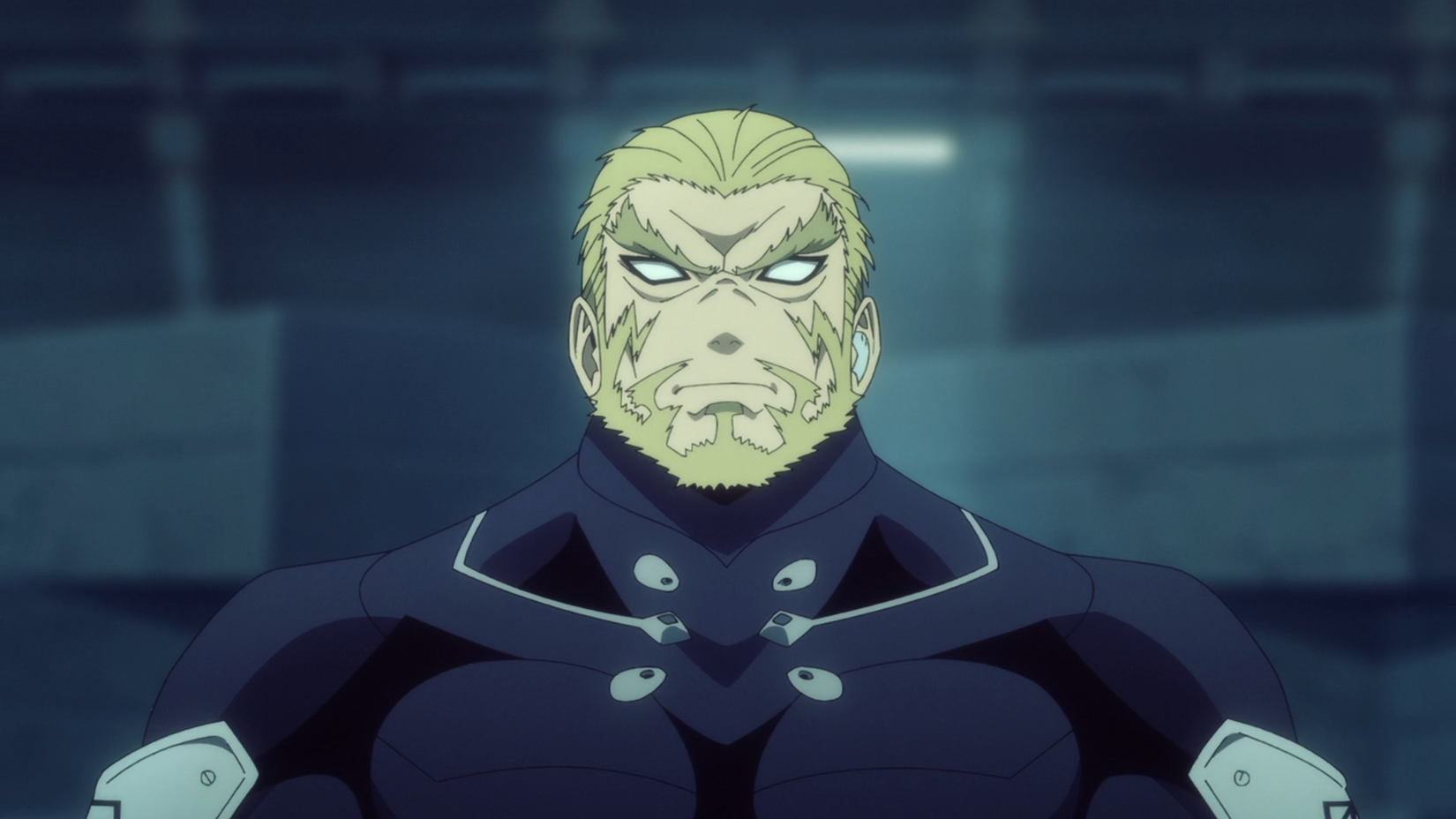
Official Responses and Tactical Implications
The Defense Force’s internal reports regarding these entities highlight the transition from "containment" to "total war." Following the events of the Meireki Era battle, military doctrine has shifted significantly. The reliance on individual "Numbers Weapons" is now balanced with the need for multi-squad synchronization.
Official statements from the Defense Force leadership emphasize that the victory against the Meireki Daikaiju was not a triumph of technology, but of human spirit. The sacrifice made by individuals like Kafka Hibino and the tactical brilliance displayed by the division captains have led to a new era of training protocols, focused on exploiting the very adaptability that the kaiju themselves possess.
Implications for the Future
The aftermath of the battle against the Meireki-era threat has left the world of Kaiju No. 8 irrevocably changed. While the immediate threat has been neutralized, the implications for the future of humanity are profound. The lines between biological monster and human protector are thinner than ever.
The series serves as a grim reminder that as long as kaiju continue to evolve, the tools used to combat them must also evolve. The characters we once viewed as "the strongest" are now the foundation upon which a new, more resilient generation of defenders is being built. In the world of Naoya Matsumoto, power is not a destination, but a constant, grueling process of evolution. Whether it is Kafka mastering his transformation or the Defense Force refining their equipment, the message remains clear: the survival of humanity depends on the courage to face the unknown, no matter how high the fortitude level.