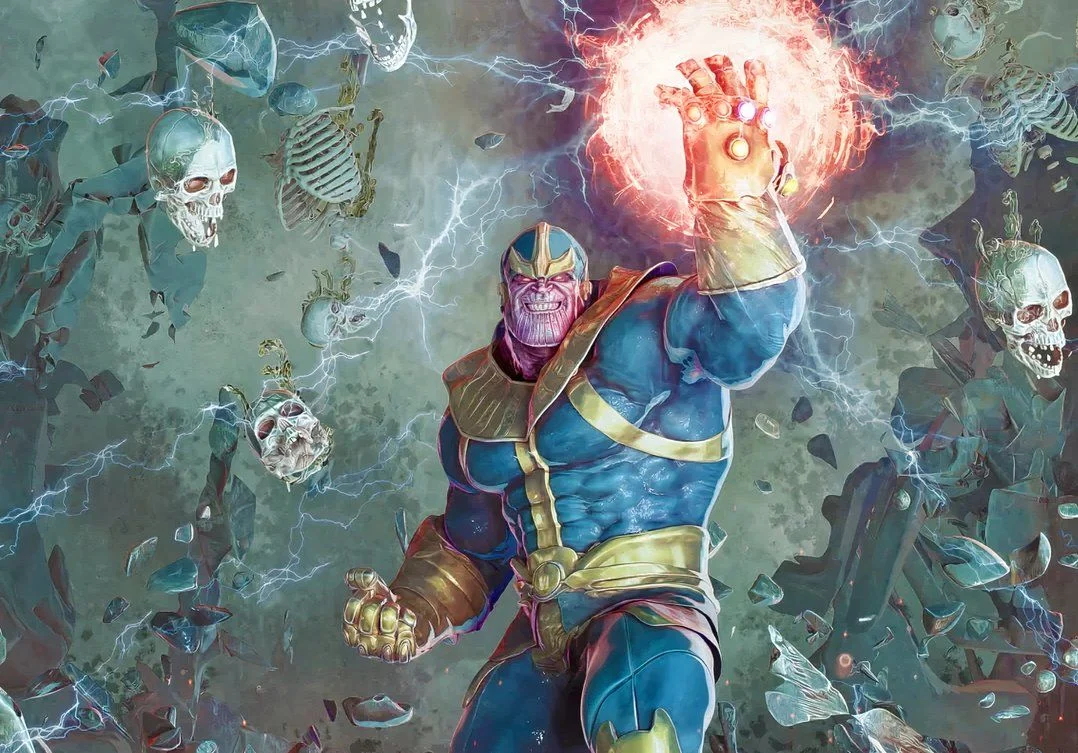
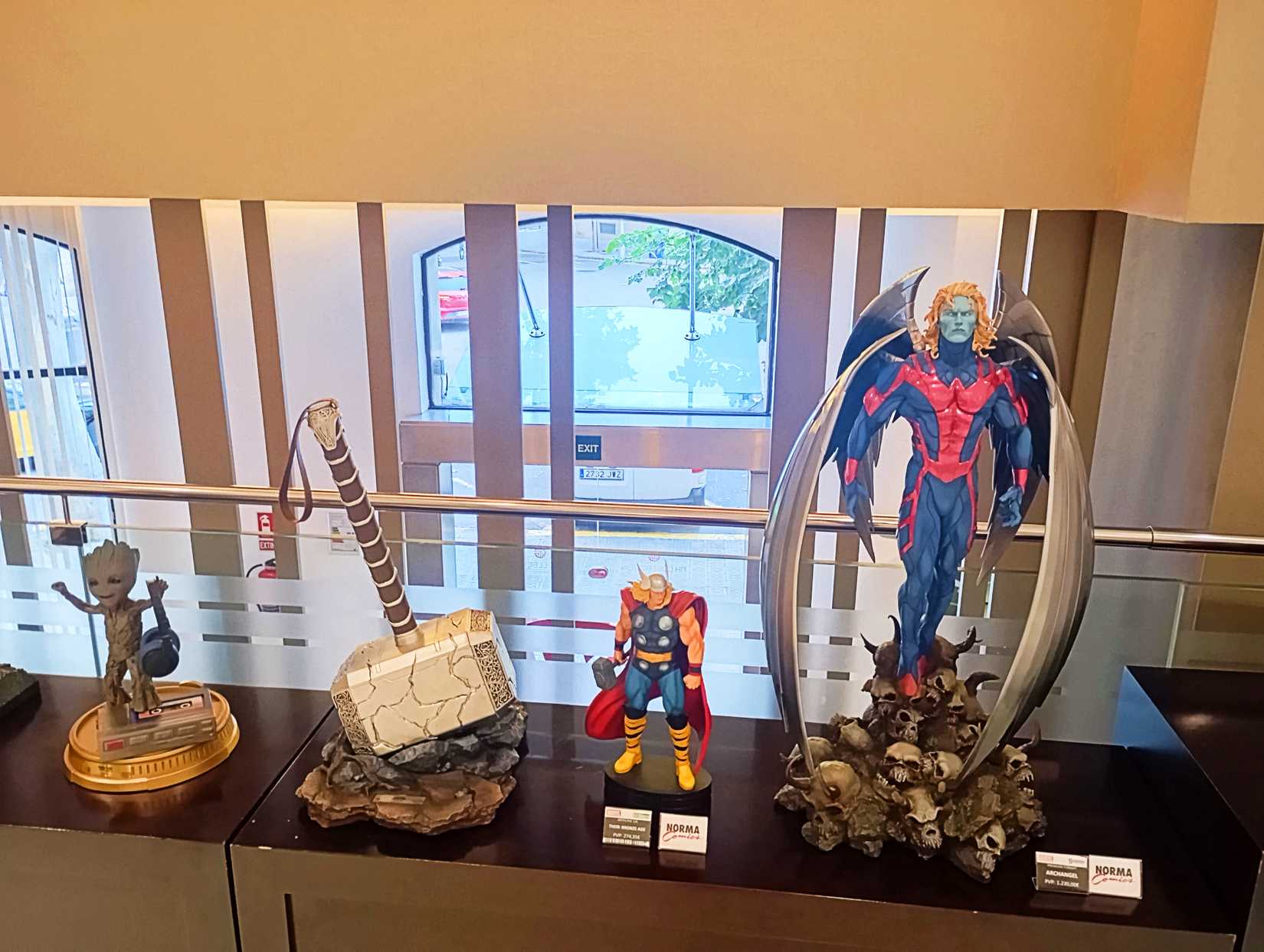
The Magic: The Gathering (MTG) community is currently abuzz with the release of the Marvel Super Heroes set, a crossover event that has ignited both excitement and intense debate. Beyond the aesthetic appeal of iconic characters like Thanos, Thor, and Archangel, the set has introduced a high-stakes Limited environment that is proving to be as challenging as it is rewarding.
For many players, these competitive events serve a dual purpose: they are testing grounds for upcoming professional tournaments and, occasionally, a necessary sanctuary from external stressors—like the sweltering heat waves currently gripping European cities. This past weekend, the Marvel Super Heroes showcase in Barcelona, hosted by the renowned retailer Magic Barcelona, provided a vivid case study in how to navigate the complexities of a fresh, unfamiliar Limited environment.
The Context: A High-Stakes Showcase
The weekend event was more than just a tournament; it was a comprehensive celebration of the crossover. With side events, guest artists, and a palpable energy among the local community, the showcase offered a prime environment to dissect the mechanics of the new set. For many, including this reporter, it was the perfect "boot camp" to prepare for the upcoming Limited Pro Tour qualifier at MagicCon: Amsterdam.
The tournament structure—specifically the "win-a-box" Sealed format—demanded not just deck-building proficiency, but the psychological resilience to pivot when initial strategies failed. In a new format where card interactions are still being discovered, the ability to read the table and adjust mid-tournament is the ultimate differentiator between success and frustration.
Chronology: A Tournament of Pivots and Risks
The Initial Struggle
The journey began with low expectations. Early access on Magic Arena had been an exercise in futility; a string of losses led to a lack of confidence that almost prevented the preparation of any strategic content. The Friday prerelease confirmed these fears: a black-red "Villains" deck resulted in a 3-1 record, though this was largely attributed to fortuitous pairings rather than strategic brilliance. The archetype lacked the early-game aggression necessary to compete, and the late-game threats were consistently underwhelming.
However, Saturday’s "win-a-box" tournament began with the exact same challenge: the pool dictated another black-red build. The first match was a disaster, followed by a draw. It was here that the crucial realization struck: the initial deck was fundamentally suboptimal.

The Mid-Tournament Revelation
The pivotal moment of the tournament was the decision to abandon the "sunken cost" of the original build. After a swift win in the third game of the opening series, the time between rounds was used for a complete re-evaluation of the card pool.
The realization was stark: Marvel Super Heroes Limited favors a high-tempo approach. The most successful decks are those that deploy early, efficient threats backed by cheap, disruptive spells. By shifting focus toward these tempo-positive interactions, the deck was overhauled.
From 1-1-1 to the Top 8
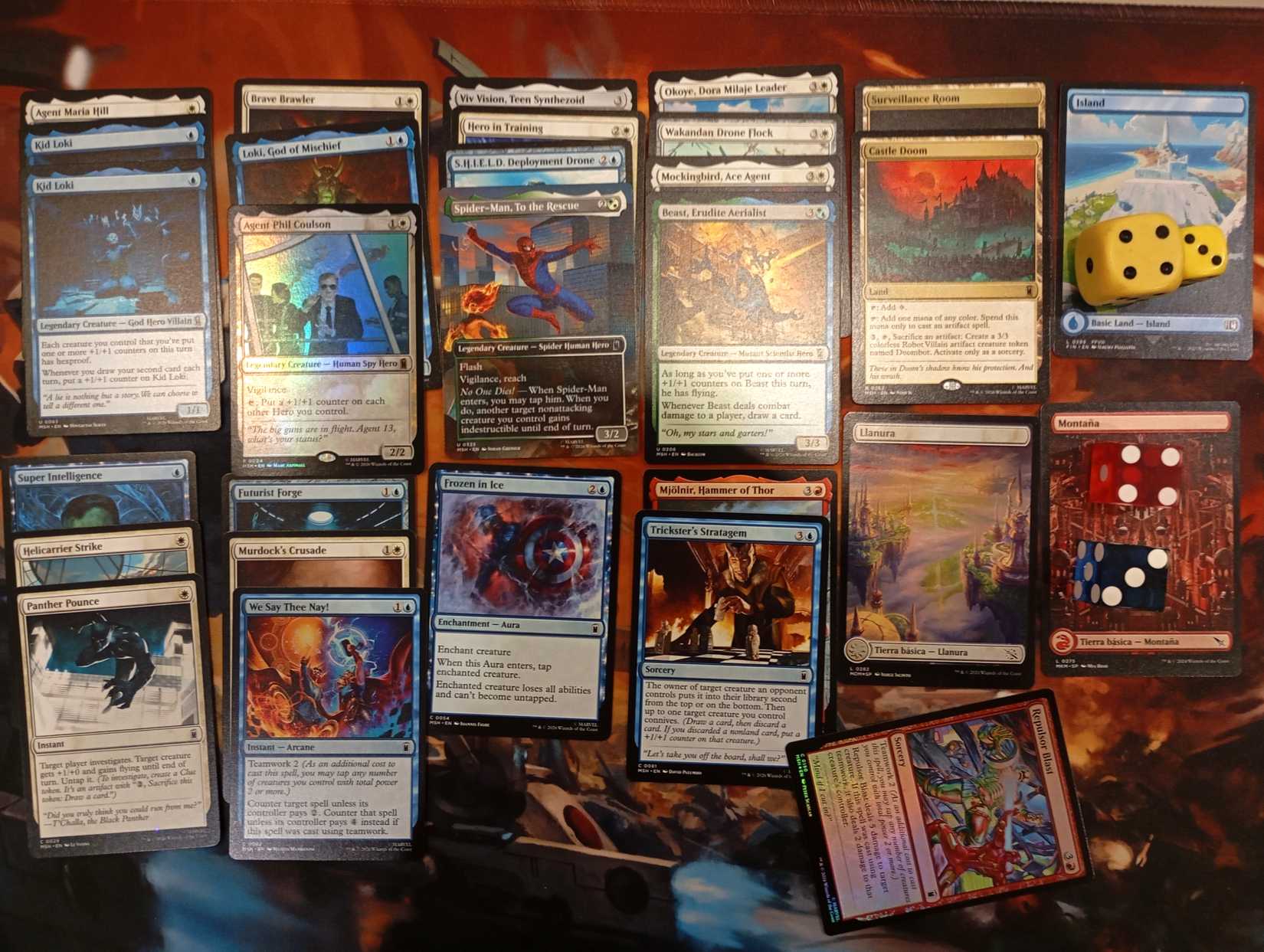
The new deck was far from perfect. It relied on niche, high-risk synergies—such as pairing Super Intelligence with Kid Loki—that are rarely considered "textbook" winning strategies. Yet, the results were undeniable. The deck ripped through three consecutive matches, moving from a precarious 1-1-1 standing to 4-1-1, securing a spot in the Top 8 Draft.
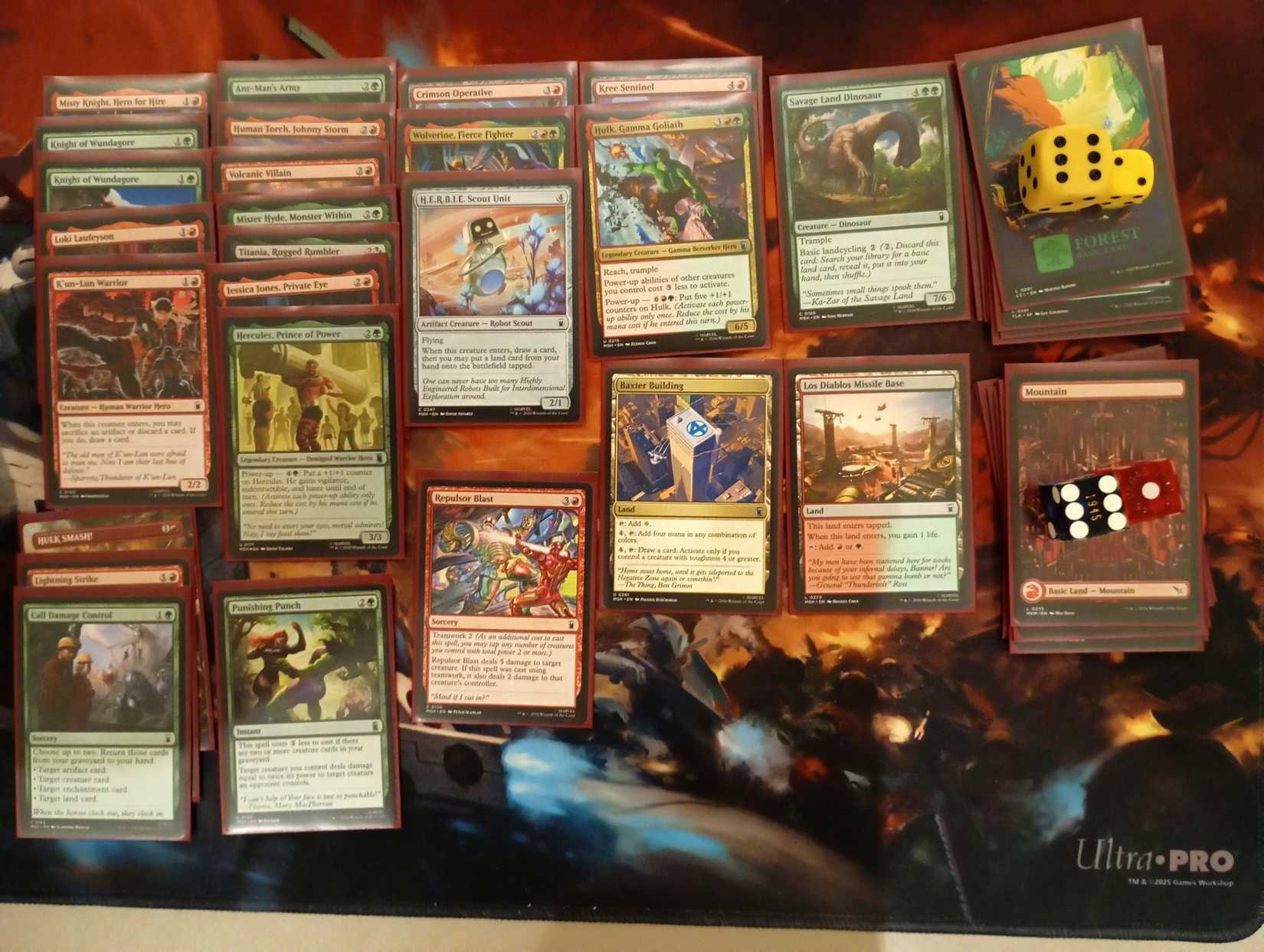
The Draft portion of the tournament presented its own set of hurdles. Exhaustion began to set in after six hours of play, leading to the common pitfall of "forcing" a color identity based on a few powerful uncommons—in this case, Night Nurse, Healer of Heroes and Hulk, Gamma Goliath. By ignoring the signs that the blue-black "Villains" lane was open, the draft resulted in a red-green "Power-up" pile that was serviceable but lacked the explosive power of top-tier decks. Nevertheless, through effective navigation of the meta and exploiting the weaknesses of opponents’ green-white "Heroes" builds, the tournament concluded with a shared victory in the finals.
Supporting Data: Understanding the Meta
The Marvel Super Heroes Limited format is currently defined by three distinct pillars:
- Tempo Dominance: As observed during the showcase, the format heavily punishes decks that are slow to start. Cards that allow for board presence on turns two and three are significantly more valuable than high-cost finishers.
- Resource Selection: Cards like Misty Knight, Hero for Hire and Baxter Building have emerged as essential tools for card advantage. In a format where variance can be high, these cards provide the consistency needed to stabilize when the game goes long.
- The "Trap" of Archetype Marriage: The data from the weekend suggests that players who commit too early to an archetype—based on an opening pack or a single win—often find themselves at a disadvantage by the third pack. Adaptability is mathematically more valuable than forced synergy.
Official Responses and Community Sentiment
While Wizards of the Coast (WotC) has remained characteristically tight-lipped regarding specific power-level adjustments for the set, the community response has been largely positive. Despite initial reservations from some long-time Magic purists regarding the "Universes Beyond" branding, the consensus is that the set is exceptionally fun to play.
"The old-school Marvel fan in me keeps winning out over my skepticism," noted one local player during the event. This sentiment reflects a broader trend: the mechanics of the set are sufficiently robust that even those who are not fans of the IP are finding genuine joy in the gameplay loop.
Implications for Future Play
The lessons from the Barcelona showcase have profound implications for players preparing for the upcoming competitive season:
- The Power of the Pivot: If a deck feels wrong, it likely is. Players should not be afraid to sideboard aggressively or even rebuild their main deck during side-event downtime if the format’s tempo requirements aren’t being met.
- Don’t Over-Correct: Conversely, the story of a peer who dismantled a functional blue-green deck after a single loss serves as a warning. There is a fine line between necessary iteration and unnecessary panic.
- Draft Discipline: The temptation to draft a "Hulk smash" style deck is strong, but the most successful players are those who remain disciplined, monitoring what cards are being passed to them rather than what they want to play.
Conclusion: A New Frontier
The Marvel Super Heroes set has proven to be a refreshing entry in the Magic: The Gathering canon. It demands a level of active, real-time decision-making that rewards veterans and offers a steep but fair learning curve for newer players.
As the competitive circuit moves toward the Pro Tour, the meta will undoubtedly continue to shift. However, the fundamental truth of the format remains: in the chaotic, high-tempo world of Marvel Super Heroes Limited, the player who remains the most flexible—who treats their deck as a living, breathing set of tools rather than a rigid list—will almost always be the one walking away with the win. Whether you are a fan of the Marvel Universe or simply a fan of high-level card play, this set demands your attention, your patience, and, most importantly, your ability to adapt.