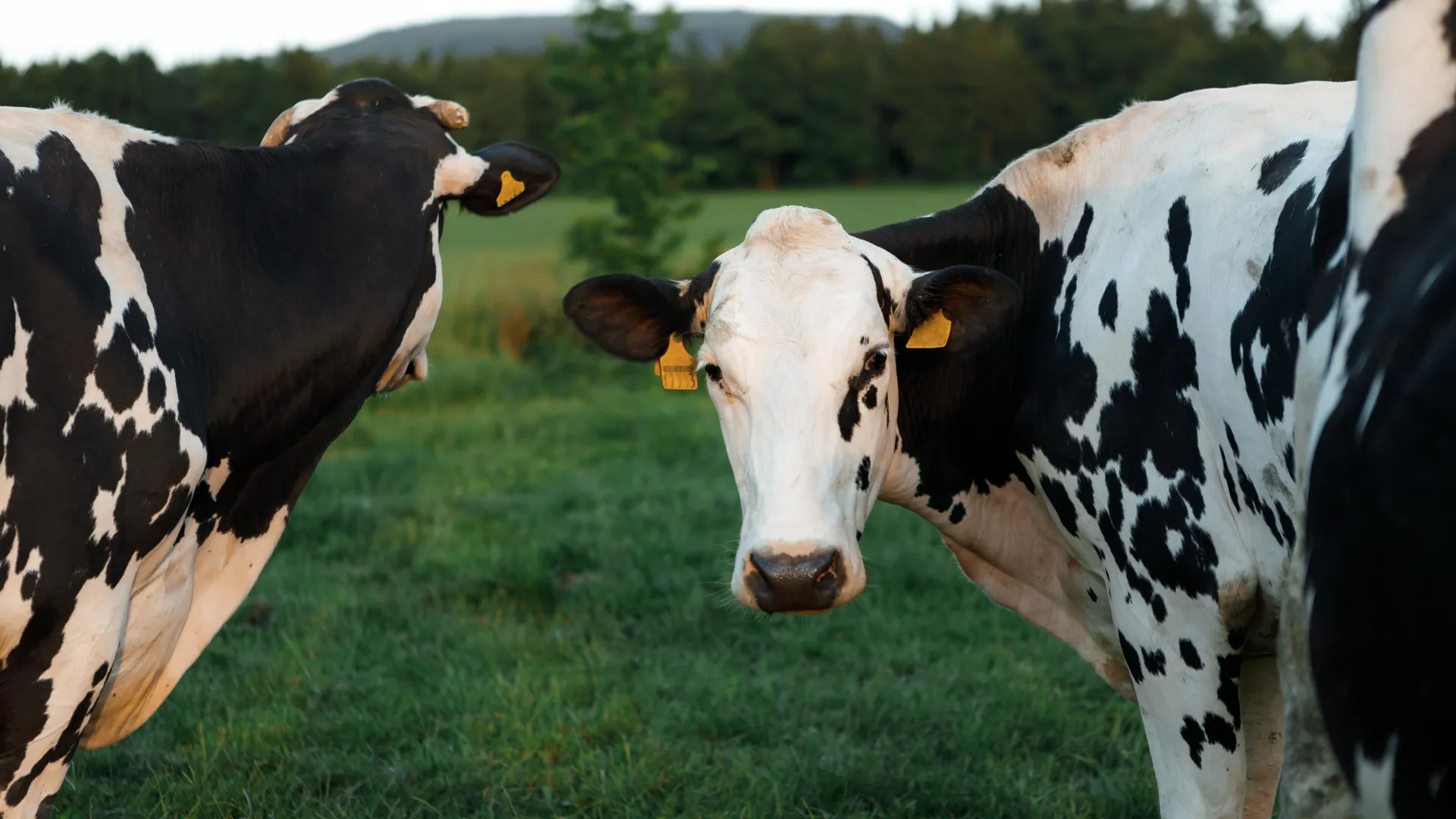
When the first reports of a mysterious illness began trickling out of the Texas Panhandle in early 2024, the veterinary community was braced for the usual suspects. Dairy cows, known for their robust health in well-managed herds, were suddenly succumbing to severe cases of necrotizing mastitis—a painful, tissue-destroying inflammation of the mammary glands. As veterinarians scrambled to identify the pathogen, they systematically ruled out common bacterial culprits.
The eventual diagnosis sent a shockwave through the agricultural and scientific communities: the pathogen was H5N1, a highly pathogenic strain of avian influenza. This discovery defied established veterinary wisdom. H5N1 is a respiratory virus; it thrives in the lungs and tracheas of birds and mammals. Yet, in this unprecedented outbreak, the cows’ respiratory systems remained largely untouched.
Now, a landmark study from the University of Pittsburgh School of Public Health, published in Science Advances, has peeled back the layers of this biological mystery. By mapping the intricate "lock-and-key" relationship between the virus and bovine cellular structures, researchers have finally identified why H5N1 bypassed the lungs to wreak havoc on the udder.
The Chronology of a Viral Anomaly
The timeline of the H5N1 cattle outbreak serves as a case study in how pathogens can evolve to exploit ecological niches.
Early 2024: The Unseen Spread
The outbreak began quietly in the Texas Panhandle. Farmers reported a sudden drop in milk production and the appearance of thick, discolored milk. Veterinarians, initially treating the symptoms as standard mastitis, found that traditional antibiotic treatments were entirely ineffective. Because the virus did not present with coughing or sneezing—the hallmarks of influenza—the spread went undetected for weeks, allowing the virus to travel between herds through contaminated equipment, farm workers’ clothing, and environmental exposure.
Spring 2024: Identification and Alarm
As the pathogen was identified as H5N1, the focus shifted to containment. The virus was found to be shedding in massive concentrations within the raw milk of infected cows. This raised immediate concerns regarding occupational exposure for dairy workers, who were at high risk of coming into contact with contaminated aerosols or fluids during milking.
Mid-2024: The Search for Mechanisms
With the virus successfully identified, the scientific community faced a daunting question: Why did a virus that specializes in respiratory infection suddenly decide to target the mammary gland? This question drove the Pitt Public Health team to investigate the receptor-level biology of the bovine species, leading to the sophisticated glycomic analysis that would eventually define the current understanding of the outbreak.
Unlocking the Mystery: The Glycan Architecture
To understand why the virus targeted the udder, researchers had to look at the microscopic "docking stations" on the surface of cells, known as glycans. Influenza viruses do not simply enter a cell at will; they must attach to specific sugar-based receptors in a process often compared to a lock-and-key mechanism.
The Receptor Mismatch
For years, the consensus was that cattle possessed the necessary receptors in their noses, tracheas, and lungs to host influenza. If this were true, H5N1 should have caused a respiratory pandemic among dairy cows. However, the Pitt team—led by senior author Suresh Kuchipudi, Ph.D.—realized that the existing models were too simplistic.
"Glycan biology is incredibly complex," explained Dr. Kuchipudi, chair of Infectious Diseases and Microbiology at Pitt Public Health. "We realized that to understand what was really going on, we needed to map out the fine-detailed architecture that enables the virus to bind to cells."
The Discovery of the N-linked Sialic Acid Receptor
Partnering with Harvard Medical School researcher Dr. Lauren E. Pepi, the team employed a multi-modal approach. They combined binding experiments with staining techniques and ultra-high-resolution imaging to visualize the interaction between the virus and bovine tissue.
Their findings were definitive: H5N1 is highly selective. It does not bind to just any receptor; it specifically targets a subtype known as N-linked sialic acid receptors. Crucially, the team discovered that these specific receptors are abundant throughout the mammary gland tissue of dairy cattle but are nearly absent in the airway tissue. This discovery transformed the udder into a "perfect breeding ground" for the virus, explaining why the infection localized there while the lungs remained pristine.
Supporting Data: The Ripple Effects of the Outbreak
The implications of this localized infection extend far beyond the dairy farm. Because the mammary gland acts as a primary replication site, the virus is shed into milk at extraordinary levels.
The Risk to Domestic Animals
The study also highlights the dangers of the informal practices surrounding raw milk. The researchers noted that there is a common, though discouraged, habit of feeding raw milk to domestic pets. Previous studies by the team have documented instances of cats dying after consuming milk from infected cows. These fatalities occurred because the virus, having already adapted to the bovine mammary gland, was easily transmitted to domestic carnivores, where it often manifested as severe neurological disease—a stark contrast to the mastitis seen in cattle.
The Role of Pasteurization
Despite the viral load in raw milk, the research team emphasized a crucial public health takeaway: Pasteurization is 100% effective at destroying the H5N1 virus. The heat treatment process breaks down the viral structure, rendering it non-infectious. The data reinforces that while the milk supply is safe, the consumption of raw, unpasteurized milk remains a significant vector for zoonotic transmission.
Official Responses and Public Health Strategy
Governmental agencies, including the U.S. Department of Agriculture (USDA), have utilized the information gained from the Pitt study to refine their surveillance strategies. The USDA’s National Institute of Food and Agriculture, which helped fund this research, has shifted its focus toward monitoring mammary health in dairy herds as a sentinel for H5N1 activity.
"When the real culprit turned out to be bird flu, everyone in the field was caught completely by surprise," Dr. Kuchipudi noted. "We hadn’t even remotely considered that cattle could be a host for H5N1."
This admission highlights the necessity of "preemptive screening." By understanding the specific receptor profiles of different animal species, health officials can now predict which animals are most at risk and how the virus might manifest in them. For instance, the team can now evaluate whether a new species is likely to suffer from respiratory distress, mammary infection, or neurological complications before an outbreak even occurs.
Implications: Preparing for the Next Zoonotic Leap
The research conducted by the University of Pittsburgh represents a paradigm shift in how we approach emerging infectious diseases. We can no longer rely on historical assumptions about how influenza behaves; we must instead rely on the fundamental biology of host-pathogen interaction.
Predictive Modeling
The future of pandemic preparedness lies in the ability to map these glycan receptors across various agricultural and wild species. If scientists can identify the "susceptibility profile" of livestock and wildlife, they can build an early-warning system that identifies potential spillover events before they reach the human population.
A Call for Vigilance
The H5N1 cattle outbreak serves as a reminder that viruses are constantly evolving and exploring new ecological niches. The "unusual" behavior observed in the Texas Panhandle was not a biological anomaly, but a sophisticated adaptation to the specific receptor architecture of the cow.
By integrating glycomics into standard veterinary surveillance, the research team at Pitt Public Health has provided a blueprint for future-proofing our agricultural systems. "The lessons learned," Dr. Kuchipudi concluded, "could potentially help prevent us from being caught by surprise again."
As the scientific community continues to analyze the findings from Science Advances, the focus remains clear: through advanced molecular mapping and a deep understanding of host-pathogen biology, the medical community is moving from a reactive stance to a proactive one, turning the tide against the unpredictable nature of avian influenza.
Study Contributors:
The research was led by Dr. Suresh Kuchipudi and Dr. Lauren E. Pepi. Contributing authors include Surabhi Srinivas, M.S., Shubhada K. Chothe, Ph.D., Santhamani Ramasamy, Ph.D., Sougat Misra, Ph.D., Noel Chandan Nallipogu, M.D., MPH, and Lindsey LaBella (Pitt Public Health); Yin-Ting Yeh, Ph.D. (Pennsylvania State University); May Wang, B.S. (Harvard University); and Heidi L. Pecoraro, Ph.D., and Brett T. Webb, Ph.D. (North Dakota State University).