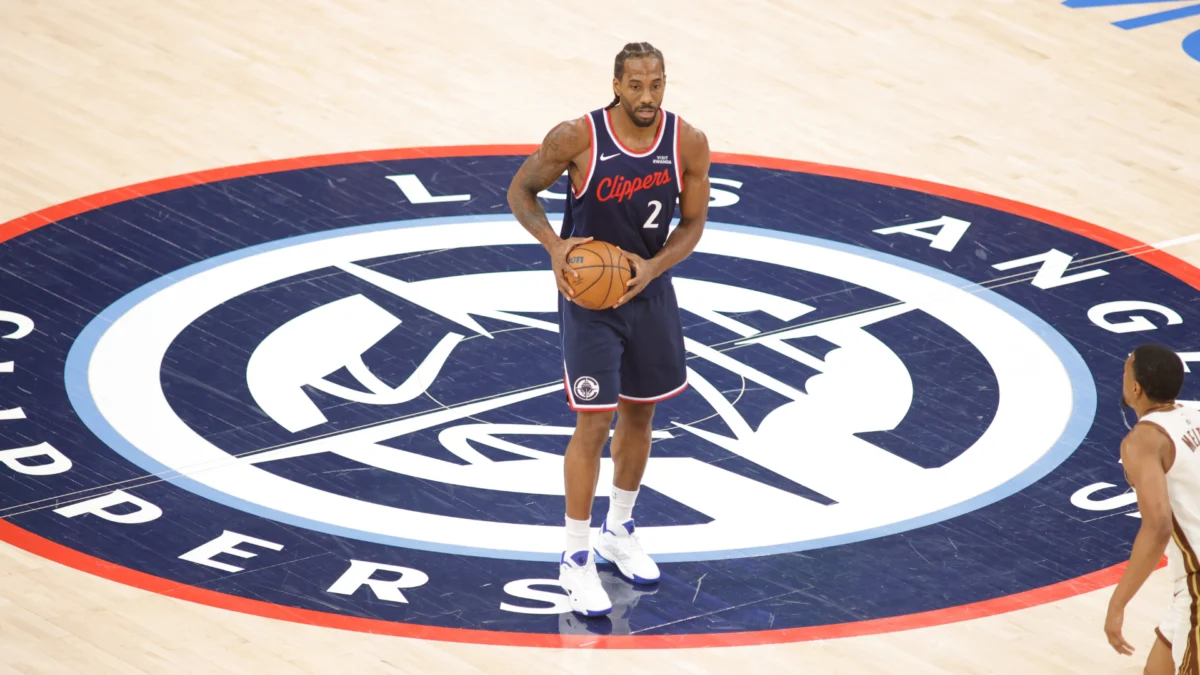
In a move that has sent shockwaves through the foundations of professional basketball, the NBA officially handed down one of the most severe punitive measures in its history on Wednesday. The league’s investigation, spearheaded by the legal powerhouse Wachtell Lipton, concluded that the Los Angeles Clippers engaged in a systemic, multi-year campaign of salary cap circumvention. The fallout is staggering: a $30 million fine, a one-year suspension for team owner Steve Ballmer, and the total forfeiture of five future first-round draft picks spanning from 2029 to 2033.
The investigation, which spanned several months, revealed a "pattern of misconduct" that Commissioner Adam Silver described as a "flagrant violation" of the league’s collective bargaining agreement. Beyond the corporate penalties, the league levied personal sanctions against key executives and star forward Kawhi Leonard, signaling an unprecedented effort to restore the integrity of the league’s financial regulations.
The Scope of the Corruption: Beyond Aspiration
While the media frenzy previously focused on the now-bankrupt financial company Aspiration, the Wachtell Lipton report paints a much broader picture of corporate collusion. The investigation discovered that the Clippers organization acted as a broker for Kawhi Leonard’s personal financial interests, effectively inducing third-party companies to sign him to inflated, non-arm’s-length endorsement deals in exchange for lucrative business contracts with the Clippers.
Specifically, the report highlights the involvement of Boingo (a wireless network provider), Daktronics (a digital display manufacturer), and Lockton (an insurance brokerage). These companies were not merely sponsors; they were conduits for what the NBA categorized as disguised salary payments.
According to the summary report, the timeline was aggressive. Within one month of Clippers President of Business Operations Gillian Zucker facilitating introductions between Leonard’s representative, Dennis Robertson, and these firms, Leonard had secured multi-year, multi-million dollar deals. By August 2021, Leonard had collected $18 million in total from these three specific agreements—monies the NBA contends were facilitated by the Clippers to circumvent the constraints of the salary cap.
A Chronology of Collusion
The roots of this scandal trace back to the immediate aftermath of Kawhi Leonard’s arrival in Los Angeles in 2019. Almost as soon as the ink was dry on his contract, Leonard’s uncle and business manager, Dennis Robertson, began exerting immense pressure on the organization to facilitate off-court revenue streams for his nephew.
The 2020 Pivot
The Wachtell Lipton findings provide a granular look at the internal communications between Clippers brass and Robertson. In March 2020, Robertson expressed dissatisfaction with the pace of deals being funneled toward Leonard, explicitly telling Steve Ballmer that he could not wait for Zucker’s introductions and needed to "get paid."
In a chilling display of executive acquiescence, Ballmer reportedly reassured Robertson that the entire Clippers organization were "collective workers" dedicated to helping Leonard reach his financial goals. Zucker, likewise, reinforced this narrative, promising that Ballmer would "follow through on his promise."
The evidence goes beyond simple introductions. The report details a "pipeline" of corporate partners developed specifically to cater to Robertson’s demands. This was supplemented by a systematic failure to report personal benefits. Investigators uncovered hundreds of instances where the Clippers footed the bill for private air travel, luxury accommodations, and premium event tickets for Leonard’s family—expenses that should have been deducted from Leonard’s salary but were instead buried as corporate overhead.
Supporting Data: The Disparity in Punishment
The variance in disciplinary action between the two primary executives involved—Gillian Zucker and Lawrence Frank—provides a masterclass in how cooperation with an investigation can alter one’s fate.
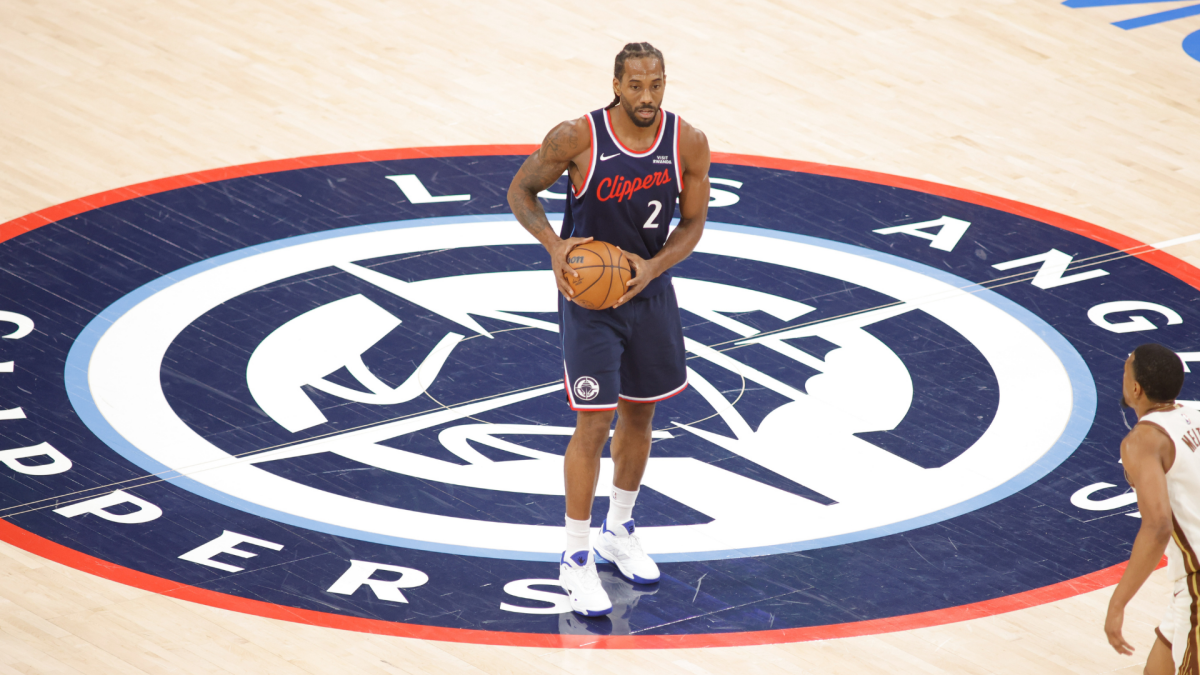
Zucker received a one-year suspension without pay, double that of the six-month suspension handed to Lawrence Frank, the President of Basketball Operations. The rationale, as outlined by the Wachtell Lipton report, is rooted in transparency and honesty. Frank, by all accounts, was forthcoming with investigators, taking ownership of his team’s failures and maintaining a consistent narrative.
Zucker, conversely, was found to have provided testimony that was "inconsistent with contemporaneous documents" and other witness statements. Furthermore, the investigation unearthed deep conflicts of interest regarding her role. Zucker held personal, long-standing relationships with the leadership at two of the companies that signed Leonard—in one instance, her husband was the Chairman of the Board. Her active role in initiating these deals, coupled with her perceived lack of candor, effectively forced the league’s hand in issuing a harsher penalty.
The Official Response: A House Divided
The Los Angeles Clippers have responded with defiance, issuing a scathing statement following the announcement of the penalties. The organization has declared that they "vehemently reject" the findings of the report, framing the investigation as a "heavily biased" exercise designed to support a "predetermined narrative" rather than objective truth.
"We will vigorously challenge these findings and penalties through every avenue available to us," the statement read.
However, the legal hurdles for the Clippers are substantial. The Wachtell Lipton report is built upon a foundation of internal emails, financial records, and firsthand testimony that the NBA claims are irrefutable. By attacking the integrity of the investigators, the Clippers may be attempting to appease their fanbase and protect their brand, but legal experts suggest that challenging such a comprehensive report in arbitration will be an uphill battle.
Implications for the NBA
The impact of this ruling will be felt for a decade. The loss of five first-round picks is a death sentence for a team’s ability to rebuild through the draft, essentially forcing the Clippers into a perpetual "win-now" cycle or a total organizational reset.
Furthermore, the banishment of Dennis Robertson for five years sets a new precedent for the league’s oversight of player representatives who are not certified agents. The NBA is sending a clear message: the salary cap is the bedrock of the league’s competitive balance, and it will no longer tolerate "shadow negotiations" that utilize corporate partners to pay players under the table.
This scandal also raises uncomfortable questions about the power dynamics between billionaire owners and the inner circles of star athletes. When a team owner like Ballmer commits his entire staff to the financial enrichment of a single player’s family member, it creates a toxic environment that threatens the equitable distribution of talent.
As the Clippers prepare their legal defense, the rest of the league is on notice. The "Wachtell Lipton investigation" will likely become a term synonymous with accountability in the NBA front office, as teams across the country scrub their own records to ensure that no "pipeline" of illicit benefits exists within their own walls. For Kawhi Leonard and the Clippers, the era of unchecked influence has come to a screeching, and incredibly expensive, halt.