Glioblastoma multiforme (GBM) has long stood as one of the most formidable adversaries in oncology. As the most aggressive form of primary brain cancer, it is characterized by its rapid progression, invasive nature, and a chillingly low survival rate: fewer than 30% of patients survive for more than two years following diagnosis. However, a team of researchers at Oregon State University (OSU) may have finally discovered a way to breach the brain’s most formidable defenses, utilizing a clever “sugar-coating” strategy to deliver life-saving genetic therapy directly to tumor sites.
The research, led by a multidisciplinary team at the OSU College of Pharmacy—including Oleh Taratula, Olena Taratula, and Yoon Tae Goo—represents a paradigm shift in how we approach the treatment of central nervous system (CNS) malignancies. By overcoming the twin hurdles of the blood-brain barrier and target specificity, this experimental strategy has demonstrated a 50% increase in median survival time in preclinical mouse models, offering a beacon of hope for a disease that has remained largely stagnant in terms of therapeutic advancement for decades.
The Anatomy of a Medical Challenge: Why Glioblastoma Defies Treatment
To understand the magnitude of this breakthrough, one must first understand the biological fortress that is the human brain. The brain is protected by the blood-brain barrier (BBB), a highly selective, tightly controlled network of endothelial cells that prevents pathogens, toxins, and many therapeutic agents from exiting the bloodstream and entering the CNS. While this barrier is essential for brain health, it is the primary reason why traditional chemotherapy and many biological agents fail to treat brain tumors effectively.
Furthermore, glioblastoma is notoriously heterogeneous and infiltrative. Tumor cells often intermingle with healthy brain tissue, making surgical resection—the current standard of care—extremely difficult without causing catastrophic neurological damage. Radiation and chemotherapy often struggle to achieve sufficient concentrations within the tumor, leading to inevitable recurrence.
"We have long been stymied by two major problems," says Oleh Taratula. "First, how do we get the drug past the ‘gatekeeper’ of the blood-brain barrier? And second, how do we ensure that the drug selectively destroys tumor cells while leaving the delicate, healthy architecture of the brain completely untouched?"
Chronology of Innovation: From Concept to Clinical Promise
The path to this discovery was not linear; it was a process of biochemical engineering that spanned several years of rigorous laboratory experimentation.
Phase I: Designing the Delivery Vehicle
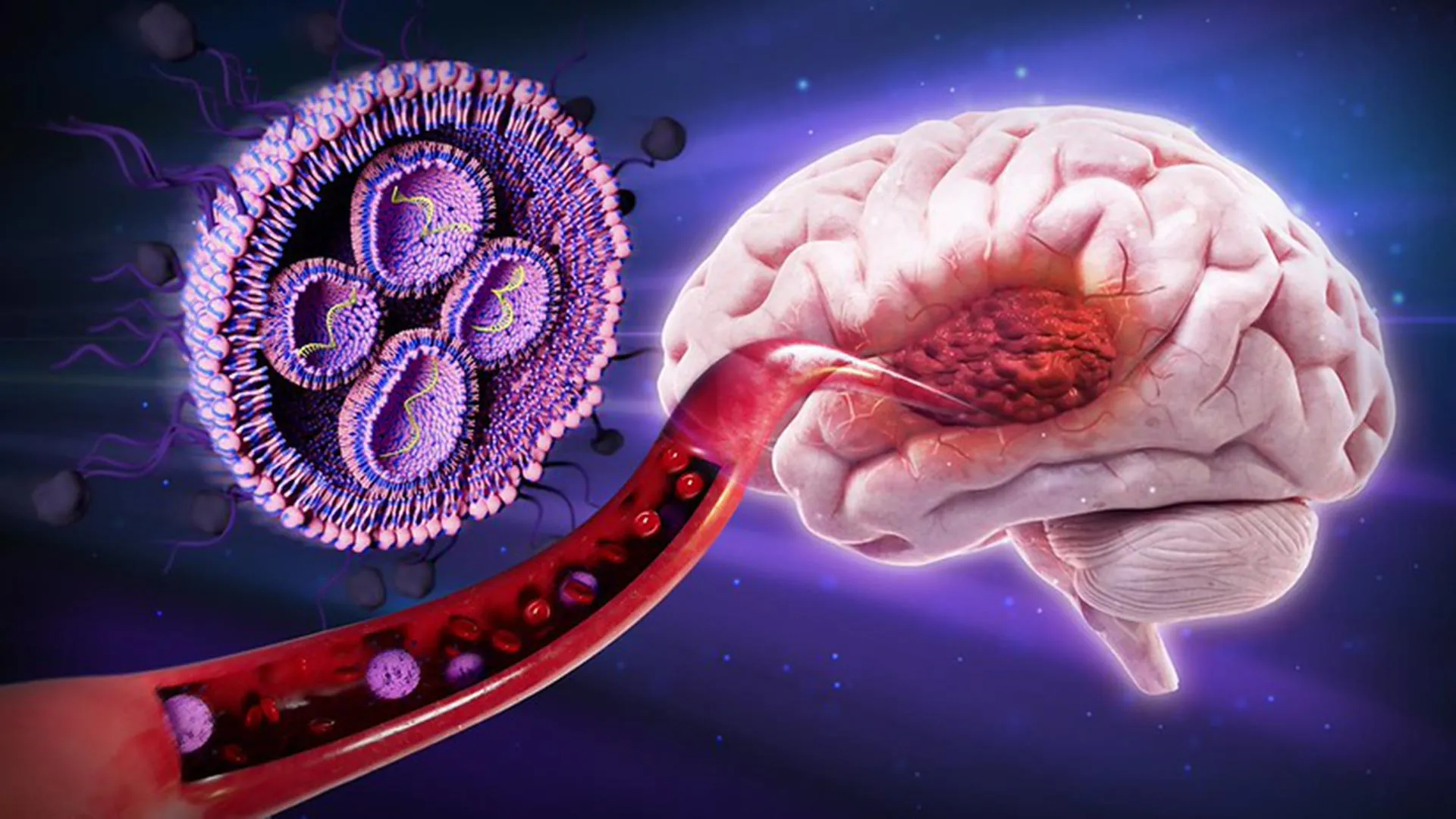
The OSU team focused on lipid nanoparticles (LNPs) as their primary delivery vehicle. Nanoparticles are ideal because they can be engineered to carry genetic cargo—in this case, messenger RNA (mRNA)—without degrading it. However, naked nanoparticles are often recognized by the body’s immune system as foreign invaders and cleared before they can reach their destination.
Phase II: The "Trojan Horse" Strategy
The researchers turned to nature to solve the transport issue. They coated their nanoparticles with mannose, a sugar molecule structurally similar to glucose. The logic was elegant: the brain is an energy-hungry organ that relies heavily on glucose. The cells lining the blood-brain barrier are equipped with a specialized transport protein known as GLUT1, which actively shuttles glucose from the blood into the brain. By “tricking” the GLUT1 receptors into recognizing mannose, the researchers created a "Trojan Horse" that could hitch a ride across the BBB.
Phase III: Optimization and Testing
Early iterations of the sugar coating were insufficient, as the mannose particles struggled to compete with the high concentrations of natural glucose circulating in the blood. The breakthrough came when the team chemically bonded mannose to cholesterol, a structural component of the nanoparticle. This innovation improved the surface coverage of the sugar coating sixfold, allowing the nanoparticles to effectively outcompete glucose for the GLUT1 transporter’s attention.
Supporting Data: Mechanisms of Tumor Suppression
The scientific findings, recently published in the Journal of Controlled Release, detail the success of the therapy in restoring the body’s innate tumor-suppression mechanisms.
The PTEN Connection
At the heart of the treatment is the delivery of mRNA that encodes for PTEN (Phosphatase and tensin homolog). PTEN is a critical tumor-suppressor protein that acts as a "brake" on cell division. In many glioblastoma cases, the gene responsible for producing PTEN is either mutated or deleted, allowing the cancer cells to divide uncontrollably. By delivering mRNA, the researchers essentially provided the tumor cells with the "instruction manual" they were missing, forcing them to resume normal growth control.
The Double-Targeting Effect
The therapy benefits from a "double-targeting" mechanism. Not only does the mannose coating help the particles cross the blood-brain barrier, but it also exploits the metabolic state of the tumor. Glioblastoma cells are "metabolically reprogrammed," meaning they consume glucose at an accelerated rate compared to healthy cells. Consequently, they express significantly higher levels of GLUT1—roughly three times that of normal brain tissue. This ensures that once the nanoparticles cross the BBB, they are naturally pulled toward the tumor sites, leading to high-concentration accumulation in the malignancy and minimal uptake in healthy tissue.
Official Responses and Researcher Insights
The OSU team emphasizes that the success of this study lies in its precision. "Restoring PTEN expression in tumor cells reinstates growth control," notes Olena Taratula. "Across repeated dosing in our animal models, we observed significant tumor shrinkage without any measurable organ toxicity. This is a critical finding, as many current brain cancer treatments cause systemic side effects that drastically lower the patient’s quality of life."
The research team, which includes Vincent Cataldi, Vladislav Grigoriev, Neera Yadav, Tetiana Korzun, Chao Wang, and Adam Alani, has credited the success to the synergy between pharmaceutical science and genetic engineering.
The study received significant backing from federal and international bodies, including the National Cancer Institute (NCI) of the National Institutes of Health (NIH), the Eunice Kennedy Shriver National Institute of Child Health and Human Development, and the National Research Foundation of Korea. This level of institutional support underscores the national urgency of finding a viable treatment for glioblastoma.
Implications for the Future of Oncology
While the results in mice are highly encouraging, the transition from the laboratory to the clinic is a complex journey. However, the implications of the OSU study are profound for the field of precision medicine.
A Platform for Future Therapies
The “mannose-cholesterol” delivery platform developed by the OSU team is not necessarily limited to PTEN mRNA. It could theoretically be used to deliver a wide array of genetic therapies, small-molecule drugs, or diagnostic agents across the blood-brain barrier. If successful in human trials, this could revolutionize the treatment of other CNS diseases, including Alzheimer’s disease, Parkinson’s disease, and metastatic cancers that have spread to the brain.
Addressing the Human Cost
Glioblastoma remains a devastating diagnosis. With an incidence rate of approximately 3.19 per 100,000 in the United States and a median age of onset at 64, it is a disease that strikes during the prime of life. The 95% mortality rate within five years remains a sobering statistic that drives the researchers forward.
The next steps for the team involve further toxicity studies and refinement of the nanoparticle delivery system to ensure safety for human applications. If these hurdles can be cleared, the OSU breakthrough could provide a roadmap for a new generation of targeted brain cancer therapies.
The Path Forward
The scientific community will be watching closely as the OSU team moves toward potential Phase I clinical trials. By leveraging the body’s own metabolic pathways to deliver precise genetic instructions, this research has moved the needle from merely "managing" glioblastoma to potentially "correcting" the underlying biological errors that allow it to thrive.
In the fight against one of the deadliest forms of cancer, the answer may have been hiding in plain sight—on the surface of a sugar molecule. As researchers continue to refine these lipid nanoparticles, the dream of a non-invasive, highly effective treatment for brain cancer moves steadily closer to reality. For the thousands of patients diagnosed annually, the work being done in the labs at Oregon State University offers more than just data—it offers a tangible path toward survival.