Two micrograms. It is an amount so vanishingly small it defies easy visualization. To put it into perspective, it weighs less than a microscopic fragment of a single grain of table salt. Yet, this minute quantity—a mere speck of a chemical compound—is the difference between vitality and systemic collapse for the human body. As the fundamental building block for red blood cell production, neurological integrity, and DNA synthesis, vitamin B12 (cobalamin) serves as one of the most critical, yet frequently overlooked, conductors in the biological orchestra.
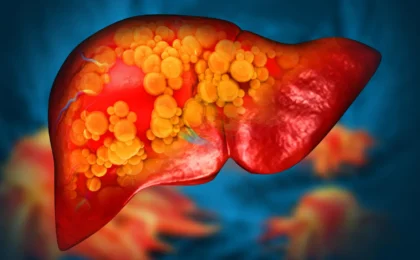
As we approach 2026, the medical community marks the centenary of a breakthrough that fundamentally altered the trajectory of internal medicine. In 1926, researchers George Minot and William Murphy unveiled a revolutionary finding: a diet rich in liver could reverse the effects of pernicious anemia, a condition that was, at the time, a death sentence. Their discovery not only saved countless lives but eventually led to the isolation of the deep red compound we now identify as vitamin B12.
A Century of Discovery: From Liver Diets to Molecular Science
The narrative of B12 is one of the most compelling detective stories in medical history. The journey began not with a direct study of anemia, but through the peripheral observations of American physician and pathologist George Whipple.
In the early 20th century, Whipple was investigating blood-loss anemia in dogs. He observed that feeding these animals large quantities of liver significantly accelerated their recovery. While Whipple’s focus was on the replenishment of red blood cells following hemorrhage, his findings provided a critical breadcrumb for other researchers. Physicians Minot and Murphy, suspecting that a similar mechanism might exist for pernicious anemia—a condition characterized by a failure to produce healthy red blood cells despite the absence of external bleeding—began clinical trials using liver-heavy diets.
The results were nothing short of miraculous. Patients who had been bedridden and near death saw their condition stabilize and improve within weeks. This breakthrough earned Minot, Murphy, and Whipple the Nobel Prize in Physiology or Medicine in 1934. However, the exact "factor" within the liver remained elusive for years. It was not until 1948 that chemists finally isolated the crystalline, cobalt-containing compound now known as cobalamin.
The Mechanics of Deficiency: Why We Struggle
Despite a hundred years of progress, vitamin B12 deficiency remains a pervasive public health challenge. The difficulty lies in the complexity of the body’s absorption process. Unlike many nutrients that are easily processed, B12 requires a sophisticated "hand-off" system.
It is naturally found almost exclusively in animal-derived foods—meat, fish, eggs, and dairy. For those following strict vegan or vegetarian diets, deficiency is a constant risk without proper supplementation. However, even those with high dietary intake can struggle due to impaired absorption.
The Impact of Age and Autoimmunity
As the body ages, the efficiency of the digestive system naturally declines. Many older adults experience a reduction in stomach acid production, which is essential for cleaving B12 from the food matrix. Furthermore, conditions such as autoimmune gastritis can damage the specialized cells in the stomach lining responsible for producing "intrinsic factor"—a protein that acts as a mandatory transport vessel for B12 in the gut.
Modern surgical interventions and medications have also contributed to the rising prevalence of deficiency. Weight-loss surgeries that bypass sections of the stomach or small intestine, as well as the long-term use of medications for type 2 diabetes (such as metformin) or chronic acid reflux (proton pump inhibitors), can severely inhibit the body’s ability to extract this vital nutrient.
Symptoms and the "Brain Fog" Trap
Because B12 is involved in such a wide array of bodily functions, the symptoms of a deficiency are notoriously broad and often masked by the general markers of aging. Patients frequently report:
- Persistent Fatigue: A bone-deep exhaustion that does not resolve with rest.
- Neurological Sensations: Tingling or "pins and needles" in the extremities (paresthesia).
- Cognitive Decline: Difficulties with memory, concentration, and the pervasive sensation of "brain fog."
- Balance and Mobility Issues: Unsteadiness caused by the degradation of the myelin sheath that protects nerves.
The danger lies in the ease with which these symptoms are dismissed. When an older patient complains of fatigue or poor balance, it is often attributed to the normal wear and tear of aging. Clinical guidance emphasizes that these signs must be investigated through blood serum testing rather than assumed to be simple age-related decline.

Beyond Anemia: The Mitochondrial Connection
While doctors have traditionally viewed B12 deficiency primarily through the lens of anemia—where the bone marrow produces oversized, ineffective red blood cells—modern research is revealing that the nutrient’s role is far more profound.
In humans, vitamin B12 acts as a co-enzyme for two essential reactions. One is the synthesis of DNA, and the other is the processing of fats and proteins within the mitochondria. Mitochondria, the "powerhouses" of the cell, are responsible for converting nutrients into adenosine triphosphate (ATP), the primary energy currency of life.
2026 Breakthroughs in Skeletal Muscle
A groundbreaking 2026 study has shed new light on this relationship. By observing laboratory models of skeletal muscle, researchers discovered that a lack of B12 disrupts the DNA integrity within the mitochondria themselves. When this happens, the cell’s energy production capacity plummets.
This helps explain a long-standing clinical observation: why some patients feel profoundly exhausted long before their blood work shows signs of anemia. Further studies on aged mice have demonstrated that B12 supplementation can actually improve the structural health and density of mitochondria in muscle tissue. This suggests that B12 is not merely a blood-forming factor, but a cornerstone of metabolic longevity.
Implications for Public Health and "Wellness" Culture
As interest in mitochondrial health grows, so too does the marketing of B12 injections in "wellness clinics" and medispas. However, the medical consensus remains firm: these treatments are a clinical tool, not a lifestyle supplement.
For the general population with healthy B12 levels, there is no evidence that "mega-dosing" or unnecessary injections provide any boost to energy, athletic performance, or weight loss. In fact, relying on these expensive treatments can mask the underlying cause of fatigue, which could be anything from iron-deficiency anemia to thyroid dysfunction or chronic sleep disorders.
The NHS and other global health bodies maintain that B12 therapy, particularly via hydroxocobalamin injections, is strictly indicated for those with a confirmed medical deficiency, especially when oral absorption is compromised.
Conclusion: A Tiny Molecule with Massive Stakes
The story of vitamin B12 is one of the most paradoxical in science. We require such a minuscule amount to survive, yet our biological systems are entirely dependent on its presence for everything from the repair of our nervous system to the very generation of energy at the cellular level.
One hundred years after Minot and Murphy changed the course of medicine with a simple dietary intervention, we are still uncovering the secrets of this cobalt-containing molecule. As we look toward the future, the focus is shifting from simply preventing death from anemia to understanding how this nutrient optimizes the way we age and maintain physical vitality.
For the average person, the lesson remains simple but essential: listen to your body. If you are experiencing persistent fatigue or cognitive changes—particularly if you are over 60, following a plant-based diet, or managing chronic digestive conditions—do not assume it is just "getting older." Consult a healthcare professional, request a blood panel, and ensure that your invisible engine has the fuel it needs to keep running.