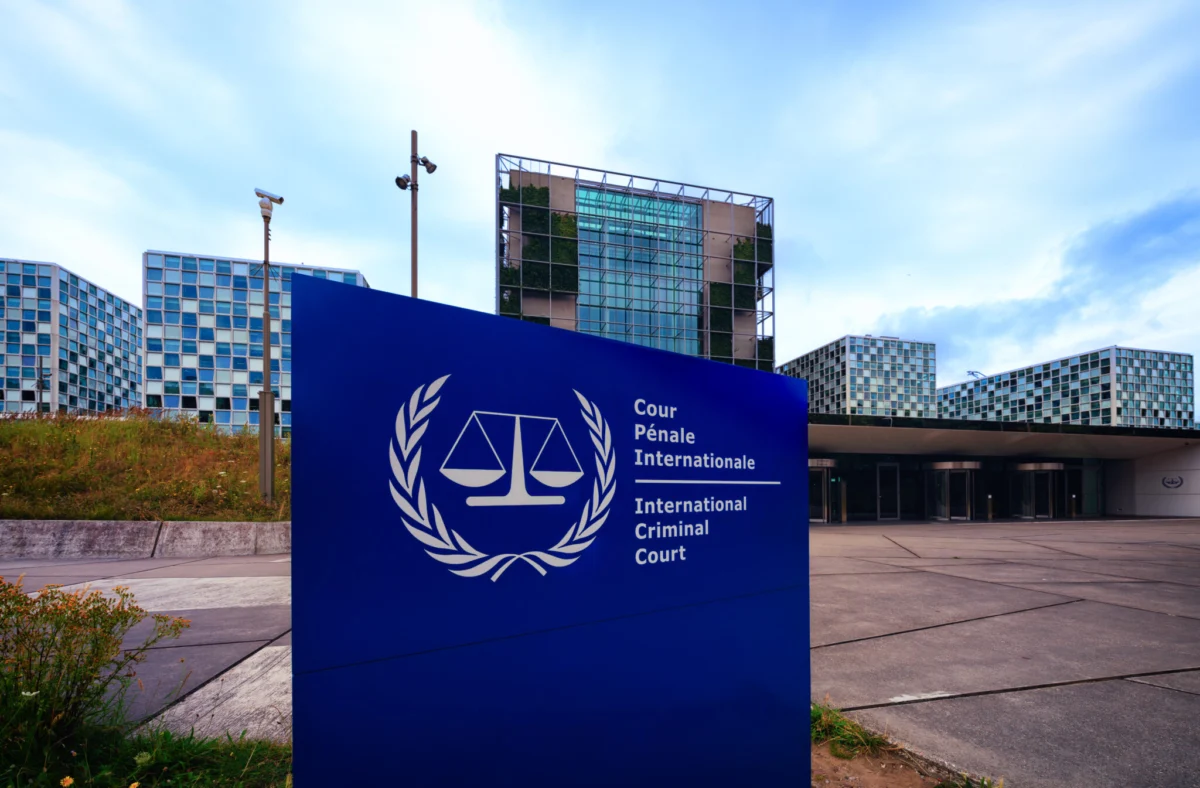
The international legal order is facing its most profound crisis since the post-World War II era. In an unprecedented move, a collective of United Nations human rights experts has issued an urgent, high-stakes appeal to member states of the International Criminal Court (ICC). They are demanding immediate, robust, and unified action to shield the world’s permanent war crimes tribunal from a systematic campaign of destabilization orchestrated by the United States government.
The tension stems from the latest wave of punitive measures imposed by the Trump administration against senior ICC officials—specifically, ICC President Tomoko Akane and Senior Trial Lawyer Abdoulaye Seye. These sanctions, characterized by the International Bar Association as a blatant "intimidation campaign," represent a dangerous escalation in the ongoing conflict between Washington’s geopolitical interests and the mandate of international justice.
The Core Conflict: Sovereignty vs. Global Accountability
At the heart of this standoff is a fundamental clash of philosophies. The US government, under the current administration, has explicitly pledged to "systematically dismantle" the ICC, operating under the assertion that the Court’s jurisdiction constitutes an infringement on American sovereignty. Washington claims the Court is "corrupt and fatally politicized," a sentiment recently echoed by Secretary of State Marco Rubio.
UN experts, however, frame the issue through a different lens. They warn that if the US succeeds in its campaign, it will effectively "roll back international criminal accountability gains" that have been laboriously forged since the Nuremberg and Tokyo tribunals. The potential collapse of the ICC, they argue, would extinguish the last vestige of hope for survivors of the most heinous atrocity crimes—including genocide, crimes against humanity, and war crimes—across the globe.
A Chronology of Confrontation
The friction between the US and the ICC is not new, but its current manifestation is uniquely severe. To understand the gravity of the situation, one must look at the historical trajectory of this adversarial relationship.
The Afghanistan Precedent (2020)
The modern era of US-ICC hostility began in earnest in 2020. Following the ICC’s decision to investigate alleged war crimes committed by US military personnel in Afghanistan, the Trump administration issued Executive Order 13928. This order authorized financial sanctions against then-Chief Prosecutor Fatou Bensouda and senior official Phakiso Mochochoko. While the subsequent Biden administration rescinded these measures, the precedent for using the US financial system as a weapon against international jurists was firmly established.
The Gaza Crisis and the Arrest Warrants (2025–2026)
The current crisis intensified significantly following the ICC’s pursuit of accountability in the Gaza conflict. The Court’s issuance of arrest warrants for high-ranking Israeli officials, including Prime Minister Benjamin Netanyahu and former Minister of Defence Yoav Gallant, acted as a catalyst for a new, more aggressive phase of US intervention.
In response, the US administration began a rolling program of sanctions. Figures such as former Prosecutor Karim Khan, Judge Beti Hohler, and Judge Reine Alapini-Gansou were added to the Treasury Department’s blacklist. This was followed on August 18, 2026, by the direct targeting of President Tomoko Akane and Senior Trial Lawyer Abdoulaye Seye.
Mechanisms of Coercion: The Anatomy of the Sanctions
The sanctions imposed by the US are designed to paralyze the daily functions of the ICC’s leadership. By designating these officials for restrictive measures, the US has effectively:
- Frozen all assets held within the United States.
- Banned entry to the US, preventing officials from attending diplomatic summits or engaging in necessary international dialogue.
- Severed access to financial services, including the use of US-linked credit cards and international banking systems that rely on US clearance.
The UN experts have underscored that these measures are not merely administrative; they are extraterritorial actions that constitute a clear violation of international law. Specifically, they point to Article 70 of the Rome Statute, the foundational treaty of the ICC. Article 70 is designed to protect Court officials from being "coerced, threatened or retaliated against" while performing their official duties. By punishing judges and prosecutors for their legal findings, the US is arguably in direct breach of the treaty’s protective framework.
Official Responses and Diplomatic Fallout
The international reaction to the US policy has been one of deep alarm. The ICC itself has formally condemned the sanctions, describing them as a "blow to international accountability."
The ICC’s Stance
The Court maintains that its proceedings are independent and evidence-based. By targeting the President and senior trial lawyers, the US is attempting to create a "chilling effect" on the judiciary. The Court has urged its 124 member states to stand by the principles of the Rome Statute, emphasizing that the independence of the judiciary is a non-negotiable pillar of global security.
The US Position
Washington maintains that the ICC is overstepping its bounds. Secretary of State Marco Rubio’s rhetoric suggests a belief that the ICC is an illegitimate body when it turns its gaze toward the US or its primary allies. The US government argues that because it is not a signatory to the Rome Statute, it is not bound by the Court’s jurisdiction, and therefore views any investigation into its citizens or allies as an act of political aggression.
Implications for the Future of Global Justice
The current impasse leaves the international community at a critical juncture. The implications of this standoff are wide-ranging and potentially irreversible.
1. The Erosion of the Rules-Based Order
If a superpower can successfully neutralize an international court through economic coercion, it sets a dangerous precedent. It signals to other nations that the "rules-based international order" is secondary to the national interests of the most powerful actors. This could lead to a decline in international cooperation on issues of human rights, environmental crimes, and transnational conflict.
2. The Vulnerability of Human Rights Defenders
The sanctions serve as a warning to all international civil servants. If a judge or a prosecutor knows that their decision-making will result in the loss of their personal financial freedom or the ability to travel, the neutrality of the legal process is compromised. This creates an environment where only "safe" cases are prosecuted, leaving the most powerful perpetrators effectively immune.
3. The Need for Collective Action
UN experts are calling for a "bold and unified" response from ICC member states. This could include:
- Diplomatic Solidarity: Issuing formal protests and joint statements against the US sanctions to signal that the international community does not view the ICC as "corrupt."
- Legal Protections: Developing mechanisms to insulate Court officials from the financial impacts of extraterritorial sanctions, such as establishing independent, non-US-linked financial channels for the Court’s operations.
- Strengthening the Rome Statute: Reaffirming the commitment to the Court by states that have historically been passive, ensuring that the ICC has the political backing to withstand the pressure of powerful detractors.
Conclusion: A Turning Point for Humanity
The struggle between the United States and the International Criminal Court is about more than just the individuals currently targeted. It is a battle for the soul of international law. As the UN experts noted, the fires of Nuremberg and Tokyo were lit to ensure that "never again" would atrocities go unpunished.
The current path of the US administration risks extinguishing that promise. As the international community watches this conflict unfold, the core question remains: Is the world willing to defend a system of universal justice, even when that justice is inconvenient for the most powerful? The actions taken by member states in the coming months will likely determine the fate of the ICC and, by extension, the future of international accountability for generations to come. The "critical juncture" mentioned by the UN is not merely a diplomatic turn of phrase—it is a warning that the window for meaningful, collective action is closing.