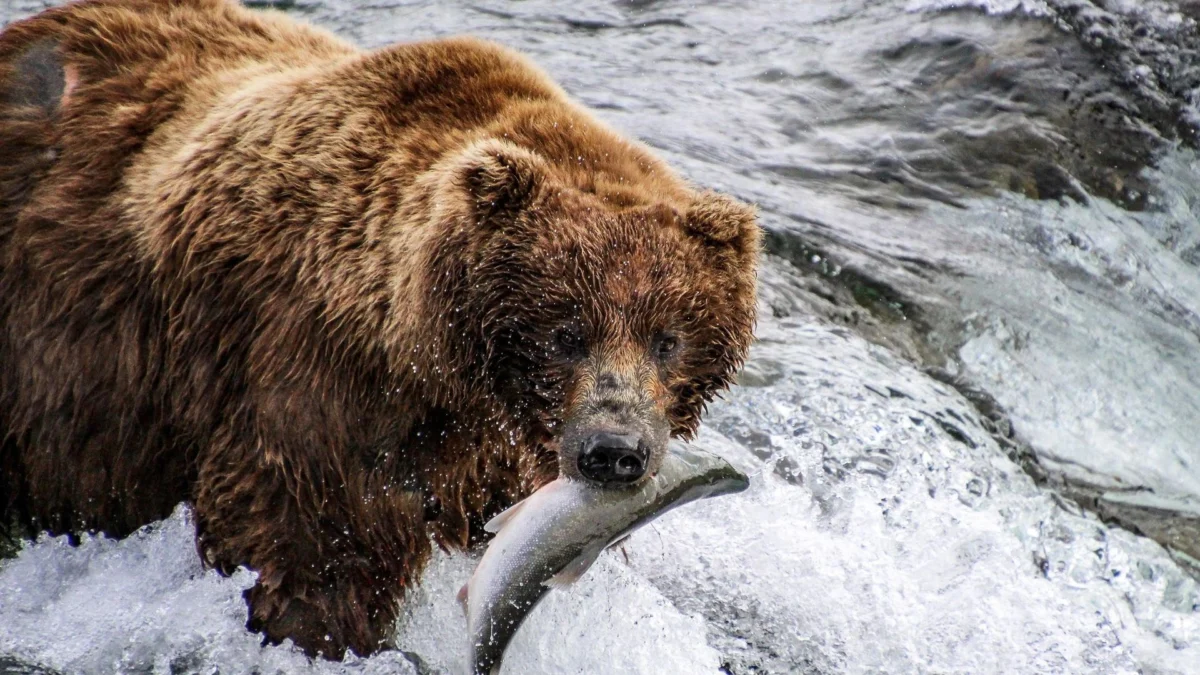
For most of the year, the term "bear" in financial circles conjures images of market pessimism, plummeting indices, and the dreaded "bear market" that keeps investors awake at night. However, as summer wanes and the first snows dust the rugged Alaskan wilderness, the conversation shifts from Wall Street to the literal ursine residents of Katmai National Park and Preserve.
It is time for Fat Bear Week, a digital cultural phenomenon that has transformed the way we view the natural world—and, perhaps, how we should view our own financial lives. While the bears of Katmai are busy preparing for their winter hibernation, their behavior offers a masterclass in risk management, long-term accumulation, and the necessity of balance.
The Mechanics of Fat Bear Week: A Decade of Digital Spectacle
Fat Bear Week, now entering its second decade, is an annual bracket-style tournament hosted by Katmai National Park. It serves as a celebration of the brown bears’ success in the Brooks River, where they congregate to feast on the massive salmon runs that define the region’s ecosystem.
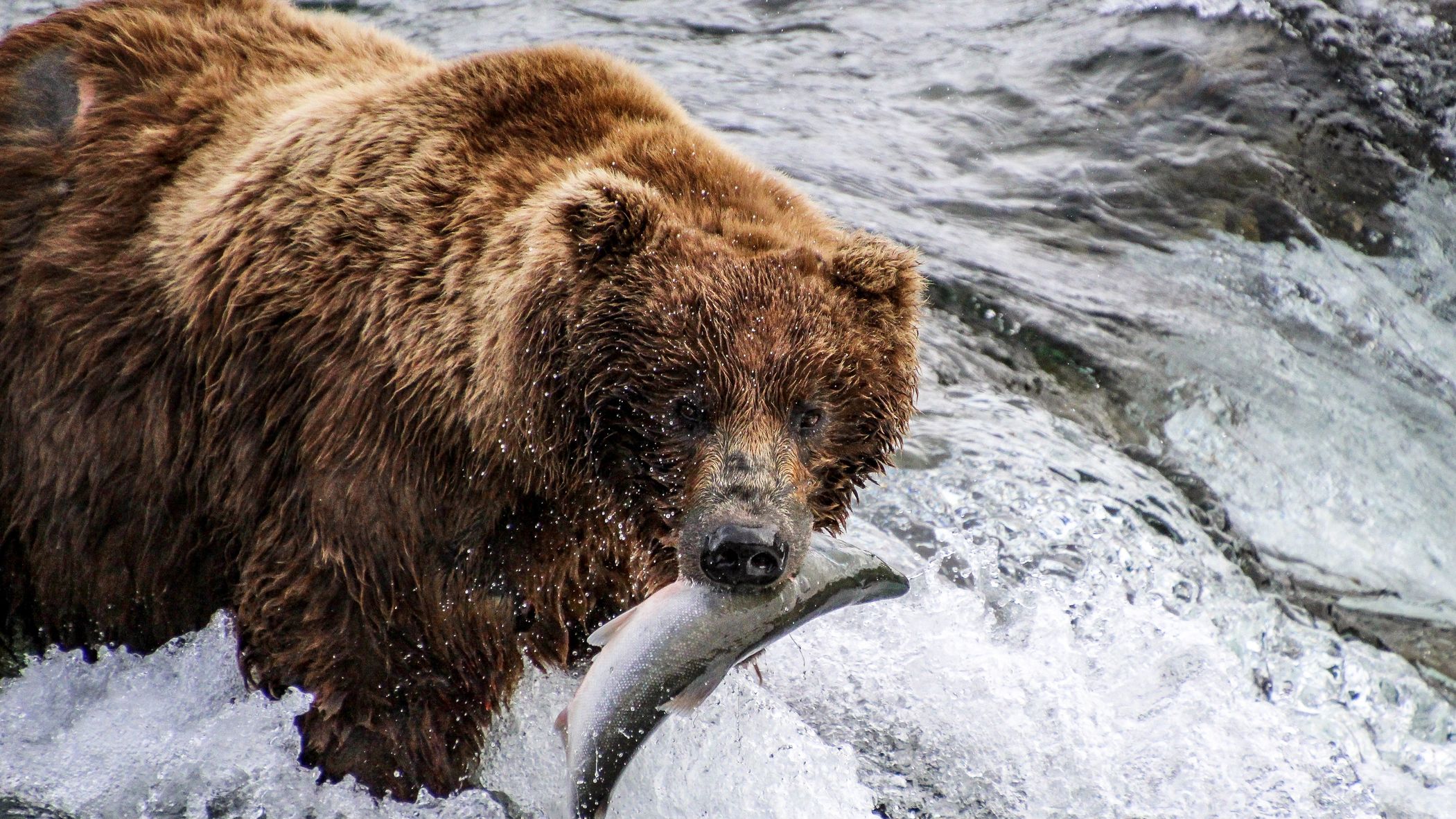
The event is fundamentally a study in survival. From July through September, these bears must pack on hundreds of pounds of fat to endure the harsh, food-scarce winter months. The tournament allows the public to vote on which bear has demonstrated the most impressive physical transformation. It is more than just a beauty—or rather, "bulk"—pageant; it is an educational tool designed to highlight the importance of the park’s habitat and the biological urgency of the bears’ seasonal cycle.
The Chronology of the Event
- Early July: The salmon begin their upstream migration, signaling the start of the "fattening" season.
- Late Summer: The bears stake out their spots at Brooks Falls, engaging in a complex dance of social hierarchy and opportunistic feeding.
- September 22: The official kickoff of Fat Bear Week, where the bracket is released to the public.
- September 29: The final round of voting concludes, crowning the "fattest" bear of the year.
The Parallel: Financial Accumulation as Biological Survival
When we observe these bears, we are witnessing the biological equivalent of a retirement savings strategy. Just as the bear must prioritize calorie intake to survive a lean winter, the human investor must prioritize the accumulation of assets to survive the "winters" of life—whether that means a market downturn, a loss of income, or the eventual transition into retirement.
The Principle of Consistent Contribution
Bears do not "time the market." They are at the river every single day of the season, eating consistently. This mirrors the most effective strategy for individual investors: dollar-cost averaging. By maintaining a presence in the market and consistently contributing to retirement accounts, investors build a "fat" portfolio that can withstand periods of volatility.
The Myth of the Solitary Investor
A common misconception about brown bears is that they are purely solitary and competitive. In reality, while they do compete for the best fishing spots at Brooks Falls, they also demonstrate a form of social coexistence. They recognize that the river provides enough for all, provided they respect the established order. Similarly, the modern financial landscape, democratized by online brokerages and diverse trading platforms, is an open ecosystem. Success does not have to be a zero-sum game; the market, like the river, has historically provided enough growth for those who know how to position themselves effectively.
Diversification: The "Berry and Sedge" Strategy
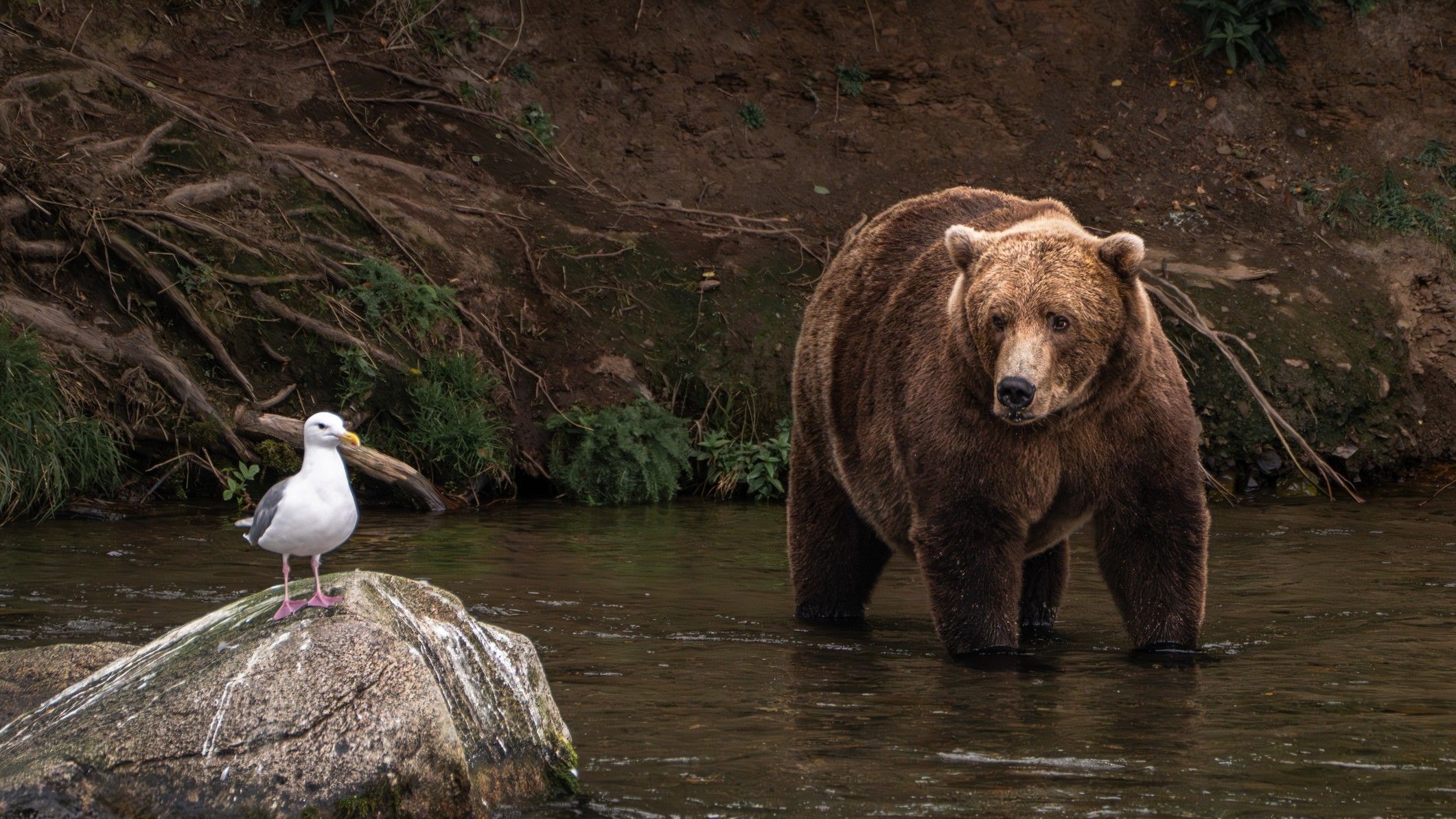
While the images of bears catching salmon are the most dramatic, it is a mistake to assume they rely on a single source of nutrition. Biologically, these bears are opportunistic omnivores. They supplement their protein-rich salmon diet with nutrient-dense berries, sedge grasses, and roots.
This is a perfect metaphor for portfolio diversification. A portfolio consisting solely of one asset class—or one "flavor" of stock—is inherently vulnerable. A robust financial plan, much like a healthy bear’s diet, includes a variety of assets that react differently to various economic conditions. By spreading risk across equities, fixed income, real estate, and cash equivalents, investors protect themselves against the "winter" of a specific market sector failing.
The Generational Mandate: Legacy and Education
Perhaps the most poignant aspect of observing the bears at Katmai is the role of the mother bear. Viewers of the livestream often see females leading their cubs to the most productive areas of the river, teaching them not only how to fish but where the best spots are located.
This behavior is a striking parallel to the "Trillion Dollar Talk"—the essential, yet often avoided, conversation about intergenerational wealth transfer. Just as a mother bear trains her cubs to ensure their survival, parents and grandparents have a responsibility to pass on financial literacy and values to the next generation. Whether it is teaching a child about compound interest or setting up a 529 plan, the goal is the same: providing the next generation with the tools they need to navigate the world independently.
The Reality Check: We Are Not Bears
While the parallels between bear survival and financial planning are compelling, it is crucial to recognize the distinction between instinct and intention. As noted by park rangers, these are wild animals in a volatile environment. Their lives are dictated by the primal need for survival, which occasionally leads to aggressive behavior and high-stakes conflict.
Humans, fortunately, are "domesticated" in the context of their financial lives. We have the privilege of choice. We are not forced by biological imperatives to spend every waking hour "eating."
The Joy of Non-Accumulation
Because we do not live in the wild, we have the freedom to pursue "inefficient" passions. We can choose to take a lower-paying job that offers more personal fulfillment. We can spend money on travel, education, and hobbies that do not necessarily increase our net worth but do increase our quality of life.
True financial success is not merely about reaching a specific number in a bank account; it is about reaching a point where your assets allow you to live a life that is, in itself, a reward. Whether that means taking a sabbatical, investing in a passion project, or simply enjoying a $7 latte without checking your portfolio’s performance, we have the autonomy to balance accumulation with experience.
Official Perspectives: The Value of Observation
The National Park Service and organizations like Explore.org view Fat Bear Week as a cornerstone of conservation. By humanizing these animals through the bracket format, they foster a deeper public connection to the Katmai ecosystem.
"These bears are ambassadors for their habitat," says one park volunteer. "When people watch a bear grow from a cub to a dominant adult, they become invested in the protection of that landscape. It turns a distant, abstract conservation issue into a personal one."
This is the ultimate lesson for the investor: engagement. When you engage with your finances—when you understand where your money is going and why—you are more likely to protect your long-term interests. You become an active participant in your financial future rather than a passive observer.
Implications for the Modern Investor
As the snow begins to fall in Alaska and the bears prepare for their winter rest, we should take a moment to evaluate our own "fattening" season.
- Build Your Reserve: Ensure your emergency fund is sufficient to cover you through your own version of winter.
- Diversify Your Sources: Don’t rely on one "salmon run." Ensure your portfolio is broad enough to survive market shifts.
- Teach the Next Generation: Use your financial knowledge to empower those who will follow you.
- Remember to Live: Do not become so consumed by the process of accumulation that you forget to enjoy the life you are building.
In conclusion, while we may not be hibernating in a den this winter, the philosophy of the Fat Bear is one we should adopt: prepare with discipline, diversify your resources, protect your family, and recognize that the goal of all this hard work is to enjoy a life well-lived. As you cast your vote for this year’s winner, remember that you, too, are preparing for your future—and you have the privilege of doing it with both wisdom and grace.