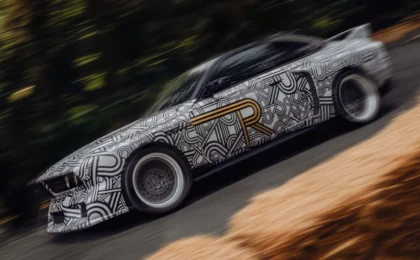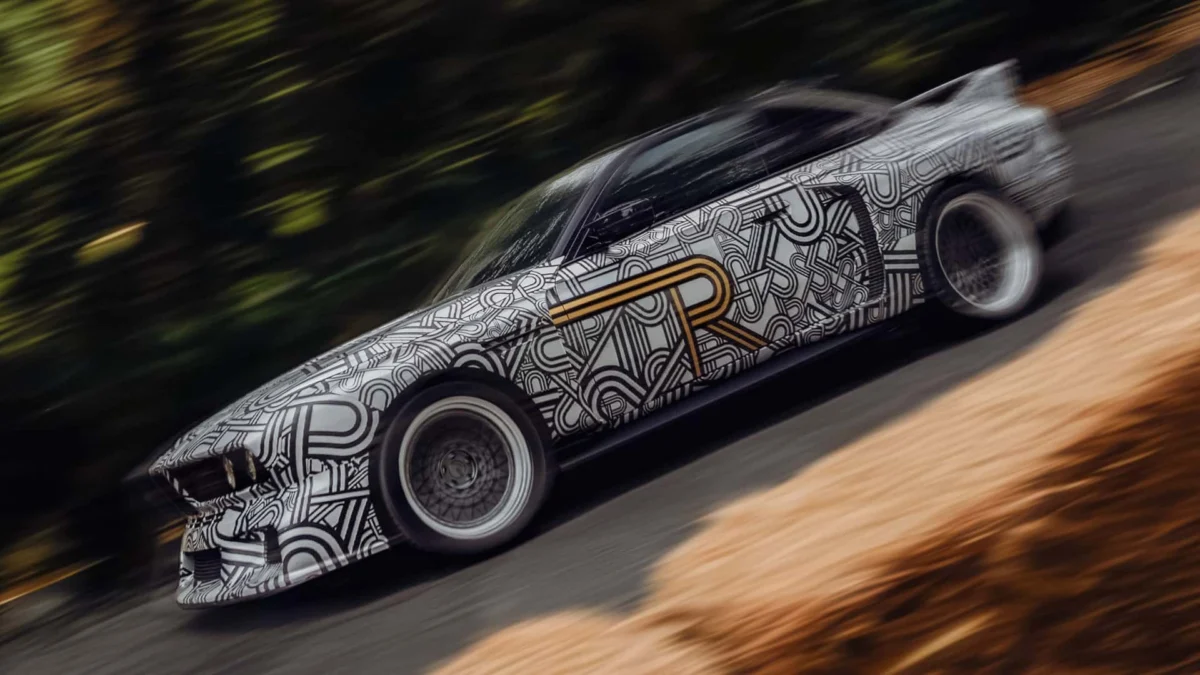
In the world of automotive coachbuilding, the line between homage and heresy is razor-thin. Yet, every so often, a project emerges that captures the collective imagination of enthusiasts by blending modern engineering with the soul of a bygone era. Riverti Automobili has officially stepped into this spotlight, pulling its heavily camouflaged prototype of a BMW M2-based 3.0 CSL tribute from the confines of its design studio and onto the unforgiving tarmac of an Italian hillclimb event.
This public debut serves as more than just a shakedown; it is the first tangible evidence that Riverti’s ambitious vision—previously relegated to digital sketches—is becoming a mechanical reality. By utilizing the G87-generation BMW M2 as a canvas, the boutique coachbuilder is attempting to bridge the gap between the raw, analog spirit of the 1970s and the sophisticated, high-performance capabilities of the modern Bavarian M division.
The Core Concept: Not "Resto," But "Retro"
The philosophy behind Riverti’s latest endeavor is succinctly captured in their internal mantra: "Not ‘resto.’ Retro." This distinction is critical. Unlike a traditional restoration project, which seeks to preserve or recreate a specific classic car using period-correct methods and parts, the Riverti approach is a high-tech reimagining.
The project is a "retromod"—a modern donor vehicle stripped of its contemporary skin and refitted with custom, hand-crafted bodywork that channels the iconic aesthetic of the 1970s BMW 3.0 CSL, famously dubbed the "Batmobile" for its aggressive, aerodynamic appendages. By starting with the G87 M2, Riverti ensures that the car benefits from modern safety standards, a reliable and potent twin-turbocharged powertrain, and a sophisticated chassis, all while cloaking the car in a silhouette that pays deep respect to BMW’s golden era of touring car racing.
Chronology of the Project: From Digital Dreams to Hillclimb Reality
The journey of the Riverti 3.0 CSL tribute has been one of gradual disclosure, designed to pique the interest of collectors and automotive purists alike.
The Teaser Phase
Initially, Riverti Automobili teased the public with high-fidelity design sketches and renderings. These early glimpses showcased a radical departure from the standard M2’s angular, polarizing lines. The designs highlighted a significantly shrunken kidney grille—a welcome change for many BMW enthusiasts—and the incorporation of four round, classic-style headlights that harkened back to the E9 coupe chassis of the 1970s.
The Studio Reveal
Following the digital hype, Riverti released studio photography confirming the general architecture of the project. The photos revealed a wide-body conversion that extended beyond mere aesthetic modifications, suggesting a complete re-skinning of the M2. The car was positioned as a low-volume, coachbuilt special, intended for those who find the factory offerings too common but still demand modern performance reliability.
The Hillclimb Debut
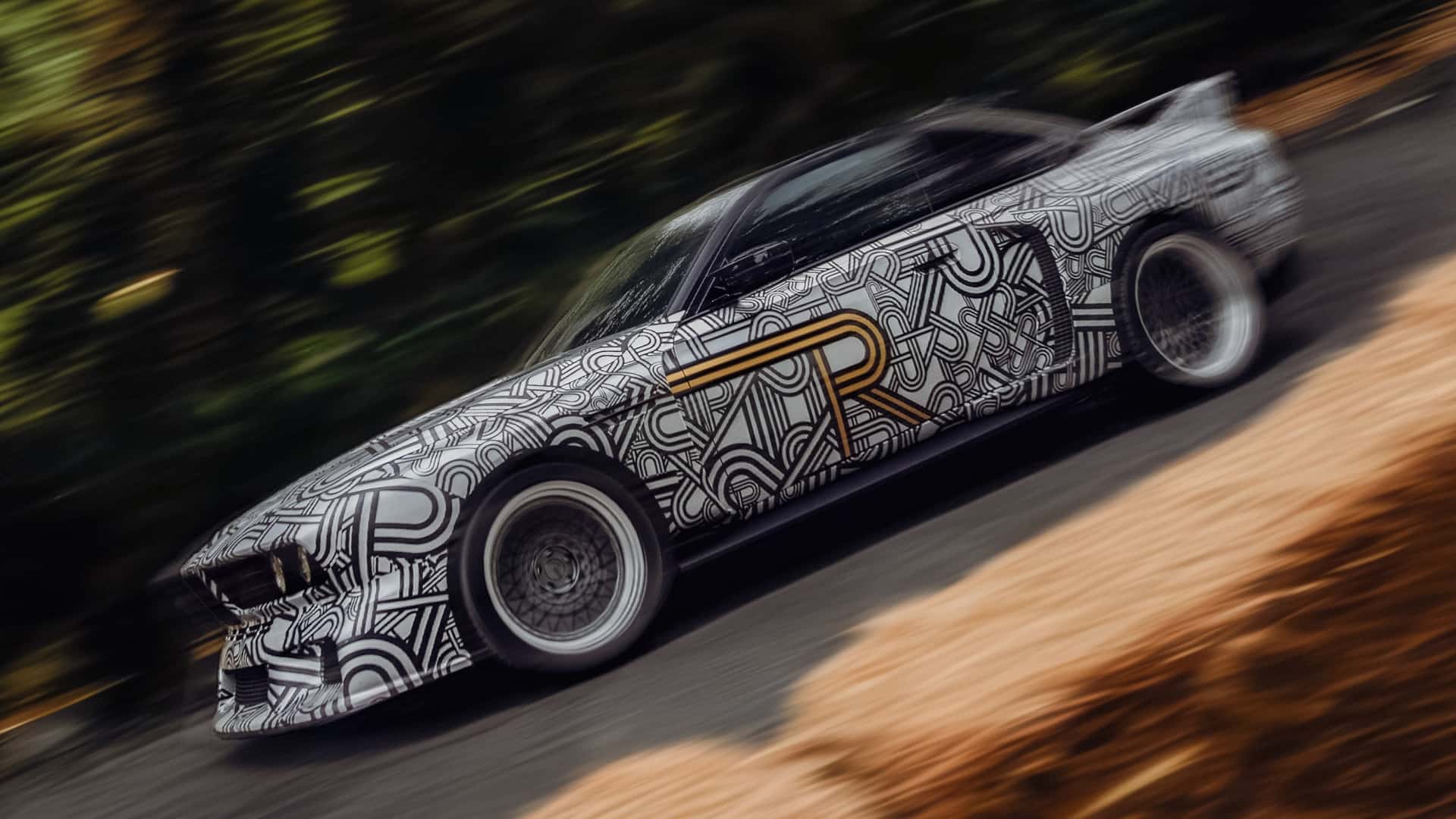
The most significant milestone to date occurred in Italy, where the camouflaged prototype was seen attacking a hillclimb course. Seeing the car in motion, rather than merely sitting on a pedestal, provided the public and the press with a sense of its proportions and its presence on the road. Despite the swirling black-and-white camouflage wrap designed to obscure the finer details, the unmistakable "Batmobile" stance was clearly visible. The flared arches, the classic-inspired wheels, and the prominent double rear wing treatment signaled that Riverti is committed to honoring the silhouette of the legendary racer.
Technical Specifications and Performance Expectations
While the visual transformation is substantial, the technical heart of the vehicle remains, for now, the G87 M2’s stock DNA.
The Powertrain
The prototype utilizes the current M2’s twin-turbocharged 3.0-liter inline-six engine. In its factory state, this engine is a powerhouse, delivering 473 horsepower. Riverti has not yet confirmed whether the engine has been re-tuned for the tribute, but given the nature of coachbuilt specials, many expect that the firm may offer performance upgrades, including custom exhaust systems or ECU mapping, to further differentiate the driving experience from the base model.
Chassis and Dynamics
The G87 M2 is already a capable performer, with a chassis that sits in the high 3,000-pound range. By replacing steel or plastic body panels with custom, potentially lightweight materials, Riverti may be looking to improve the power-to-weight ratio. However, without official confirmation on the materials used for the bodywork—be it carbon fiber, aluminum, or composite—it remains speculative to determine the exact impact on the car’s handling characteristics.
Transmission
One of the most pressing questions for enthusiasts is whether the car will retain the six-speed manual transmission or the eight-speed ZF automatic. Given that the target demographic for such a car usually prizes driver engagement, the availability of a manual gearbox will likely be a make-or-break factor for many potential buyers.
Design Cues: A Masterclass in Homage
Riverti’s design team has clearly studied the 3.0 CSL archives. The most striking element is the front fascia. The standard M2’s aggressive, vertical-heavy cooling ducts have been swapped for a cleaner, more horizontal aesthetic. The round headlights are a masterstroke, immediately evoking the 1970s touring car icons.
The wheels deserve special mention. Rather than opting for modern, oversized, flat-faced alloys, Riverti has opted for tightly spoked, period-correct motorsport wheels. These wheels not only look the part but also provide a visual weight balance to the flared fenders that sit above them. At the rear, the double-wing treatment—a signature of the original CSL—is not just an aesthetic choice; it’s an aerodynamic tribute. The original Batmobile spoilers were designed to create significant downforce for racing, and while the Riverti tribute may not be hitting the Nürburgring for endurance records, the wing provides the necessary visual aggression to complete the look.
The Competitive Landscape
Riverti is not the only player in the high-end retromod market. The industry has seen a surge in companies taking modern platforms and transforming them into historical tributes.
- The Factory Competitor: In 2023, BMW itself produced a limited run of 50 units of the 3.0 CSL, based on the G82 M4 platform. This puts Riverti in a difficult, yet interesting position. While the factory version is an official collector’s item, it is also prohibitively expensive and largely unavailable. Riverti’s offering acts as a "tribute to the tribute," likely at a lower price point and with a different donor platform, making it more accessible to the serious enthusiast who wants to actually drive their car rather than store it in a temperature-controlled vault.
- The Restomod Trend: Companies like Singer (Porsche) and Bertone have set the gold standard for this type of work. Riverti’s success will ultimately depend on how well they execute the fit and finish. In the world of ultra-luxury coachbuilding, the difference between a project that feels "tacked on" and one that feels "factory-integrated" is everything.
Implications for the Future
The existence of the Riverti 3.0 CSL tribute signals a shift in how we value performance cars. We are moving away from an era where "new" is always better and toward an era where "character" is the ultimate commodity.
Implications for Collectors
If Riverti keeps production numbers tiny—say, under 25 units—the car will almost certainly become a collector’s item. The "cachet" of the M2 base will be superseded by the "cachet" of the coachbuilt rarity. However, if they scale production too high, they risk diluting the exclusivity that defines this segment of the market.
Implications for BMW Purists
For the purist, this car is a complex subject. On one hand, it modifies a modern icon, which some may view as sacrilege. On the other hand, it celebrates the heritage of the brand in a way that modern design language often fails to do. If the build quality is high, it could foster a newfound appreciation for the M2 platform, showcasing its versatility as a foundation for bespoke design.
Final Thoughts: A Display Piece or a Driver’s Car?
As Riverti Automobili continues its testing phase, the automotive community waits for the final, production-ready specifications. The biggest challenge for Riverti will be convincing the market that this is more than just a body kit. To justify a high price point, the engineering must match the aesthetic.
For the prospective buyer, the Riverti 3.0 CSL tribute offers a unique value proposition: the reliability of a modern BMW M-car combined with the timeless silhouette of a racing legend. Whether it will be treated as a daily driver, a weekend canyon carver, or a static display piece in a private museum remains to be seen. What is certain, however, is that Riverti has succeeded in starting a conversation, and in the world of automotive design, that is the first step toward building a legend of one’s own.
As we look toward the eventual production reveal, the industry will be watching to see if Riverti can balance the weight of history with the demands of the future. If they succeed, they may just prove that the spirit of the Batmobile is not a thing of the past, but a living, breathing concept that can be continuously reimagined for the modern age.