Nineteen years ago, the Thai island of Ko Lipe was a sanctuary of simplicity. In 2006, it was a place defined by its absence: an absence of noise, an absence of concrete, and an absence of expectation. Electricity was a luxury provided only for a few hours each evening. A basic bungalow, mere steps from the sand, cost roughly $2 USD. There was a genuine sense of finality to the “last boat of the season.” It was a traveler’s dream—a place where days bled into weeks, where you spent your time reading on the beach, snorkeling in pristine waters, and sharing beers at the island’s singular beach bar.
Returning nearly two decades later, however, the nostalgia that once fueled the desire to revisit has been replaced by a sobering realization: Ko Lipe has become a casualty of the very tourism that once sustained it.
The Transformation: From Secluded Haven to Overdeveloped Hub
The trajectory of Ko Lipe is not unique, but it is deeply painful for those who witnessed its infancy. In 2006, the island’s charm was its ruggedness. It was a place where one could learn the local language, form deep bonds with the community, and live an idyllic, slow-paced life. For years, I deliberately avoided returning. I feared the inevitable—that the “magic” of those early days was a product of time and place that could never be replicated. I feared that by returning, I would be “chasing ghosts.”
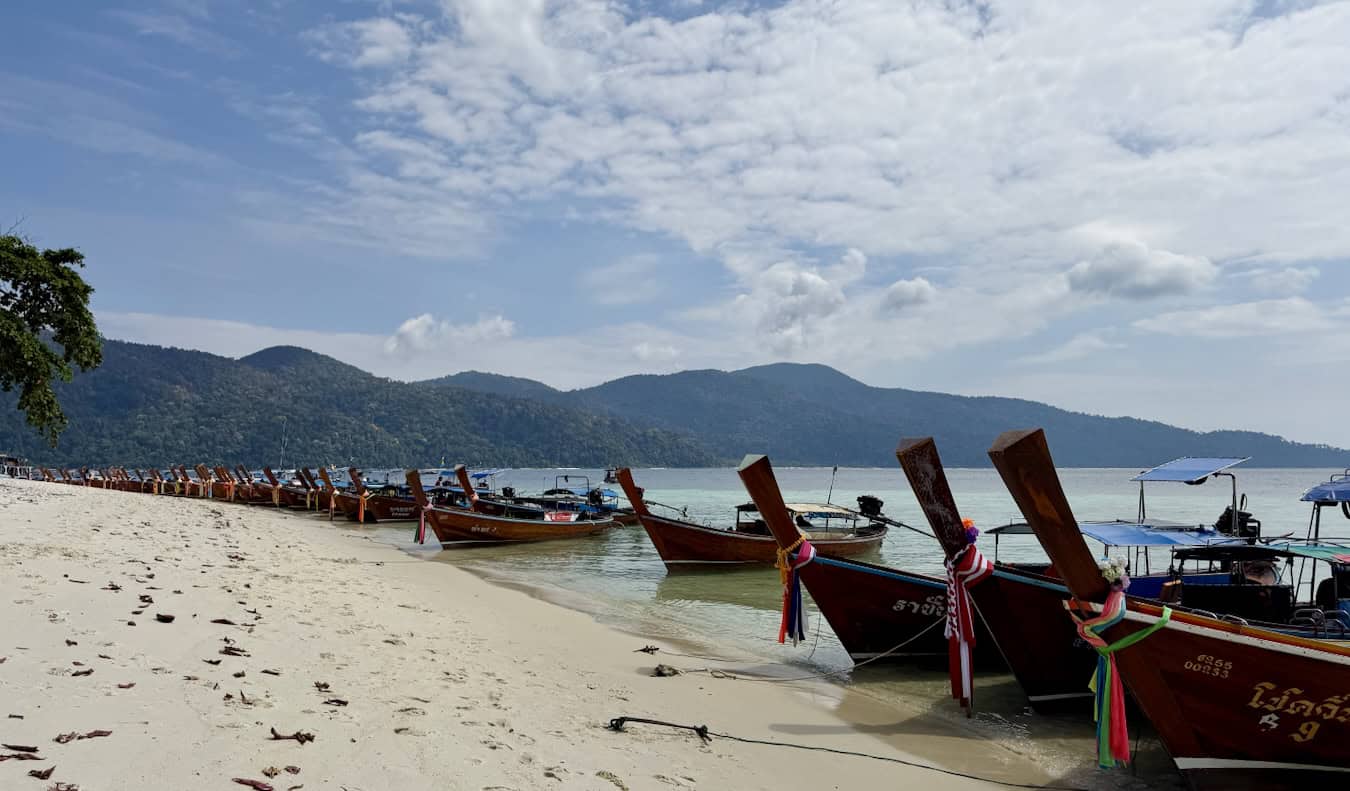
My recent return to the island—a stopover during a journey through Southeast Asia—confirmed my darkest suspicions. Ko Lipe has adopted the “Ko Phi Phi model” of tourism. It has been transformed from a sleepy, off-the-beaten-path destination into a hyper-developed node of mass tourism.
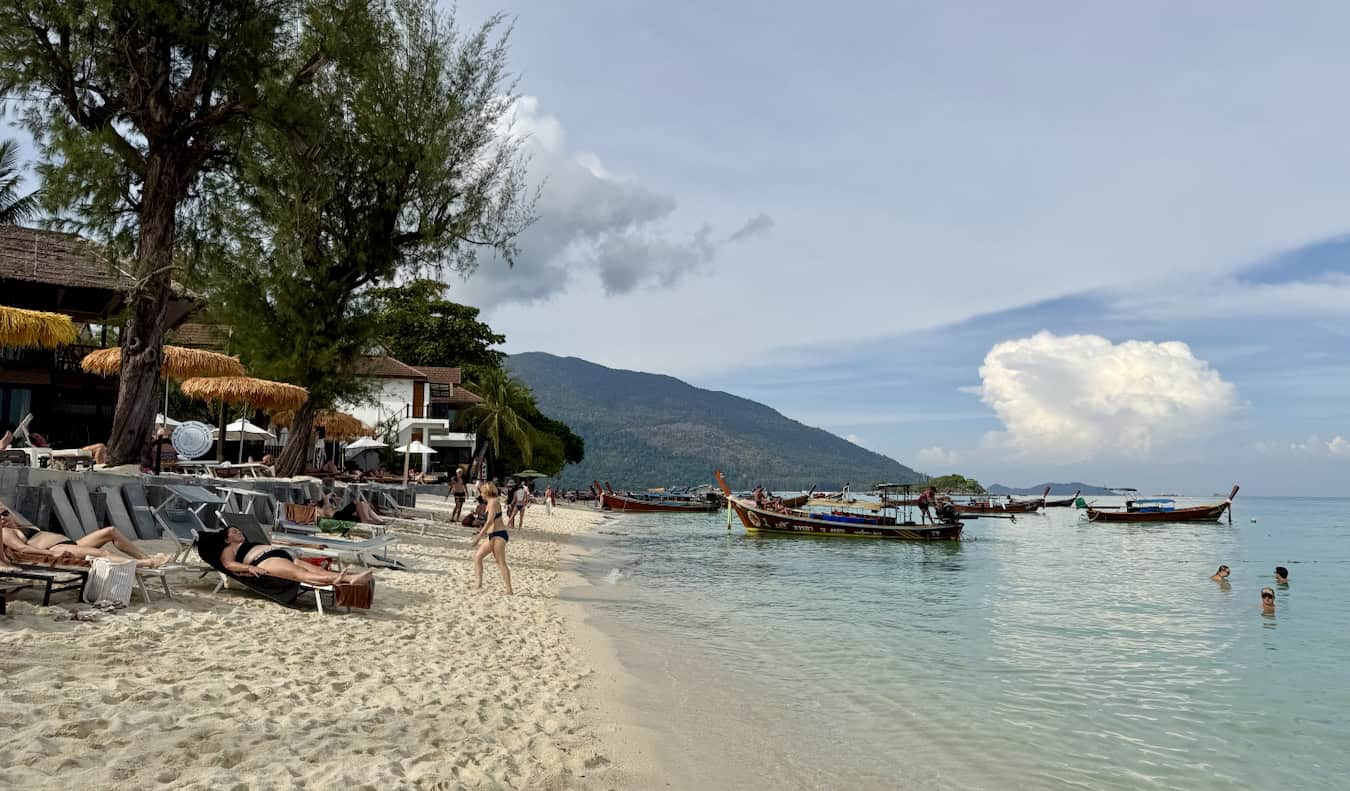
The physical landscape has been fundamentally altered. The dirt paths that once meandered through the palm groves have been paved over with concrete to accommodate the constant flow of motorized transport and construction trucks. Lush swathes of land have been cleared to make way for high-end resorts—often equipped with pools that place an immense, unsustainable strain on an island that lacks a natural freshwater supply.
A Chronology of Decline: The Erosion of Sustainability
To understand the current state of Ko Lipe, one must look at the progression of its development.
- The Early 2000s (The Era of Isolation): The island was largely accessed by small, infrequent wooden boats. The community was tight-knit, and tourism was supplemental to traditional livelihoods like fishing.
- The Mid-2010s (The Tipping Point): As social media began to dictate travel trends, Ko Lipe’s “postcard-perfect” aesthetics led to an exponential increase in foot traffic. The infrastructure, designed for a handful of backpackers, began to buckle under the weight of thousands.
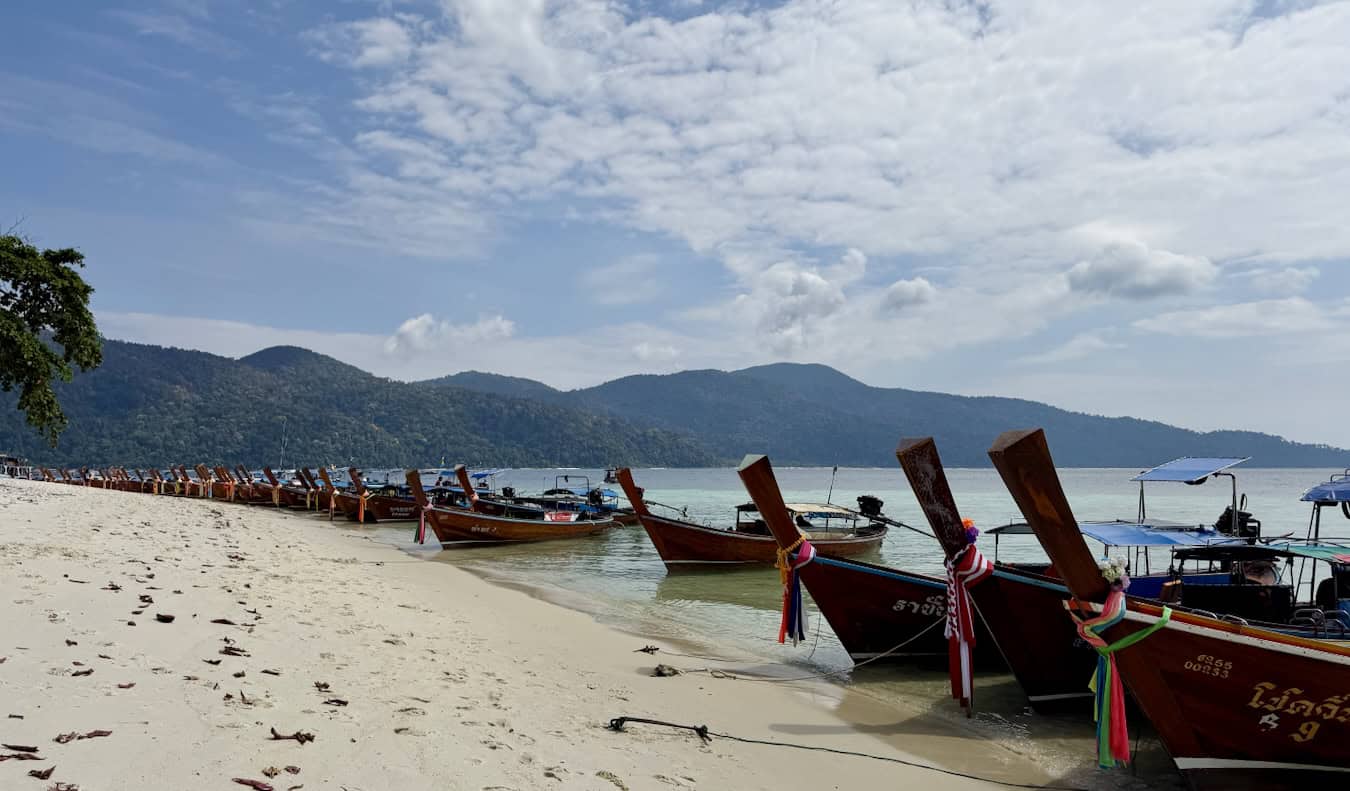
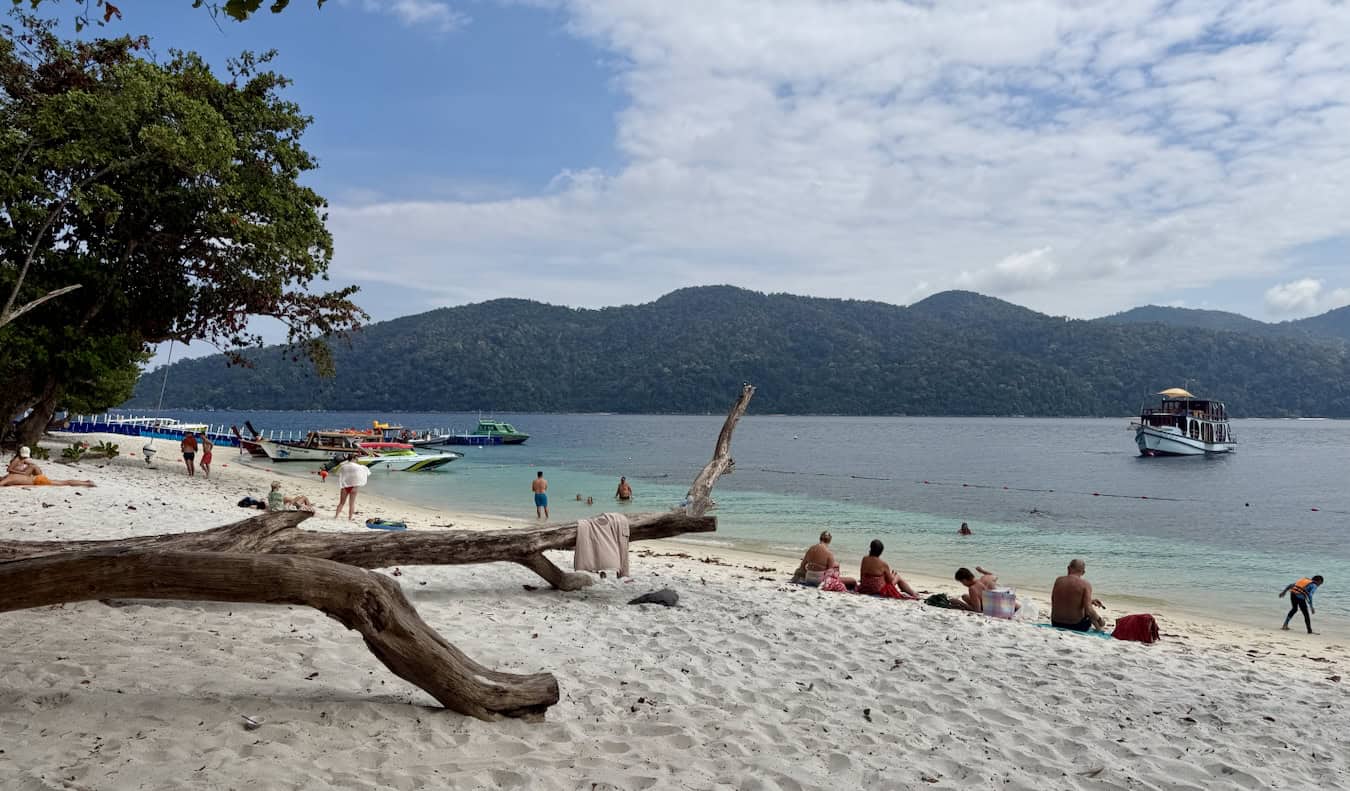
- The Present Day (The Over-Saturation): Today, construction is continuous. The coral reefs, once a vibrant underwater cathedral, are dying—suffocated by boat anchors, fuel exhaust, and the chemical runoff from the island’s lack of a proper waste management system. The beaches are no longer empty stretches of white sand; they are crowded docks for longtail boats, their engines leaving a shimmering, toxic film of oil on the water’s surface.
The Human and Ecological Cost
The implications of this growth go far beyond the aesthetic. The socio-economic fabric of the island has been dismantled. As land values skyrocketed, many local residents were incentivized to sell their ancestral plots to mainland developers. Consequently, the island’s labor force is now largely composed of transient workers from the mainland who rarely see the dividends of the tourism boom.
Ecologically, the situation is even more dire. The island’s limited resources are being squeezed to breaking point. The reliance on imported water, the lack of effective sewage treatment for the surge in high-density resorts, and the degradation of the surrounding marine park suggest that the island is approaching an environmental tipping point from which there may be no return.
Official Responses and the Industry Perspective
While local government officials in the Satun Province have occasionally signaled an intent to regulate tourism, the reality on the ground remains one of unchecked expansion. Public statements often emphasize “sustainable tourism” and “eco-conscious development,” yet the permit system for new construction remains permissive.
Industry analysts point out that Thailand’s tourism sector is currently in a race to maximize revenue post-pandemic. The “build, build, build” mentality is a common feature of Thai island development, where the pressure to accommodate high volumes of tourists overrides the long-term conservation of the very natural beauty that attracts those tourists in the first place. There is no “genie in the bottle” solution here; once the concrete is poured and the coral is bleached, the process is largely irreversible.
Implications for the Conscious Traveler
The question arises: If a place is undeniably beautiful—with its azure waters, white sands, and access to national park tours—is it still a valid destination?
The short answer is no. While a first-time visitor might be blinded by the postcard aesthetics and the relative improvement over the even more crowded Phuket or Krabi, the cumulative impact of our presence there is negative.
As travelers, we must recognize that our choices have direct consequences. When we choose to vacation in a destination that is failing to manage its resources sustainably, we are providing the economic incentive for that destruction to continue.
Why You Should Skip Ko Lipe
- Resource Depletion: Your stay puts unnecessary pressure on water and waste systems that the island cannot support.
- Supporting Unsustainability: By staying in resorts built on displaced local land, you contribute to a cycle that ignores the needs of the host community.
- Better Alternatives Exist: Islands such as Ko Lanta, Ko Jum, and Ko Mook offer similar beauty but are managed with significantly higher regard for their environment and local culture.
The Path Forward: Voting with Our Feet
We have seen, in the past, that consumer behavior can force systemic change. The movement against elephant riding in Thailand was fueled entirely by an educated public that refused to participate in cruel practices. The rise of eco-lodges was a direct response to a market demand for sustainability.
If we want to see the future of Thai tourism change, we must start by being more selective. If enough travelers decide that Ko Lipe is no longer a viable destination, the market will shift.
It pains me to write this. Ko Lipe was a defining chapter in my own travel history. But being a “good steward” of the world means knowing when a place has been loved to death. Sometimes, the most responsible action a traveler can take is to turn around and go somewhere else.
By choosing to visit better-managed destinations, you aren’t just protecting your own travel experience; you are taking a stand against the commodification of our natural wonders. The world is large, and there are many islands that still offer the authentic, sustainable beauty that Ko Lipe once possessed.
Choose those. Leave the ghosts of Ko Lipe to their memories. It is time to say enough is enough.