For decades, the prevailing image of travel has been defined by the "checklist" mentality. Travelers arrive in a destination, navigate the crowded corridors of famous landmarks, capture the same Instagram-worthy photos as millions of others, and retire to a hotel that mirrors their home life in every way except for the view from the window. This model of travel is fundamentally extractive—a transactional exchange where the visitor takes content, sights, and experiences without ever truly engaging with the pulse of the destination.
Even within the "nomad" subculture, where travelers pride themselves on avoiding the "tourist" label, the underlying behavior often remains unchanged. Many long-term travelers simply replicate the standard vacation experience at a slower pace and a lower price point, floating above the local culture rather than becoming part of its fabric. However, a significant shift is currently underway. A growing segment of the global traveling population is rejecting the role of the passive spectator in favor of becoming active participants in the places they visit.
The Shift from Extractive Tourism to Embedded Experience
The most transformative travel experiences are rarely found in a guidebook; they are found in the messy, authentic, and often challenging process of being embedded in a community. To truly understand a culture, one must move beyond the superficial layer of sightseeing and commit to a longer stay.
This, however, presents a logistical hurdle. How does a traveler move from being a transient guest to a contributing member of a community without the support systems of home? In the past, the barrier to entry was high: vetting legitimate volunteer organizations, navigating complex visa bureaucracies, and finding sustainable employment in a foreign economy were daunting tasks that often deterred even the most ambitious travelers.
Today, that barrier is lowering. Organizations such as Global Work & Travel are providing the necessary scaffolding—the logistical safety net—that allows travelers to transition from "passing through" to "living abroad."
The Evolution of the "Working Holiday"
For the last ten years, the term "digital nomad" has dominated the travel conversation. It offered the dream of working remotely from a beachside café, earning a strong currency while living in a lower-cost region. Yet, this model is inherently exclusive. It requires a specific set of skills, a pre-existing remote income, and a level of career stability that is often out of reach for students, early-career professionals, or those looking to pivot their lives.
"Working holidays" are now flipping this narrative. By arriving in a country with the intent to join the local labor market, travelers are finding a more grounded and accessible way to experience the world. Instead of maintaining a digital bubble that separates them from their surroundings, working holiday makers integrate into the local economy. They build relationships through shared workplace experiences, navigate local bureaucracies, and develop a routine that mimics the daily lives of residents.
This model is not just an alternative to digital nomadism; it is a more sustainable, human-centric way to travel. It fosters organic connections and offers a level of cultural literacy that is impossible to achieve in a two-week vacation.
Supporting Data: The Impact of Structured Programs
The logistical complexity of moving abroad is the primary reason many people abandon their travel aspirations before they begin. Navigating employment laws, securing housing, and managing the psychological strain of culture shock are significant barriers.
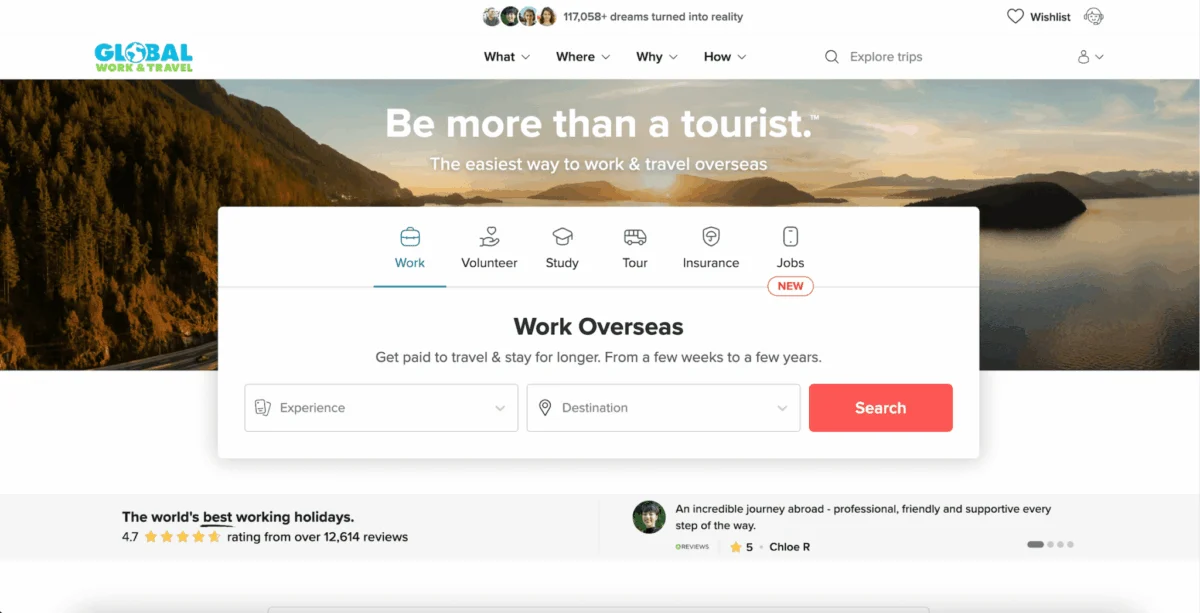
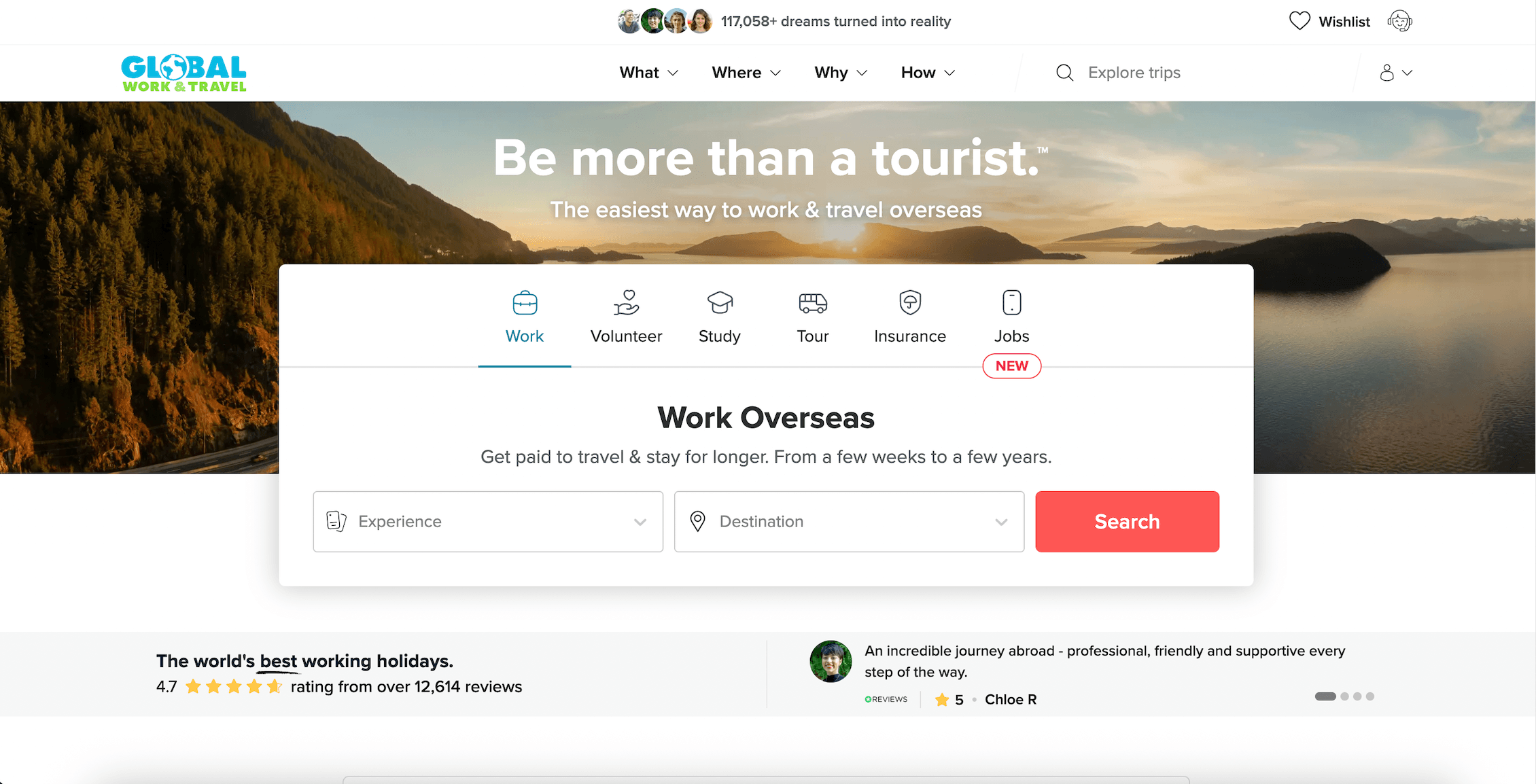
Companies like Global Work & Travel have stepped into this space, acting as a bridge between the dream and the reality. With nearly two decades of experience, the company has placed over 116,000 individuals into programs ranging from internships and teaching positions to working holidays. Their methodology relies on removing the friction of relocation:
- Pre-departure Support: Guidance through the labyrinthine visa application process.
- Job Matching: Vetting opportunities to ensure they align with the traveler’s skills and goals.
- The gWorld Portal: A centralized app that manages documentation, accommodation, and community networking, ensuring that a traveler’s "scaffolding" remains intact even when they are thousands of miles from home.
This structured approach is particularly crucial for first-time travelers, for whom the fear of the unknown is the biggest obstacle to departure.
Ethical Volunteering: A Critical Re-evaluation
The concept of "voluntourism" has faced rightful scrutiny in recent years. Many programs have been criticized for being profit-driven, where the "impact" is designed more for the volunteer’s social media feed than for the community being served.
However, when properly managed, volunteering is a vital component of deep travel. The key lies in legitimacy. Organizations that prioritize community-led initiatives—where the local population defines the priorities—offer a profoundly different experience.
Global Work & Travel has addressed this by auditing their programs, focusing on sectors like wildlife conservation in South Africa, elephant rehabilitation in Thailand, and community development in Zanzibar. By working alongside locals on projects they have identified as essential, travelers shift their perspective from "helping" to "learning." The inclusion of the Global Animal Welfare Fund further ensures that resources are channeled into conservation long after the volunteer has returned home, creating a legacy of positive impact.
The Socio-Economic Implications
What are the implications of this shift toward deeper, longer-term travel?
- Economic Integration: By working locally, travelers contribute to the local economy rather than just patronizing tourist-specific businesses.
- Cultural Exchange: Long-term immersion creates a two-way street of understanding, breaking down the stereotypes that often accompany brief, superficial interactions.
- Personal Development: The act of navigating a foreign labor market, overcoming language barriers, and building a community from scratch provides professional and personal growth that is unmatched by traditional travel.
- Sustainability: Longer stays in one location reduce the carbon footprint associated with constant transit, encouraging a more mindful approach to global movement.
Logistics: Bridging the Gap
For those ready to move from the tourist checklist to a more meaningful experience, the logistics remain the final hurdle. For the uninitiated, the process is best broken down into clear, actionable steps:
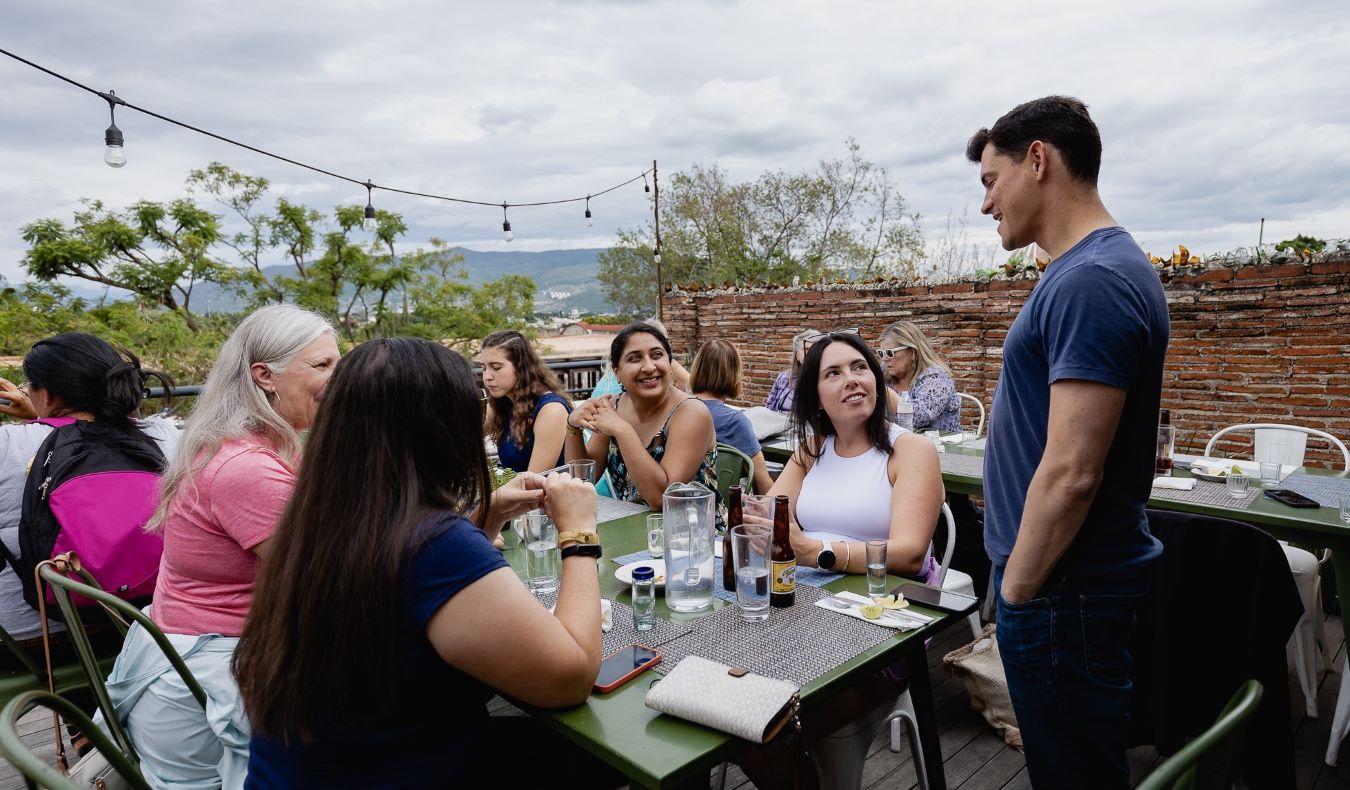
1. Planning and Budgeting
The "bible for budget travelers," How to Travel the World on $75 a Day, remains a cornerstone for those looking to manage costs. However, when working abroad, the budget shifts from "spending" to "earning and managing." Planning 6–12 months in advance is recommended to navigate visa quotas and secure necessary work permits.
2. The Power of Professional Networks
Utilizing platforms that offer a safety net is no longer a luxury; it is a strategic decision for the modern traveler. Whether it is using a platform like Global Work & Travel to handle the legalities of a working holiday or leveraging travel credit cards to maximize points for essential flights, the goal is to reduce the "friction" of travel so the focus can remain on the experience.
3. Safety and Security
Regardless of the length of the stay, comprehensive travel insurance is non-negotiable. Whether you are teaching English in Asia or working on a conservation project in Africa, the reality of illness, injury, or unforeseen circumstances requires a safety net.
Conclusion: The New Definition of "Traveler"
The era of the passive tourist is fading. In its place, a new breed of traveler is emerging—one who seeks not to see the world, but to be a part of it. This shift toward "deep travel" is not merely about staying in one place for longer; it is about the willingness to contribute, to learn, and to integrate.
By utilizing the tools and support systems now available, the leap into a year abroad is no longer a reckless gamble but a calculated, enriching lifestyle choice. Whether through a working holiday that provides the stability of a paycheck or a vetted volunteer project that offers a sense of purpose, the opportunity to truly "live" in another country is more accessible than ever.
As we look toward the future of global mobility, the most memorable travelers will not be the ones who visited the most countries, but the ones who formed the deepest connections. The world is waiting—not to be looked at, but to be understood.
Disclaimer: For those interested in exploring these opportunities, using code NOMADICMATT when booking with Global Work & Travel provides a $100 discount on your program, making the transition to deep travel even more attainable.