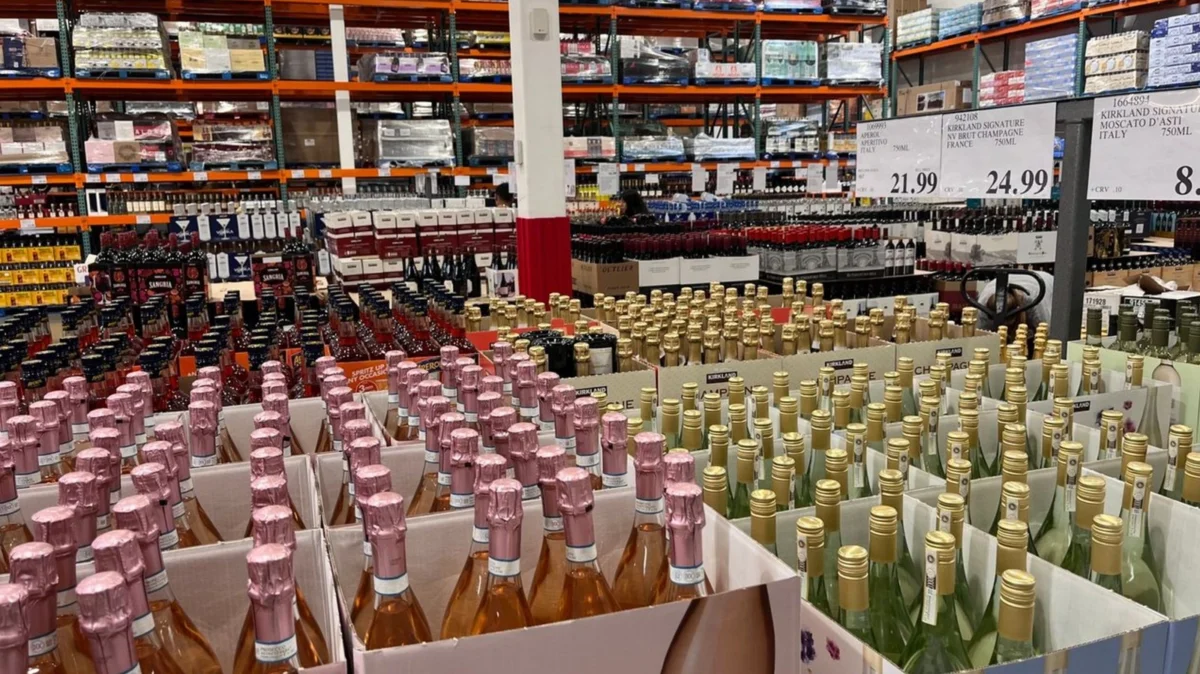
For the casual enthusiast and the seasoned oenophile alike, the wine aisle at Costco has become a destination of intrigue. In an industry historically defined by high markups, exclusive distribution, and intimidating price floors, Costco’s "Kirkland Signature" label has emerged as a disruptive force. By leveraging its massive purchasing power and strategic partnerships with renowned producers, the wholesale giant has managed to provide bottles that consistently punch well above their weight class.
But how does a big-box retailer compete with boutique wineries and prestigious regions like Bordeaux or the Willamette Valley? The answer lies in a combination of scale, transparency, and a commitment to quality control that defies the typical "cheap store-brand" stigma. For the consumer, this means access to premium vintages at a fraction of the market cost.
The Philosophy of Value: Main Facts
At its core, the Kirkland Signature wine program is built on a simple premise: high-quality juice, minimal branding costs, and aggressive pricing. Unlike traditional wine labels that spend millions on marketing, distribution networks, and elaborate packaging, Kirkland Signature relies on the "Costco effect"—the brand loyalty of its members and the efficiency of its supply chain.
The result is a portfolio that ranges from accessible table wines to complex, age-worthy selections. Whether you are looking for a crisp Sauvignon Blanc for a summer afternoon or a robust Barolo for a cellar-worthy collection, the program offers a curated experience that removes the guesswork from budget-conscious shopping. The "expensive-tasting" factor is not a marketing gimmick; it is the result of sourcing from established regions where Costco’s volume allows them to secure grapes or finished wine from top-tier growers who might otherwise struggle to find a single buyer for their entire production.
A Chronology of Disruption: How the Program Evolved
The trajectory of Kirkland Signature wine is a masterclass in market expansion. It began as a modest effort to provide staples—reliable house reds and whites that wouldn’t offend a dinner party guest. However, as the American palate became more sophisticated, so did Costco’s offerings.
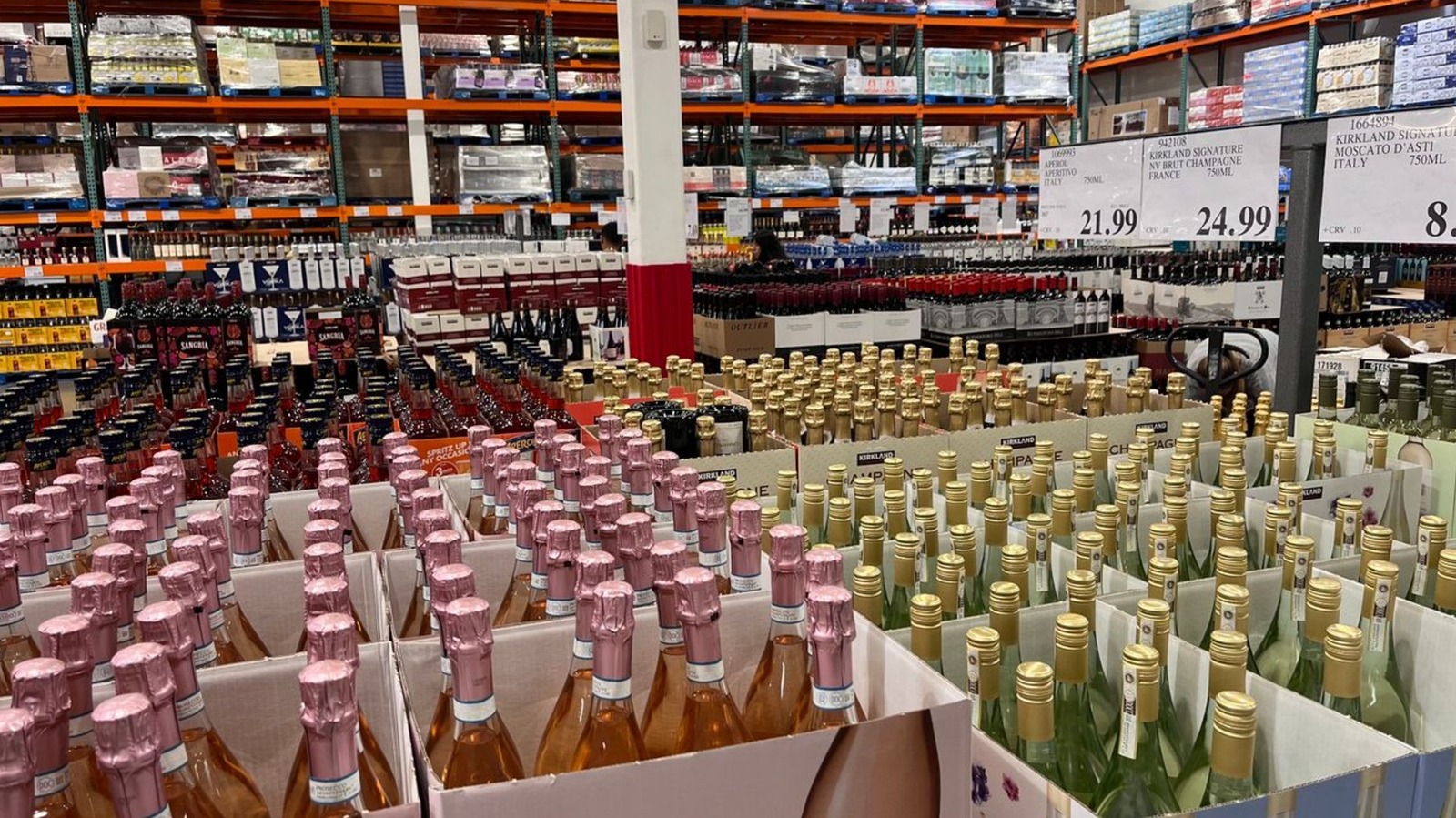
- The Early Years: Initially, the focus was on high-volume, low-complexity varietals. The goal was to provide a "better than average" alternative to the low-end supermarket swill.
- The Shift to Provenance: Recognizing that their members were becoming increasingly wine-literate, Costco began sourcing from specific, prestigious regions. This saw the introduction of wines labeled with protected designations like "Champagne," "Barolo," and "St. Emilion Grand Cru."
- The Modern Era: Today, the program functions as a benchmark for value-oriented fine wine. By maintaining relationships with established winemakers in regions like Marlborough, New Zealand, and Oregon, USA, Costco has effectively moved from being a retailer to being a significant player in the global wine trade.
Supporting Data: The "Punching Above Its Weight" Breakdown
To understand why these wines taste more expensive than they are, one must look at the specific profiles of the standout bottles in the Kirkland catalog.
Sparkling Selections
- Kirkland Signature Brut Champagne: While true Champagne carries a high price due to its strict production laws, Costco’s version—a blend of Pinot Noir, Pinot Meunier, and Chardonnay—often retails for half the price of name-brand counterparts. It delivers the quintessential brioche and green apple notes expected of the region.
- Asolo Prosecco DOCG: This bottle represents an incredible value. By securing DOCG status—the highest quality classification for Italian wines—Costco ensures a level of technical quality that far exceeds generic, mass-produced Proseccos.
The Pinot Noir Challenge
Pinot Noir is notoriously difficult and expensive to cultivate. Yet, Costco has mastered this category by targeting specific micro-climates:
- Willamette Valley: Utilizing the cool climate of Oregon, these bottles offer the signature forest-floor and red cherry notes that usually cost double or triple at a boutique shop.
- Russian River Valley: Known for higher complexity, these offerings often feature the herbal, earthy nuances that define high-end California Pinot.
The Heavy Hitters: Bordeaux and Barolo
Perhaps the most impressive feat is the inclusion of St. Emilion Grand Cru and Barolo. These are wines defined by their aging requirements and production costs. By partnering with established producers, Costco bypasses the traditional "prestige markup," allowing consumers to experience the leather, cedar, and dark fruit profiles of these regions without the four-figure price tag.
Industry Implications: The Ripple Effect on the Wine Market
The success of the Kirkland Signature wine program has forced the broader industry to reckon with its own pricing structures.
- The "Prestige Tax" Exposed: For years, consumers were led to believe that a high price tag was the only indicator of quality. Costco’s success proves that much of the price of a mid-tier bottle is tied to supply chain inefficiency rather than the quality of the grape.
- Increased Competition: Other retailers, such as Trader Joe’s and various national grocery chains, have been forced to double down on their own private-label efforts to retain market share, leading to a "golden age" of value-driven wine.
- Shifting Consumer Behavior: The modern shopper is now more likely to trust a store brand if it has the backing of a major retailer. This has reduced the "intimidation factor" that keeps many people from exploring more complex, regional wines.
Official Responses and Expert Perspectives
As a WSET Level 3 wine professional, I have analyzed these wines not just as a consumer, but as an analyst of the liquid itself. The methodology behind my assessment is simple: I look for the hallmarks of quality—acid balance, fruit concentration, and finish.
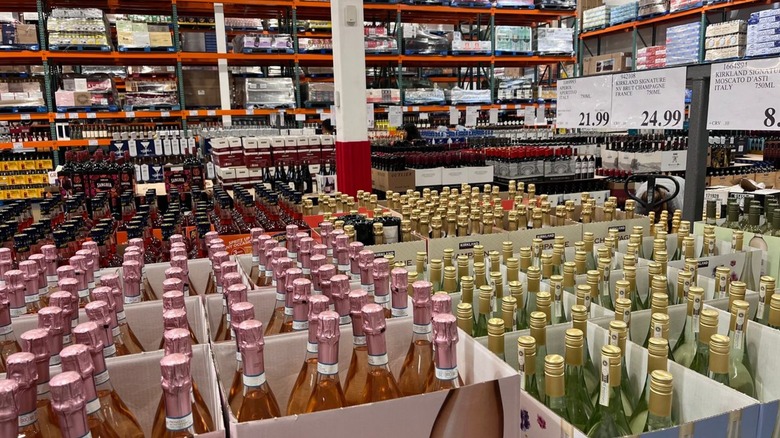
The industry consensus, while sometimes hesitant to admit the superiority of a private label, is increasingly acknowledging the technical prowess behind these selections. When a $10 bottle of Prosecco can hold its own against a $25 name-brand bottle in a blind tasting, it is no longer a matter of opinion; it is a matter of value proposition.
Critics often point out that these wines may lack the "soul" or unique narrative of a small, family-owned estate. This is a fair point. If your goal is to support a specific winemaker’s vision, the Kirkland label may not be the place to start. However, if your goal is to maximize your budget without sacrificing the drinking experience, the program is unrivaled.
Conclusion: The Future of the Wine Rack
The Kirkland Signature wine program has successfully democratized luxury. By treating wine as a commodity that can be sourced efficiently rather than a luxury good that must be marked up for exclusivity, Costco has changed the way we stock our homes.
Whether you are sipping a chilled Pinot Grigio on a Tuesday night or decanting a St. Emilion for a weekend gathering, the message is clear: You do not need to overspend to enjoy a high-quality product. As the program continues to grow and explore new regions, it serves as a reminder to all wine lovers that the most expensive bottle on the shelf is rarely the only one worth drinking. When you shop at Costco, you are paying for the wine, not the marketing budget—and that, in the world of fine wine, is the ultimate value.