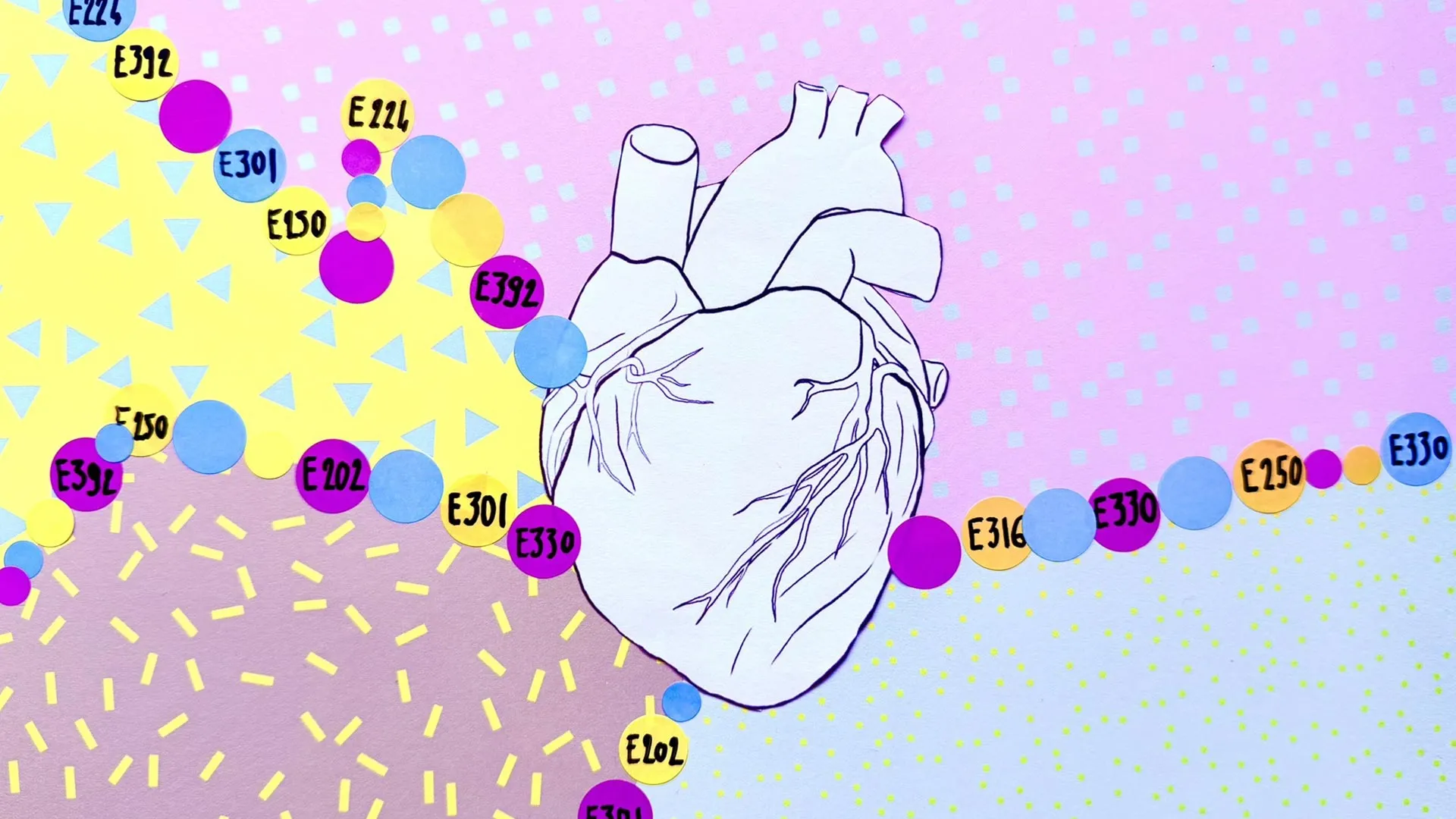
For decades, the global food industry has relied on a suite of chemical additives to extend the viability of our pantry staples. From preventing the bloom of mold on sliced bread to ensuring that processed meats maintain their appetizing pink hue, preservatives have become an invisible, near-universal presence in the modern diet. However, a landmark study published in the European Heart Journal now suggests that this convenience may come with a significant biological price tag: a heightened risk of hypertension and cardiovascular disease.
Led by a distinguished team from the Nutritional Epidemiology Research Team at the Université Sorbonne Paris Nord and Université Paris Cité, this research represents the most comprehensive investigation to date into the long-term impact of food preservatives on human heart health.
The Magnitude of the Study: A Deep Dive into Dietary Habits
The research was conducted under the umbrella of NutriNet-Santé, a vast, ongoing prospective study designed to map the intricate relationships between nutritional patterns and long-term health outcomes. By leveraging data from 112,395 volunteers across France, researchers were able to move beyond the limitations of small-scale laboratory trials.
Unlike many nutritional studies that rely on annual food frequency questionnaires—which are prone to recall bias—this project required participants to document every item of food and drink consumed over a three-day period, repeating this process every six months. This rigorous methodology provided the team with an exceptionally high-resolution portrait of the participants’ dietary intake, allowing them to map consumption against specific preservative profiles over an average follow-up period of seven to eight years.
The scale of the findings is striking: during the first two years of the study alone, 99.5% of the volunteers consumed at least one food preservative, confirming that these substances are not merely present in our food supply—they are ubiquitous.
Categorizing the Chemical Risks
To understand how these substances affect human physiology, the researchers classified the preservatives into two primary functional categories: non-antioxidant and antioxidant additives.
Non-antioxidant preservatives, such as those used to inhibit the growth of bacteria and fungi, were linked to a 29% higher risk of developing hypertension and a 16% higher risk of cardiovascular events, including heart attacks, strokes, and angina. Meanwhile, participants with the highest intake of antioxidant preservatives—compounds designed to prevent fats from going rancid or fruits from browning—faced a 22% higher risk of hypertension.
The "Eight Culprits": Specific Additives Under Scrutiny
Beyond broad categories, the team scrutinized 17 specific additives. Eight stood out for their statistical correlation with increased cardiovascular risks:
- Potassium Sorbate (E202)
- Potassium Metabisulphite (E224)
- Sodium Nitrite (E250)
- Ascorbic Acid (E300)
- Sodium Ascorbate (E301)
- Sodium Erythorbate (E316)
- Citric Acid (E330)
- Rosemary Extracts (E392)
Notably, ascorbic acid (E300) was found to have a specific, independent association with an increased incidence of cardiovascular disease.
Biological Mechanisms: How Preservatives Influence the Body
The central question facing the scientific community is: how do these additives translate into heart disease? While the current study is observational—meaning it identifies correlations rather than definitive causation—the researchers pointed toward several plausible biological pathways.
The Role of Oxidative Stress
One of the most prominent theories involves systemic oxidative stress. Under normal conditions, the body maintains a balance between reactive oxygen species and the antioxidant defense systems that neutralize them. However, researchers hypothesize that chronic exposure to certain preservatives may overwhelm these defenses, leading to cellular damage within the arterial walls and the heart muscle. Over years, this chronic "rusting" of the body’s internal machinery may lead to the stiffening of arteries, a hallmark of hypertension.
Metabolic Disruption and the Pancreas
Another area of emerging concern is the impact on pancreatic function. The pancreas is not only responsible for the production of insulin but also for the maintenance of metabolic homeostasis. If chemical additives interfere with the signaling pathways of the pancreas, it could disrupt glucose regulation and lipid metabolism, creating a systemic environment favorable to cardiovascular decay.
The Gut Microbiota Connection
Perhaps the most cutting-edge aspect of the research involves the gut microbiota. The human digestive tract houses trillions of microorganisms that perform critical functions for the host, including immune modulation and the synthesis of essential nutrients. Scientists are currently investigating whether common preservatives act as "microbial inhibitors" within the gut, inadvertently altering the composition of the microbiome. A disrupted gut environment has been increasingly linked to systemic inflammation, which is a known catalyst for cardiovascular deterioration.
Official Responses and the Call for Regulatory Review
Dr. Mathilde Touvier, a research director at INSERM and the lead author of the study, emphasized that the data, while observational, is too significant to ignore. "These results suggest we need a re-evaluation of the risks and benefits of these food additives by the authorities in charge, such as the EFSA in Europe and the FDA in the USA," Dr. Touvier noted.
The study serves as a wake-up call for public health officials. While these additives were approved based on short-term safety data, the NutriNet-Santé findings suggest that the cumulative, long-term effects of "low-dose, high-frequency" exposure have not been adequately studied. The call is for a more holistic approach to food safety regulation, one that considers not just the acute toxicity of an ingredient, but its chronic role in the development of non-communicable diseases.
Implications for the Modern Consumer
For the average consumer, the news can be overwhelming. When 99.5% of a population is consuming preservatives, "avoidance" is a difficult goal to achieve. However, the study provides a clear directive: the healthiest course of action is to prioritize "minimally processed" foods.
As the authors suggest, the shift toward whole, raw ingredients is the most effective way to minimize the intake of unnecessary chemicals. For healthcare professionals, the implications are equally clear: there is a pressing need to bridge the gap between nutritional science and patient education. Doctors are encouraged to emphasize that a "heart-healthy diet" involves more than just monitoring cholesterol or sodium; it involves being mindful of the industrial additives that define the modern processed food environment.
The Road Ahead: Future Research
The research team is not stopping here. They are currently expanding their investigation to include how these additives influence the metabolic profile of the blood and whether specific additives trigger different inflammatory markers. By layering this data over existing insights into gut health, the team hopes to build a complete biological map of how industrial food processing affects human longevity.
As the scientific community awaits further validation of these findings through controlled experimental studies, one fact remains clear: the convenience of the modern supermarket aisle comes with hidden complexities. As we move forward, the collaboration between regulatory bodies, nutritionists, and the public will be essential in navigating a food system that is safer, more transparent, and ultimately, more supportive of long-term cardiovascular health.
Key Takeaways for Public Health:
- Shift in Perspective: The focus of heart health must expand to include the quality and processing level of food, not just its caloric or macro-nutrient content.
- Regulatory Caution: Existing safety thresholds for preservatives may require modernization to account for cumulative, multi-decade exposure.
- Empowerment: Consumers are encouraged to read labels and opt for foods with shorter, more recognizable ingredient lists whenever possible.
This article is based on research published in the European Heart Journal and reflects ongoing efforts by the NutriNet-Santé project to illuminate the links between modern nutrition and chronic disease.