Updated: June 19, 2026 – 08:06 GMT
The fragile hope for a de-escalation in the Middle East suffered a significant, potentially terminal blow on Friday, June 19, 2026. Following a series of intensified Israeli military operations across southern Lebanon, the region stands on the precipice of a renewed cycle of violence. The strikes, which Lebanese state media report have claimed the lives of at least 15 individuals, have cast a dark shadow over the nascent interim agreement between the United States and Iran, which was designed to facilitate a comprehensive cessation of hostilities.
As international observers scramble to assess the damage to the diplomatic process, the immediate fallout has been the indefinite postponement of high-level US-Iran negotiations that were slated to take place in Switzerland on Friday.
The Escalation: A Chronology of the Conflict
The current flare-up represents a dramatic departure from the tentative calm that had begun to take root earlier this week. To understand the gravity of the current situation, it is necessary to examine the timeline of events leading up to this morning’s hostilities.
June 17: The Diplomatic Breakthrough
Just 48 hours ago, global markets and geopolitical analysts were buoyed by reports that the United States and the Islamic Republic of Iran had reached an interim framework aimed at ending the protracted regional war. The agreement, which involved back-channel negotiations, promised a phased withdrawal of proxy forces and an immediate freeze on cross-border rocket fire and aerial bombardments.
June 18: The Fragility of Peace
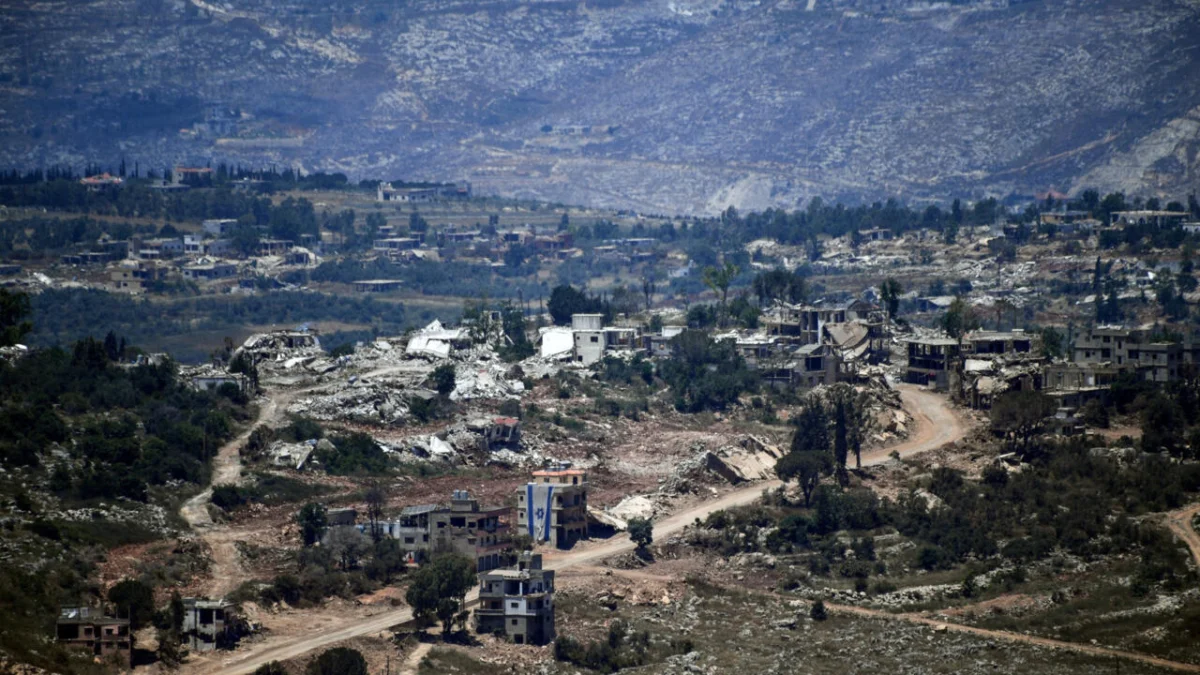
Throughout Thursday, the situation on the ground remained volatile. While major offensives were halted, skirmishes persisted in the border villages of southern Lebanon. Satellite imagery and ground reports confirmed that while the rhetoric of peace was circulating in diplomatic circles, the physical reality on the ground in the Levant remained militarized. An image captured on June 18—an Israeli flag draped over a damaged building in a border village—served as a stark visual reminder of the deep-seated territorial tensions that the interim deal sought to address.
June 19: The Friday Strikes
In the early hours of Friday morning, the situation shifted from skirmishing to full-scale kinetic engagement. According to the Lebanese National News Agency, Israeli aircraft and artillery units targeted several positions in the south, leading to a significant loss of life. By dawn, the death toll had reached at least 15, with dozens more reported injured. These strikes appear to have been a direct response to what Israel termed “continued provocations” by armed groups operating in the region, a claim that has been categorically rejected by regional actors aligned with Tehran.
Supporting Data and Strategic Context
The geography of the current conflict remains centered on the "Blue Line," the unofficial border between Israel and Lebanon that has seen consistent friction for decades. The strategic importance of southern Lebanon cannot be overstated; it serves as a critical buffer zone and a frontline for regional power projection.
Casualties and Infrastructure Damage
The 15 confirmed fatalities represent the highest single-day casualty count since the onset of the latest round of regional hostilities. Beyond the human cost, reports indicate severe damage to essential infrastructure, including power grids and water supply lines in several villages near the border. Aid organizations are currently barred from accessing the most heavily struck areas, leading to concerns that the actual casualty figures may be higher than initial reports suggest.
The Role of Non-State Actors
While the interim agreement between the US and Iran was intended to exert pressure on the non-state militias operating within Lebanon, the Friday strikes highlight a recurring problem: the disconnect between diplomatic mandates and the tactical independence of local combatants. Intelligence briefings suggest that the strikes were triggered by intelligence indicating that mobile missile launchers were being repositioned, a move Israel viewed as a breach of the "status quo" phase of the interim deal.

Official Responses and International Fallout
The international community has responded to the violence with a mixture of alarm and diplomatic recalibration.
The United States: A Stalled Process
The White House confirmed on Friday morning that the scheduled meetings in Switzerland have been "postponed indefinitely." A spokesperson for the State Department stated, "The current climate is not conducive to the type of constructive dialogue required to finalize the implementation of the interim agreement. We call for an immediate cessation of all offensive operations to allow for the restoration of the diplomatic track."
Tehran’s Position
The Iranian Foreign Ministry issued a scathing rebuke of the strikes, characterizing them as "a deliberate act of sabotage intended to derail the regional peace process." Tehran has signaled that it will not continue to abide by the restrictions of the interim deal if its partners and proxies in the region remain under direct military assault.
Israel’s Justification
The Israeli Defense Forces (IDF) maintained that the strikes were "pre-emptive and defensive" in nature. An official statement noted that Israel reserves the right to defend its sovereign territory from any perceived threat, regardless of ongoing diplomatic discussions. The Israeli government has consistently expressed skepticism regarding the long-term enforceability of the US-Iran deal, arguing that it fails to adequately address the proliferation of advanced weaponry in the region.
Implications: The Road Ahead
The events of June 19, 2026, pose a severe threat to regional stability. The immediate implications are three-fold:
1. The Death of the Interim Deal?
The most pressing question is whether the US-Iran interim agreement is still viable. Historically, similar attempts at de-escalation have failed precisely because they lack a robust monitoring mechanism on the ground. If the current violence continues, the window for diplomatic reconciliation will likely close, forcing both the US and Iran to revert to more aggressive containment and posturing strategies.
2. Humanitarian Crisis in Southern Lebanon
As the conflict intensifies, the humanitarian situation is expected to deteriorate rapidly. Thousands of civilians are already displaced, and the destruction of infrastructure will exacerbate the existing economic hardship within Lebanon. The international community faces the looming challenge of providing aid in a combat zone where the parties involved have shown little restraint.
3. Escalation Potential
There is a profound fear that this skirmish could spiral into a wider regional conflagration. Should the conflict move beyond the current localized strikes, the risk of miscalculation increases exponentially. The involvement of regional proxies, the activation of air defense systems, and the potential for cyber-warfare remain the "known unknowns" that keep analysts awake.
Conclusion
As the sun sets on Friday, June 19, the path forward remains obscured by smoke and rhetoric. The death of 15 people in southern Lebanon is not just a tragedy in its own right; it is a signal that the hard-won progress of the previous 48 hours was built on shifting sand. For the interim agreement to survive, both the United States and Iran must move beyond the current cycle of recrimination and address the underlying security dilemmas that allow such violent outbursts to occur. Without a firm, verifiable ceasefire, the region risks sliding back into a period of prolonged instability, where the language of diplomacy is once again silenced by the roar of artillery.
Follow our liveblog throughout the day for real-time updates as this developing situation continues to unfold.