Overview: The Final Sprint Before the Pre-Election Recess
WASHINGTON — The halls of the United States Capitol witnessed a characteristically frantic yet eclectic burst of activity mid-September as lawmakers gathered for a brief legislative stint before departing Washington for an extended pre-election recess. With control of Congress hanging in the balance, the House of Representatives wrapped up its immediate business early, clearing the floor so members could return to their home districts and campaign trails nationwide.
The abbreviated week functioned as a microcosm of modern Congressional life, blending high-stakes policy messaging, rigorous committee oversight, political pageantry, and lighthearted Capitol traditions. From the formal unveiling of former House Speaker Kevin McCarthy’s portrait in Statuary Hall to sharp partisan clashes over federal law enforcement and economic affordability, lawmakers squeezed a full slate of activity into just a few days. Elsewhere on the Capitol complex, the lighter side of congressional culture was on display as lawmakers prepared for charitable athletic events and celebrated quirky legislative victories, including the passage of the National Fossil Act featuring a full-sized Tyrannosaurus rex suit.
As lawmakers dispersed across the country, the events on Capitol Hill underlined the dual imperatives facing Washington politicians: maintaining the formal duties of governance while positioning their respective parties for victory at the ballot box.
Chronology: A Week of Ceremonies, Oversight, and Campaigns
Saturday to Tuesday: From Texas Rallies to Statuary Hall
The political tempo of the week was set over the weekend in competitive electoral districts before shifting back to Washington’s legislative corridors.
Saturday, September 12: Democratic congressional candidate Bobby Pulido launched a high-energy campaign rally in Goliad, Texas. Pulido, seeking to unseat Republican incumbent Rep. Monica De La Cruz in Texas’s 15th Congressional District, addressed supporters on local economic development, healthcare access, and border policy, illustrating the fierce ground game underway in key battleground regions.
Tuesday, September 15: The Capitol returned to full operational volume with a packed schedule of committee hearings, ceremonial unveilings, and informal moments across the complex:
Morning Athletic Practice: On Capitol Hill fields, lawmakers gathered at dawn for practice ahead of the annual Congressional Women’s Softball Game. Rep. Maxine Dexter, D-Ore., took swings in the batting cage as part of the bipartisan team preparing to play at Audi Field.
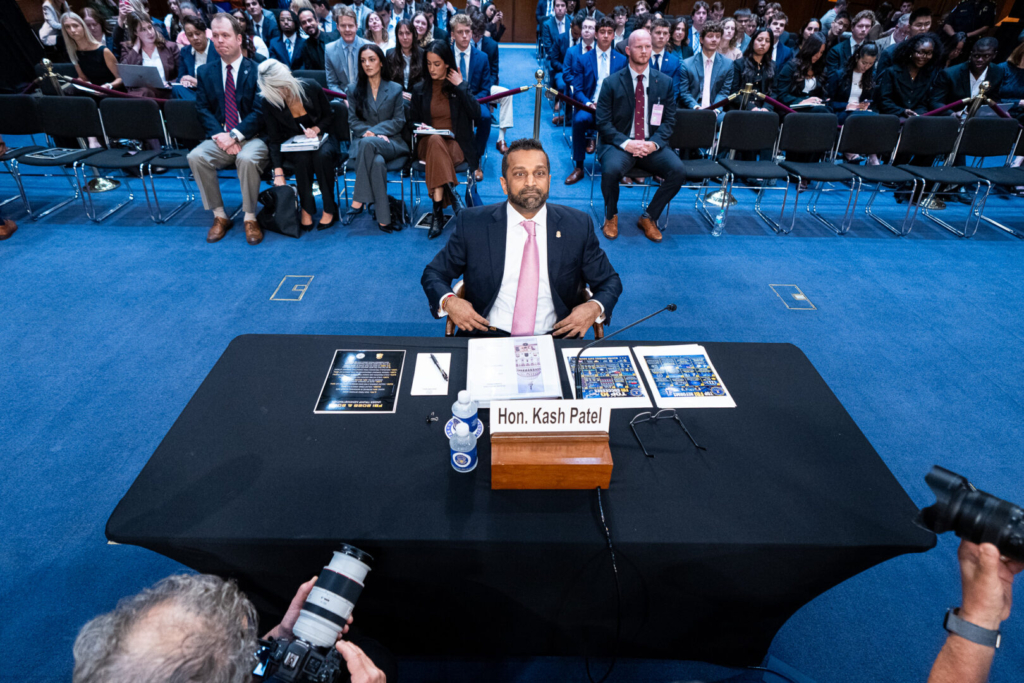
Senate Judiciary Hearing: In the Hart Senate Office Building, FBI Director Kash Patel appeared before the Senate Judiciary Committee for an intensive oversight hearing entitled "Oversight of the Federal Bureau of Investigation," facing rigorous questioning from both sides of the aisle regarding agency operations, resource allocation, and accountability.
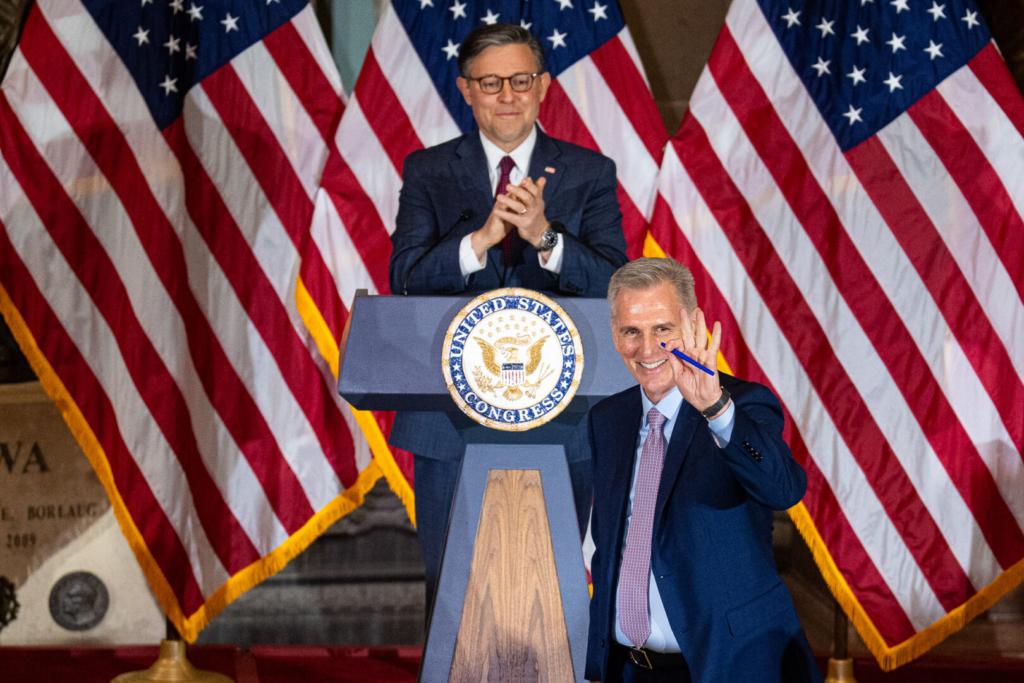
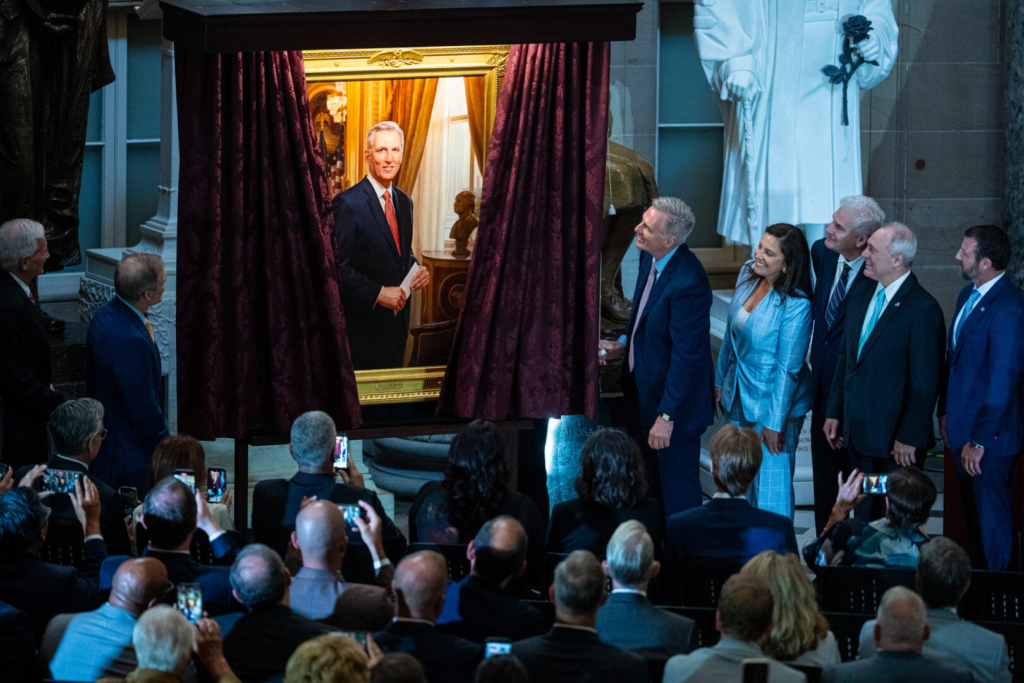
Portrait Unveiling Ceremony: In Statuary Hall, current House Speaker Mike Johnson, R-La., joined House Majority Leader Steve Scalise, R-La., House Majority Whip Tom Emmer, R-Minn., Rep. Elise Stefanik, R-N.Y., and Secretary of Homeland Security Markwayne Mullin to commemorate former Speaker Kevin McCarthy, R-Calif. McCarthy pulled the ceremonial cord to unveil his official portrait, celebrating his tenure in House leadership.
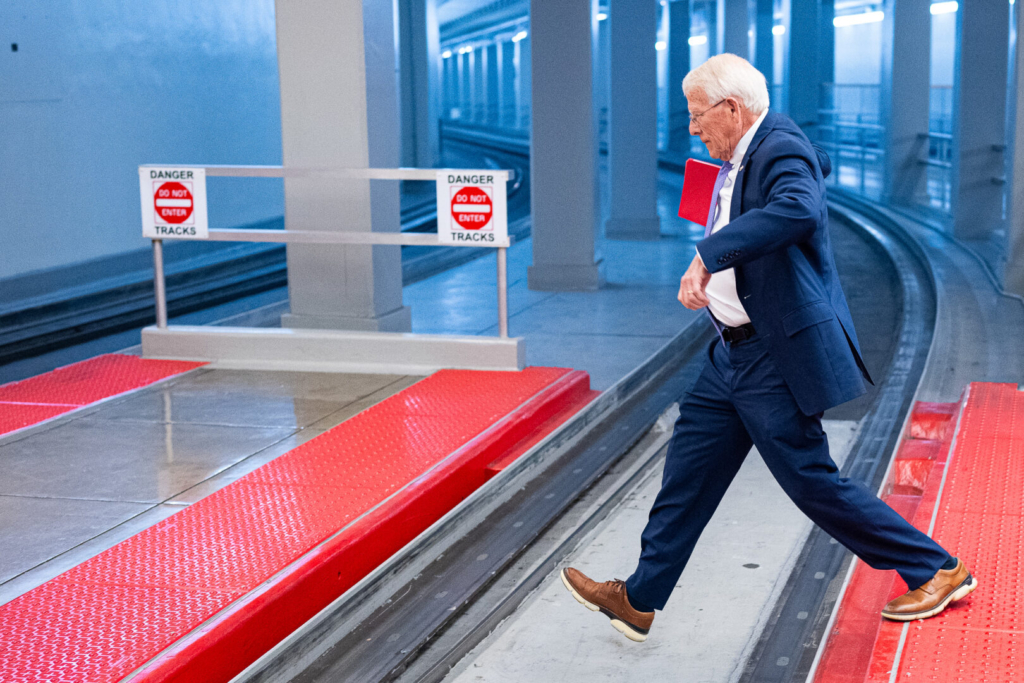
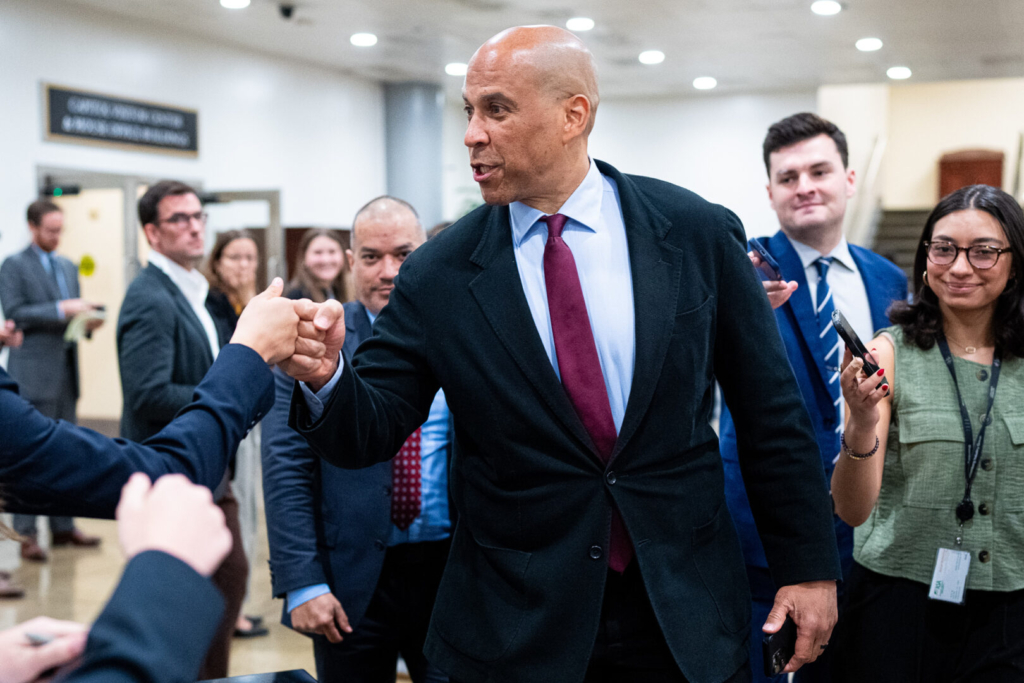
Corridor Interactions: Off the floor, the human rhythm of the Capitol continued. Sen. Cory Booker, D-N.J., exchanged warm fist-bumps with Senate pages in the Senate subway after a series of roll-call votes, while Sen. Roger Wicker, R-Miss., navigated the Russell Senate subway tracks to greet visiting constituents and colleagues.
Wednesday to Thursday: Economic Messaging and Lighthearted Milestones
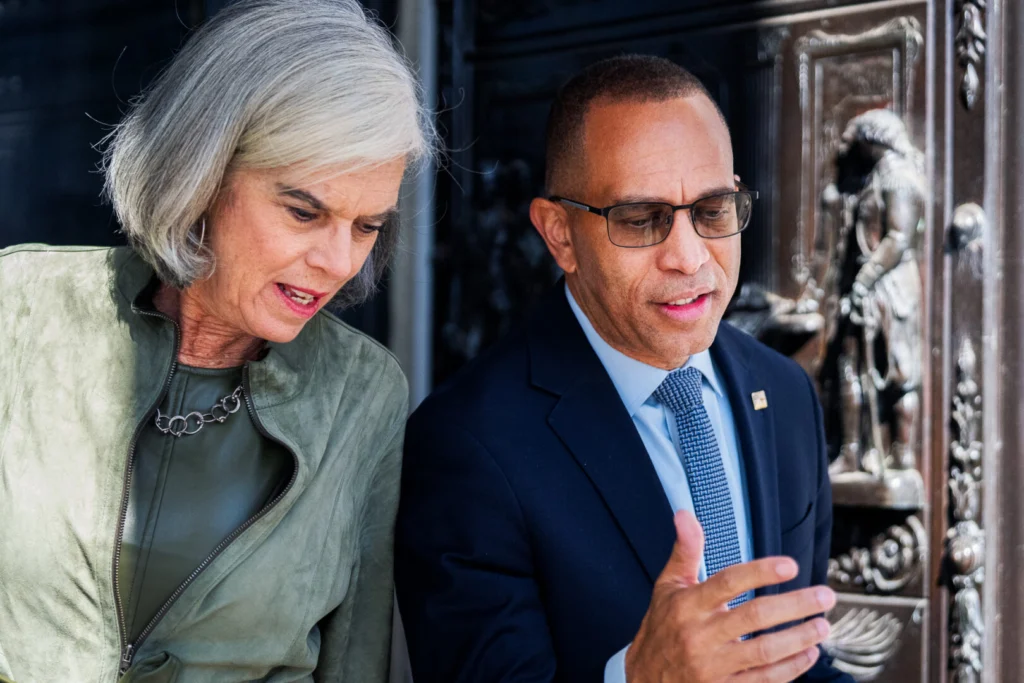
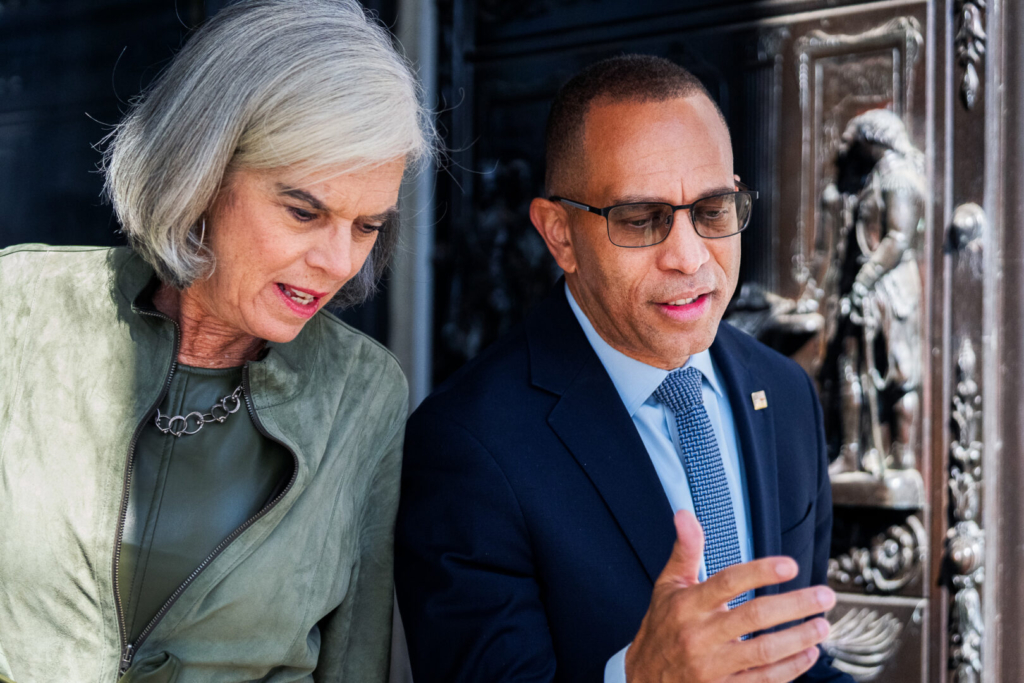
Wednesday, September 16: Democratic leadership took to the Capitol steps to frame the central economic argument of their upcoming campaign pitch. House Minority Leader Hakeem Jeffries, D-N.Y., and House Minority Whip Katherine M. Clark, D-Mass., spearheaded a press press conference focused on household affordability, lowering everyday costs for working families, and countering Republican fiscal proposals.
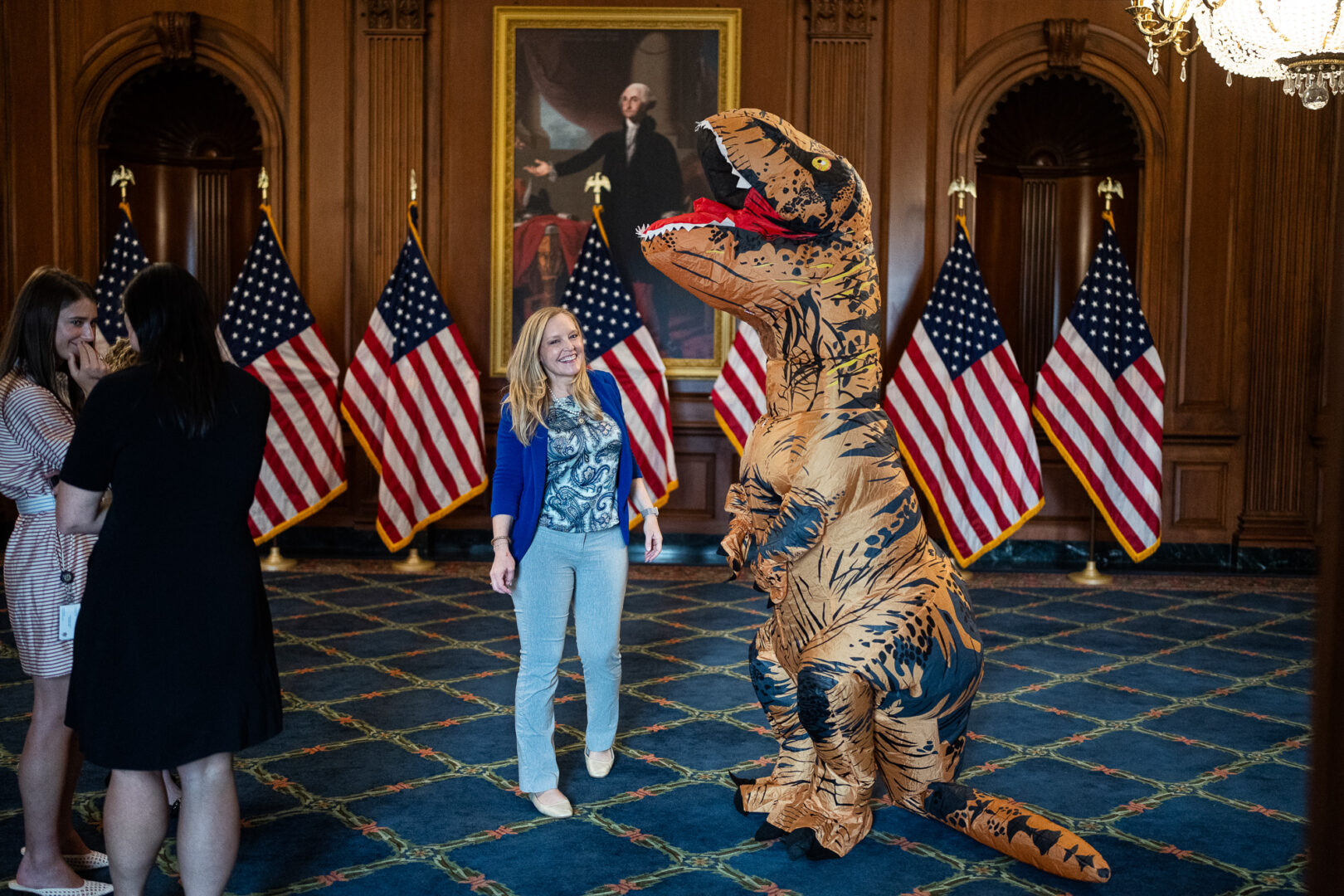
Thursday, September 17: Prior to final adjournment, Rep. Erin Houchin, R-Ind., celebrated the legislative passage of the National Fossil Act. In a lighter moment filmed in the Capitol rotunda corridors, Houchin recorded a promotional video alongside a staffer dressed in a full-body T-Rex costume to highlight the educational and preservation goals of the legislation. Following final procedural votes, the House officially adjourned, sending members home until after the November elections.
Supporting Data: Economic Realities and Key Battlegrounds
================================================================================
                     WEEKLY CAPITOL HIGHLIGHTS & METRICS
================================================================================
 Key Event                       Primary Figures Involved     Location / Venue
--------------------------------------------------------------------------------
 Economic Affordability Rally     Jeffries (D-NY), Clark (D-MA) Capitol Steps
 McCarthy Portrait Unveiling      Johnson (R-LA), Scalise (R-LA) Statuary Hall
 Senate FBI Oversight Hearing     Director Kash Patel         Senate Judiciary
 TX-15 Congressional Campaign     Bobby Pulido vs. De La Cruz Goliad, Texas
 Congressional Softball Prep     Rep. Maxine Dexter (D-OR)    Audi Field (Upcoming)
 National Fossil Act Promotion   Rep. Erin Houchin (R-IN)     U.S. Capitol
================================================================================
The Battle over Economic Affordability
The focus on affordability by House Democratic leadership highlights the central role economic metrics play in shaping voter behavior. Recent national polling consistently ranks inflation, housing costs, and healthcare expenses among the top concerns for registered voters nationwide.
During their Wednesday press conference, House Democrats pointed to specific consumer-cost indicators, advocating for targeted price-cap legislation on key pharmaceuticals and middle-class tax reliefs. By staging the event on the Capitol steps immediately before recess, leadership sought to provide vulnerable front-line incumbents with a unified economic message to carry back to their districts.
Events on the campaign trail, such as Bobby Pulido’s rally in Goliad, Texas, illustrate the political importance of South Texas in determining the House majority.
Texas’s 15th Congressional District represents a critical target for both major parties:
Demographic Composition: The district is majority-Hispanic, historically leaning Democratic, but has shifted competitively toward Republicans in recent election cycles.
Strategic Value: Incumbent GOP Rep. Monica De La Cruz’s defense of the seat is viewed by national strategists as a litmus test for Republican outreach efforts among Latino voters in energy- and agriculture-heavy regions.
Campaign Dynamics: Pulido’s background and active field operations emphasize localized economic investment and public safety, contrasting directly with federal platform priorities articulated in Washington.
Bipartisan Quirks and Charitable Endeavors
While policy debates dominated hearing rooms, non-partisan activities remain key to maintaining cross-aisle relationships on Capitol Hill:
The Congressional Women’s Softball Game: Scheduled for September 23 at Audi Field, the annual game pits female lawmakers against women in the Washington press corps. Over the past decade, the bipartisan event has raised millions of dollars for breast cancer research and young survivor charities.
Niche Legislation: Bills like the National Fossil Act reflect the ongoing legislative work that occurs beneath major funding fights. Such measures often pass with broad bipartisan support, offering members opportunities to highlight local paleontology, scientific research, and regional tourism.
Official Responses: Statements from Leadership and Committee Halls
Honoring a Former Speaker: Reflections on Kevin McCarthy
The portrait unveiling for Kevin McCarthy drew warm remarks from Republican leadership, reflecting on his decades of service, legislative achievements, and leadership during a tumultuous period in House history.
Speaking at the unveiling in Statuary Hall, Speaker Mike Johnson praised his predecessor’s dedication to the institution:
"Kevin McCarthy served this body with immense energy, resilience, and an unwavering belief in the promise of America. His legacy in this Capitol is written not just in the laws passed under his gavel, but in the enduring strength of the coalition he built."
Reflecting on his career, former Speaker McCarthy expressed gratitude to his colleagues and family:
"To serve in this House, and to lead it as Speaker, was the honor of a lifetime. The portrait unveiled today is a tribute to all the members and staff who worked tirelessly to give the American people a voice in their government."
High-Stakes Oversight: FBI Director Kash Patel Faces Senate Judiciary
The Senate Judiciary Committee hearing featuring FBI Director Kash Patel provided a intense venue for constitutional oversight, with senators pressing the bureau on internal reforms, counterterrorism posture, and political neutrality.
During his opening statement, Director Patel reaffirmed the agency’s commitment to public safety and institutional integrity:
"The Federal Bureau of Investigation remains laser-focused on its core mission: protecting the American public from national security threats, violent crime, and foreign adversary operations. Our agents and professional staff perform their duties daily with objectivity, integrity, and absolute fidelity to the Constitution."
Members of the committee from both parties raised sharp questions regarding administrative transparency, data privacy protections, and federal-local law enforcement cooperation, ensuring that federal oversight remains a focal point of congressional review.
Democratic Leadership Rallies Around Affordability
At the House Democratic press conference, Minority Leader Hakeem Jeffries articulated his party’s core economic message for the closing weeks of the legislative session:
"Working families across this nation do not care about political games in Washington; they care about bringing down the cost of groceries, lowering prescription drug prices, and finding affordable housing. House Democrats stand united in putting people over politics to lower everyday expenses."
Minority Whip Katherine Clark echoed those remarks, focusing on working parents and child care burdens:
"Affordability is the single biggest issue facing American families today. We are committed to enacting real, structural relief that ensures every household has the stability and opportunity to succeed."
Political Implications: The Road to the Midterm Ballot Box
The House’s departure for the pre-election recess marks a pivot from legislative negotiations to full-scale political campaigns. With only a handful of votes separating the majority and minority parties, the final stretch of the campaign season carries significant consequences for the legislative agenda of the coming Congress.
+--------------------------------------------------------------------------+
|                     CAPITOL HILL PRE-ELECTION PIVOT                      |
+--------------------------------------------------------------------------+
|                                                                          |
|   LEGISLATIVE PHASE                        CAMPAIGN RECESSS PHASE        |
|   (Capitol Hill, Washington)               (District & Field Operations) |
|                                                                          |
|   • Committee Oversight Hearings   ----->  • Direct Voter Contact        |
|   • Ceremonial Unveilings                  • Local Town Halls            |
|   • Bipartisan Policy Rollouts             • Grassroots Fundraising      |
|   • Leadership Press Conferences           • Targeted Ad Campaigns       |
|                                                                          |
+--------------------------------------------------------------------------+
Legislative Momentum vs. District Messaging: For front-line lawmakers in competitive districts, the recess offers a vital window to translate federal legislative votes into clear, localized accomplishments. Bipartisan wins, economic messaging, and district-specific appropriations will form the foundation of campaign ads over the coming weeks.
The Battle for Congressional Control: The narrow margins in the House mean that individual district races—such as Texas’s 15th—will disproportionately influence the national balance of power. Both parties are deploying substantial campaign resources, high-profile surrogates, and targeted digital operations to mobilize key voter bases.
Pending Business Awaits Return: When Congress reconvenes following the election, lawmakers will face a compressed schedule to resolve major pending policy matters. Key legislative items awaiting action include end-of-year federal funding bills, statutory reauthorizations, and crucial defense policy measures.
As the quiet settles over the Capitol rotunda and hearing rooms, the focus moves entirely to local communities, town halls, and debate stages across the country, where voters will ultimately determine the direction of the 120th Congress.