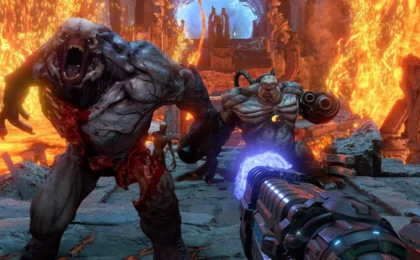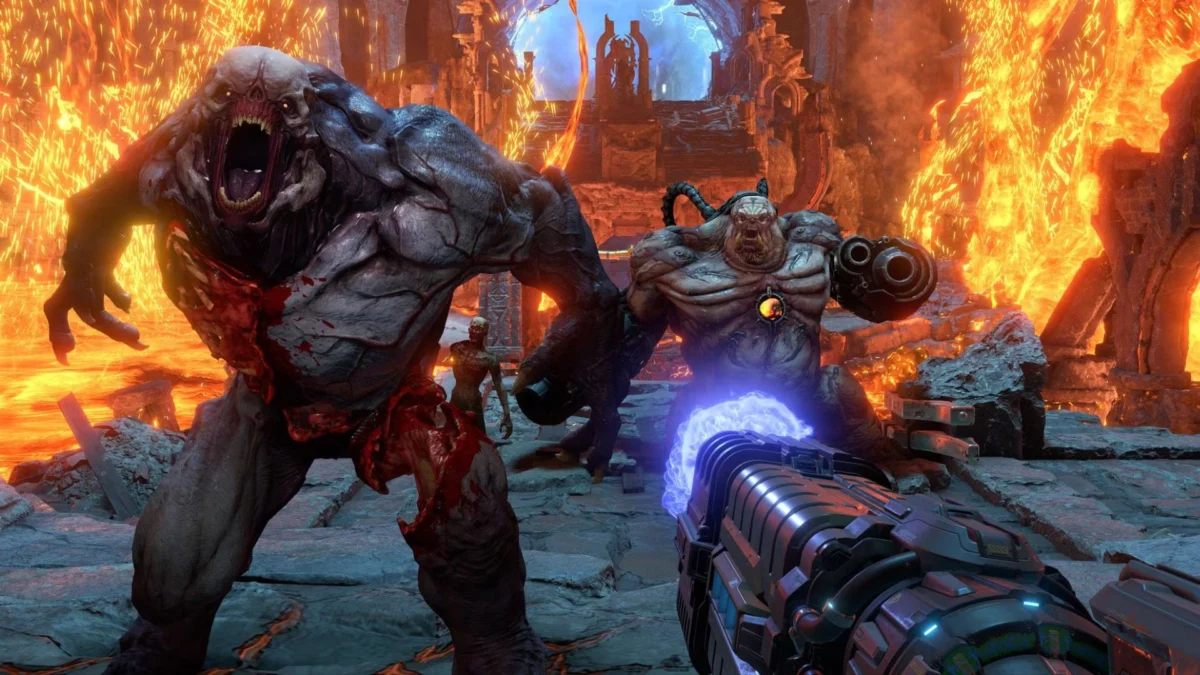
The legendary status of the Doom franchise—a pillar of gaming history since 1993—has long fostered a vibrant, creative community. From "Doom-porting" the game onto everything from pregnancy tests to DSLR cameras, the franchise’s permissive open-license culture has turned it into a cultural sandbox. However, that culture of creative freedom is now clashing with the volatile, high-stakes world of cryptocurrency. Bethesda Softworks, the parent company of id Software, has officially initiated legal action against the creators of Doomsol, a browser-based game that served as the primary marketing vehicle for the $DOOM memecoin.
The case marks a significant turning point in how major gaming publishers intend to police their intellectual property (IP) in the era of decentralized finance (DeFi), where the line between "fan tribute" and "unauthorized commercial exploitation" is increasingly blurred.
The Core Conflict: When "Fan Content" Becomes a Financial Vehicle
The controversy centers on the intersection of the Doom brand and the Solana-based cryptocurrency token $DOOM. In early August 2026, the $DOOM project launched with a polished, playable browser game titled Doomsol. The game was designed to look and feel like a modern, stripped-down iteration of the classic Doom experience.
The mechanism was simple yet effective: the game was used to gamify the memecoin. By climbing the Doomsol leaderboard, players could earn Sol—the native cryptocurrency of the Solana blockchain. This gamified approach allowed the token to gain traction quickly, attracting a mix of gaming enthusiasts and crypto-speculators who believed the project had the backing of the original creators.
Bethesda’s legal team, however, views the matter through a strict lens of trademark and copyright law. While the company has historically been lenient regarding non-commercial mods and fan art, the use of Doom assets to drive a cryptocurrency token constitutes a clear violation of their terms of service. According to representatives for the company, the primary issue is the "risk of confusion regarding affiliation or endorsement." In short, the use of the Doom name and assets created a false sense of legitimacy, leading potential investors to believe the cryptocurrency was an official project sanctioned by id Software or Bethesda.
Chronology of the $DOOM Debacle
To understand the scope of the legal fallout, one must look at the timeline of the project’s rapid rise and even faster collapse.
- Early August 2026: The $DOOM memecoin and the accompanying Doomsol browser game launch. The marketing is aggressive, positioning the token as a legitimate entry into the crypto-gaming space.
- August 4, 2026: The project’s developers initiate a "rug pull"—a common crypto scam where developers abandon a project, drain the liquidity pool, and vanish with investor funds. The value of $DOOM plummets to near zero almost instantly.
- Mid-August 2026: As reports of the scam circulate, attention turns to the project’s association with veteran game designer Sandy Petersen. Petersen, a luminary in the industry who worked on the original Doom and Quake titles, had been a vocal proponent of the project, even posting videos of himself playing Doomsol and encouraging investment.
- Late August 2026: Petersen makes a brief, final public comment regarding the project before retreating from the conversation. He previously claimed that the open-source nature of the Doom license made the project legally sound—a defense that Bethesda is now dismantling in court.
- September 2026: Bethesda officially confirms that it is pursuing legal action against the creators of the Doomsol platform to protect its IP and mitigate the damage caused by the unauthorized association.
The Role of Sandy Petersen: A Complicated Legacy
One of the most jarring aspects of the $DOOM incident is the involvement of Sandy Petersen. A legendary figure in the industry, Petersen’s participation lent the project a veneer of authenticity that it otherwise would have lacked.
For many investors, the fact that a Doom veteran was actively promoting the token served as a "seal of approval." Petersen’s defense, that the project was safe due to the open license of the original Doom code, demonstrates a fundamental misunderstanding—or perhaps a calculated misrepresentation—of how IP law works. While the original source code for the 1993 game is indeed open-source, the Doom brand, logos, and specific artistic assets remain strictly controlled.
Bethesda’s legal action aims to clarify that personal reputation does not grant one the right to leverage a corporate trademark for financial gain. The extent of Petersen’s actual involvement remains a subject of intense speculation, though he is listed as the primary creator on the now-defunct website for Doomsol. Whether he was a victim of the rug pull or a willing accomplice in the scheme is a question that may be resolved as the legal proceedings move forward.
The Broader Context: A Wave of Memecoin Exploits
The $DOOM incident is not an isolated event but rather part of a troubling trend in the video game industry. Publishers are finding their brands increasingly hijacked by bad actors looking to capitalize on nostalgia and brand recognition to facilitate "pump-and-dump" schemes.

Most notably, the official Pokémon X (formerly Twitter) account was compromised earlier this year, with the hackers using the official platform to promote a fraudulent $POKEMON token. Because the promotion came from a verified, high-trust account, thousands of fans were defrauded.
These incidents create a dangerous environment for gamers. When a project uses official assets, high-quality production values, and the voices of respected industry figures, it becomes increasingly difficult for the average user to distinguish between a legitimate crypto-gaming venture and a predatory scam. Bethesda’s current lawsuit is a signal to the broader industry that publishers are no longer willing to sit on the sidelines while their reputations are weaponized.
Implications for the Gaming Industry and IP Law
The outcome of this case will likely have far-reaching implications for how fan-made content and crypto-integration are handled in the future.
1. Stricter Enforcement of IP
Bethesda’s aggressive stance is likely to trigger a "chilling effect" on other projects attempting to use major gaming IPs to promote blockchain initiatives. Small-scale creators who rely on the "fair use" ambiguity of modding will likely find themselves under closer scrutiny by legal teams that have become hypersensitive to the risks of brand dilution and financial liability.
2. The End of "Crypto-Gaming" Ambiguity
For years, the "crypto-gaming" sector has operated in a gray area, often ignoring trademark laws in favor of decentralization. Bethesda’s move confirms that established game publishers are prepared to leverage the full weight of the legal system to protect their trademarks, regardless of whether the offending project is built on a blockchain or a traditional server.
3. Responsibility of Industry Veterans
The case of Sandy Petersen serves as a cautionary tale for game developers and influencers. The industry’s trust is its most valuable currency; when that trust is exchanged for the short-term gains of a memecoin, the professional consequences can be devastating.
4. Protecting the "Open License" Culture
Ironically, the $DOOM incident threatens the very thing that made the game great: its openness. If Bethesda determines that the risks of exploitation are too high, they may move to tighten the licensing agreements that have allowed modders to flourish for over three decades. The gaming community now faces a paradox where the protection of the Doom brand could eventually come at the cost of the creative freedom that defined it.
Conclusion
Bethesda’s pursuit of the Doomsol creators is more than just a dispute over a failed cryptocurrency; it is a defensive maneuver to protect the integrity of one of gaming’s most sacred brands. As the case proceeds, the focus will undoubtedly shift toward who exactly was behind the curtain of the Doomsol website and how they managed to enlist the support of a veteran developer.
For now, the message from Bethesda is clear: the Doom license is for players, for modders, and for the creative community—it is not for the predatory world of memecoin speculation. As the industry watches this case unfold, the hope is that the legal system will reaffirm the boundaries between legitimate creative expression and the unauthorized exploitation of intellectual property. The era of the "wild west" in crypto-gaming may finally be coming to a close.