Main Facts: A Game of Softball Amidst Capitol Friction
As dawn broke over Capitol Hill, the sharp snap of a softball catching a leather glove cut through the crisp morning air. On a practice field tucked behind the Capitol complex, female lawmakers were taking batting practice, exchanging tips, and shouting words of encouragement from the dugout.
"Wait for your pitch!" called Rep. Becca Balint, D-Vt., leaning against the chain-link fence. Moments later, Rep. Kat Cammack, R-Fla., locked onto a pitch and drove it deep into center field, drawing cheers from a bipartisan mix of colleagues.
This early-morning routine has been a staple of late summer on Washington’s political calendar for over a decade. The annual Congressional Women’s Softball Game brings together a bipartisan squad of female representatives and senators to face off against the "Bad News Babes"—a team composed of female Capitol Hill journalists. The annual exhibition serves a crucial philanthropic purpose: raising funds and awareness for the Young Survival Coalition, a non-profit organization dedicated to supporting women under the age of 40 diagnosed with breast cancer.
Yet, as the lawmakers prepared for this year’s match at Audi Field, the camaraderie on the diamond stood in stark contrast to the deepening frustration inside the halls of Congress.
When House Speaker Mike Johnson unexpectedly shortened the House legislative schedule for September, he permitted members to leave Washington early to return to their home districts for midterm campaigning. While many lawmakers rushed to the airport, members of the bipartisan women’s softball team were left in an awkward position: remaining in Washington to honor their commitment to the charity game while the rest of the House adjourned.
The scheduling decision sparked sharp reactions from lawmakers on both sides of the aisle, exposing broader institutional grievances regarding how women’s initiatives and bipartisan efforts are treated by House leadership.
"I think it’s bullshit. And I think if it was the Congressional Baseball Game, they would never do that," Cammack said, directly calling out the perceived double standard between the long-standing men’s baseball tradition and the women’s softball game.
       CONGRESSIONAL WOMEN'S SOFTBALL GAME AT A GLANCE
┌───────────────────────────┬──────────────────────────────────────────┐
│ Event Established         │ 2009 (Founded by Rep. Wasserman Schultz) │
├───────────────────────────┼──────────────────────────────────────────┤
│ Primary Beneficiary       │ Young Survival Coalition (Breast Cancer) │
├───────────────────────────┼──────────────────────────────────────────┤
│ Team Roster Composition   │ Bipartisan House & Senate Women          │
├───────────────────────────┼──────────────────────────────────────────┤
│ Opponent                  │ "Bad News Babes" (Press Corps)           │
├───────────────────────────┼──────────────────────────────────────────┤
│ Historical Record         │ Press Corps leads 10–5 over 15 games     │
└───────────────────────────┴──────────────────────────────────────────┘
The scheduling dispute comes during a tumultuous period for women in the Capitol. Earlier this year, a series of high-profile sexual misconduct allegations rattled the House, ultimately forcing two male representatives to resign. In response, leadership appointed Cammack, who chairs the Republican Women’s Caucus, and Rep. Teresa Leger Fernández, D-N.M., head of the Democratic Women’s Caucus, to lead a bipartisan initiative tasked with overhauling how the House investigates and handles workplace misconduct.
However, with Speaker Johnson cutting the September work period short, that ethics overhaul has officially stalled until after the midterms—adding a layer of policy frustration to an already tense political environment.
Chronology: From Legislative Momentum to Calendar Cuts
To understand the heightened frustration among female lawmakers, one must look at the timeline of events that built up to this year’s game:
SPRING 2026                   SUMMER 2026                    SEPTEMBER 2026
┌──────────────────────────┐  ┌───────────────────────────┐  ┌──────────────────────────┐
│ Misconduct Allegations   │  │ Ethics Overhaul Formed    │  │ Early House Adjournment  │
│ Resignations of 2 Male   │─>│ Cammack & Leger Fernández │─>│ Johnson Cuts Schedule;   │
│ House Members            │  │ Tasked with Reforms       │  │ Ethics Reform Stalled    │
└──────────────────────────┘  └───────────────────────────┘  └──────────────────────────┘
Spring: Misconduct Allegations and Bipartisan Reform Calls
The catalyst for the current legislative friction began in the spring, when a new wave of sexual misconduct allegations surfaced within the House. The allegations led to formal ethics inquiries and culminated in the swift resignations of two male lawmakers.
Recognizing an urgent need to reform workplace safety and ethics protocols, House leadership tapped Cammack and Leger Fernández to lead a joint reform effort. The goal was to modernize reporting mechanisms, enhance protections for victims, and streamline disciplinary procedures.
Summer: Practice and Policy Coordination
Throughout the summer, members of the bipartisan task force worked to draft legislative language while simultaneously gathering at 7:00 a.m. twice a week to practice for the upcoming softball game. For months, the athletic field served as an informal workspace where members cross-consulted on both softball strategy and ethics legislation.

Rep. Debbie Wasserman Schultz, D-Fla., who founded the game in 2009 after surviving her own battle with breast cancer, emphasized that the tradition was specifically designed to build such bridges. "This is a field in which we are women and friends, and we talk about our families and life at home," Wasserman Schultz noted. "Politics doesn’t really come up on the softball field, and we really intentionally keep it that way."
Late Summer: The Early September Exit
The momentum hit a wall when House Speaker Mike Johnson announced an adjusted legislative calendar. Aiming to give vulnerable incumbents extra weeks on the campaign trail ahead of competitive midterm elections, Johnson truncated the September voting schedule.
While the move achieved leadership’s electoral objectives, it effectively shut down committee business and floor consideration for pending non-emergency legislation—including the workplace misconduct overhaul. Furthermore, it forced members of the softball team to stay behind in Washington to fulfill their commitment to the Young Survival Coalition, while the vast majority of their colleagues departed the capital.
"We’ve lost so much time on the legislative front. That’s been really frustrating," Cammack said regarding the frozen ethics overhaul.
Supporting Data: Institutional Metrics and On-Field Performance
The contrast between the women’s softball game and other congressional traditions highlights systemic differences in how sports, gender, and legislative priorities intersect on Capitol Hill.
On-Field Track Record
Historically, the Congressional Women’s Softball Game has been a fiercely competitive, if heavily skewed, match-up. The journalists’ team, the "Bad News Babes," holds a dominant record over the lawmakers:
- Overall Record: The Press Corps leads the series 10–5 over 15 total games.
- Charity Impact: Despite the lawmakers’ on-field struggles, the event has raised millions of dollars for the Young Survival Coalition since its inception in 2009, making it one of the premier charitable events on the Congressional calendar.
- Roster Demographics: While the men’s Congressional Baseball Game features rosters drawn exclusively from the House and Senate, the women’s softball team faces unique depth challenges. This year, Sen. Shelley Moore Capito, R-W.Va., stands as the sole member from the upper chamber on the roster.
                  GAME HISTORICAL PERFORMANCE
    Lawmakers (5 Wins)   █████ 33.3%
    Press Corps (10 Wins) ██████████ 66.7%
Institutional Disparities: Softball vs. Baseball
Lawmakers critical of the early adjournment point to the stark difference in organizational backing between the Congressional Women’s Softball Game and the Congressional Baseball Game, a tradition stretching back to 1909:
| Feature | Congressional Baseball Game | Congressional Women’s Softball Game |
|---|---|---|
| Target Gender/Roster | Historically male-dominated | Female Lawmakers |
| Primary Venue | Nationals Park (MLB Stadium) | Audi Field (MLS Stadium) |
| Leadership Adjustments | Votes regularly scheduled around the game | Session cut short, leaving players behind |
| Roster Depth | Dozens of members across both parties | Smaller roster; 1 Senator in current year |
"If it was the Congressional Baseball Game, they would never do that," Cammack reiterated, pointing to how legislative schedules are historically cleared to accommodate the men’s baseball game without truncating the entire legislative work period.
Official Responses and Member Perspectives
The intersection of stalled ethics policy, partisan national campaigns, and sports tradition has drawn candid reactions from across the political spectrum.
                    MEMBER PERSPECTIVES
┌─────────────────────────────────────────────────────────────┐
│ REP. KAT CAMMACK (R-FLA.)                                   │
│ "I think it’s bullshit... We’ve lost so much time on the    │
│ legislative front."                                         │
└─────────────────────────────────────────────────────────────┘
┌─────────────────────────────────────────────────────────────┐
│ REP. BECCA BALINT (D-VT.)                                   │
│ "I don't think it's ever been an easy time to be a woman   │
│ in Congress... I'm not gonna lie and say that it's          │
│ comfortable all the time."                                  │
└─────────────────────────────────────────────────────────────┘
┌─────────────────────────────────────────────────────────────┐
│ REP. TERESA LEGER FERNÁNDEZ (D-N.M.)                        │
│ "That’s a key thing — that we need to know each other       │
│ outside of the floor."                                      │
└─────────────────────────────────────────────────────────────┘
The Republican View: Frustration Over Priority and Delays
For Cammack, the frustration is two-fold: institutional disrespect for the softball team’s calendar and the collateral damage done to workplace reform.
As the leader of the Republican Women’s Caucus, Cammack has consistently advocated for maintaining rigorous standards within the House. The abrupt departure of members before addressing the spring misconduct allegations, she argued, sends the wrong signal to the public and stalls momentum on vital structural fixes.
The Democratic View: Navigating Cultural and Political Strains
Democratic members echoed concerns over the stalled legislative work, while also highlighting the social and emotional strain of operating in a highly polarized environment.
Rep. Becca Balint, D-Vt., noted that national political rhetoric targeting women and marginalized groups makes off-the-hill cross-party bonding inherently complex.
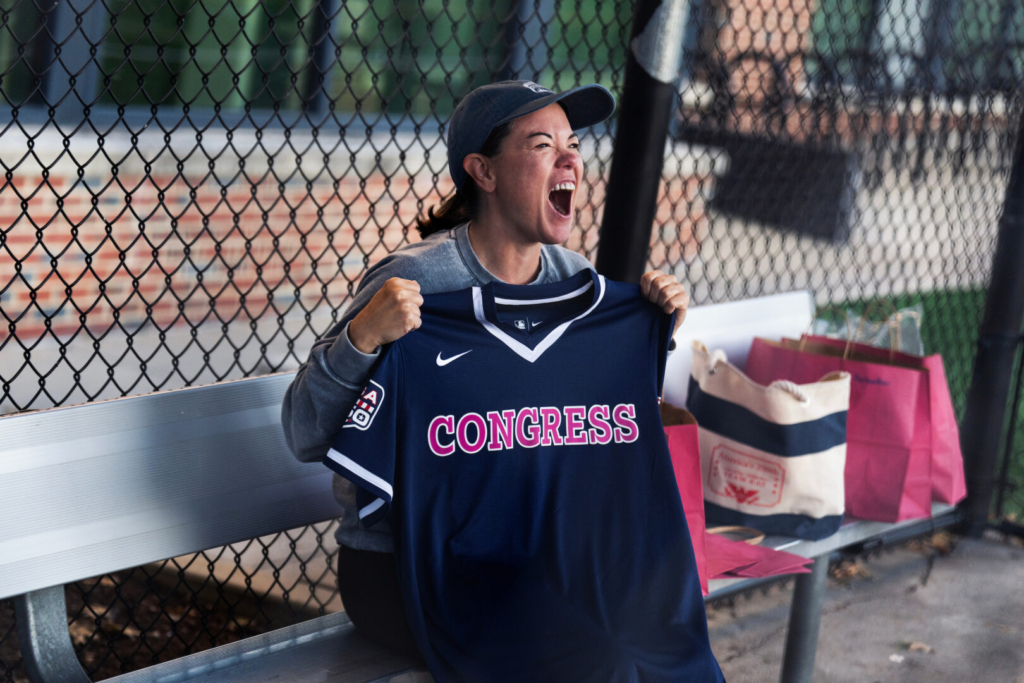
"This is a really challenging time. I don’t think it’s ever been an easy time to be a woman in Congress, but this year, not just with the misconduct, the sexual harassment, the abuse allegations, certainly the way that the Epstein survivors have been treated—it’s very hard," Balint said. "And when you see that with some of the candidates running right now, who are openly misogynistic and say horrible things about women, and yet somehow that’s OK?"
Balint also addressed the specific dynamics for LGBTQ+ lawmakers participating in bipartisan spaces. "I don’t think it will come as a surprise that there are a number of us on the softball team who are of the LGBTQ community, and we’ve had conversations over the last couple years about what does it feel like for us to come out, no pun intended, to come out to practice?" Balint stated. "But I love my teammates. I’m gonna keep showing up. But yeah, I’m not gonna lie and say that it’s comfortable all the time."
The Therapeutic and Relationship-Building Role
Despite the political heavy weather, players from both parties maintain that the team offers rare, essential value.
Rep. Teresa Leger Fernández, D-N.M., a breast cancer survivor who co-leads the ethics initiative alongside Cammack, emphasized the human connections formed on the field. "I am a breast cancer survivor, so I show up as, ‘I’m a breast cancer survivor, of course I want to show up at the softball game,’" Leger Fernández said, praising Cammack’s athletic skills on the diamond. "That’s a key thing—that we need to know each other outside of the floor."
Wasserman Schultz agreed, citing concrete legislative gains born out of morning practices. "I’ve passed many a law with a Republican colleague that I would not have met if I didn’t play softball and they weren’t my teammate," she said.
Implications for Institutional Governance and Policy
The dual challenges facing the women of Congress—a delayed ethics reform package and a disrupted charitable tradition—carry broader implications for how the House functions as an institution.
                    KEY IMPLICATIONS
┌───────────────────────────┬──────────────────────────────────────────┐
│ Legislative Impact        │ Delay of bipartisan ethics & misconduct  │
│                           │ package until post-midterms.             │
├───────────────────────────┼──────────────────────────────────────────┤
│ Bipartisan Collaboration  │ Loss of informal spaces needed to forge  │
│                           │ cross-party relationships.               │
├───────────────────────────┼──────────────────────────────────────────┤
│ Institutional Norms       │ Heightened scrutiny on leadership's      │
│                           │ scheduling priorities for gendered events│
└───────────────────────────┴──────────────────────────────────────────┘
1. Stagnation of Ethics and Workplace Reforms
By pushing the legislative schedule past the midterms, House leadership has effectively frozen structural changes to the ethics process. Reform advocates worry that post-election shifts in party control or leadership priorities could derail the momentum built by Cammack and Leger Fernández. Delays in establishing clearer oversight mechanisms leave congressional staff and members operating under older frameworks that many agree are inadequate for addressing modern workplace misconduct.
2. Erosion of Informal Bipartisan Sanctuaries
In an increasingly polarized Congress, opportunities for cross-aisle interaction have steadily diminished. Non-partisan and charitable events like the Women’s Softball Game represent some of the few remaining venues where members interact outside of soundbite-driven committee hearings. When calendar cuts disrupt these events or frame them as secondary priorities, the informal trust networks that facilitate cross-party legislating are further weakened.
3. Heightened Scrutiny on Leadership Priorities
The vocal criticism from senior female lawmakers—particularly from within the Speaker’s own party—underlines a growing unwillingness among female members to accept secondary status for their institutional initiatives. Cammack’s public pushback indicates that future leadership decisions regarding legislative scheduling and committee allocations will face intense scrutiny from bipartisan coalitions of women intent on protecting their legislative and institutional standing.
Looking Ahead to Game Day
Back on the field at dawn, political grievances were temporarily set aside as the team prepared for its final drills. Balint warmed up by playing catch with Sen. Capito, while reps from both parties cheered on Rep. Julie Fedorchak, R-N.D., after a solid turn in the batting cage.
Self-deprecating humor filled the dugout as members acknowledged the formidable task of taking down the press corps team at Audi Field.
"We looked a little like the Bad News Bears this morning," Balint joked, lightheartedly assessing the team’s fielding errors.
Yet for the women standing on the dirt between home plate and first base, the game remains worth playing. Whether navigating complex ethics negotiations inside the Capitol or facing down a sharp ground ball on the field, the members of the congressional softball team continue to show up—proving that even in a fractured Washington, some bonds endure across the aisle.