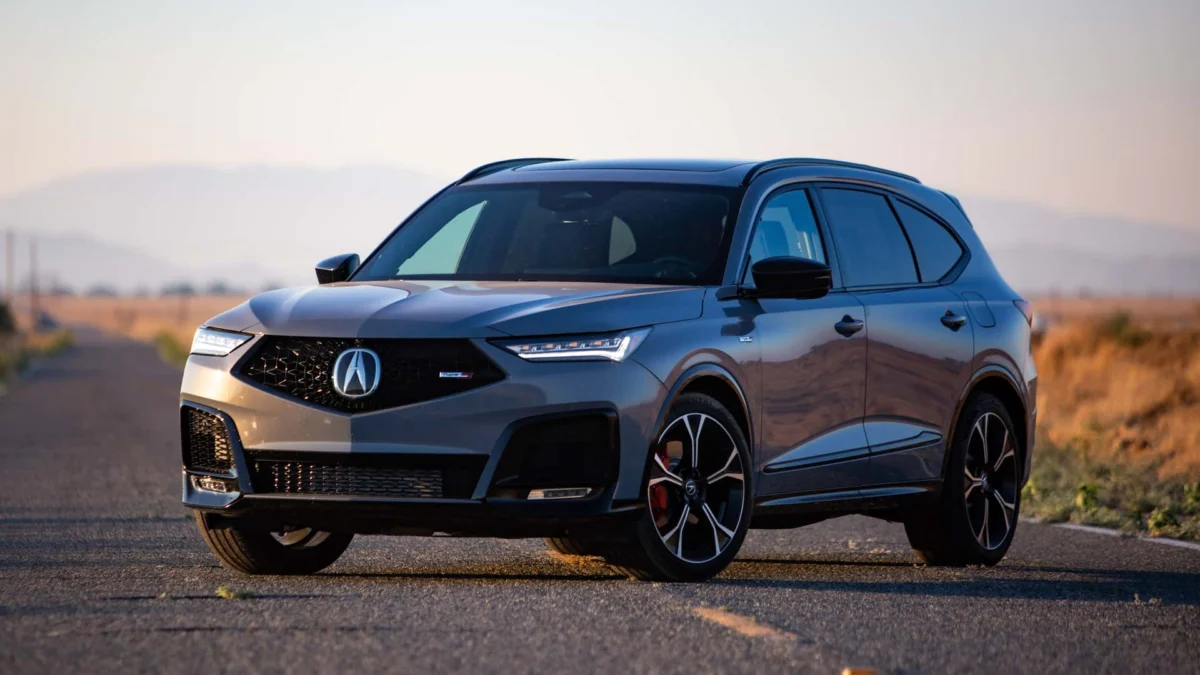
In a strategic shift that underscores the growing tension between high-performance automotive engineering and increasingly stringent federal mandates, Acura has confirmed a significant change to its flagship lineup. The brand has announced that production of the high-performance MDX Type S, the crown jewel of its SUV portfolio, will be placed on an indefinite hiatus following the 2026 model year.
While the term "cancellation" often carries a sense of finality in the automotive industry, Acura is framing this move as a temporary strategic pause. However, the decision highlights a volatile regulatory landscape that is forcing manufacturers to rethink the viability of specialized, low-volume performance trims in the face of evolving emissions standards.
The Regulatory Crosshairs: Why the Type S is Being Sidelined
The decision to mothball the MDX Type S is not a result of flagging consumer interest or a failure in the marketplace. On the contrary, the Type S has been a critical halo product for Acura, showcasing the brand’s engineering prowess with its 355-horsepower, turbocharged 3.0-liter V6 engine. Instead, the move is a direct response to the Environmental Protection Agency’s (EPA) upcoming Tier 4 emissions framework.
The EPA’s multipollutant and Tier 4 framework, which governs vehicle emissions for the 2027 through 2032 model years, represents a monumental shift in the regulatory burden placed on automakers. These finalized rules demand significant reductions in tailpipe emissions, pushing manufacturers to lean heavily into electrification and highly efficient powertrain optimization.
The complexity lies in the uncertainty of the implementation timeline. In May 2026, the EPA proposed a delay in the phase-in of these stringent requirements, suggesting a move from the original 2027 start date to 2029, while maintaining current Tier 3 standards in the interim. For a niche performance trim like the Type S, this "back-and-forth" creates an untenable business case. Certifying a high-performance powertrain—an engine that is inherently more difficult to tune for extreme emissions compliance—requires a massive investment in testing and calibration. To potentially have to perform this certification twice—once to meet the current standards and again to meet an evolving, uncertain future requirement—is a financial hurdle that does not align with the production volumes of a flagship performance trim.
A Chronology of the Shift
To understand the gravity of this decision, one must look at the recent pattern of behavior emerging from the Honda-Acura ecosystem. This is not an isolated incident, but rather part of a broader, cautious recalibration of the brand’s long-term product roadmap.
- Early 2024: Acura begins refining its luxury SUV strategy, focusing on the integration of performance styling across its standard model ranges.
- Late 2024: Industry analysts begin to note the tightening of emissions testing windows, putting pressure on high-performance turbocharged powertrains.
- Early 2025: Honda announces a pause in production for the popular Civic Si, citing identical certification pressures related to EPA compliance.
- September 2025: Acura officially notifies stakeholders, including Automotive News, that the MDX Type S will cease production after the 2026 model year.
- Post-2026 Outlook: The brand shifts focus toward maintaining the core MDX lineup, which will continue to be produced at the East Liberty, Ohio, facility, while evaluating the feasibility of reintroducing the Type S nameplate once the regulatory environment stabilizes.
Supporting Data: The Anatomy of a High-Performance Exit
The MDX Type S has served as the primary vessel for the turbocharged J30AC V6, a powertrain it currently shares with the TLX Type S. With the planned cessation of the MDX Type S, and considering the broader industry trend, the loss of this specific engine marks a historical milestone: for the first time in many years, the Acura lineup will be devoid of a factory-boosted six-cylinder engine.
This is a significant departure for a brand that has long prided itself on mechanical engagement and "Precision Crafted Performance." The data suggests that while the brand is moving away from this specific hardware, the aesthetic and handling spirit of the Type S will not vanish. Much like the transition following the discontinuation of the ZDX, Acura is likely to "democratize" the performance-oriented styling cues of the Type S, folding them into the standard MDX trims. By doing so, the brand hopes to retain the visual appeal and road presence of the Type S while streamlining the powertrain requirements to meet the more lenient emission profiles of standard engines.

Official Responses and Corporate Strategy
Acura spokesperson Andrew Quillin has been clear regarding the nature of this departure. In his communications with the media, he has emphasized that this is a pause, not a permanent sunsetting of the nameplate. "We are monitoring the regulatory landscape," noted a spokesperson, reflecting the company’s "wait-and-see" approach to the EPA’s final implementation schedule.
Behind the scenes, the parent company, Honda, is grappling with similar issues. The company recently canceled three planned electric vehicle projects, a move that indicates a broader strategic retreat to consolidate resources during a time of intense volatility. The decision to pull the plug on the MDX Type S is effectively a protective measure, preserving capital and engineering bandwidth for core, high-volume products that are essential to the brand’s survival and growth in a carbon-constrained market.
The Broader Implications: The Death of the "Niche" Performance Trim?
The departure of the MDX Type S serves as a bellwether for the rest of the automotive industry. As regulatory agencies tighten the screws on internal combustion, the first casualties are almost always the "halo" vehicles—the powerful, emotive, and high-performance variants that define a brand’s personality but contribute only a small fraction to the overall corporate average fuel economy (CAFE) numbers.
The Consumer Impact
For the consumer, this presents a narrow window of opportunity. Dealers are expected to hold inventory of the 2026 model year MDX Type S well into 2027. For enthusiasts who prioritize the 355-hp output and the sophisticated chassis tuning that sets the Type S apart from the standard MDX, this is the final call. The secondary market value of these vehicles may fluctuate, but their status as the "last of the breed" for turbocharged Acura V6s is likely to make them future collector pieces.
The Shift to Styling over Substance
Acura’s pivot toward migrating Type S styling cues into standard trims is a classic industry maneuver. It acknowledges that the visual language of performance is often as important to the buyer as the mechanical capability. By offering the aggressive fascia, the sporty interior accents, and the athletic trim details on lower-tier models, Acura can keep the "Type S vibe" alive even if the fire-breathing V6 engine is temporarily retired.
The Future of Performance
The long-term question remains: Can Acura bring the Type S back? The answer is tied to the EPA. If the Tier 4 framework is finalized with sufficient lead time, or if Acura successfully integrates new, more efficient hybridization technologies, a return to high-output six-cylinder power is possible. However, the current reality is one of austerity. The brand is betting that it can survive the current regulatory winter by focusing on its core strengths and waiting for the policy climate to thaw.
Final Thoughts: A Warning for the Market
The pause of the MDX Type S is a sobering reminder that the automotive landscape is shifting beneath our feet. For decades, the hallmark of luxury SUVs was raw power and mechanical complexity. Today, those same traits are becoming liabilities in a world of rigid emissions quotas.
For the prospective buyer, the message is simple: if you crave the specific blend of utility and performance that the MDX Type S offers, you are living in the final act of this particular production. The market will undoubtedly continue to evolve, but the era of the internal-combustion flagship is facing its most significant challenge yet. As we watch the EPA’s final timeline unfold, we are witnessing not just the end of a trim level, but a profound shift in the definition of luxury performance itself. Whether this is a temporary hiatus or a permanent transformation will be the story of the next five years for Acura and the industry at large.