The American South is globally synonymous with a specific, soul-warming brand of comfort food. From the golden, flaky layers of a buttermilk biscuit to the deep, complex resonance of a well-made gumbo, Southern cuisine serves as a sensory map of the region’s history. Yet, beneath the surface of these beloved dishes lies a narrative far more complex than simple recipes passed down through generations. The evolution of Southern food is a tapestry woven from the threads of forced labor, indigenous wisdom, European influence, and the resilient creativity of marginalized communities.
The Chronology of Culinary Fusion
To understand Southern food is to acknowledge that its origins are rarely singular. The "South" as a culinary entity emerged from a crucible of forced migration and cultural collision.
18th and 19th Century Foundations
The roots of many iconic Southern dishes can be traced to the colonial era, where the blending of ingredients—okra from West Africa, sassafras from Indigenous North Americans, and wheat-based techniques from European settlers—began in earnest. Mary Randolph’s 1824 seminal work, The Virginia Housewife, serves as one of our earliest written windows into this world. Randolph documented recipes that, while presented through a colonial lens, were deeply indebted to the techniques of enslaved African cooks.
The Post-Emancipation Evolution
Following the Civil War, the culinary landscape shifted. As formerly enslaved individuals sought new lives, their foodways traveled with them, integrating with the diets of immigrant populations—notably the Italians who arrived in the Mississippi Delta in the late 19th century—creating hybrid dishes like fried fish and spaghetti.
The 20th Century and Modern Standardization
The 20th century saw the transition of these regional specialties into the national consciousness. Innovations like commercial baking powder, patented by Eben Horsford in the mid-1800s, standardized the texture of biscuits, while the 1980s saw the media-driven elevation of dishes like shrimp and grits from humble breakfast fare to fine-dining staples, championed by chefs like the late Bill Neal.
Deep Dive: The Stories Behind the Plates
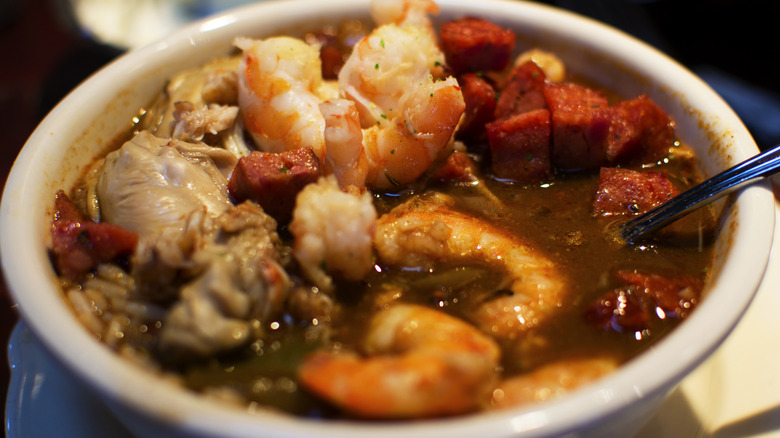
Gumbo: A West African Legacy
Gumbo is the quintessential expression of Louisiana’s multicultural identity. Its lineage traces back to okra stews brought from Ghana, Nigeria, and Benin by enslaved people. While okra provides the dish’s traditional thickening power, the introduction of filé (ground sassafras) demonstrates the critical influence of Indigenous Choctaw knowledge. The French addition of a flour-and-fat roux completed the trio of cultural contributions, resulting in the complex stew that defines the Gulf Coast.
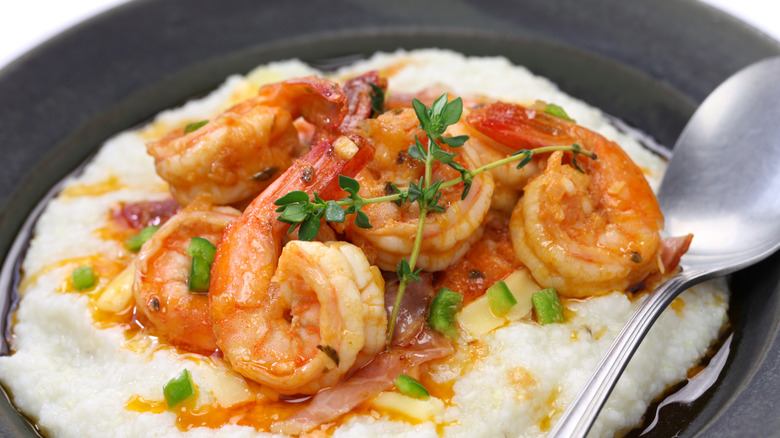
Shrimp and Grits: From Shoreline to Supper Club
Long before it graced the menus of upscale Charleston bistros, shrimp and hominy was a staple breakfast for the Gullah Geechee people. The dish utilized the abundance of the South Carolina coastline and the dietary reliance on corn-based hominy. It remained a quiet, regional tradition until the late 20th century, when chefs and food writers began to celebrate the refined elegance of this low-country pairing.
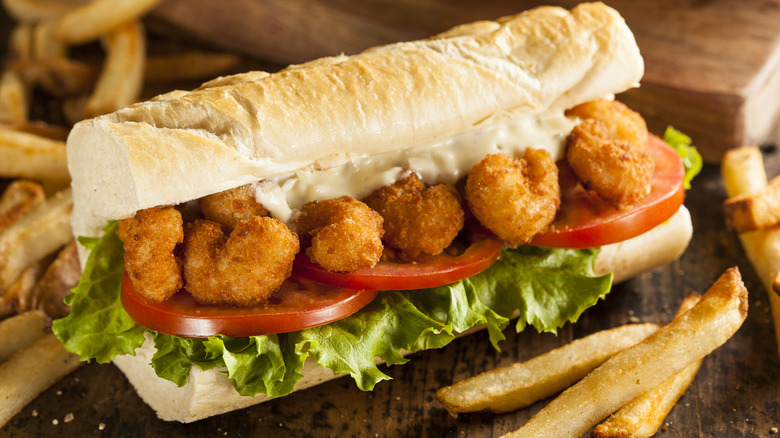
Po’boy Sandwiches: Born of Labor Strife
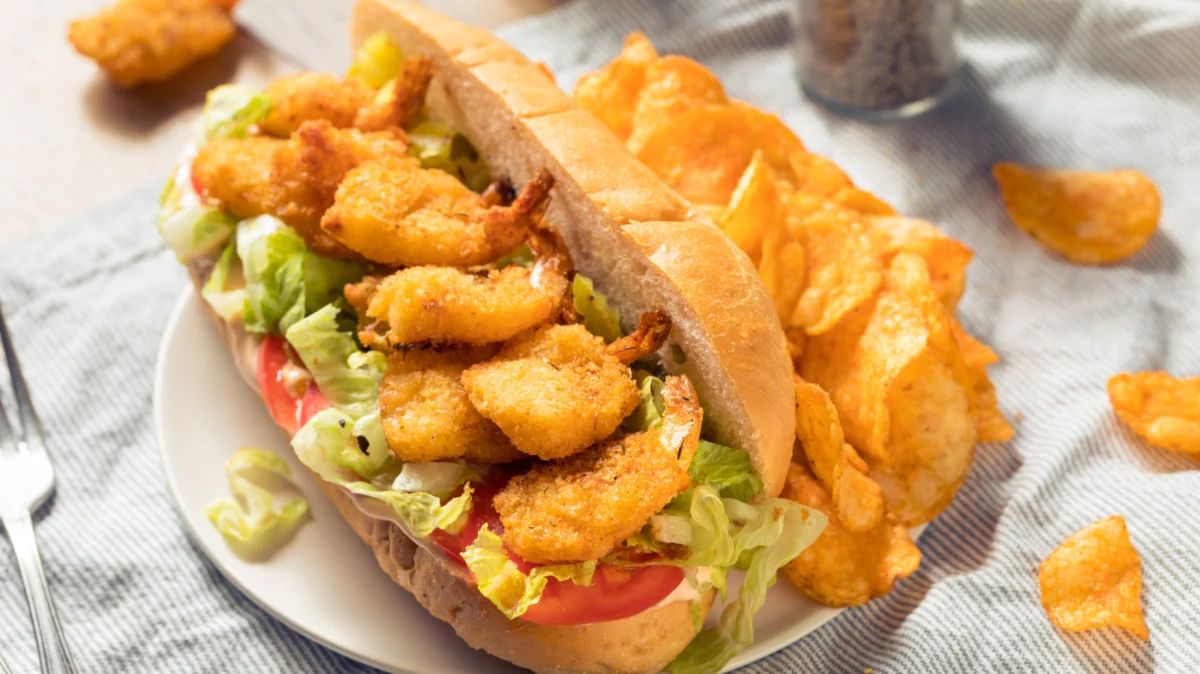
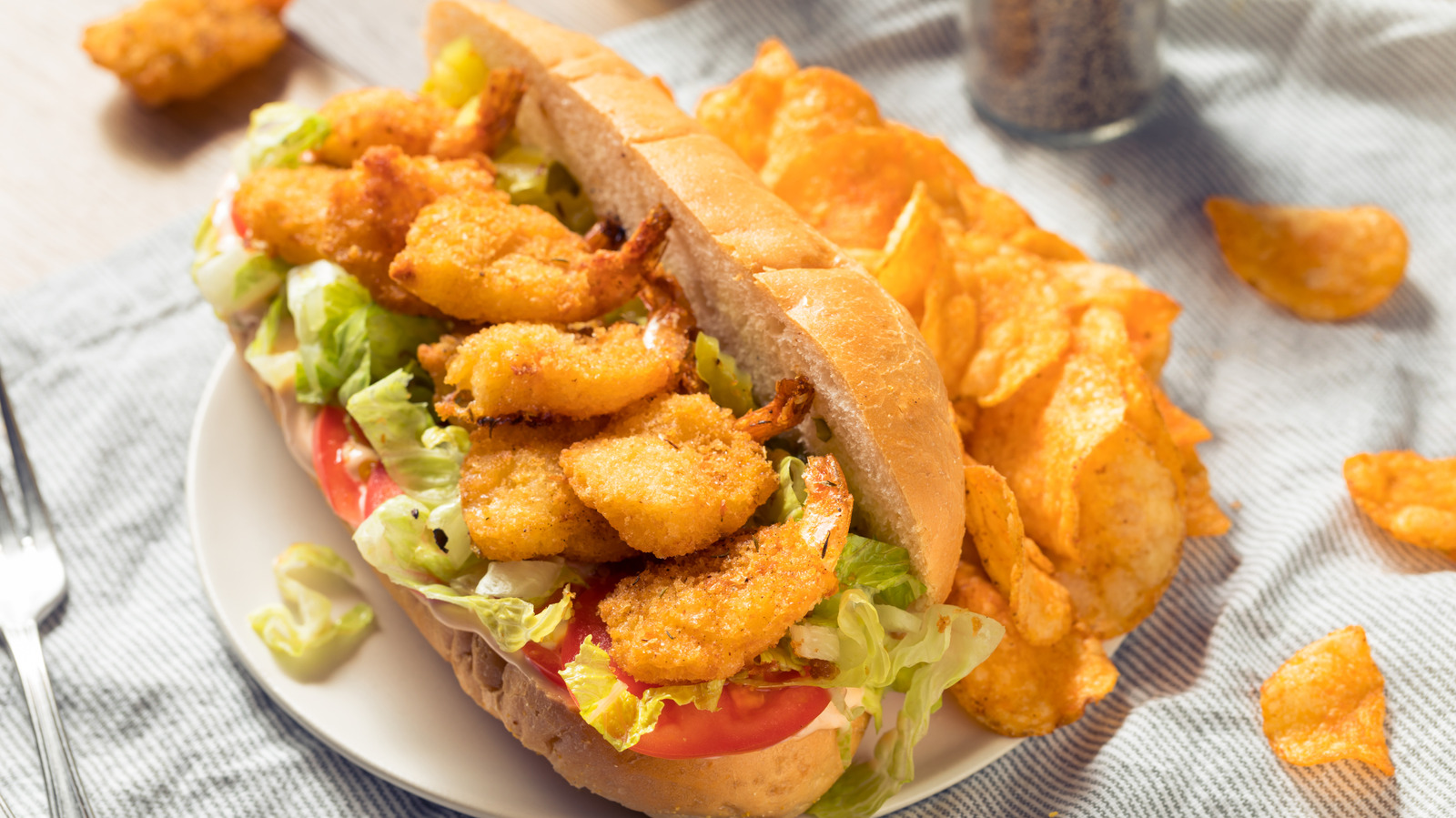
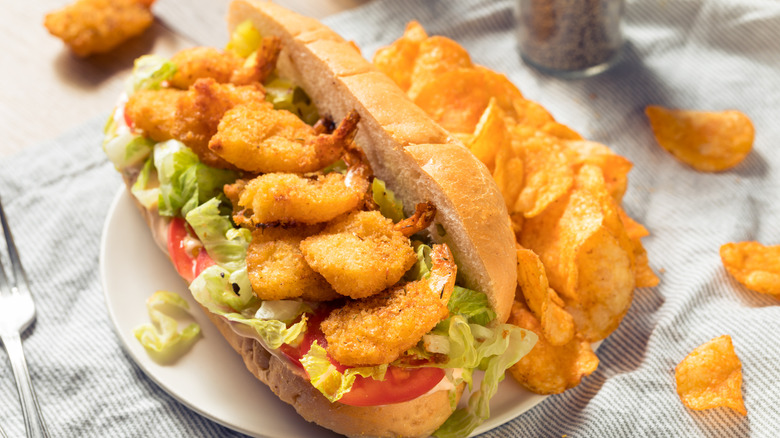
The po’boy is perhaps the most famous example of a dish born from solidarity. During the 1929 New Orleans streetcar strike, brothers Clovis and Bennie Martin—former conductors themselves—sought to feed the striking workers. By negotiating with baker John Gendusa for long, uniform loaves of French bread, they were able to create inexpensive, filling sandwiches for the "poor boys" on the picket line. Today, the Gendusa Bakery remains a touchstone for this enduring symbol of class solidarity.
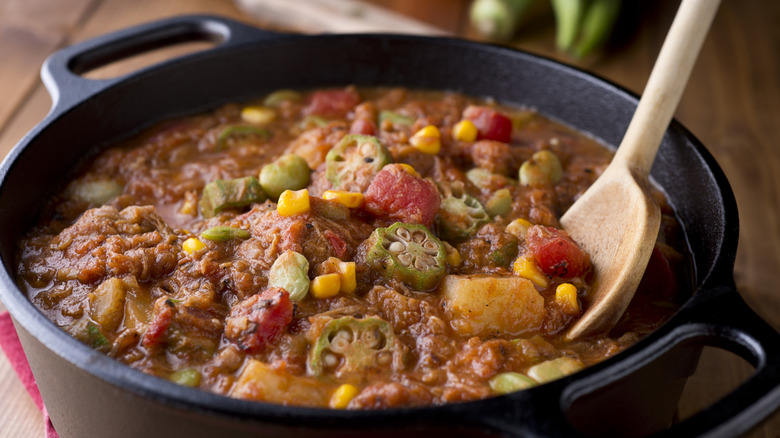
Brunswick Stew: A Regional Rivalry
Whether this tomato-based, slow-cooked stew belongs to Georgia or Virginia remains a subject of fierce local debate. While Georgia cites the city of Brunswick and the documentation in Annabella P. Hill’s Mrs. Hill’s New Cook Book (1867), Virginia points to local legends involving hunting expeditions. Historians, however, suggest that the true origin lies with Indigenous populations, whose camp-stew techniques predated both state claims.
Biscuits: From Hardtack to Fluff
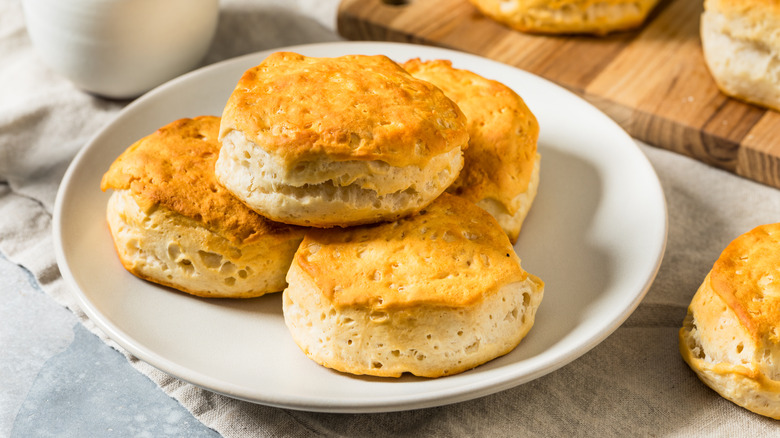
The evolution of the biscuit is a masterclass in technological adaptation. The original "biscuits" were dense, cracker-like staples of maritime travel, designed to withstand long voyages. Through the intensive labor of enslaved cooks—who developed the "beaten biscuit" method to incorporate air into the dough—the product began to lighten. It was not until the mass availability of chemical leaveners like baking powder that the tall, golden, airy biscuit became the standard of the Southern breakfast table.
Fried Fish and Spaghetti: A Cultural Intersection
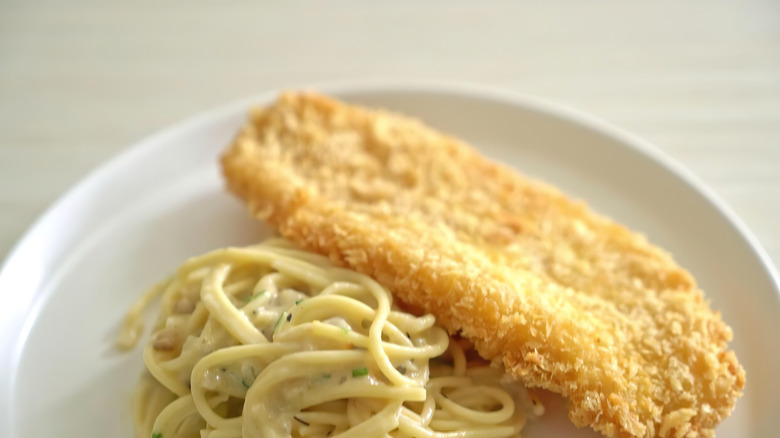
This pairing represents one of the most unique culinary marriages in the South. It tells the story of the Mississippi Delta, where Black communities utilized local catfish for protein, and Italian immigrants introduced pasta and tomato-based sauces. The dish gained broader popularity as the Great Migration carried Black families to the Midwest, cementing its place in the American culinary canon.
Hushpuppies: Folklore and Frying
The humble hushpuppy—deep-fried cornmeal batter—is shrouded in the most colorful mythology. Most theories revolve around the necessity of keeping hunting dogs quiet during camp-side fish fries. Whether they were thrown to dogs to keep them from barking or used to feed hungry soldiers during the Civil War, the dish serves as a testament to the resourcefulness of Southern outdoor cooking.
Fried Chicken: Global Roots, Southern Refinement
While the act of frying chicken is ancient and global, the Southern iteration is distinct. It represents a synthesis of West African frying techniques and Scottish stewing/frying methods, refined by enslaved cooks who developed the spice profiles and breading techniques that define the modern version.
Implications of Food History
The study of Southern food is not merely an academic exercise; it is an act of historical reclamation. For decades, the contributions of enslaved people and Indigenous tribes were obscured by the romanticization of the "Southern plantation" narrative. By tracing the origins of these dishes, historians are revealing the profound agency and intellectual labor of those who worked in the kitchens of the past.
The commercialization of these dishes, while bringing them to a global audience, often risks sanitizing their history. However, the persistence of traditional techniques—such as the specific way a roux is stirred or how grits are ground—ensures that the cultural DNA of the South remains intact.
The Resilience of Regional Identity
Ultimately, the food of the American South serves as a testament to survival. Whether it was the resourceful use of squirrel in early stews or the economical creation of the po’boy, these dishes reflect a population that consistently turned limited resources into world-class cuisine. As we continue to study and enjoy these iconic foods, we must do so with an appreciation for the complex, often difficult history that makes every bite a story worth telling.
The Southern plate is more than a meal; it is a living archive. It reminds us that our most cherished traditions are often the result of the most unlikely meetings, and that, in the kitchen, history is always on the menu.