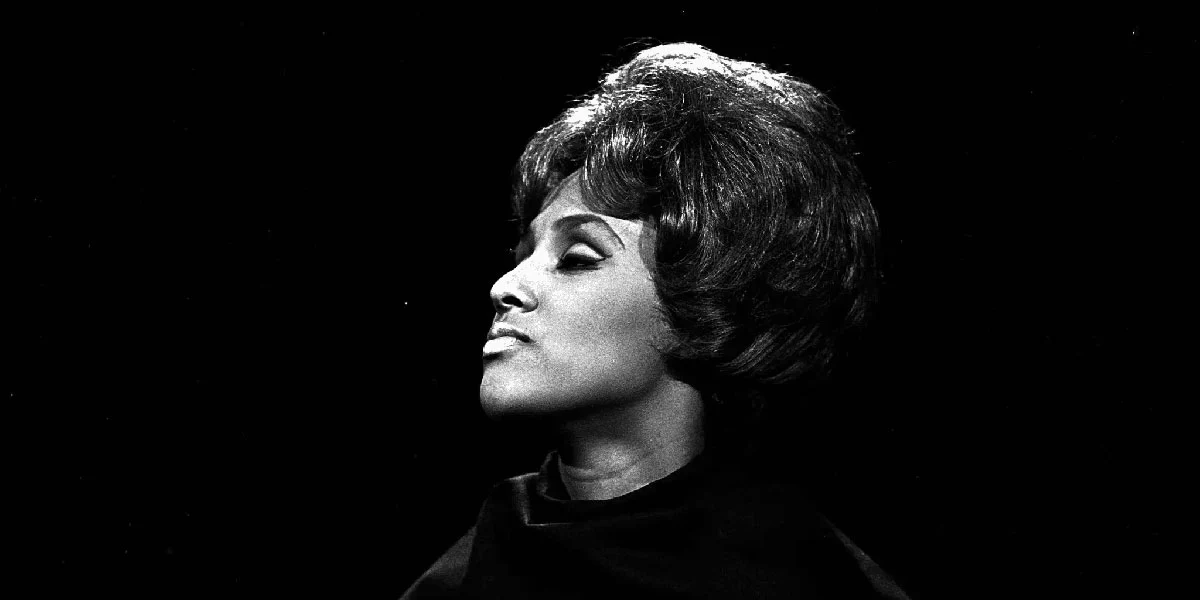
For decades, the sonic landscape of 1960s pop music was dominated by the monolithic, orchestral majesty of the "Wall of Sound." Yet, behind the sprawling, reverb-drenched arrangements of Phil Spector lay a profound injustice—a systematic erasure of the very human instrument that gave those records their soul. Darlene Love: I Know Where I’ve Been, a new documentary directed by Barry Avrich, serves as both a cinematic biography of one of music’s most underrated legends and a searing meditation on the nature of identity, credit, and survival in the entertainment industry.
The Architecture of Erasure: Main Facts
Darlene Love, born Darlene Wright in 1941, stands as one of the most significant vocalists in the history of rock and roll. However, for the better part of the 20th century, her name was a footnote, buried beneath the contractual machinations of her producer, Phil Spector.
The core of the issue lies in the early 1960s, a period when Spector treated his stable of vocalists as interchangeable cogs in a hit-making machine. In 1962, Spector recruited Love and her group, The Blossoms, to record "He’s a Rebel." Despite the track serving as the foundational prototype for the Wall of Sound, Spector credited the song to The Crystals—who were, at the time, 3,000 miles away in New York. This was not a mere administrative error; it was a deliberate strategy. By detaching the voice from the name, Spector ensured that he, the producer, remained the singular star of the enterprise. For Love, this meant that the voice listeners felt in their "sonic bones" was effectively rendered invisible.
A Chronology of a Career in the Shadows
The trajectory of Love’s career is a study in contradictions: she was a star who was simultaneously a session musician.
- The Early Years (1950s–1961): Raised in a deeply religious household, Love was immersed in gospel music, a foundation that would later lend her pop vocals a distinct, peerless authority. Her professional career began in earnest when she joined The Blossoms, providing backing vocals for icons such as Sam Cooke ("Chain Gang"), The Crystals, and countless others.
- The Spector Era (1962–1966): This was the period of both her greatest professional triumphs and her deepest personal frustrations. She provided the lead vocals for "He’s a Rebel" and "He’s Sure the Boy I Love," and recorded the definitive version of "Christmas (Baby Please Come Home)." Her career suffered a cruel blow when that Christmas album was released on November 22, 1963—the day of the John F. Kennedy assassination. The record failed, and Spector suppressed it, effectively erasing Love’s name from what would later be recognized as the greatest Christmas pop song ever recorded.
- The Wilderness Years (1970s–1980s): As the era of girl-group pop faded, so did Love’s visibility. She navigated a tumultuous personal life, including the struggles of her children within the Los Angeles gang landscape and a period where she worked as a domestic cleaner to make ends meet.
- The Resurrection (1986–Present): A career revival began when David Letterman, an avid fan of her Christmas classic, invited her to perform on his late-night show. This became an annual ritual, leading to her 2011 induction into the Rock & Roll Hall of Fame and a late-career victory lap that culminates in the release of this documentary.
Supporting Data: The "Alternate Universe" of Stardom
Darlene Love: I Know Where I’ve Been relies heavily on archival footage and contemporary interviews with industry luminaries like Bruce Springsteen and Steven Van Zandt, who provide context on how Love’s career was systematically "nipped in the bud."
One of the most compelling segments of the film involves the "River Deep, Mountain High" conspiracy. The documentary posits that Love was originally intended to record the iconic track. Spector, however, shifted the vocals to Tina Turner. While the song is now legendary, it was a commercial failure at the time. The film argues that Love’s smoother, pop-soul delivery might have secured the chart success that eluded the more "gritty" R&B approach of Turner in 1966. Whether this is true is secondary to the point: Love was a victim of a producer who viewed his talent as expendable assets rather than autonomous artists.
Official Responses and Industry Reflections
The documentary does not shy away from the darker aspects of Phil Spector’s personality. While acknowledging his genius, the film characterizes his treatment of Black female vocalists as bordering on "indentured servitude." He moved artists around like pieces on a game board to avoid paying royalties and to maintain absolute control over the brand.
Conversely, the film highlights the support of those who recognized her value. Paul Shaffer, who collaborated with Love on the Letterman show and during the film’s recording sessions at the Power Station, provides a bridge between her past and present. The documentary captures Love today—at 85, she remains an ageless, vibrant force. She is no longer waiting for the industry to give her credit; she is reclaiming her narrative. As she notes in the film, she has transcended the bitterness of being robbed of her potential, focusing instead on the legacy she has built.
Implications: The Mystery of Pop Identity
The film’s broader implication is a challenge to how we perceive "stardom." The documentary 20 Feet from Stardom, which featured Love prominently, introduced the world to the concept of the background singer living in the shadows. I Know Where I’ve Been goes a step further by demonstrating that Love was never truly in the background—she was always at the front, leading the charge. The erasure was not of her talent, but of her identity.
This film is a vital correction to the history books. It reveals that the "Wall of Sound" was not just a technical innovation; it was a psychological construct that required the silencing of the individuals who powered it. By the time the credits roll, the audience is left with a profound sense of awe—not just at the sheer, soul-stirring splendor of Love’s voice, but at her resilience in the face of systemic racism and professional betrayal.
Darlene Love’s story is a reminder that while history may be written by the powerful, the music itself remains the domain of the artists who breathe life into it. We are finally learning the name behind the voice, and in doing so, we are gaining a clearer, more honest understanding of the true heart of pop music. Darlene Love is no longer standing twenty feet from stardom; she is, and has always been, at the very center of it.