As the automotive industry pivots toward a future defined by radical electrification and high-performance excess, the prestigious North American Car, Truck and Utility Vehicle of the Year (NACTOY) awards have announced their initial pool of contenders for the 2027 cycle. In a surprising development that signals a shift in the competitive landscape, the Ford Motor Company—a perennial powerhouse in the truck category—has been entirely excluded from the list of nominees.
This absence marks a definitive break from Ford’s recent dominance, setting the stage for a wide-open race that highlights the growing disparity between utilitarian electric startups and the high-octane legacy of internal combustion heavyweights.
The State of the Field: A Diverse Array of Contenders
The NACTOY jurors, tasked with evaluating the industry’s most significant new vehicles, have narrowed their focus to a select group of trucks that underscore the current identity crisis within the pickup segment. While the full list of 25 "Best of 2027" vehicles spans various categories, the truck segment has crystallized into four primary contenders: the Slate Truck, the Ram 1500 TRX SRT, the Chevrolet Silverado 1500, and the GMC Sierra 1500.
This lineup is a testament to the current fragmentation of the market. On one end of the spectrum, the Slate Truck represents the "minimalist" approach to the electric revolution. Priced at a disruptive $24,950, it strips away the creature comforts of the modern era—eschewing power windows and factory audio systems—to offer an accessible, pure electric workhorse. At the polar opposite sits the Ram 1500 TRX SRT, a $103,000 behemoth powered by a supercharged 6.2-liter Hemi V8. With 777 horsepower under the hood, the TRX is a halo vehicle designed for extreme off-road capability rather than budget-conscious utility.
The presence of these two vehicles in the same bracket poses a significant challenge for the jury. How does one compare a stripped-down, fleet-focused EV with a high-performance, gas-guzzling desert racer? The answer lies in the NACTOY mandate: evaluating innovation, design, safety, handling, driver satisfaction, and value.
Chronology of an Industry Shift: The Ford Drought
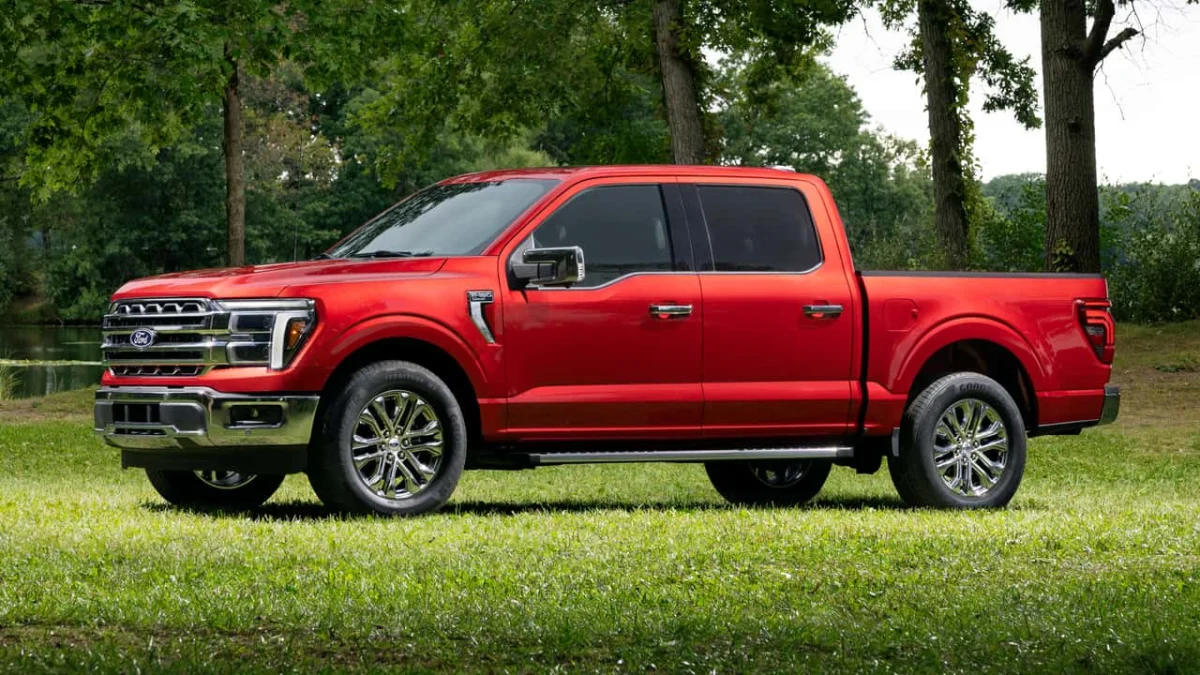
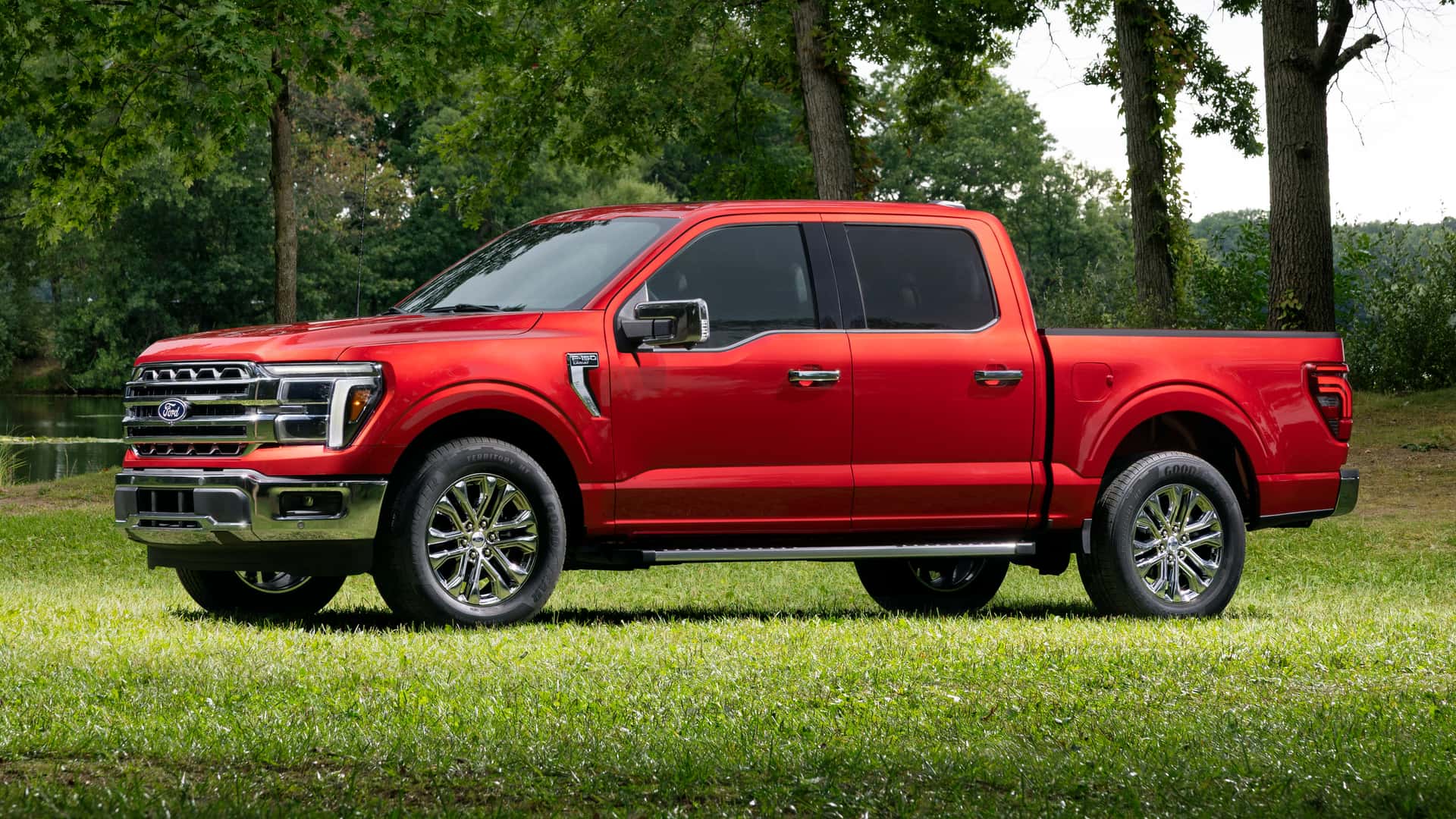
To understand why Ford is absent, one must look at the cycle of automotive development. For years, Ford has been the gold standard at the NACTOY awards. The F-150 Lightning secured the win in 2023, and Ford’s truck division has enjoyed a consistent run of accolades for the Super Duty, Ranger, and Maverick.
However, NACTOY rules are strict: to be eligible, a vehicle must be "all-new" or "substantially changed." The current generation of the Ford F-150, which launched for the 2021 model year, has aged out of the "all-new" criteria, and no other vehicle in the current Ford truck portfolio qualifies under the committee’s rigorous definitions of substantial modification.
The timeline is further complicated by Ford’s internal restructuring. In December 2025, the company made the difficult decision to pause production of the F-150 Lightning as it recalibrated its electrification strategy. While the manufacturer has confirmed plans for a next-generation extended-range Lightning, that vehicle remains on the horizon, likely slated for a later release window. Consequently, Ford finds itself in a brief, strategic "lull" where its most prominent products are neither fresh enough for contention nor radical enough to be considered a new design, leaving the door wide open for competitors.
Supporting Data: The 2027 Competitive Landscape
The NACTOY evaluation process is an exhaustive journey. This year’s pool of 56 eligible vehicles was whittled down to 25, and while the official finalist list is pending, the current truck contenders represent the industry’s attempt to bridge the gap between traditional reliability and future-forward technology.
The GM Strategy: Evolution over Revolution
General Motors has successfully leveraged the "substantially changed" rule to maintain a presence in the competition. Both the Chevrolet Silverado 1500 and the GMC Sierra 1500 have undergone enough iterative updates to satisfy the jurors. By focusing on refinement, improved towing capabilities, and cabin technology, GM is attempting to prove that the traditional half-ton pickup still has a significant role to play in the American household, even as the market pushes toward EVs.
The Startup Disruptor: The Slate Truck
Slate’s inclusion is particularly notable. As a newcomer, the company is still navigating the complexities of production and delivery. While NACTOY jurors have expressed caution—noting that some vehicles may not be fully drivable by the time the October comparison event rolls around—the very presence of an entry-level, utilitarian EV in the final running is a clear signal of the industry’s changing priorities. The Slate truck is a direct challenge to the idea that the electric pickup must be a high-cost luxury item.
Official Stance and Juror Perspectives
The NACTOY organization remains committed to its role as a mirror of the automotive market. While they have not provided specific comments on Ford’s exclusion, the rules regarding eligibility are public and strictly enforced. The absence of a major manufacturer like Ford does not necessarily imply a decline in the brand’s quality; rather, it highlights the cyclical nature of product life cycles.
"It is an eligibility gap more than a quality verdict," noted industry analysts observing the selection process. The jurors are looking for the most compelling narratives in the industry. This year, the narrative is split: the battle between the high-performance excess of the TRX and the low-cost, minimalist efficiency of the Slate represents the two futures currently competing for the hearts and wallets of American consumers.
Implications for the Future: What This Means for Consumers
For fleet managers and private buyers alike, this year’s competition offers a unique look into the future. The absence of the F-150 means that for the first time in years, the spotlight is not on the established incumbent.
1. Market Diversification
The 2027 awards will provide data on whether consumers are genuinely interested in the "stripped-back" EV experience represented by Slate, or if they continue to prioritize the high-output, emotional appeal of vehicles like the Ram TRX.
2. The Legacy of the Half-Ton
With the Silverado and Sierra carrying the torch for traditional combustion-engine trucks, the results will serve as a bellwether for the longevity of the traditional pickup platform. If these vehicles outperform the electric contenders, it may delay the industry’s transition away from the V8-powered half-ton.
3. Ford’s Future Outlook
Ford’s temporary absence is a calculated pause. By stepping back from the immediate fray, the company is preparing for its 15th-generation F-150 and the next-generation Lightning. The lack of an entry this year allows the company to focus its resources on its long-term, multi-year electrification roadmap, ensuring that when they do return to the NACTOY stage, it will be with a product designed to dominate the next decade.
Conclusion: A Pivot Point for the Industry
The 2027 NACTOY truck competition will be remembered not for who won, but for what the lack of a Ford entry signifies. It is an industry in transition, caught between the desire for unbridled power and the necessity of accessible, efficient transport.
As jurors gather this October, they will not be comparing the "usual suspects." Instead, they will be evaluating a field that ranges from the most primitive of electric concepts to the most advanced of traditional combustion designs. Regardless of the outcome, the 2027 NACTOY awards will provide a critical glimpse into the next chapter of the American pickup, a chapter that is currently being written in boardrooms and on assembly lines across the country.
For the enthusiast and the everyday driver, the race is on. With the established king taking a sabbatical, the stage is set for a new, unexpected champion to emerge. Whether that is a high-horsepower titan or a budget-friendly electric disruptor remains to be seen, but one thing is certain: the conversation about the future of the American truck has never been more diverse.