The giant-snake horror subgenre has long been relegated to the bargain bin of cinematic history. For decades, audiences have been treated to a repetitive cycle of B-movies featuring rubbery animatronics and exaggerated performances, with only the 1997 cult classic Anaconda maintaining a tenuous grip on cultural relevance. Even then, the genre has largely been treated as a punchline—a sentiment underscored by the 2025 meta-comedy starring Jack Black and Paul Rudd, which parodied the very tropes the genre helped create.
However, director Mike P. Nelson, fresh off his work on the 2025 iteration of Silent Night, Deadly Night, is aiming to dismantle this stigma. His latest project, Beware Boiúna, arrives this October with a mission to prove that the "giant snake" premise can be handled with the gravity, grit, and technical precision usually reserved for high-concept prestige horror.
The Genesis of a Modern Myth
Beware Boiúna departs sharply from the adventure-horror romps of the 90s. There are no celebrity cameos or tongue-in-cheek winks at the audience. Instead, the film offers a grounded, visceral experience—a claustrophobic journey into the heart of the Amazon, where a mythological, truck-sized serpent acts as the violent arbiter of a fragile ecosystem. Written by Alan B. McElroy, known for his work on Spawn, the screenplay operates on a simple, ruthless premise: in the deep jungle, humanity is not the apex predator.
"Look at the giant snake movies that have come before us," Nelson told Polygon in an exclusive interview ahead of the film’s fall release. "With the exception of Anaconda, they’re kind of jokes. And to be honest, even Anaconda is kind of a joke—that’s coming from someone who loves it. My goal was to strip away the camp and lean into the reality of the environment."
Chronology of Production: From Concept to Canopy
The production of Beware Boiúna was a feat of logistical endurance. The project began with a fundamental creative dispute between the director and the studio: where to film. Initially, the studio sought to replicate the Amazonian atmosphere in controlled studio environments or closer, more accessible jungle locations. Nelson, however, remained adamant.
- Pre-Production (Early 2026): After scouting various jungle regions, the production team, led by producer Jeremy Bolt, traveled to the actual Amazon River basin. Upon visiting the site, Nelson’s conviction solidified. He argued that the tactile, humid reality of the rainforest could not be faked.
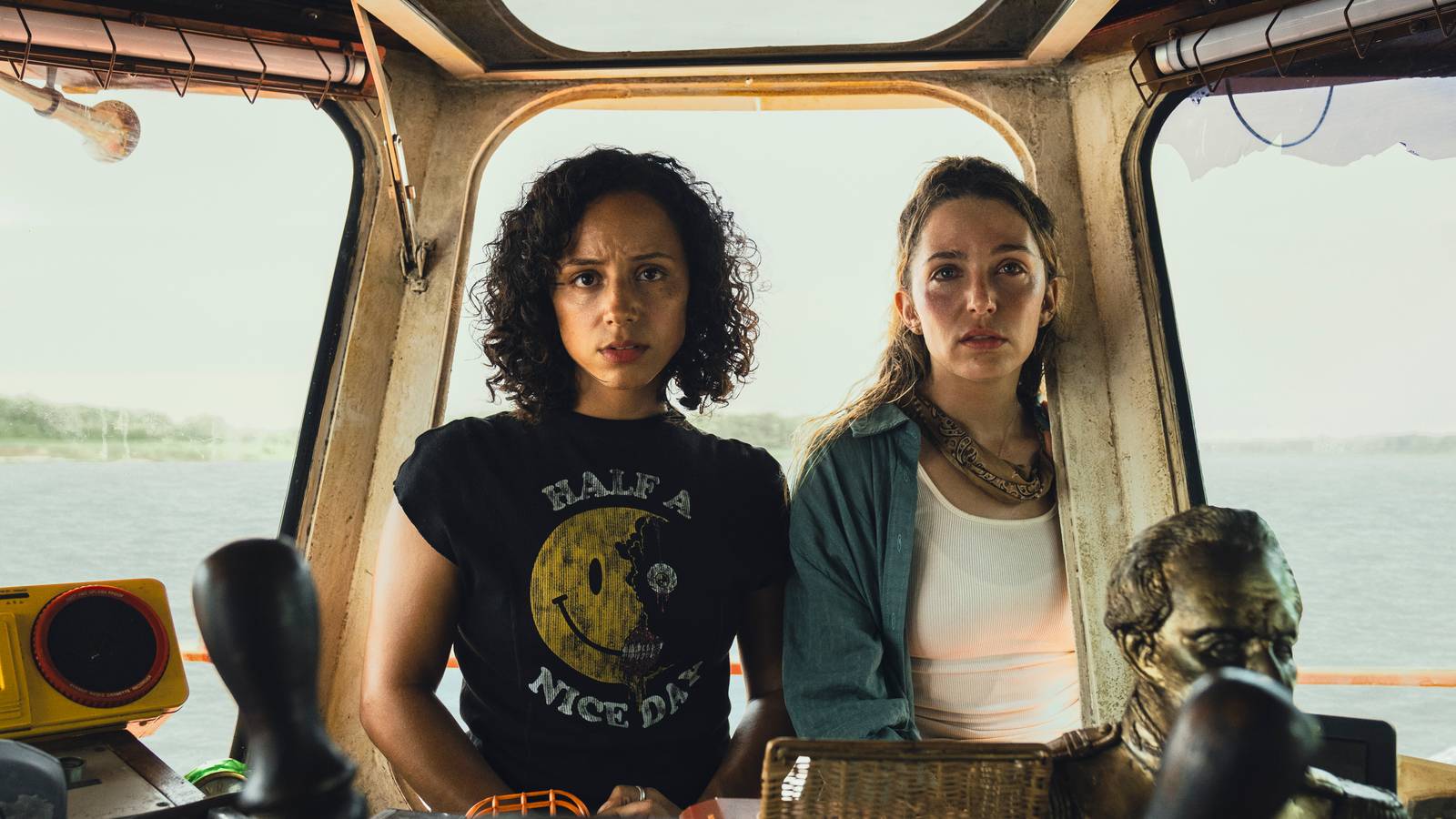
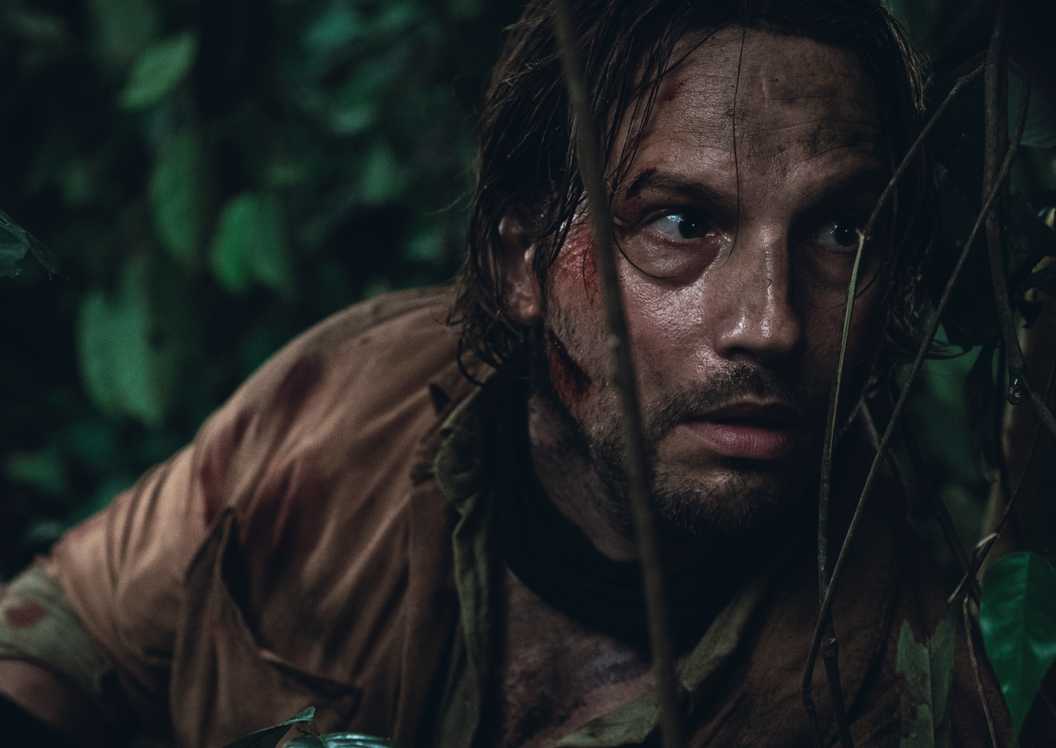
- The Casting Phase: The film features a high-caliber cast, including Jessica Rothe and Logan Marshall-Green, who were tasked with navigating the physically demanding shoot.
- Principal Photography (Mid-2026): Filming moved to the Colombian jungle, which stood in for the Peruvian rainforest setting. The production was marked by a rigorous, "army-crawl" shooting schedule, forcing the cast and crew to endure extreme heat, unpredictable rainfall, and the dense, unforgiving terrain of the Amazon basin.
- Post-Production (Late 2026): The final months were spent balancing the practical, on-location stunts with digital enhancements to bring the mythological Boiúna to life.
Navigating the Wild: Supporting Data and Real-World Hazards
One of the most persistent myths surrounding the production of jungle-set films is the level of inherent danger posed by the wildlife. While Anaconda suggested that the river itself was a death trap, Nelson’s experience was more nuanced.

"Everybody hears that in the Amazon, everything wants to kill you," Nelson explained. "I walked away with a different mindset. Sure, everything there could kill you, but it’s not necessarily there just to kill you. You have to respect the space."
Despite this respectful approach, the production was not without its hazards. The crew employed a professional snake wrangler—the unsung MVP of the set—who would scout ten steps ahead of the camera crew to ensure the path was clear. The reality of the dangers was underscored by a close encounter with a Brazilian wandering spider (Phoneutria nigriventer), which was discovered on a crew member’s umbrella during a rainstorm. Additionally, a crew member suffered a non-life-threatening bite from a tarantula, a sobering reminder of the environment’s volatility.
The Art of the Monster: Practical Effects vs. CGI
To avoid the "tennis ball on a stick" trope, Nelson insisted on tactile interaction for his actors. In Brazilian mythology, the Boiúna is a shape-shifting black snake, but for the film, Nelson opted for a consistent, gargantuan form.

"I didn’t want any tennis balls," Nelson said. "I wanted to give them something to look at; something they could feel moving behind them."
The production relied on "environment puppetry" rather than pure CGI. For many shots, the team used lengths of black-painted HVAC tubing to simulate the snake’s movement through the brush and water. This provided the actors with a physical reference point, allowing for more natural reactions to the looming threat.
In perhaps the most ambitious sequences, the crew utilized a custom-built truss system capable of lifting actors 40 feet into the air. Nelson noted that when the audience sees a character being snatched into the canopy, it is not a digital double, but a real performer being hoisted with high-tension rigs, accompanied by a pressurized cannon that sprayed debris and dirt to simulate the serpent’s violent emergence from the trees.

Official Responses and Cultural Implications
The film’s production was bolstered by the support of local indigenous elders, who granted the team permission to film on their land. Nelson attributes this access to the film’s underlying message. Beware Boiúna functions as an allegory for conservation, positioning the snake not as a mindless killer, but as a guardian of the Amazon protecting the land from illegal loggers and gold miners.
"The elders who let us shoot on their land, and ultimately blessed us to be there, were super cool," Nelson noted. This cooperation allowed the production to film in pristine, restricted areas that would have been otherwise inaccessible.
The implications for the horror genre are significant. If Beware Boiúna succeeds at the box office, it could signal a shift toward "prestige creature features"—films that utilize high production values, practical effects, and thematic depth to elevate material that was previously discarded as B-movie fodder.
Conclusion: A New Standard?
As the release date of October 2 approaches, the industry is watching closely. By prioritizing environmental immersion and refusing to rely on the crutch of digital spectacle, Mike P. Nelson has crafted a film that respects its audience’s intelligence. Beware Boiúna is not just a monster movie; it is a testament to the idea that even the most exhausted subgenres can be revitalized if the director is willing to get their hands dirty—literally. Whether the audience is ready to take the giant snake seriously remains to be seen, but for the first time in nearly thirty years, the odds are finally in the serpent’s favor.