When you begin the journey of a kitchen renovation, you are immediately confronted with a sea of technical jargon. Among the most common—and most confusing—points of contention is the distinction between "quartz" and "quartzite." Even experienced contractors sometimes use the terms interchangeably, but for the homeowner, the difference is profound. While these two materials are separated by only three letters, they exist in entirely different universes regarding origin, composition, maintenance, and investment.
Understanding this distinction is not just an academic exercise; it is a financial and functional imperative. Choosing the wrong material can lead to years of maintenance headaches, unexpected staining, or the premature degradation of what is often the most expensive surface in your home.
Main Facts: The Fundamental Divide
At the most basic level, the difference boils down to nature versus manufacturing.
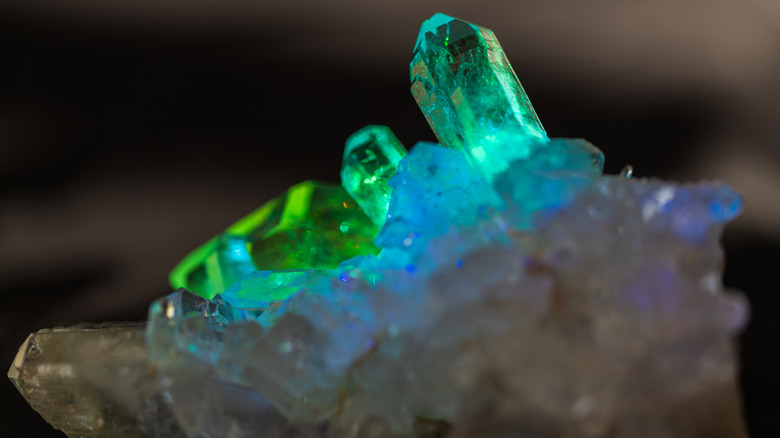
Quartzite is a metamorphic rock. It begins its life as sandstone, which is rich in mineral quartz. Over millions of years, tectonic pressure and intense geothermal heat "cook" the sandstone, causing the individual grains to recrystallize into a dense, interlocking mosaic of quartz crystals. It is a natural product, mined from the earth and processed into slabs with minimal alteration.
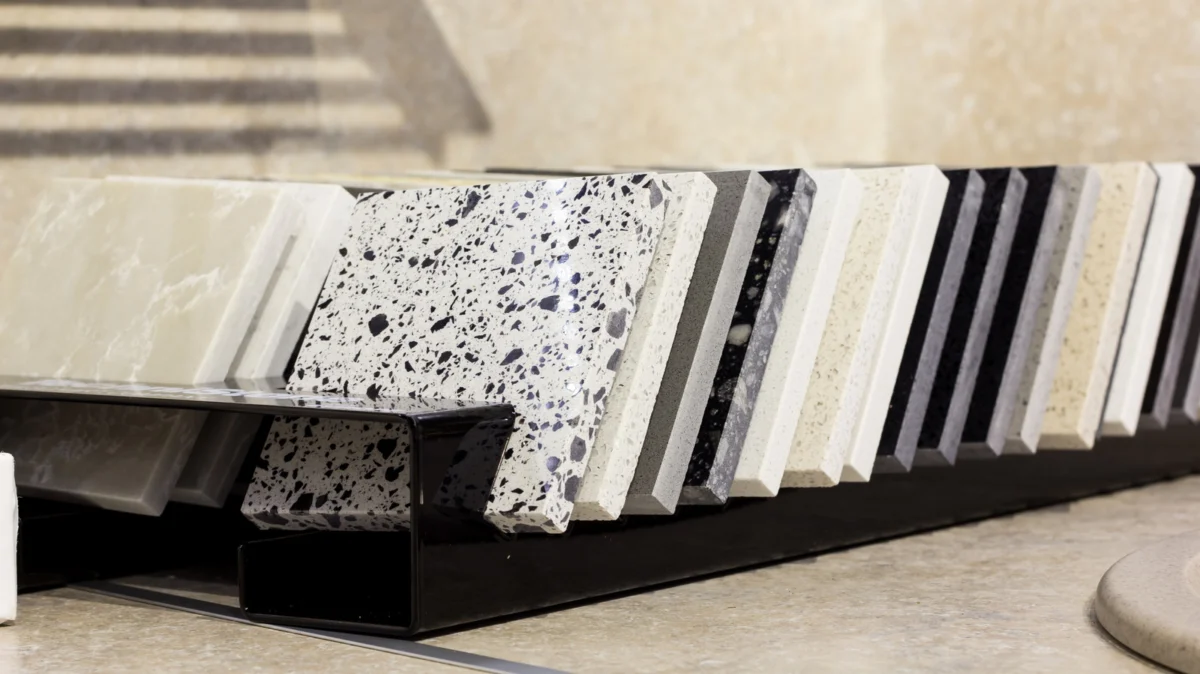
Engineered Quartz, conversely, is a manufactured composite. It is a human-made product engineered to mimic the look of natural stone while solving some of the inherent flaws of materials like marble or granite. It typically consists of approximately 90% to 93% crushed natural quartz aggregate, bound together by high-performance polymer resins, pigments, and sometimes flecks of glass or metallic flakes to enhance its aesthetic appeal.
Cost and Value Comparison
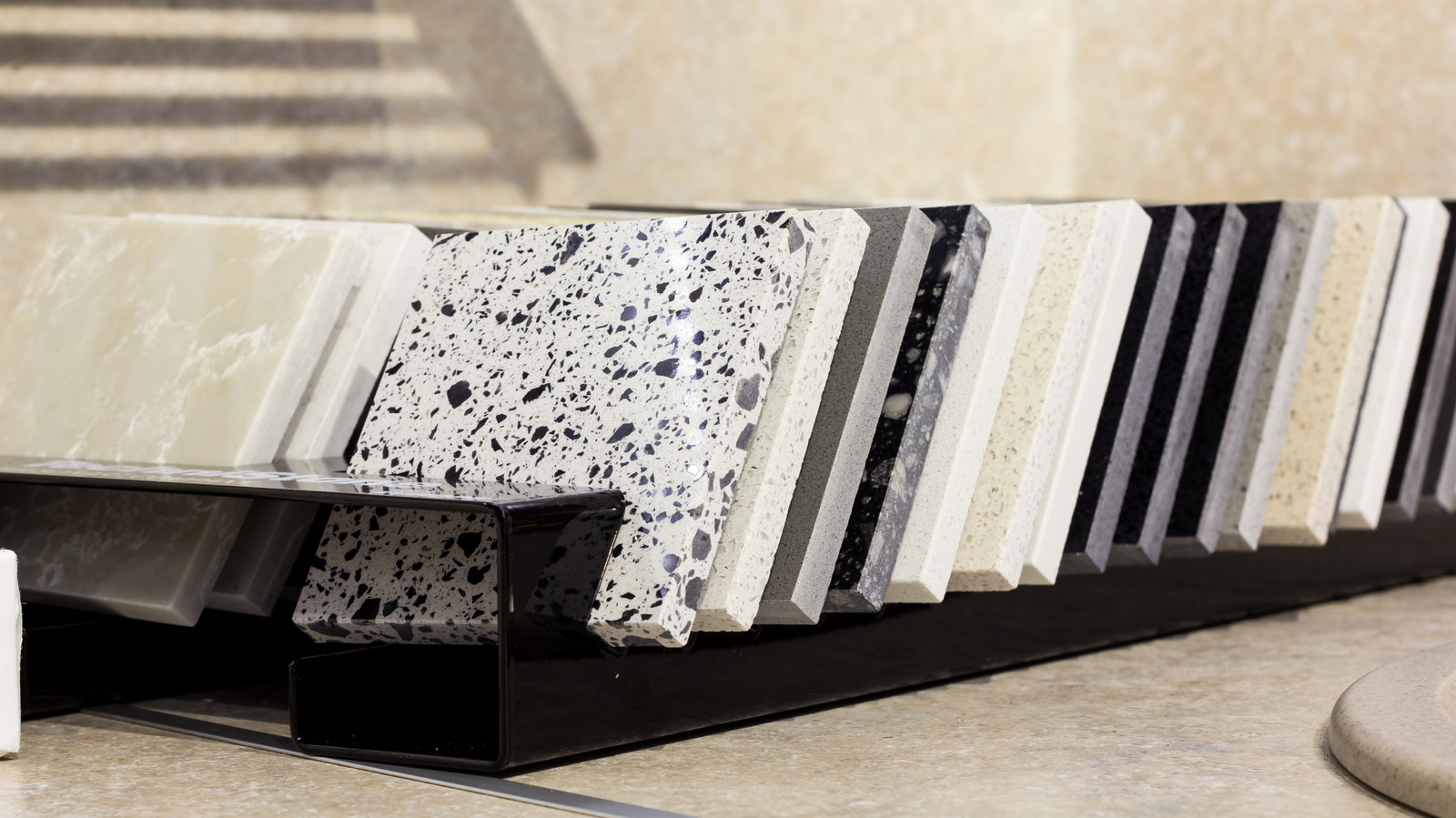
- Engineered Quartz: Generally ranges from $40 to $100 per square foot installed. Its popularity is driven by its consistency; because it is manufactured in a factory, the color and pattern remain uniform across large runs.
- Quartzite: Commands a higher premium, often ranging from $65 to $200 per square foot. The price reflects the difficulty of quarrying, cutting, and polishing a material that is notoriously hard on diamond-tipped saw blades.
Chronology: From Earth to Island
The lifecycle of these two materials highlights why they perform so differently in a kitchen environment.
The Geological Path of Quartzite
- Sedimentation: The process begins with the deposition of sand grains in a beach or riverbed environment.
- Burial and Lithification: Over eons, layers of sediment are buried under significant pressure, turning sand into sandstone.
- Metamorphism: Tectonic forces subject the sandstone to extreme heat and pressure, causing the quartz grains to fuse. This creates a stone that is harder than granite and incredibly durable.
- Extraction: The stone is quarried from the earth, often in remote locations, and transported to slab yards.
The Industrial Path of Engineered Quartz
- Extraction: Natural quartz, a common mineral, is mined and crushed into a specific particle size.
- Blending: The crushed quartz is mixed with binders (resins) and pigments.
- Vibration and Vacuum: The mixture is placed in a mold, subjected to high-pressure vacuum vibration, and cured at high temperatures. This removes air pockets and creates a non-porous, dense slab.
- Finishing: The surface is polished to a high sheen or a honed finish, ready for distribution.
Supporting Data: Durability and Performance
The performance of these materials under real-world kitchen stress is perhaps the most critical factor for homeowners.
Thermal Resilience
Consumer Reports and various industry studies have tested these materials against heat. Because engineered quartz is held together by polymer resins, it is technically susceptible to "thermal shock." While it can handle a warm plate, manufacturers often explicitly warn against placing boiling-hot pots directly from the stove onto the surface, as the resin can scorch or melt.
Quartzite, being pure stone, is naturally heat-resistant. It can handle the temperatures of a standard kitchen environment without fear of the material "cooking" or changing color.
Porosity and Staining
This is where the narrative flips. Because engineered quartz is non-porous (the resin fills all the gaps), it is virtually impervious to liquids. You can spill red wine, turmeric, or balsamic vinegar, and as long as you wipe it up in a reasonable timeframe, staining is rarely an issue.
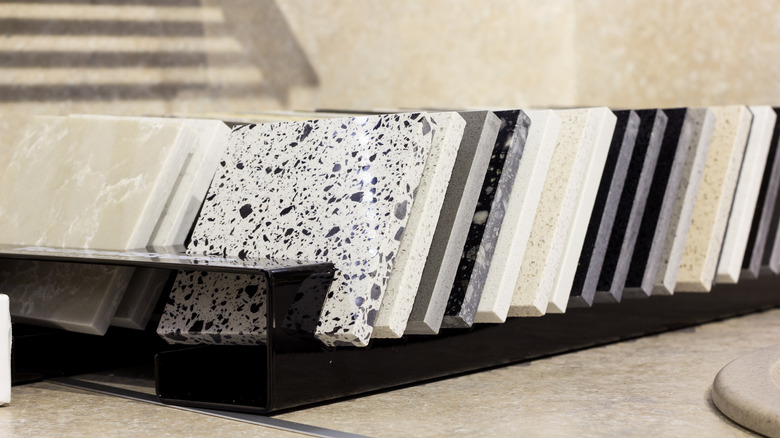
Quartzite, however, is a natural stone. Even though it is dense, it can be porous depending on the specific quarry source. If not properly sealed, it can absorb liquids, leading to permanent stains. It requires periodic maintenance—typically re-sealing every 6 to 12 months—to maintain its protective barrier.
Official Industry Responses and the "Impostor" Problem
A significant concern within the stone industry is the mislabeling of materials. The Natural Stone Institute has frequently warned against the sale of "soft" stones, such as dolomitic marble or common marble, under the guise of "quartzite."
The "Glass Test"
The industry recommends a simple field test for consumers. By scratching a sample of the stone against a piece of glass, a buyer can determine its hardness. True quartzite has a Mohs hardness rating of approximately 7, which is significantly harder than glass. If the stone leaves a deep, clean scratch on the glass, it is likely real quartzite. If it merely slides or leaves a powdery white residue, it is likely a softer stone like marble.
The "Acid Test"
Because marble and dolomite are calcium-based, they react chemically to acids. Dropping a small amount of lemon juice or vinegar on a hidden corner of the sample will cause a fizzing reaction or leave a dull "etch" mark if the stone is actually marble. Quartzite will remain completely unaffected by the acid.
Implications for the Homeowner
When choosing between the two, you are essentially choosing between consistency/convenience and uniqueness/natural beauty.
Why Choose Engineered Quartz?
If you are a high-traffic family that prioritizes low maintenance, engineered quartz is the logical winner. It offers the aesthetic of luxury stone without the anxiety of spills or the requirement for annual sealing. It is the pragmatic choice for the modern, busy kitchen.
Why Choose Quartzite?
If you are seeking a one-of-a-kind look—the dramatic veining and geological history that only nature can produce—quartzite is unparalleled. It is a "living" material that develops character over time. If you are willing to embrace the occasional patina and are diligent about sealing, quartzite adds a level of prestige and authentic luxury to a home that engineered materials struggle to replicate.
Final Verdict
The confusion between these two materials is understandable, but it is a hurdle that must be cleared before the first payment is made. Do not rely solely on the label provided at the showroom. Perform the glass and acid tests, speak with your fabricator about the specific slab’s porosity, and consider your household’s lifestyle. Whether you choose the reliable, manufactured perfection of engineered quartz or the raw, geological majesty of natural quartzite, your choice should be dictated by your tolerance for maintenance and your desire for a specific aesthetic.
The three-letter difference is small, but in the heart of your home, the impact of that choice will be felt for decades to come.