Moving is consistently ranked as one of life’s most stressful events, rivaling even high-stakes career changes or major life transitions. Amidst the flurry of address changes, utility transfers, and the physical exhaustion of packing, one critical logistical decision looms large: How will you actually get your belongings from your current home to your next?
For most homeowners and renters, the decision narrows down to two industry standards: the traditional DIY moving truck rental or the modern, convenience-driven portable moving container. While both serve the same fundamental purpose, they represent vastly different approaches to the moving process. Selecting the right one requires a careful audit of your budget, your comfort level behind the wheel, your timeline, and your specific storage requirements.
The Core Distinction: Control vs. Convenience
To understand which option suits your move, you must first distinguish between the mechanical differences of each service.
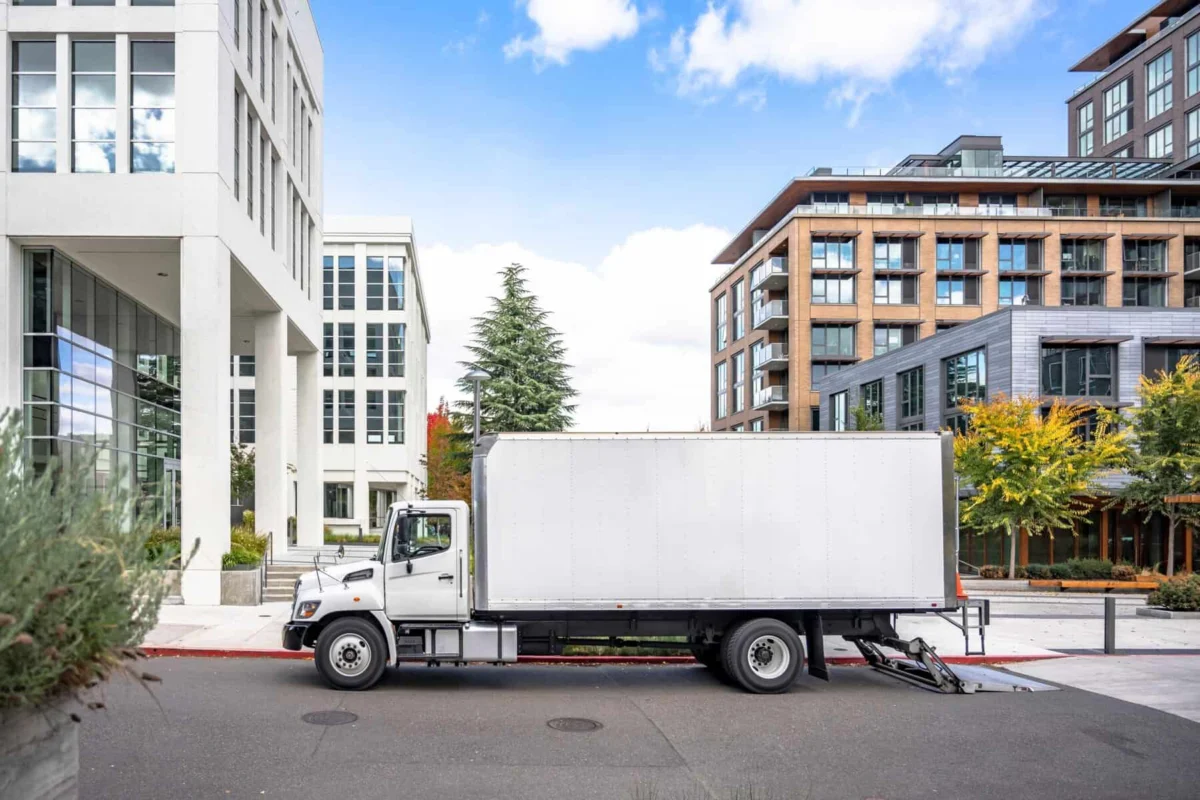
A moving truck rental is a commitment to direct, hands-on control. You are the captain of the ship; you pick up the vehicle, load your items, manage the transit, and return the equipment within a strict window. This method is the "gold standard" for those who want their items moved as quickly as possible and prefer to have eyes on their cargo at every mile of the journey.
Conversely, a moving container is a "drop-and-go" solution. A company delivers a portable, weather-resistant box to your driveway or curb. You load it at your own pace, and once you are ready, the company retrieves the container and handles the heavy lifting of transportation. They can either deliver it directly to your new address or whisk it away to a secure, climate-controlled storage facility until you are ready to receive it.
Mark Rybikov, CEO of 904 Movers, provides a professional perspective on the trade-off: “Moving trucks typically offer more cargo-securement options and give the driver direct control over speed, turns, and how the load is handled in transit. In contrast, moving containers often provide easier ground-level loading and more flexibility when several days of packing or temporary storage are needed.”
A Chronology of the Decision-Making Process
If you are planning a move, the timing of your decision is just as critical as the choice itself. The moving journey generally follows a predictable timeline:
Phase 1: Pre-Planning (6–8 Weeks Out)
This is the period to evaluate your inventory. If you are downsizing from a house in Richmond, VA, or transitioning from a tight-knit apartment in Portland, OR, take an inventory of your furniture. If you have specialty items—pianos, heavy safes, or delicate antiques—you must determine if a rental truck’s ramp system or a container’s ground-level access better protects your belongings.

Phase 2: Booking and Permitting (4 Weeks Out)
Regardless of the method chosen, logistics are paramount. If you are choosing a container, check local HOA rules or city ordinances regarding the length of time a large storage unit can occupy a driveway or street. If you are choosing a truck, verify your route for height restrictions and parking feasibility.
Phase 3: The Loading Window
This is where the two methods diverge most sharply. A truck rental usually comes with a 24-to-48-hour window. If you fail to return the truck on time, daily late fees can mount quickly. A container, however, can often sit on your property for days or even weeks, allowing for a methodical, low-stress packing process.
Phase 4: Transit and Arrival
For trucks, the "transit" phase is your responsibility. You are the driver. For containers, the "transit" phase is passive. Your belongings are in the hands of the logistics company, which allows you to travel to your new home via flight or personal vehicle, unencumbered by the stress of navigating a massive vehicle through unknown terrain.
Comparative Data: Quick Reference Guide
| Factor | Moving Truck | Moving Container |
|---|---|---|
| Transportation | You drive it yourself | Provider handles transit |
| Packing Timeline | Tight (usually 1-3 days) | Highly flexible |
| Storage | Requires separate facility | Often integrated into service |
| Loading | Usually requires a ramp | Ground-level (no ramp) |
| Best Used For | Direct, immediate moves | Flexible, staged, or long-term moves |
| Primary Cost | Daily rental + fuel + mileage | Flat fee (delivery + transit + storage) |
Expert Insights: When to Choose Each Method
The Case for the Moving Truck
Industry experts from 1st Coast Express Movers emphasize that rental trucks remain the superior choice for those who value a "direct" approach. "Moving trucks are often the better choice for customers who want their belongings transported directly from one location to another on a more defined schedule," they note.
The primary advantage here is the size spectrum. Rental companies offer trucks ranging from 10 feet for studio apartments to 26+ feet for multi-bedroom homes. Furthermore, if you are moving a vehicle, a truck often allows for the towing of your car behind the rental, consolidating your transit costs.
The Case for the Moving Container
The rise of the portable container industry, led by companies like PODS, has revolutionized the "in-between" move. Jim Layton of SpaceMaker Mobile Storage argues that the biggest benefit is the elimination of the "double-move" penalty.
"With mobile storage, we give you the flexibility to pack on your own schedule and avoid the hassle of renting and driving a large vehicle. With mobile storage, you only have to load and unload once," Layton explains. If your closing dates don’t align perfectly—a common occurrence in today’s volatile real estate market—a container acts as a temporary, portable garage, sparing you from the expense of unloading into a third-party storage unit and then reloading later.
Financial Implications: Beyond the Sticker Price
When comparing costs, it is a common mistake to look only at the base rental rate. The "true cost" of a move involves several hidden variables:

- For Rental Trucks: You must calculate the cost of fuel (which can be significant for a large, heavy vehicle), insurance coverage (often an add-on), potential mileage surcharges, and the potential cost of labor if you hire professional help to load or unload.
- For Moving Containers: Your quote is usually more all-inclusive. It covers the delivery of the empty container, the transit to the new location, and the final pickup. However, be mindful of "storage fees" if the container needs to sit in a warehouse for an extended period.
David Bos, owner of Bos Enterprises, suggests that regardless of your choice, labor is an investment. "Professional help can save you significant time, physical effort, and stress," he notes. Even if you rent the truck yourself, hiring a "load-only" service can prevent back injuries and ensure your items are packed tightly to avoid damage during transit.
Logistical Reality: Property Restrictions
Before signing a contract, you must consider the "last mile" of your move. A massive 26-foot truck might be impossible to maneuver into a narrow urban street or a tight apartment complex parking lot. Similarly, a container requires a flat, stable, and legal space to sit.
Mark Rybikov advises: "Consider where the equipment will be placed and whether HOA rules, permits, driveway limitations, or parking restrictions could affect how long a truck or container can remain at the property."
In many municipalities, parking a large container on the street requires a permit that can take weeks to process. If you ignore these regulations, you risk significant fines or, in extreme cases, being forced to move your belongings a second time to an off-site location, effectively doubling your labor costs.
Conclusion: Making the Final Call
Choosing between a moving truck and a moving container is not about which is "better"—it is about which is better for your specific situation.
If you are a capable driver, are moving locally, and have a rigid move-in date that allows for an immediate transition, the moving truck offers the most cost-effective and direct route. You have total control, and you can get the job done on your own terms.
If you are dealing with a complex timeline, need temporary storage, are moving a long distance, or simply feel uncomfortable piloting a large, heavy truck on the highway, the moving container is the superior solution. It removes the driving stress, provides a safety net for unpredictable closing dates, and allows you to load your belongings at your own pace.
Ultimately, your choice should be dictated by a thorough assessment of your resources. Calculate your total budget including fuel and insurance, check the physical access at both your current and future properties, and be honest about your comfort level with operating heavy machinery. By weighing these factors, you can turn a chaotic transition into a manageable, organized process.