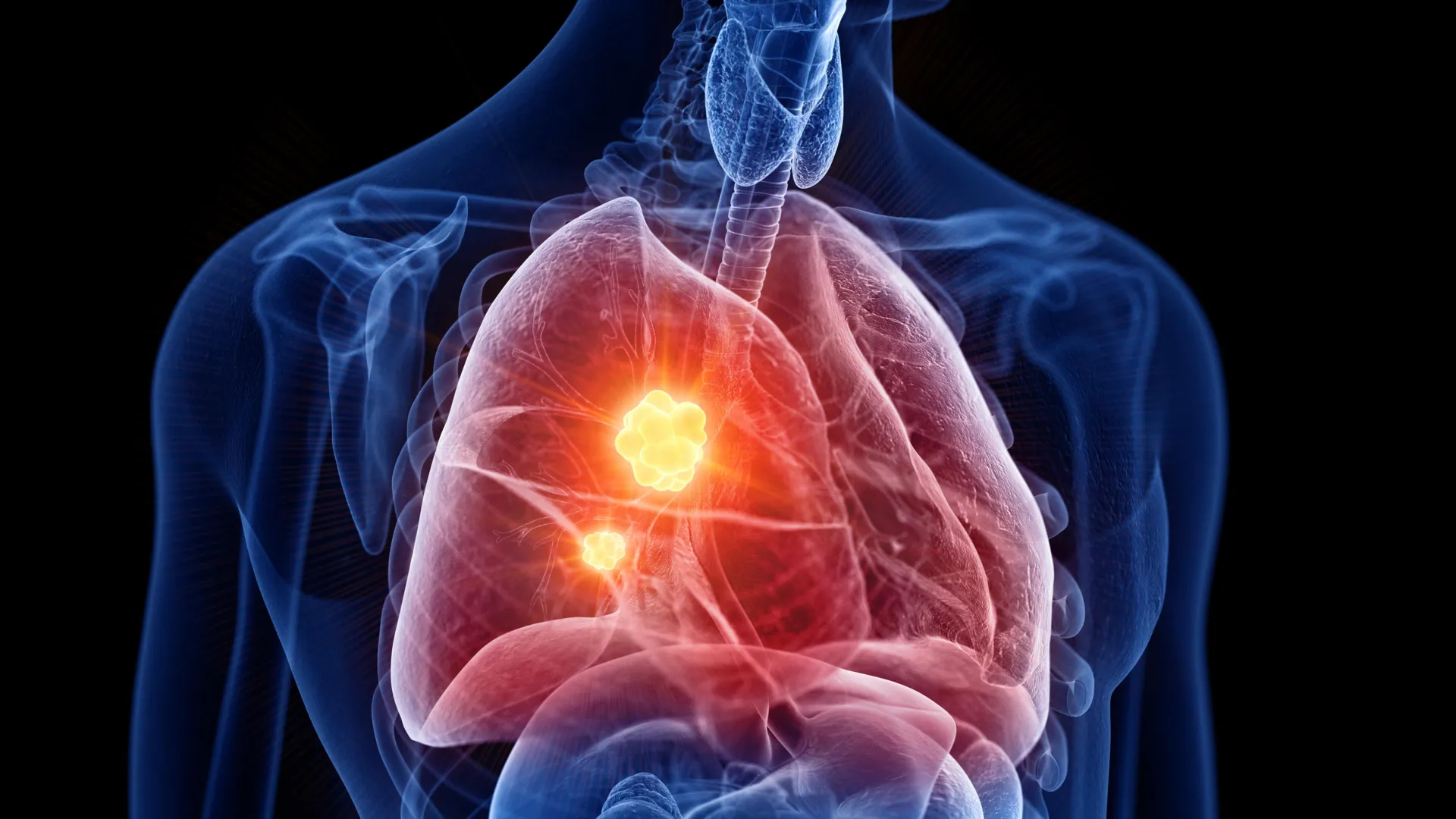
Mesothelioma, an aggressive and rare malignancy almost exclusively tied to asbestos exposure, has long been considered a "death sentence" in the oncology world. Characterized by a median survival of just 12 months and a five-year survival rate hovering at a dismal 10 percent, it represents one of the most significant unmet medical needs in modern healthcare. For decades, the primary therapeutic strategy has relied on chemotherapy and immunotherapy, yet these approaches have struggled to offer durable control over the disease.
Now, a groundbreaking study published in Nature Communications by researchers at the University of Vermont (UVM) and an international team of collaborators has unveiled a novel therapeutic strategy. By targeting the very mechanism cancer cells use to survive their own hyperactive metabolism, scientists have developed a treatment that appears to turn a tumor’s greatest defense into its fatal vulnerability.
The Chronology of Discovery: From the Bench to the Bedside
The journey toward this breakthrough began in 2015 at the UVM Cancer Center. Researchers, led by associate professor Brian Cunniff and research scientist Victoria Gibson, sought to understand the unique metabolic stressors inherent in mesothelioma cells.
By 2018, early laboratory experiments involving thiostrepton—a naturally occurring antibiotic—yielded data so promising that the team sought to translate their academic findings into a clinical reality. They helped establish RS Oncology, a private pharmaceutical firm, to shepherd the research through the rigorous regulatory pathways required for human trials.
By 2022, the transition from cellular models to clinical application was complete. The team developed RSO-021, a clinical-grade formulation of thiostrepton. Between 2022 and 2023, the United Kingdom’s Medicines and Healthcare products Regulatory Agency (MHRA) oversaw a phase one clinical trial. The study focused on patients with relapsed mesothelioma, utilizing a localized delivery method that bypassed systemic toxicity, paving the way for the promising results that are now being presented to the global medical community.
Turning the Tide: The Science of Mitochondrial Sabotage
At the heart of this innovation is a counterintuitive approach to antioxidant biology. For years, the prevailing wisdom in cancer research suggested that antioxidants might be beneficial to patients by neutralizing "reactive oxygen species" (ROS)—unstable molecules that damage DNA and cellular structures. However, many clinical trials testing this hypothesis failed, and some evidence even suggested that boosting antioxidants could inadvertently fuel tumor growth.
The UVM team flipped this logic on its head. They recognized that mesothelioma cells, due to their highly active metabolism, generate dangerous levels of ROS. To survive this self-inflicted oxidative stress, these cancer cells overproduce a specific antioxidant enzyme called peroxiredoxin 3 (PRX3). This enzyme resides within the mitochondria—the "powerhouse" of the cell—and acts as a biological shield against oxidative damage.
"The team asked what would happen if cancer cells were deprived of one of their most important antioxidant defenses," explained Cunniff. By utilizing thiostrepton to block PRX3, the researchers effectively forced the cancer cells to drown in their own metabolic waste. With the PRX3 shield disabled, hydrogen peroxide accumulates within the mitochondria, leading to rapid and inevitable tumor cell death.
Crucially, this mechanism exhibits a high degree of cancer selectivity. Because tumor cells are already operating on the brink of oxidative collapse, they are far more sensitive to PRX3 inhibition than healthy cells. Furthermore, research on mice has demonstrated that the complete deletion of PRX3 does not produce adverse phenotypes, suggesting that healthy cells possess enough redundancy to survive without this specific enzyme, providing a wide therapeutic window for the drug.
Clinical Trial Data: Safety and Efficacy in Relapsed Patients
The phase one clinical trial for RSO-021 yielded data that has caught the attention of the oncology community for its potential to redefine standard care. In the cohort of 15 patients with relapsed mesothelioma, the drug demonstrated remarkable tolerability at a 90-milligram dose, with no treatment-related fatalities recorded.
The delivery mechanism itself is a stroke of logistical genius. Because roughly 90 percent of mesothelioma patients suffer from "pleural effusions"—the buildup of fluid in the chest cavity—the drug is administered directly into the chest via a pre-existing catheter. This local delivery method ensures a high concentration of the therapeutic agent directly at the tumor site while minimizing systemic exposure, thereby reducing the side effects often associated with traditional chemotherapy.
Key Performance Indicators from the Trial:
- Disease Control: 67% of participants showed stabilization or regression of their disease.
- Tumor Shrinkage: Significant reduction in tumor burden was observed in a subset of the cohort.
- Survival Metrics: While progression-free survival (4.2 months) was comparable to existing standards, the overall survival data proved to be significantly more robust, leading researchers to label the findings as a potential "game changer."
Beyond direct cell death, preliminary evidence suggests that RSO-021 may act as an immunomodulator. By altering the microenvironment of the tumor, the drug may prime the patient’s own immune system to recognize and attack the cancer, offering a dual-action approach to treatment.
Official Responses and Expert Perspectives
The academic and clinical communities have responded to the study with cautious optimism. Brian Cunniff, serving as chief science officer at RS Oncology, emphasizes that the data is not merely a statistical anomaly but a reflection of a fundamental shift in how we approach cancer metabolism.
"Our overall survival data is very promising and will hopefully persist with additional patients," Cunniff stated during a recent briefing. He stressed that the goal is to continue refining the delivery and efficacy of the drug to ensure that these early signals translate into long-term survival for a wider patient population.
Victoria Gibson, lead author of the study, highlighted the importance of the safety data, particularly regarding the skepticism surrounding mitochondrial targeting. "People will come up to us at conferences and state that you can’t target the mitochondria because they’re too important," Gibson noted. "The evidence—that you can knock out PRX3 in mice and there’s no adverse phenotype—supports our approach."
For the researchers involved, the professional success of the trial is deeply intertwined with the human cost of the disease. Gibson recounted the sobering experience of having a family member reach out to enroll a dying parent in the trial—a reminder that behind every data point in the Nature Communications paper is a patient and a family seeking hope where little existed before.
Implications for the Future of Cancer Care
The success of the RSO-021 trial is merely the first step in a broader research program. The UVM team, in partnership with the University of Leicester and other institutions, is already developing second-generation PRX3 inhibitors. These newer iterations aim to improve solubility, potentially allowing for oral administration. If successful, an oral version of the drug could be utilized for a much wider range of patients, moving beyond the localized chest cavity injections currently required for mesothelioma.
Furthermore, the mechanism—targeting the antioxidant reliance of aggressive tumors—is not limited to mesothelioma. Current research at the UVM Cancer Center, led by surgical oncologist Conor O’Neill and Victoria Gibson, is already exploring the application of thiostrepton to peritoneal malignancies, gastric cancer, and various gastrointestinal cancers.
As phase two of the clinical trial wraps up, the global oncology community eagerly anticipates the presentation of the finalized results at upcoming international medical meetings. If the data holds, this "mitochondrial sabotage" strategy could provide a much-needed alternative for patients suffering from some of the most stubborn and lethal forms of cancer.
For the thousands of people diagnosed with mesothelioma each year, the UVM research represents more than just a scientific paper—it represents a tangible path toward transforming a terminal diagnosis into a manageable condition. By turning the cancer’s protective mechanisms against itself, science may have finally found the Achilles’ heel of one of the world’s most aggressive diseases.