For decades, the medical community has operated under a sobering assumption: once a stroke occurs, the resulting brain damage is largely permanent. When a stroke deprives the brain of oxygen or triggers a hemorrhage, the death of neurons—and the subsequent loss of cognitive or motor function—has historically been viewed as an irreversible endpoint. However, groundbreaking research from the University of Zurich (UZH) is challenging this paradigm, offering a glimmer of hope that the brain may possess the capacity for self-repair through the targeted application of neural stem cells.
The Scope of the Crisis: A Global Health Challenge
Stroke remains one of the most pervasive health crises of the modern era. Epidemiological data suggests that approximately one in four adults will experience a stroke during their lifetime. The aftermath is often devastating; roughly 50% of survivors are left with permanent disabilities, ranging from debilitating paralysis and chronic motor impairment to severe speech and cognitive deficits.
The permanence of these injuries is rooted in the biology of the brain. Unlike the skin or the liver, the brain has an extremely limited capacity for endogenous regeneration. Once neural tissue is destroyed, the complex networks that govern movement, speech, and thought are severed. Because existing medical interventions are primarily focused on acute stabilization—clearing blockages or controlling bleeding—there has been a profound "therapeutic gap" in treating the long-term neurological wreckage left behind.
The Genesis of a New Frontier: Neural Stem Cells
To bridge this gap, researchers at the UZH Institute for Regenerative Medicine have turned their attention to neural stem cells. These cells are unique in their versatility; they possess the potential to differentiate into the various cell types required to build a functional nervous system.
A collaborative team led by Christian Tackenberg, the Scientific Head of the Neurodegeneration Group, and postdoctoral researcher Rebecca Weber, recently published two landmark studies in partnership with Ruslan Rust from the University of Southern California. Their objective was ambitious: to determine if human-derived stem cells could be successfully integrated into damaged brain tissue to restore function that had been lost to stroke.
Chronology of the Breakthrough
The researchers began by utilizing induced pluripotent stem cells (iPSCs). These are ordinary human somatic cells that have been reprogrammed to a pluripotent state, regaining the ability to develop into nearly any cell type in the body. By leveraging these cells, the team avoided the ethical and biological complexities associated with embryonic stem cells.
The Experimental Protocol:
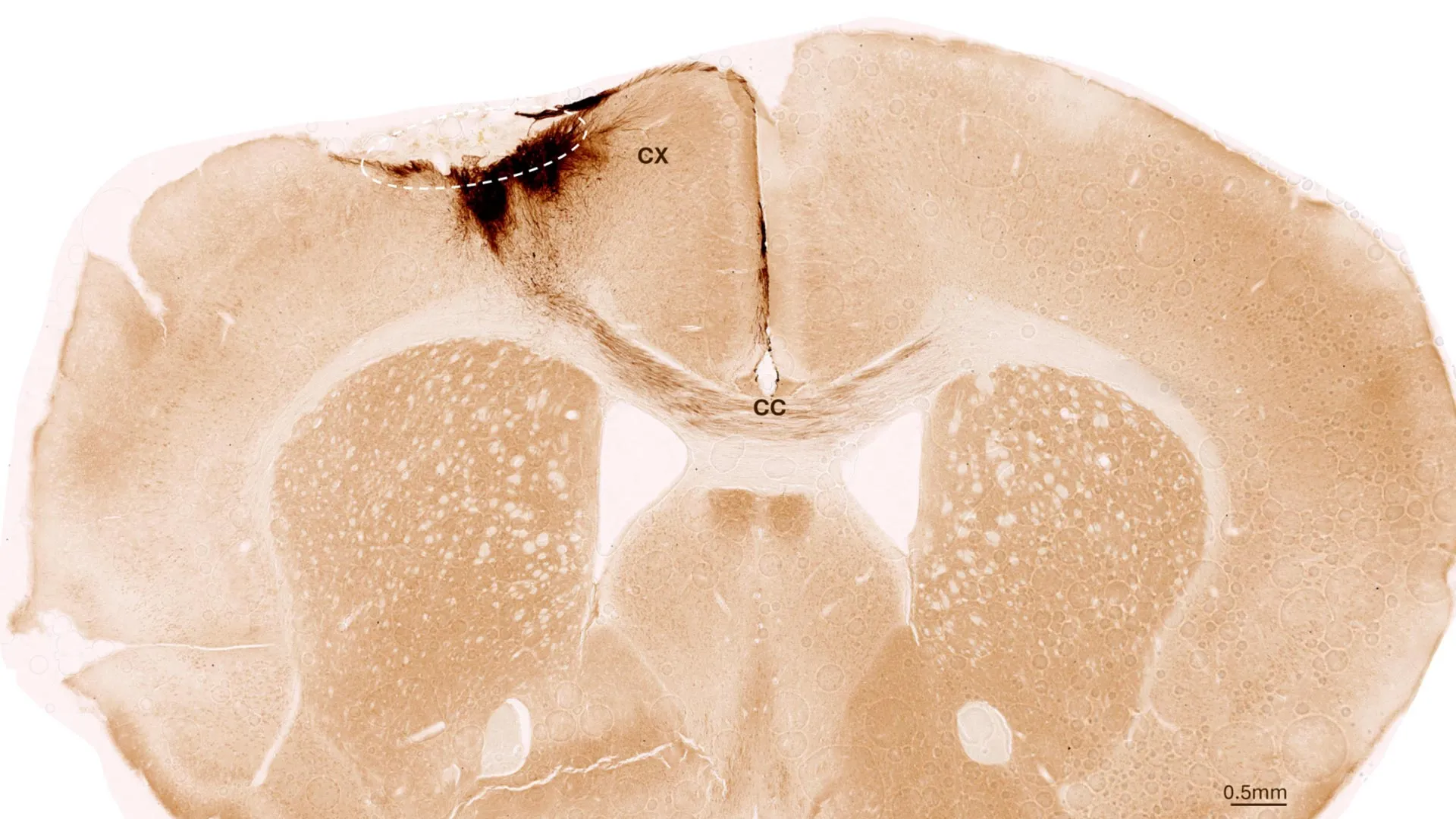
- Model Induction: The team induced permanent strokes in mice, carefully calibrated to mirror the pathology of human ischemic strokes.
- Immune Shielding: Because they were using human cells in a murine host, the mice were genetically modified to ensure their immune systems would not reject the foreign transplants.
- The Transplantation Window: Crucially, the team performed the transplants one week post-stroke. This timing was intentional, designed to test the efficacy of the therapy outside the chaotic environment of the initial acute injury phase.
- Monitoring: Over a five-week period, the team utilized advanced imaging and biochemical analysis to track the survival and integration of the cells.
The results were transformative. Not only did the human stem cells survive the full five-week analysis period, but they also successfully differentiated into functional neurons. Most significantly, these new cells began to integrate into the existing neural architecture, forming synaptic connections with the host’s surviving brain cells—a critical requirement for functional recovery.
Supporting Data: Beyond Simple Replacement
While the formation of new neurons is a significant milestone, the study’s most profound revelation is that the transplanted cells acted as a catalyst for a systemic healing response. The research team noted several auxiliary benefits that point to a multi-faceted regenerative process:
- Angiogenesis: The treatment stimulated the formation of new blood vessels within the damaged tissue, improving oxygenation and nutrient delivery.
- Anti-Inflammatory Effects: The transplanted stem cells appeared to dampen the intensity of the brain’s inflammatory response, a process that usually exacerbates secondary injury following a stroke.
- Blood-Brain Barrier Integrity: The study observed a stabilization of the blood-brain barrier. This protective boundary, often compromised during a stroke, is vital for maintaining the brain’s delicate chemical environment.
"Our findings show that neural stem cells not only form new neurons, but also induce other regeneration processes," says Tackenberg. The combination of structural replacement and environmental stabilization appears to be the "secret sauce" that enabled the mice to regain lost motor function, a recovery confirmed by AI-assisted gait analysis.
Official Perspectives: The Path to Clinical Readiness
The UZH team was meticulous in designing their study with the eventual goal of human clinical trials in mind. In collaboration with the Center for iPS Cell Research and Application (CiRA) at Kyoto University, the researchers developed a production protocol that relies entirely on defined, animal-free reagents. This is a critical step; by eliminating animal-derived materials, the team mitigates significant regulatory and safety risks that often derail the transition from laboratory to clinic.
Furthermore, the discovery that the therapy is most effective one week after the stroke provides a major tactical advantage. In a clinical setting, this "golden window" allows physicians to move beyond the high-stress, emergency triage phase before initiating regenerative treatment. It provides the necessary time to stabilize the patient, prepare the biological graft, and ensure the patient is a candidate for the procedure.
Implications and Future Hurdles
Despite the enthusiasm surrounding these findings, the path to human application is fraught with complex challenges. The team is currently focused on two primary obstacles:
1. Ensuring Safety and Control: One of the most significant risks in stem cell therapy is the potential for uncontrolled growth or tumor formation. Tackenberg and Rust are working on "safety switches"—genetic safeguards that would allow clinicians to deactivate or remove the transplanted cells if they begin to behave abnormally.
2. Reducing Invasiveness: Currently, the delivery requires a direct graft into the brain tissue. To make this a mainstream treatment, the researchers are investigating endovascular delivery methods. By injecting cells directly into the blood vessels, they hope to achieve the same therapeutic outcomes without the need for invasive neurosurgery.
The Road Ahead
The momentum for regenerative medicine is accelerating. With clinical trials for iPSC-based therapies for Parkinson’s disease already underway in Japan, the regulatory and scientific infrastructure for treating neurodegeneration is finally maturing.
"Stroke could be one of the next diseases for which a clinical trial becomes possible," Tackenberg asserts. While he acknowledges that the transition from rodent models to human patients is the most difficult hurdle in biomedical research, the UZH study provides the clearest map yet. By demonstrating that the brain is not a static, unchangeable landscape, but rather a dynamic environment capable of responding to regenerative stimuli, this research offers more than just a new treatment; it offers a new future for millions of stroke survivors.
As the team continues to refine their delivery methods and safety protocols, the dream of "rebuilding the brain" is moving steadily from the realm of science fiction into the corridors of modern medicine. The permanent damage of the past may soon become the manageable condition of the future.