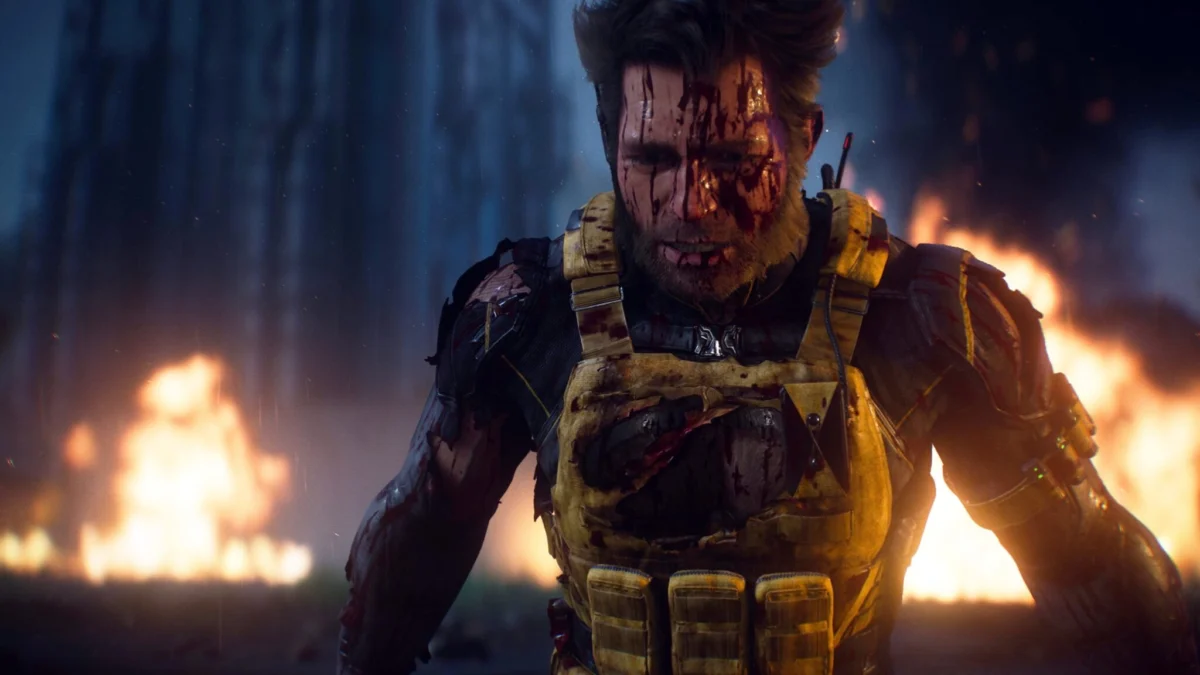
In the annals of superhero gaming, few experiences are as cathartic as stepping into the boots—and claws—of James "Logan" Howlett. Released on September 15, 2026, for the PlayStation 5, Marvel’s Wolverine was marketed as a visceral, high-octane departure from the open-world liberation mechanics seen in Insomniac Games’ Spider-Man series. Yet, within 48 hours of its global launch, a singular, recurring obstacle has united the player base in a collective groan of frustration: the first major boss encounter against the Soviet super-soldier, Omega Red.
While players expected a standard introduction to the game’s combat loops, they were instead met with a punishing "skill check" that has triggered widespread debate regarding difficulty spikes and game design philosophy in modern AAA titles.
The Anatomy of an Unexpected Difficulty Spike
Marvel’s Wolverine operates on a premise of controlled chaos. As Logan, players are encouraged to be a whirlwind of steel and fury, shredding through paramilitary forces with aggressive combos and environmental finishers. For the duration of the opening mission—a tense infiltration of a high-security facility to extract Nathanial Essex—the game reinforces a "press forward" mentality.
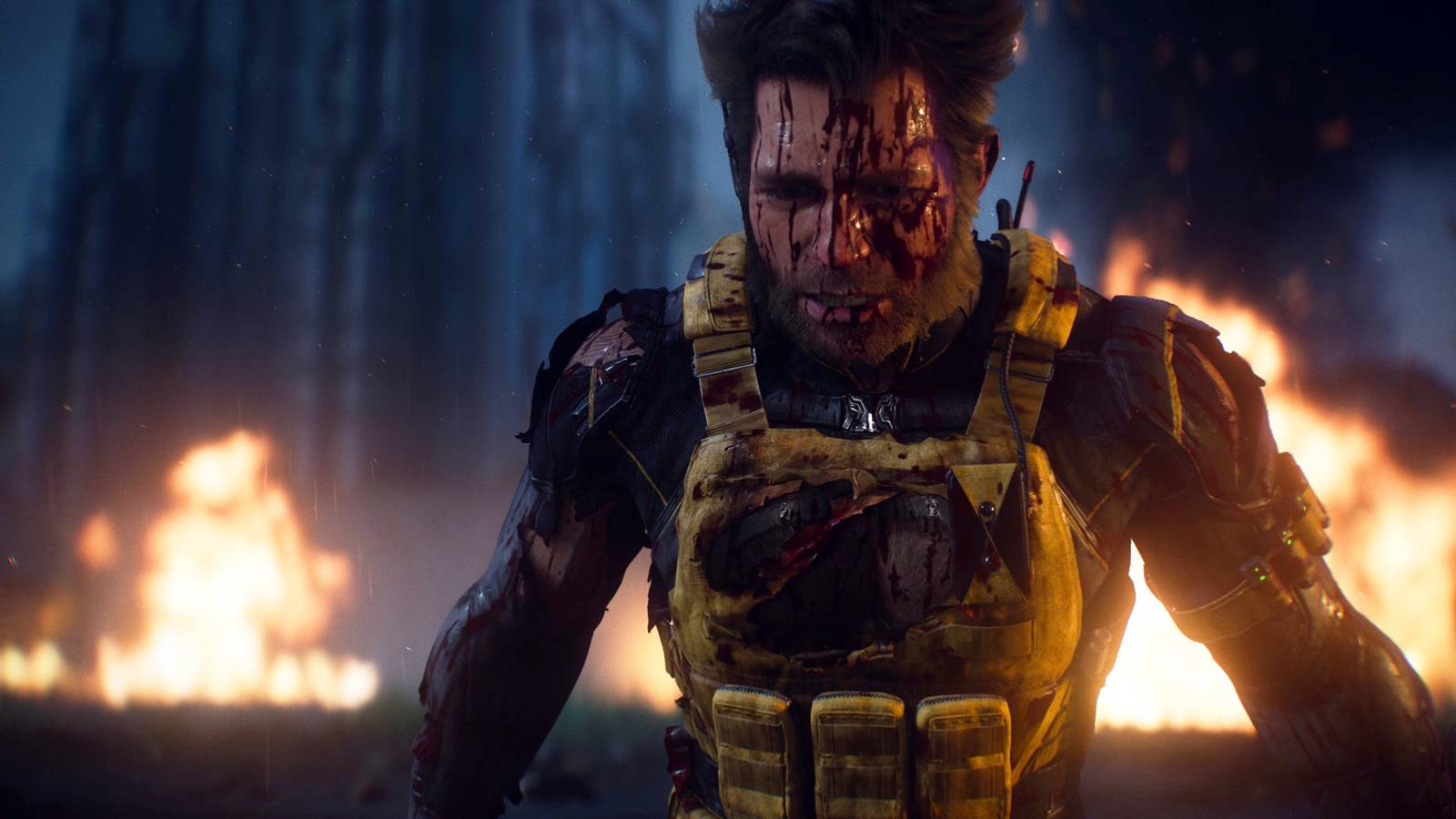
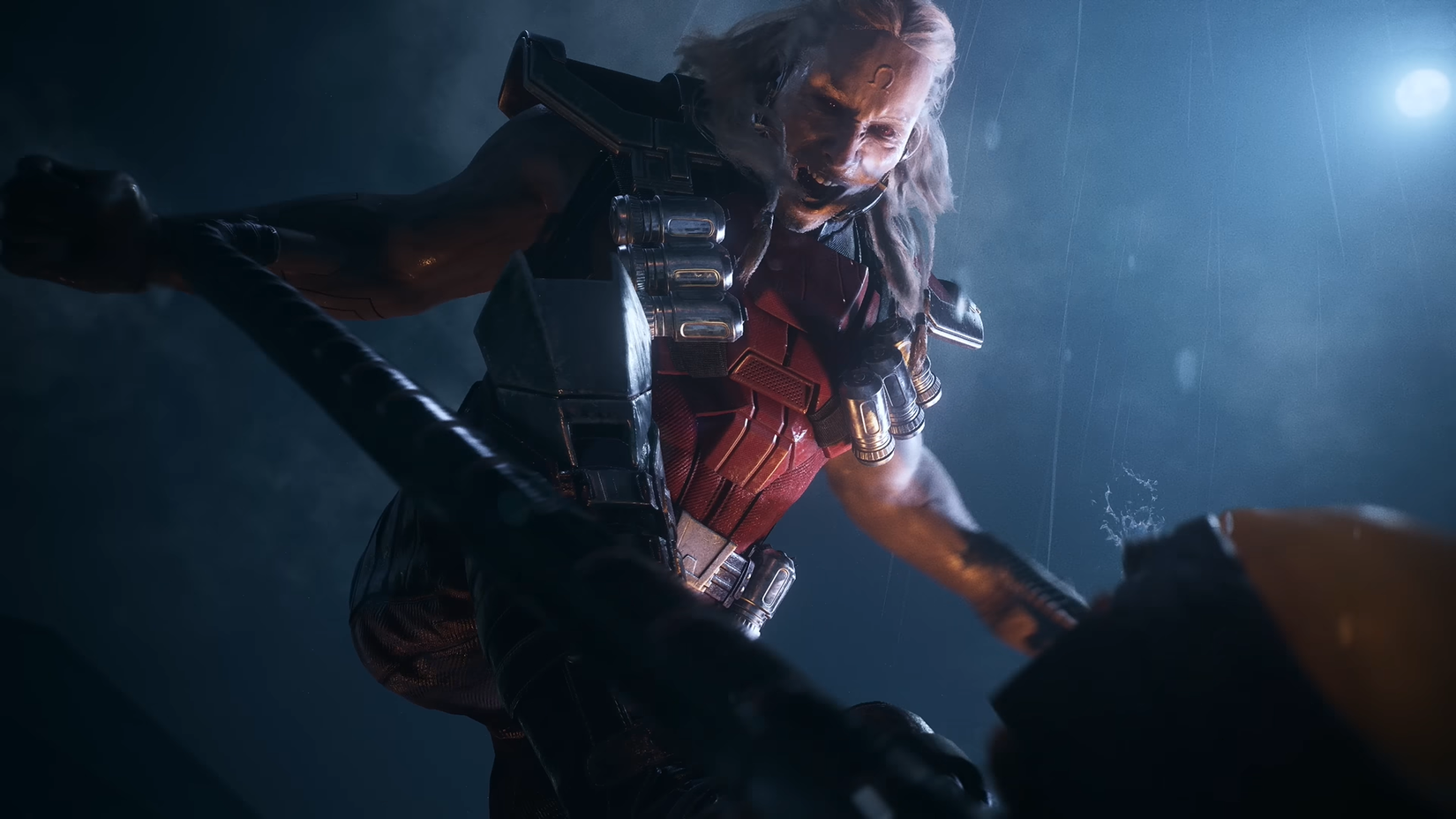
This rhythm is abruptly shattered at the conclusion of the first act. Arkady Rossovich, better known as Omega Red, emerges not as a tutorial-level pushover, but as a complex, three-phase mechanical gauntlet. Equipped with carbonadium tentacles that whip across the screen with punishing reach and speed, Omega Red serves as the game’s first true encounter with "Soulslike" design principles. Players accustomed to the breezy, fluid combat of earlier segments find themselves repeatedly staring at the "Game Over" screen, forced to pivot from mindless aggression to disciplined, defensive mastery.
Chronology of the Confrontation: A Three-Phase Test
The battle against Omega Red is structured to systematically dismantle the player’s reliance on button-mashing.
- Phase One: The Deceptive Brawl. The fight begins in a confined space, forcing players to learn the timing of the parry window. Unlike standard grunts, Omega Red’s attacks are untelegraphed and heavy. Players who attempt to trade blows quickly realize that their health pool—and Logan’s healing factor—cannot withstand the relentless pressure of the carbonadium coils.
- Phase Two: The Pacing Shift. As the fight progresses, Omega Red’s AI begins to cycle through high-speed lunges. This is where the game introduces the "Grab" mechanic, a quick-time event (QTE) that punishes slow reflexes. If a player fails to break the grip in time, Omega Red leeches health from the player to restore his own, effectively resetting the player’s hard-earned progress.
- Phase Three: The Endurance Gauntlet. In the final stretch, the arena becomes a chaotic mess of environmental hazards. The difficulty here stems from the need to manage both the boss’s complex move set and the shrinking, fire-ravaged space. It is here that the community has reported the most deaths, with many players noting that they spent upwards of 30 to 45 minutes on this single encounter.
Supporting Data: A Community in Disarray
The reaction across social media and gaming forums has been unprecedented for an early-game boss. On the official Wolverine subreddit, threads detailing death counts have become a rite of passage.

"I beat Onimusha: Way of the Sword a few days ago and died a total of five times—meanwhile, Omega Red took about 15 tries on the hardest difficulty," wrote one user. The comparison is significant; Onimusha is widely regarded as one of the most demanding action games of the year, yet players find the specific tuning of the Wolverine boss fight to be more stifling.
On X (formerly Twitter), the discourse has taken a more humorous, albeit desperate, turn. Users are sharing screenshots of their death stats, with some admitting to upwards of 18 deaths before securing a victory. This is a rare admission in a gaming culture that often prizes the "no-hit" run or the flawless completion. The "Omega Red wall" has effectively leveled the playing field, making veterans and newcomers alike equal victims to the character’s brutal carbonadium coils.
Official Responses and Developer Intent
Insomniac Games has yet to issue an official statement regarding the tuning of the Omega Red encounter, though lead combat designers have previously hinted that Marvel’s Wolverine was intended to be "significantly more punishing" than the studio’s previous outings.
The design philosophy appears to be rooted in character-driven storytelling. Wolverine is a character defined by his ability to take a beating and keep coming back; by forcing the player to endure multiple failures, the game creates a ludonarrative harmony—the player feels the exhaustion and the struggle that Logan himself would experience against a top-tier X-Men antagonist.
However, some industry critics argue that the spike is an "incongruous skill check." In a game that spends its first hour teaching the player to feel like an unstoppable force of nature, transitioning to a highly defensive, parry-reliant system without proper buildup can feel like a betrayal of the established game flow.
Implications for the Future of ‘Marvel’s Wolverine’
The question now facing the player base is whether Omega Red is an outlier or a harbinger of things to come. If the remaining boss fights in Marvel’s Wolverine follow this same rigorous, Soulslike template, the game may find itself categorized not as a cinematic action title, but as a niche experience for players who enjoy high-difficulty challenges.

For those struggling, the advice from the community is simple: stop trying to be the hero and start being a survivor. The game requires a fundamental shift in mindset—prioritizing the parry window over the claw-swipe combo. For those who still can’t find their footing, there is always the solace of the game’s collectible whiskey bottles, a thematic nod to the fact that, sometimes, the best way to handle a brutal boss is to take a deep breath, pour a drink, and try again.
As players continue to push through the narrative, the industry will be watching to see if this difficulty spike remains a point of contention or if it becomes a celebrated milestone of the game’s combat depth. For now, the takeaway is clear: Omega Red is not just a boss; he is a statement of intent from Insomniac Games that, in this version of the Marvel Universe, being the best there is at what you do requires more than just adamantium—it requires patience.