As the dust settles from the gargantuan announcements at BlizzCon 2026, the gaming industry finds itself collectively pivoting its gaze toward the next major epoch of the Diablo franchise. While the technical spectacle of Diablo 5—showcased in a stunning reveal trailer—dominated the headlines, industry veterans and narrative enthusiasts have identified a subtle, yet seismic, shift in the franchise’s creative direction. The appointment of former BioWare powerhouse Jennifer Brandes Hepler as the Narrative Director of Diablo 5 marks a turning point for Blizzard Entertainment, signaling a move toward deeper, more character-driven storytelling within the traditionally loot-centric Action RPG (ARPG) genre.
A Legacy Reborn: Who is Jennifer Hepler?
For those who cut their teeth on the golden era of role-playing games, the name Jennifer Hepler resonates with a specific kind of narrative depth. During her influential tenure at BioWare, Hepler served as a senior writer and a foundational architect of the Dragon Age franchise. Her fingerprints are all over the series’ most lauded moments, particularly regarding the cultural architecture of the dwarven societies and the complex, intersectional interpersonal dynamics that defined Dragon Age 2 and Dragon Age: Inquisition.
Hepler’s transition to Blizzard in 2025 to lead the narrative team for Diablo 5 is more than a mere high-profile hire; it is an infusion of CRPG (Computer Role-Playing Game) DNA into a series that has historically prioritized atmospheric world-building over granular character development. By bridging the gap between the visceral, fast-paced combat of the Diablo series and the deeply intimate character beats of the Dragon Age trilogy, Hepler is positioning the fifth entry to be the most narratively ambitious game in Blizzard’s storied history.
The Crucible of Experience: A Chronology of Resilience
The path to the narrative helm of a flagship title like Diablo 5 has not been without its trials for Hepler. In the early 2010s, following the polarizing reception of Dragon Age 2, Hepler became the focal point of a massive, industry-wide conversation regarding the toxicity directed at female game developers. When players criticized the game’s departure from the slower, more tactical combat of its predecessor, online bad-faith actors weaponized years-old quotes from Hepler—taken entirely out of context—to blame her for the perceived failures of the title.
The subsequent harassment campaign was a dark chapter in the history of the gaming industry, forcing Hepler to leave BioWare in 2013. However, rather than receding from the spotlight, Hepler became a prominent voice for advocacy, contributing to critical discussions about the treatment of women in tech and continuing her career as an independent consultant, novelist, and narrative designer.

Her return to AAA development at Blizzard is a testament to both her resilience and the enduring respect for her craft. The industry’s perspective on her work has shifted dramatically in the intervening decade; as modern players look back at Dragon Age 2 with a more nuanced appreciation for its daring narrative risks, Hepler’s reputation as a visionary writer has only solidified.
The "Diablo" World Order: A Post-Victory Nightmare
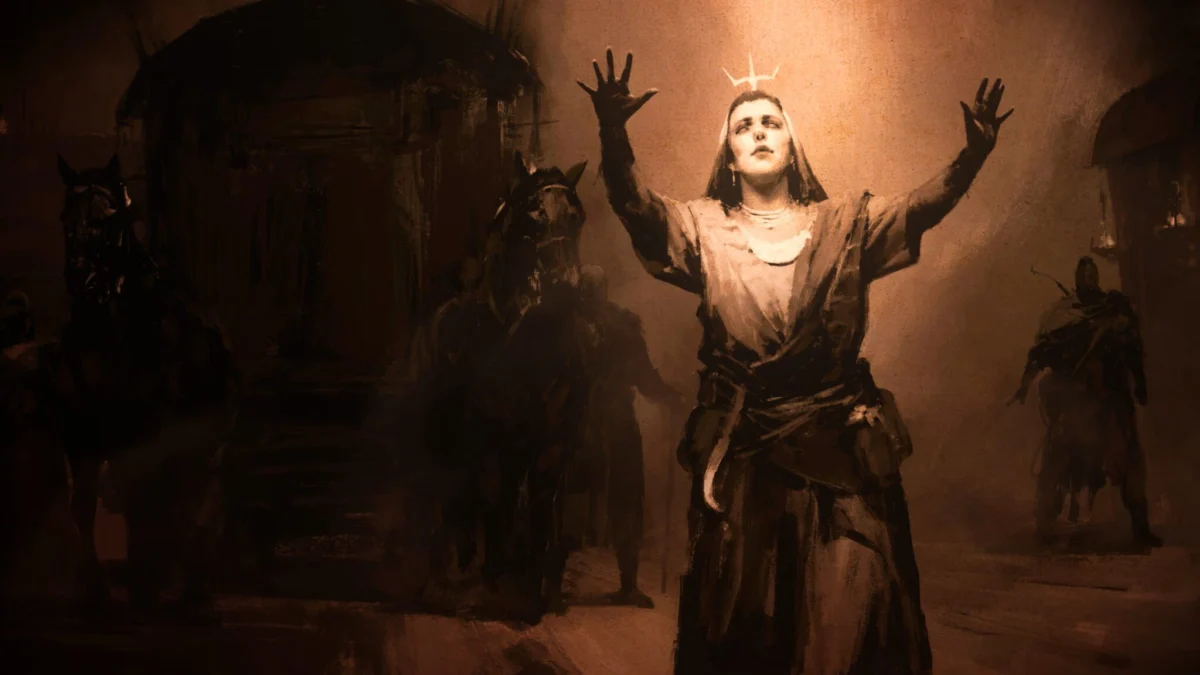
The narrative premise of Diablo 5 is perhaps the most daunting challenge Hepler has ever faced. According to the early lore details released at BlizzCon 2026, the game is set in a world where the Lord of Terror has not just threatened humanity, but has successfully conquered the western continent. The result is a post-apocalyptic dark fantasy landscape where the traditional "hero’s journey" is replaced by a desperate, gritty struggle for survival.
This setting provides the perfect backdrop for Hepler’s expertise. Unlike previous Diablo titles, which often tasked players with being a lone wolf wandering into the maw of hell, Diablo 5 centers its experience around a "caravan." This traveling base of operations acts as a mobile sanctuary, serving as the narrative heart of the game. It is here that the influence of Baldur’s Gate and Dragon Age becomes undeniable.
Official Insights: The Vision for the Caravan
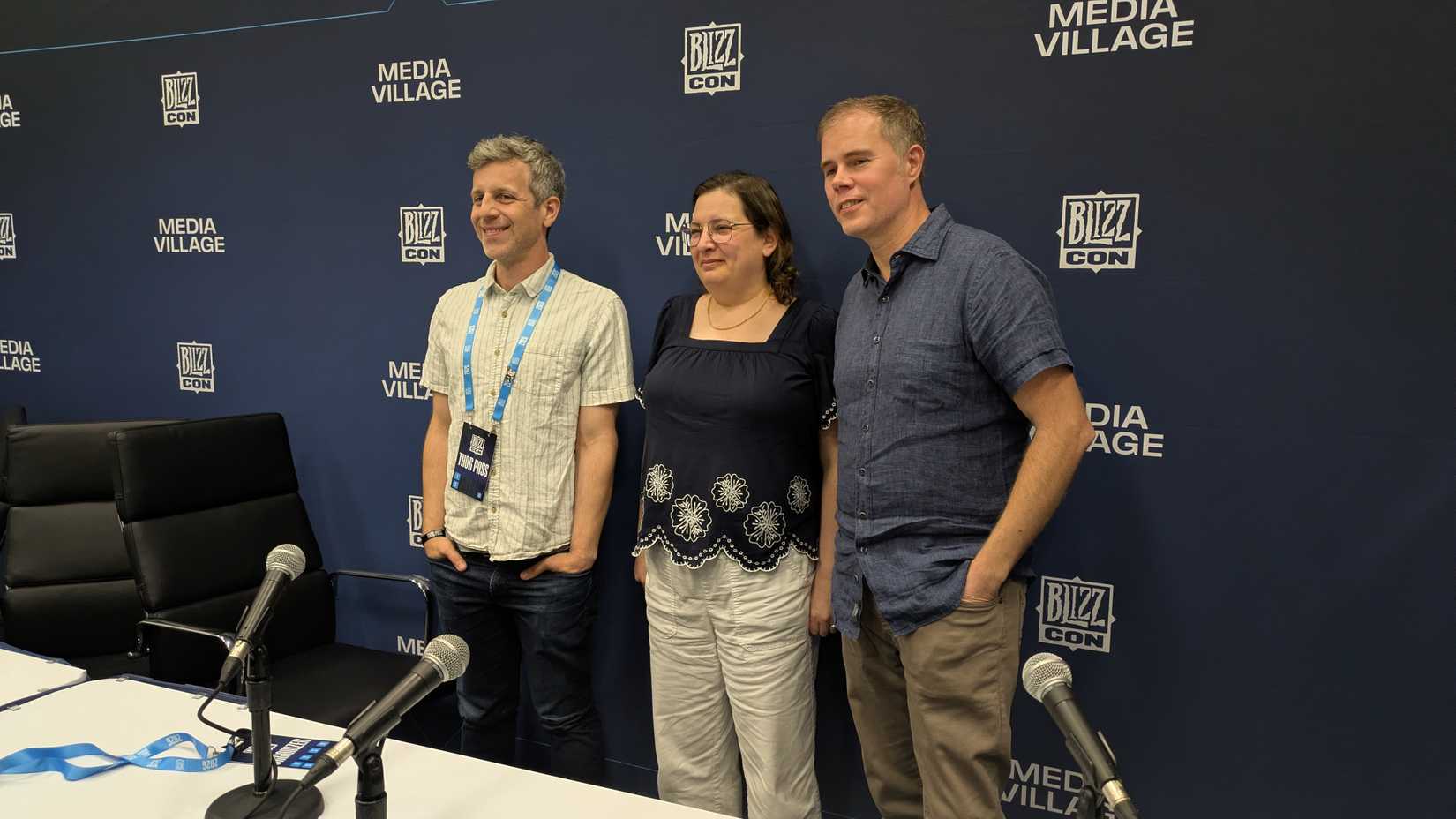
During a pivotal group Q&A session at BlizzCon 2026, featuring Game Director Joe Shely and Executive Producer Matt Zitterman, Hepler provided key insights into how this new narrative framework will function. When asked about the player’s agency in such a bleak, conquered world, Hepler emphasized that the player’s connection to the story is paramount.
"It’s going to be a very core part of the story," Hepler noted. "We want to really let the player feel like it is their own story to shape. We aren’t just telling a story about a hero; we are telling a story about the world you choose to rebuild."

When pressed on the specific "Dragon Age-ification" of the Diablo formula, Hepler was candid about the limitations and the aspirations of the design. "The caravan brings some of the best elements of traditional RPGs into the ARPG format," she explained. "It’s about giving you that sort of Baldur’s Gate or Dragon Age campsite where you can interact with your followers. They aren’t going to be Dragon Age followers in the sense that you are constantly micromanaging their gear or skill trees, but they are characters with distinct personalities and histories. Coming back to them after a brutal run through the wastes—that’s where the narrative breathes."
Implications for the Future of the Franchise
The inclusion of a dedicated narrative director with a background in character-driven ensemble stories has profound implications for the Diablo series.
1. The Humanization of the Mythos
Diablo has always excelled at environmental storytelling—the lore books, the whispers of the damned, and the terrifying visuals of the environment. By introducing a cast of consistent, evolving companions, the developers are moving toward a more humanized version of the Diablo mythos. The stakes are no longer just about preventing the end of the world; they are about protecting the small group of people you have chosen to shepherd through the darkness.
2. A Shift in the ARPG Landscape
If Diablo 5 succeeds in marrying its signature "hack-and-slash" gameplay loop with a high-fidelity narrative, it could redefine the expectations for the ARPG genre. For years, the genre has been defined by the pursuit of "the build"—the optimization of stats and gear. By adding a layer of narrative consequence and interpersonal relationships, Blizzard is betting that players want more emotional investment to justify their thousands of hours of gameplay.
3. A Return to AAA Narrative Excellence
For Blizzard, this is a strategic move to reclaim the narrative crown. With BioWare currently focused on the next Mass Effect and other studios struggling to balance "live-service" content with compelling storytelling, Diablo 5 is aiming to prove that a massive, multiplayer-adjacent game can still tell a poignant, personal story.
Looking Toward the Horizon: 2029 and Beyond
As we look toward the scheduled release in the spring of 2029, the anticipation surrounding Diablo 5 is palpable. The narrative team, led by Hepler, has a difficult path ahead: they must maintain the grim, oppressive atmosphere that fans expect from the franchise while simultaneously fostering the emotional connections that make a story truly unforgettable.
The success of Diablo 5 will ultimately depend on whether it can deliver on this promise of "player-shaped" narrative. By learning from the mistakes of the past—both in the industry at large and within the history of the Diablo franchise itself—Jennifer Hepler and her team at Blizzard are poised to deliver a game that is as intellectually stimulating as it is cathartic.
In a world where the Lord of Terror has already won, the story isn’t just about winning back the land; it’s about what we are willing to sacrifice to keep our humanity intact. If the early reactions from BlizzCon are any indication, the journey is going to be well worth the wait. For the fans who have been waiting for Diablo to finally grow its narrative wings, the future looks bright, even in the depths of a conquered hell.