For decades, The Legend of Zelda has served as the gold standard for action-adventure game design. From the sprawling, interconnected dungeons of the 8-bit era to the revolutionary 3D traversal of the Nintendo 64, Shigeru Miyamoto’s masterwork has defined how players interact with digital spaces. Yet, despite the massive success of Super Mario Maker—a title that fundamentally changed how we view community-driven content—Nintendo has notably refrained from granting fans the tools to build their own Zelda dungeons.
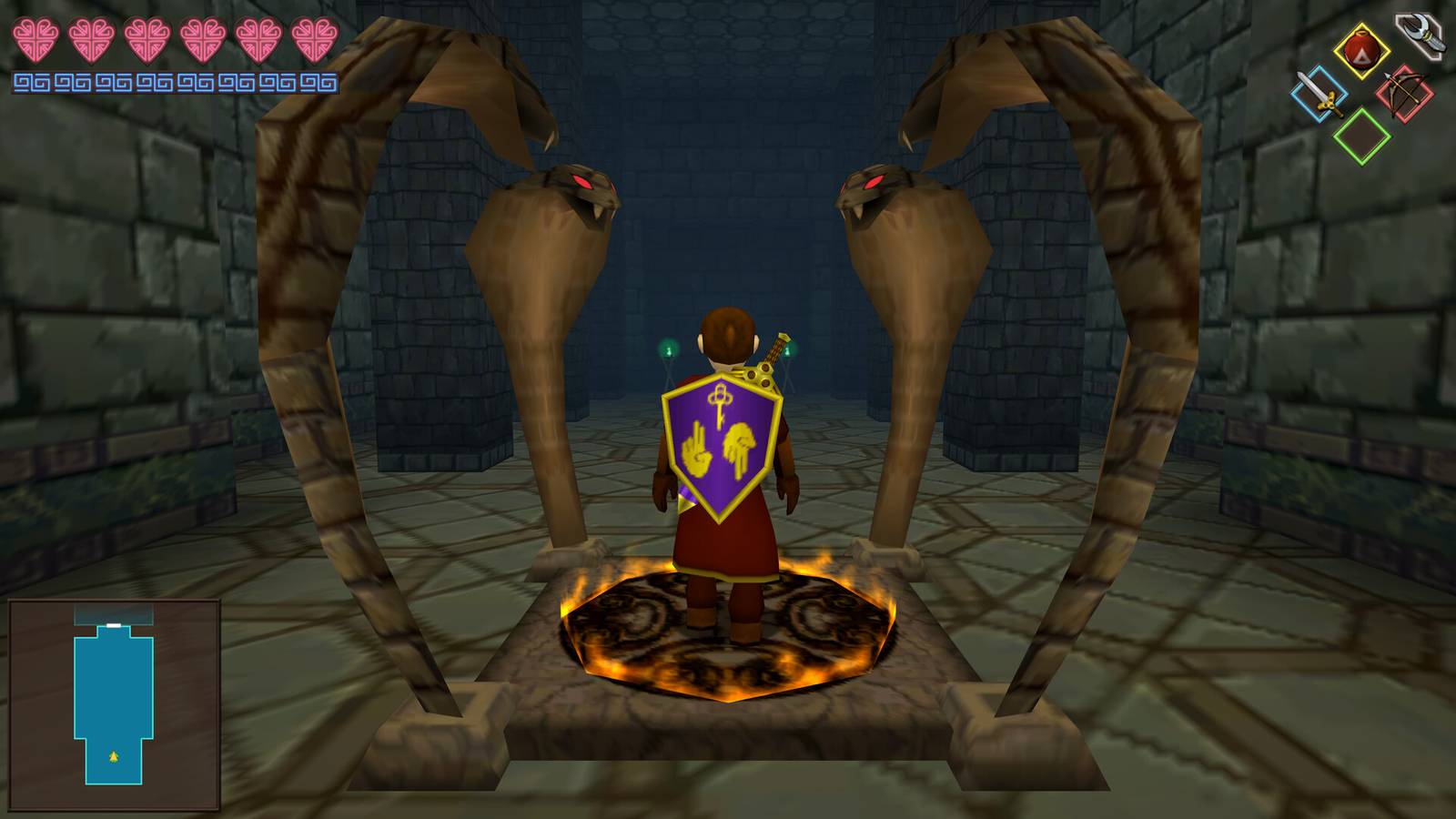
Enter Temple Maker 64, an ambitious indie project developed by a solo creator known as Akela-morse. By bridging the gap between retro-inspired level design and the complexity of 3D environmental puzzle-solving, this upcoming Steam title is poised to become the sandbox that Zelda fans have been dreaming of for a generation.
The Genesis of an Ambitious Vision
The journey of Temple Maker 64 began in the mind of a 27-year-old developer who, after years of working in a traditional corporate environment, decided to gamble on his passion. Eighteen months ago, Akela-morse left his full-time job to commit himself entirely to the development of his vision.
The project was sparked by the burgeoning "maker" genre. While games like Quest Master, Super Dungeon Maker, and Super Dungeon Designer have successfully captured the magic of 2D, top-down dungeon building, the developer felt that something was missing: the verticality and mechanical depth of the N64 era. "Going with an N64 aesthetic felt evident," Akela-morse noted in an interview with Polygon. "It was the natural evolution of the genre."
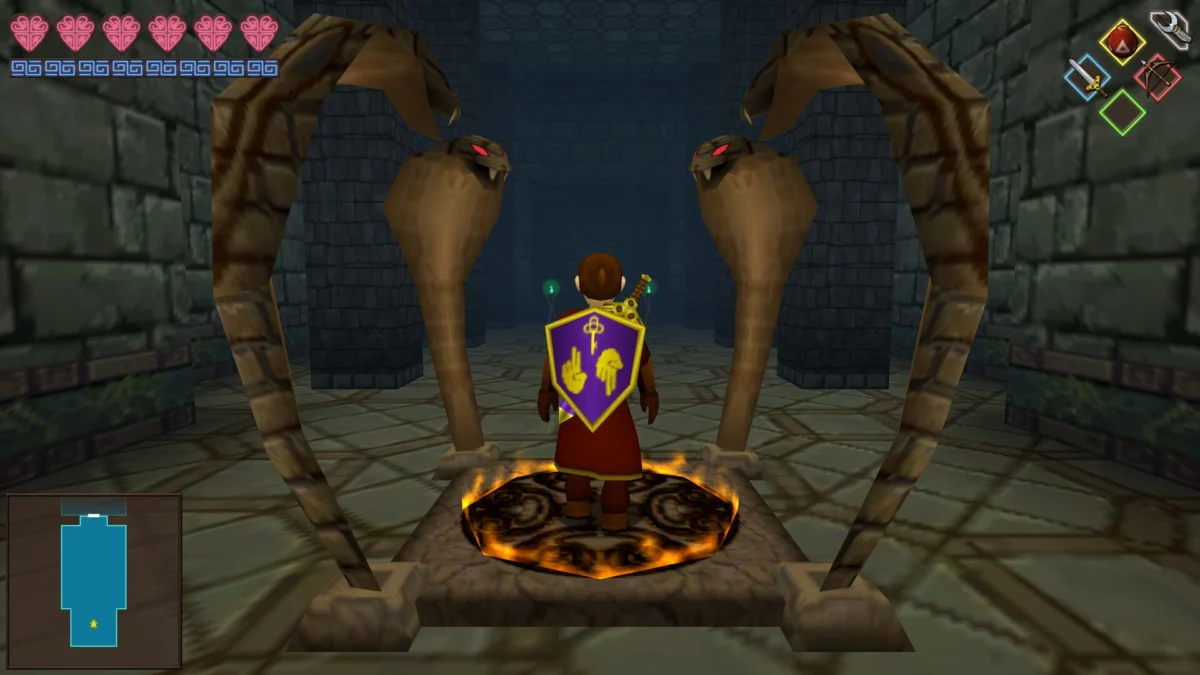
By adopting a distinct, low-poly aesthetic that evokes nostalgia without infringing on specific proprietary assets, the developer has created a visual language that feels both familiar and refreshingly independent. The protagonist, while bearing a resemblance to the iconic tunic-clad hero of the Zelda series, is a distinct character designed to sidestep the litigious reach of Nintendo’s intellectual property legal team.
A Chronology of Development
The development cycle of Temple Maker 64 has been defined by a rapid iteration process fueled by community feedback.
- Early 2025: Akela-morse commits to full-time development, moving away from a traditional career path to focus on the game’s core mechanics.
- Spring 2026: The developer begins sharing early footage of the engine on social media platforms, garnering significant attention for the game’s fluid, "Zelda-like" movement systems.
- May 2026: A public demo is released on Steam. The demo allows players to experiment with basic level geometry, item placement, and enemy AI, serving as a stress test for the editor’s UI.
- August 2026: The project gains mainstream traction as community members begin uploading videos of "Kaizo-style" dungeons—extremely difficult, precision-based challenges that utilize advanced movement techniques like side-hops and frame-perfect rolls.
Supporting Data: Why 3D Dungeon Design Matters
The challenge of creating a successful level-design game lies in the "barrier to entry" vs. "depth of mastery" ratio. Games like Amazon’s King of Meat have attempted to break into the space, yet they have struggled to gain the traction enjoyed by Nintendo’s internal titles. The reason, experts suggest, is emotional connection.
Players are more likely to invest hundreds of hours into a creation suite when they have a foundational understanding of the genre’s tropes. Because millions of players grew up mastering the logic of Ocarina of Time or Majora’s Mask, they arrive at Temple Maker 64 with a "mental blueprint" of how a dungeon should flow. They understand the relationship between keys, locked doors, and enemy encounters.
Furthermore, the emergence of "Kaizo" playstyles within the Temple Maker 64 community serves as a vital data point. When a developer provides players with the tools to master movement—specifically mechanics involving backflips and precise environmental interactions—the community will inevitably find ways to push those mechanics to their absolute limit. This high-skill ceiling ensures longevity, transforming the game from a simple "maker" into a competitive platform.
Official Responses and the "Nintendo Factor"
Perhaps the most persistent question surrounding Temple Maker 64 is the specter of Nintendo’s legal department. The Japanese gaming giant is legendary for its iron-fisted protection of its intellectual property. However, Akela-morse remains strikingly composed when discussing the risks.
"Nintendo is aggressive about people using IPs, assets, or code they don’t own," the developer stated on Reddit. "They also try to patent game mechanics, but the patent is either refused or gets accepted because it’s extremely specific. I’m doing none of that. Legally speaking, there’s nothing they can do but watch in fear."
By avoiding the use of copyrighted names, music, and character models, the developer is banking on the legal reality that mechanics themselves—the act of walking, jumping, or pushing a block—cannot be trademarked. This strategy is a delicate dance, but it is one that many indie developers have successfully navigated by focusing on original, if heavily inspired, aesthetics.

Future Implications: Beyond the Temple
The future of Temple Maker 64 extends far beyond its initial release. Akela-morse has outlined a roadmap that prioritizes community connectivity, including robust tagging, rating, and playlist systems. He is also actively exploring the inclusion of a formal single-player campaign, which would demonstrate the full capability of the engine.
However, the developer is also practicing pragmatic foresight. He is currently working on a separate title, Seed of Life, which draws heavy inspiration from the darker, more atmospheric themes of Twilight Princess. This hedging strategy highlights the reality of the indie landscape: the creator is prepared to return to the workforce if his projects do not achieve commercial success.
Yet, even in the event of a commercial setback, the legacy of Temple Maker 64 is already secure. The developer has stated that if the game fails to gain the necessary momentum, he is committed to releasing the framework as an open-source project. This would effectively democratize 3D Zelda-style design, allowing the community to iterate on the engine long after the initial development cycle has concluded.
The Verdict: A New Era for Dungeon Builders
Temple Maker 64 represents more than just a clone; it is a proof-of-concept for the viability of 3D level-creation tools in the indie space. By honoring the mechanics that made the N64 era of gaming a cultural touchstone while providing the creative freedom that modern players crave, Akela-morse is tapping into a profound, unmet demand.
Whether the project becomes a massive commercial hit or remains a niche passion project, its existence proves that the spirit of adventure gaming is no longer confined to the boardrooms of major publishers. It now lives in the hands of the players, the architects, and the dreamers who refuse to stop building. As we look toward the final launch of the title, one thing is clear: the dungeon is waiting, and it’s finally time for the players to decide what lies behind the door.