By Industry Correspondent
September 12, 2026
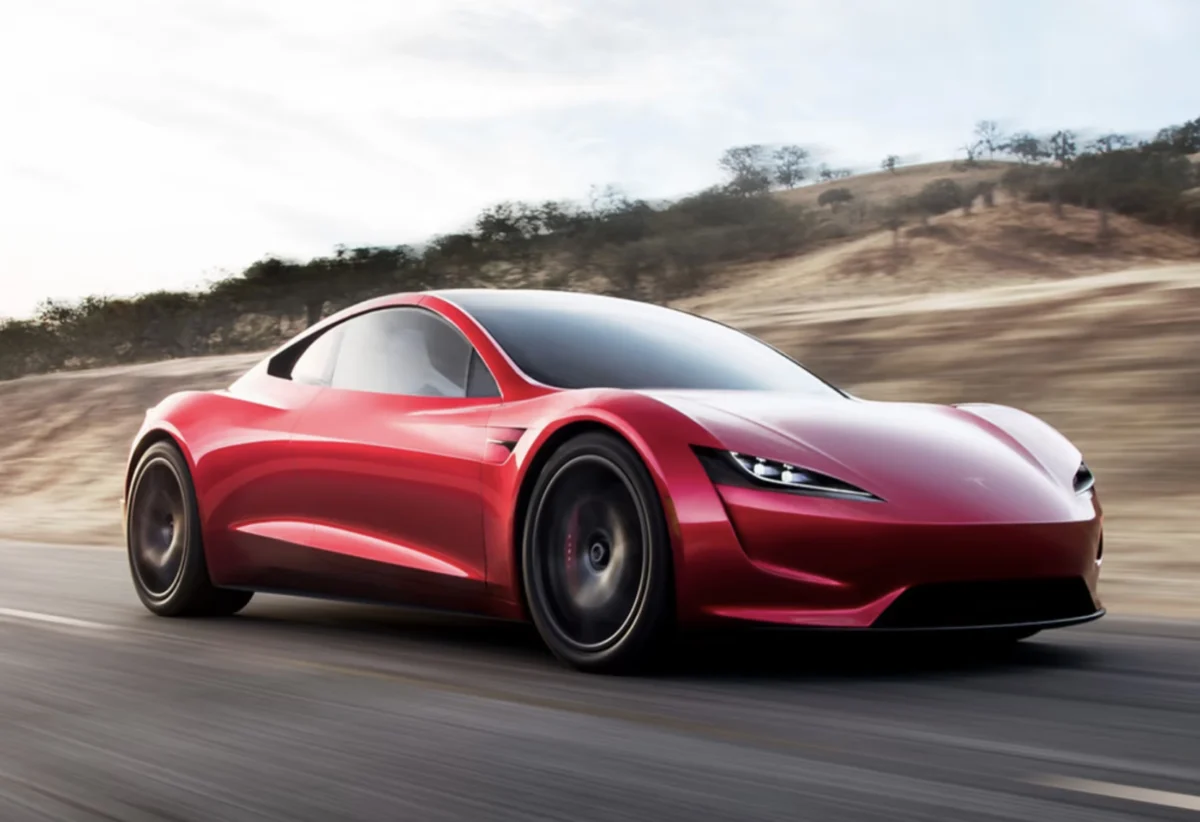
After nearly a decade of delays, design pivots, and high-profile social media controversy, the electric vehicle landscape is bracing for what could be its most audacious debut yet. Tesla, the pioneering EV manufacturer led by Elon Musk, has officially signaled that the second-generation Tesla Roadster is finally ready for the spotlight.
In a cryptic yet definitive post on the social media platform X, Tesla issued a rallying cry: "Go for launch." The accompanying graphic, which features the date "10.01," has set the automotive and tech worlds ablaze with speculation. All signs point to October 1, 2026, as the date when the curtain will finally rise on a vehicle that has become the industry’s most infamous "vaporware" project.
The Promise of Flight: Main Facts and Technical Ambition
The upcoming reveal represents more than just a new sports car; it is the culmination of Tesla’s attempt to bridge the gap between automotive engineering and aerospace technology. Since its initial announcement in 2017, the Roadster has been marketed as a performance benchmark that would render internal combustion engines obsolete.
Central to the intrigue is the integration of SpaceX technology. Musk has repeatedly claimed that the new Roadster will feature "cold gas thrusters"—a propulsion system derived from the rocketry expertise of his other major venture, SpaceX. These thrusters are intended to significantly enhance the vehicle’s acceleration, braking, and cornering capabilities. More provocatively, Musk has teased the possibility of the car "flying" in short bursts, a claim that has sparked intense debate regarding safety, regulatory hurdles, and the physics of mass-market transportation.
While the exact specifications of the final production model remain under wraps, recent reports from The Information suggest that the original 2017 design has been scrapped in favor of a radical, clean-sheet engineering approach. This new iteration is expected to push the boundaries of what is possible in an electric chassis, potentially utilizing next-generation battery cell density and advanced aerodynamics that move beyond standard automotive conventions.
A Nine-Year Odyssey: The Chronology of Delays
The journey of the second-generation Roadster is a study in the complexities of modern hardware development. To understand the weight of the upcoming October 1 event, one must look at the timeline of a project that has stretched the patience of even the most loyal Tesla devotees.
- November 2017: The Roadster is unveiled at the end of the Tesla Semi event. It was marketed as the "fastest production car ever," with a 0-60 mph time of 1.9 seconds and a range exceeding 600 miles.
- 2018–2020: Musk frequently cites the Roadster as a "dessert" for the company, pushing it down the priority list in favor of the Model 3 and Model Y production ramps.
- 2021–2023: The project enters a period of radio silence, marked by sporadic updates from Musk regarding the "SpaceX package" and the challenges of integrating rocket-grade technology into a road-legal vehicle.
- November 2025: The project hits a public relations snag when a high-profile spat breaks out between Musk and OpenAI CEO Sam Altman. Altman, who had placed a $50,000 reservation fee, publicly questioned the wait time. Musk countered, claiming Altman had already been refunded—a moment that highlighted the growing frustration among early adopters.
- April 2026: A previously scheduled reveal is delayed, with Musk citing further refinements needed for the production model.
- September 2026: The "Go for launch" announcement confirms the October 1 unveiling, ending years of speculation.
The Economics of Hype: Supporting Data and Market Impact
The business model surrounding the Roadster is unique. Unlike the Model 3 or Cybertruck, the Roadster is a low-volume, high-margin halo product. It serves as a branding vehicle—a tangible representation of Tesla’s commitment to "first principles" engineering.
However, the financial implications are significant. Tesla has been holding millions of dollars in reservation deposits for years. While these interest-free loans have bolstered the company’s cash flow, the delay has invited skepticism from financial analysts who argue that the resources dedicated to the Roadster could have been better spent on the company’s mass-market platforms or its autonomous driving software, FSD (Full Self-Driving).
According to industry data, the cost of developing such a specialized vehicle—particularly one that incorporates advanced composite materials and potentially flight-ready hardware—is immense. If the car is to be profitable, it will need to command a price point well into the six-figure range, positioning it against established supercar titans like Ferrari, Lamborghini, and Rimac.

Official Responses and Corporate Strategy
Tesla’s communication strategy remains tightly controlled. The company rarely speaks through traditional PR channels, instead relying on Musk’s direct engagement with the public on X. This creates an environment where expectations are often managed by hype rather than formal spec sheets.
Musk has been transparent, albeit cautiously, about the realities of the manufacturing process. He has previously warned that even after the official reveal on October 1, the transition from prototype to production is a "hellish" process. He has cautioned that the vehicle likely won’t hit consumer driveways for another 12 to 18 months following the unveiling. This buffer provides Tesla with the necessary time to finalize safety testing, regulatory compliance for the unique thruster systems, and the calibration of the drivetrain.
Implications for the Future of Transport
The unveiling of the Roadster has profound implications for the electric vehicle industry. If Tesla successfully integrates even a fraction of the promised rocket technology into a street-legal car, it will force competitors to reconsider the definition of "performance."
1. The Performance Benchmark
By pushing the limits of acceleration and handling, the Roadster sets a new ceiling for EV performance. This forces legacy automakers to invest more heavily in their own high-performance electric divisions to remain relevant in the eyes of enthusiasts.
2. Regulatory Challenges
The inclusion of "cold gas thrusters" presents a massive regulatory question mark. How do safety regulators in the U.S. and Europe classify a vehicle that uses high-pressure air to stabilize itself? This will likely lead to a protracted battle between Tesla and the NHTSA, potentially delaying the car’s deployment in certain markets.
3. The "Halo Effect"
Perhaps most importantly, the Roadster acts as a psychological anchor for the Tesla brand. By creating an aspirational vehicle that feels like a piece of science fiction, Tesla maintains its position as the most innovative company in the sector, even when it faces stiff competition from established luxury marques and aggressive Chinese EV manufacturers.
4. Investor Sentiment
For shareholders, the October 1 reveal will be a litmus test for Musk’s ability to deliver on long-standing promises. A successful, high-tech debut could bolster confidence in the company’s ability to innovate, whereas further technical failures or production delays could signal a pivot toward more conservative engineering—a change that some analysts believe is necessary for the company’s long-term stability.
Conclusion: A High-Stakes October
As October 1 approaches, the automotive world is waiting to see if Tesla can finally deliver on the promises made in 2017. The Roadster is more than a car; it is a declaration of intent. It represents a company that refuses to be constrained by the limitations of traditional automotive engineering.
Whether the new Roadster ultimately lives up to the "flying" hype or serves as a masterclass in extreme performance engineering, its arrival will undeniably change the trajectory of the electric vehicle market. For Elon Musk and the team at Tesla, the "launch" on October 1 is not just the end of a long wait—it is the beginning of a new chapter in the history of transportation.