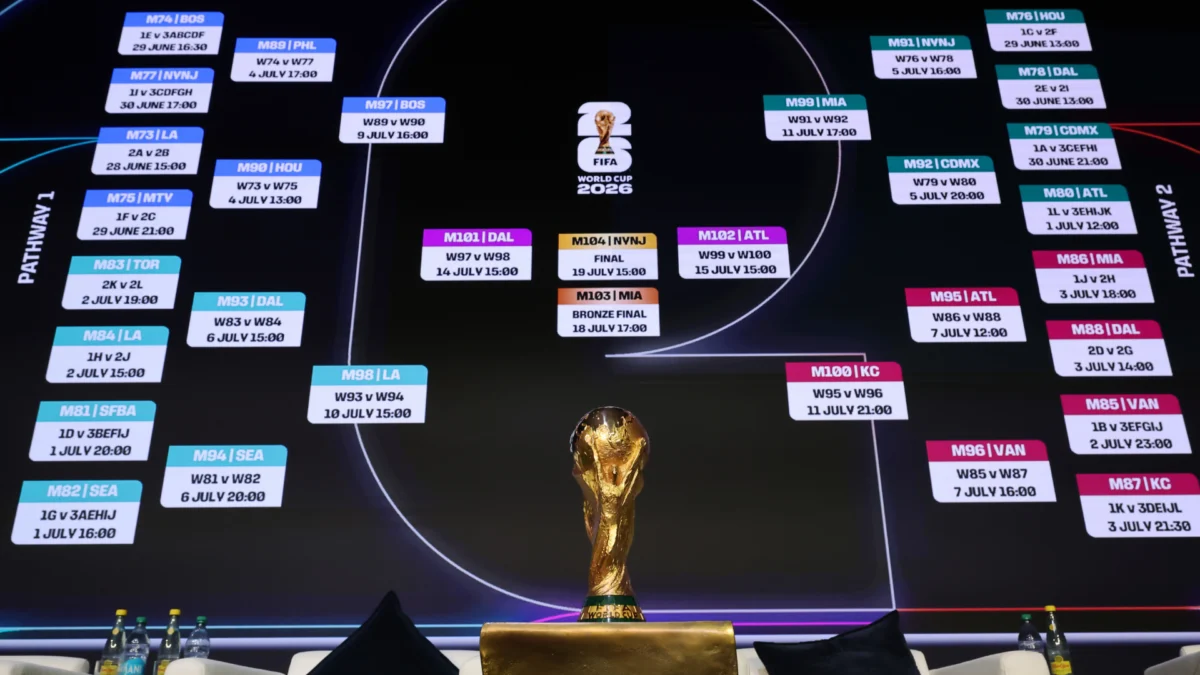
The landscape of international football has been irrevocably altered. With the expansion to a 48-team tournament, the FIFA World Cup has transitioned from a manageable, streamlined competition into a logistical and mathematical labyrinth. For the casual observer, the current structure—featuring 12 groups of four—presents a daunting array of data points. For the tactical analyst, it is a high-stakes chess match where the margin for error is razor-thin, and the path to the trophy is paved with complex permutations.
This expansion is not merely about adding more nations to the marquee event; it is about rewriting the geometry of the tournament. As we move deeper into the group stages, the sheer volume of games—72 matches required just to whittle the field down to the knockout rounds—highlights the Herculean effort required to manage this new era of football.
The Mathematical Gauntlet: Rules of Engagement
The primary source of anxiety for fans and pundits alike is the qualification criteria for the knockout stages. With 12 groups, the traditional "top two advance" model leaves a vacuum that must be filled. Consequently, the tournament organizers have instituted a system where the eight best third-place teams will join the group winners and runners-up in the first knockout round.
This structure introduces a volatile layer of uncertainty. Qualification is no longer just about beating your direct opponents; it is about performance metrics across the entire field. When teams finish level on points, the tie-breaking hierarchy is as follows:
- Points accumulated in all group matches.
- Goal difference.
- Total goals scored.
- Fair play points (based on yellow and red card accumulation).
- FIFA world ranking.
This "points-plus-performance" model means that a late-game defensive lapse or an unnecessary booking in a seemingly inconsequential match could be the difference between a nation’s tournament dreams remaining alive or ending in heartbreak.
A Chronological Overview of the Group Stage
The tournament kicked off with a flurry of activity, and the early stages have already seen powerhouses assert dominance while dark horses struggle to find their footing.
The Early Dominance (June 11–17)
The opening week was characterized by clinical performances from traditional giants. Mexico’s 2-0 victory over South Africa and France’s commanding 3-1 win over Senegal set the tone for the tournament. The United States also signaled their intent with a blistering 4-1 victory over Paraguay in Group D, setting a high bar for attacking football.
The Mid-Tournament Shake-up (June 18–22)
As the second round of matches commenced, the intensity shifted. Canada’s 6-0 rout of Qatar in Group B was a standout moment, signaling a shift in the CONCACAF region’s competitive standing. Conversely, stalemates like the 0-0 draw between Belgium and Iran underscored the tactical caution often seen in the middle phase of a tournament, where teams begin to calculate the exact number of points needed to secure a "best third-place" berth.
The Final Push (June 24–27)
The final group matches have turned into high-stakes drama. With nations like England, Colombia, and Argentina facing final-day tests, the pressure to secure top-seed status—and thus a more favorable path in the bracket—has forced managers to abandon conservative approaches. The late-group clashes in Groups J, K, and L are expected to provide the most significant drama as teams look to secure their spot in the next stage.
Supporting Data: The Statistical Landscape
To understand the current state of the tournament, one must look closely at the efficiency of the leaders.
- Goal-Scoring Powerhouses: France (10 goals), the Netherlands (10 goals), and Germany (10 goals) currently lead the tournament in offensive output. Their ability to dismantle opponents suggests they are the primary contenders for the title.
- The Defensive Wall: Mexico and Spain stand out as the most disciplined teams, having conceded zero goals in their opening three matches. This defensive solidity will be their primary weapon as the competition transitions to the knockout rounds, where a single mistake can be fatal.
- The Underachievers: Conversely, nations like Qatar and Curacao have struggled significantly, conceding 8 and 9 goals respectively. These figures highlight the widening gap in international football, a byproduct of expanding the field to include a broader array of global participants.
Official Perspectives: Navigating the Expansion
FIFA officials have defended the expansion, citing the need for "global inclusivity." In a recent press briefing, a spokesperson for the organizing committee remarked, "The 48-team format is designed to provide more nations with the opportunity to experience the pinnacle of sport. While the format is complex, the quality of football on display has remained exceptionally high. We are seeing nations that were previously on the fringes of the tournament making meaningful impacts."
However, not all feedback has been positive. Player unions have raised concerns regarding the sheer physical load on athletes, noting that the increased number of matches and the pressure of the new bracket structure could lead to burnout. "We are asking for a lot from these players," noted a representative for the International Players’ Association. "When you force teams to play for third-place spots based on goal difference, you are asking them to play until the final whistle of every match, regardless of the scoreline. That is a significant physical and mental burden."
Implications for the Future of the Tournament
The implications of this 48-team format extend far beyond the current standings. First, the "third-place qualification" rule has created a unique dynamic where the final matches of the group stage are no longer dead rubbers. Every goal counts, every yellow card is a liability, and the pressure is sustained from the first kick to the final group stage whistle.
Second, the tournament has become a nightmare for travel logistics. With games spread across a wider geographic footprint to accommodate the increased number of participants, the environmental and physical toll on teams is unprecedented. Fans, too, are struggling to track the permutations. The days of simple, "A vs. B, top two advance" logic are gone, replaced by a need for constant real-time data analysis.
Finally, the expansion has effectively ended the era of "easy" groups. With four teams per group, the parity has increased. Even traditional minnows have shown they can secure a draw, forcing the elite nations to treat every opponent with professional respect. This parity has made the tournament more unpredictable than ever before.
Conclusion: The New Reality
As the group stage draws to a close, the 2026 World Cup stands as a testament to the growth of the sport. While the complexity of the 48-team structure may baffle those accustomed to the simplicity of the 32-team era, it has succeeded in creating a tournament where every match has a consequence.
Whether or not this format is sustainable remains a question for future congresses and committees. For now, the world is watching as the tournament enters its most volatile phase. The permutations are endless, the stakes are absolute, and for the 48 nations involved, the road to the final is no longer just a path—it is an odyssey.
Quick Reference: Current Group Standings Summary
| Group | Leaders | Points | Notable Performance |
|---|---|---|---|
| A | Mexico | 9 | Perfect start; 6 goals scored, 0 conceded. |
| B | Switzerland | 7 | Strong performance; 7 goals scored. |
| C | Brazil | 7 | Consistent attacking force. |
| D | USA | 6 | High-scoring, aggressive style. |
| E | Germany | 6 | Dominant attack, though inconsistent defense. |
| F | Netherlands | 7 | Offensive juggernaut with 10 goals. |
| G | Belgium | 5 | Undefeated, disciplined play. |
| H | Spain | 7 | The tournament’s best defense. |
| I | France | 9 | Total dominance in Group I. |
| J | Argentina | 6 | Solid start with two clean sheets. |
| K | Colombia | 6 | Efficient, tactical victories. |
| L | England | 4 | Maintaining control in a tight group. |
Note: As the tournament enters the final rounds of group play, fans are encouraged to monitor live updates, as rankings in Groups J, K, and L are subject to change based on the final day’s results.