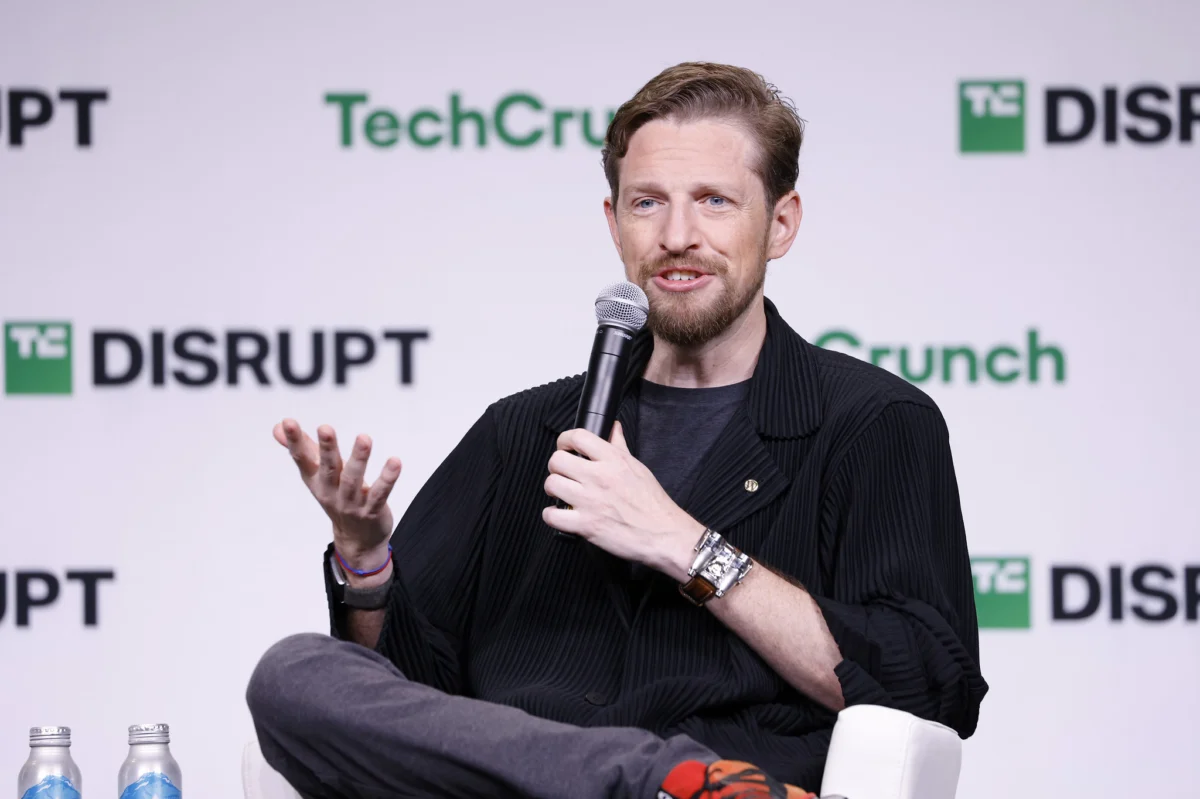
In a seismic development for the web infrastructure industry, Matt Mullenweg, the iconic founder and CEO of Automattic—the commercial powerhouse behind WordPress.com, WooCommerce, and Tumblr—has been placed on a forced, paid leave of absence by his own board of directors. The move, which marks an unprecedented turning point for the company Mullenweg founded in 2003, signals a potential end to his direct control over the day-to-day operations of the multi-billion-dollar enterprise.
The transition, which was first reported by 404 Media, has sent shockwaves through the WordPress ecosystem. While Automattic remains the engine behind a significant portion of the modern web, the company has spent the last 18 months mired in a cycle of litigation, staff attrition, and aggressive corporate maneuvering that appears to have finally exhausted the patience of its governing board.
The Chronology of a Collapse
The internal coup unfolded with clinical precision. According to a Slack message posted by Mullenweg to a company-wide channel, he was blindsided by the board’s decision. Mullenweg alleged that Chief Financial Officer Mark Davies had "conspired" with board members Ann Dunwoody, Toni Schneider, and Sue Decker to orchestrate his removal behind his back.
"I received the resolution 50 minutes before the meeting start," Mullenweg wrote in the message. "I requested repeatedly for time to have it reviewed by independent legal counsel, even a few hours, which was denied."
A Sudden Transition
The resolution, passed by a board vote in which Mullenweg reportedly voted against his own removal, immediately elevated CFO Mark Davies to the position of interim CEO. While the specific legal catalyst for this maneuver remains shrouded in corporate confidentiality, the timing is notable. Industry observers have pointed to the post-Burning Man period—a time when Mullenweg historically returns to the office with sweeping, often radical, new strategic ideas—as a possible inflection point that may have triggered the board’s intervention.
The immediate fallout saw the executive leadership of the open-source side of the house—WordPress.org—attempting to decouple the project from the corporate drama. Mary Hubbard, the executive director of the WordPress project, issued a statement to the open-source community, insisting that the project would remain unaffected. "Matt remains the leader of the WordPress project and I remain Executive Director of WordPress. Our teams, priorities, and work continue as planned," Hubbard stated. However, this distinction between the commercial entity (Automattic) and the open-source project (WordPress) has become increasingly blurred under Mullenweg’s tenure, making such reassurances difficult for the broader community to digest.
A History of Escalating Conflict
The removal of Mullenweg does not occur in a vacuum; it is the culmination of a series of strategic and cultural gambles that alienated key stakeholders and legal partners alike.
The WP Engine "Holy War"
The most significant catalyst for the current instability is the ongoing legal battle with WP Engine, a prominent managed WordPress hosting provider. In 2024, Mullenweg launched a public campaign against WP Engine, alleging that the company was profiting from the open-source WordPress project without contributing a fair share back to the community. He demanded that WP Engine pay a royalty fee amounting to 8% of its monthly gross revenue for its use of the "WordPress" trademark.
When WP Engine refused, the dispute escalated into a full-scale legal war. WP Engine filed suit in October 2024, accusing Automattic and Mullenweg of defamation and an "abuse of power." Automattic responded with counterclaims, and by February 2026, the situation grew even more dire as court filings suggested that Automattic was preparing to target at least 10 other competitors with similar royalty demands. This "royalty model" strategy effectively signaled to the market that Automattic was shifting from an open-source steward to a litigious gatekeeper, a pivot that many investors and board members likely viewed as a massive brand liability.
Internal Exodus and Cultural Decay
Mullenweg’s management style also faced significant internal pushback. In late 2024, he famously issued an ultimatum to his staff: if employees did not agree with his aggressive stance toward WP Engine, they were invited to leave with a severance package. The result was a mass departure of 159 employees, a staggering loss of institutional knowledge that left the company hollowed out.
This was followed by broader operational instability. In April 2025, Automattic announced a 16% reduction in its workforce. The layoffs were particularly damaging to morale, as they included long-tenured staff—some with over a decade of service—who had been instrumental in building the company’s reputation as a "remote-first" pioneer.
The Implications for the WordPress Ecosystem
The departure of a founder is rarely a quiet affair, but in the case of Automattic, the implications are systemic.
1. Market Stability and Investor Confidence
Automattic is a major player in the web infrastructure space, managing brands such as Tumblr, WooCommerce, and Pocket Casts. The sudden installation of an interim CEO (Mark Davies) during a period of active litigation with WP Engine suggests that the board prioritizes stability and risk mitigation over the ideological crusades that defined the latter half of Mullenweg’s tenure. Investors are likely looking to mend fences with the hosting community to prevent a total fragmentation of the ecosystem.
2. The Future of the "Fork"
One of the most persistent threats during Mullenweg’s final year as CEO was the potential for a "fork" of the WordPress project. When Mullenweg threatened to deactivate the accounts of community members who proposed a new, independent version of WordPress, he effectively weaponized the governance structure of the software. With Mullenweg on leave, the community may see a reprieve from the authoritarian management style that threatened to fracture the world’s most popular CMS.
3. Employee Morale: Relief or Uncertainty?
Inside Automattic, the reaction has been fragmented. Sources within the company indicate that while some staff feel "ecstatic" and "relieved" that the constant cycle of drama and public fighting has been paused, others are deeply concerned about the lack of long-term vision. The departure of a visionary, even a controversial one, creates a vacuum that is difficult to fill. The "burning out" of the company’s culture over the past two years has left many employees questioning whether the current leadership transition is a temporary fix or a permanent pivot in company philosophy.
Official Responses and Next Steps
In a concise emailed statement, Automattic confirmed the status of its leadership. "Matt Mullenweg is currently on leave from Automattic," the company noted. "Mark Davies, Automattic’s CFO, will lead the company as interim CEO. The Board has full confidence in Mark’s leadership and in the team’s ability to execute against the company’s priorities."
The statement notably omitted any mention of a timeline for Mullenweg’s return or the nature of his "leave." Furthermore, Davies has clarified that while Mullenweg is no longer the operational CEO, he remains a member of the Board of Directors. This leaves the door open for a complex, potentially drawn-out power struggle within the boardroom itself.
As of this writing, Matt Mullenweg has not issued a personal statement via his social channels or personal blog. His silence, however, is being read by industry analysts as a sign that the legal and internal battle is far from over.
Conclusion: A New Chapter or a Slow Fade?
The removal of Matt Mullenweg represents a desperate attempt by Automattic’s board to stabilize a ship that has been taking on water for nearly two years. By moving the founder to the sidelines, the company is signaling to its partners, its customers, and the open-source community that the era of "ideological warfare" must come to a close if the company is to remain viable.
Whether Mark Davies can mend the broken trust with the WordPress community, navigate the treacherous legal waters with WP Engine, and rebuild the morale of a decimated workforce remains the central question of the year. For now, the tech world watches closely: will the removal of the architect of the modern web lead to a more sustainable future, or will the loss of his singular vision lead to the slow, steady decline of the platform that powers nearly half of the internet? The answer will likely define the next decade of web development.