Date: August 21, 2026
Produced by: Clarisse Fortuné and Guillaume Gougeon
Introduction
In this edition of Eye on Africa, we examine a trio of stories that underscore the continent’s complex narrative: the tragic human cost of unregulated resource extraction in the Central African Republic (CAR), the visionary efforts to transform Ethiopia into a viticulture powerhouse, and the lingering, painful shadow of colonial history in Belgium. Each story serves as a lens through which we view the challenges and aspirations of a rapidly evolving continent.
I. Main Facts: The Tragedy at the Gold Mine
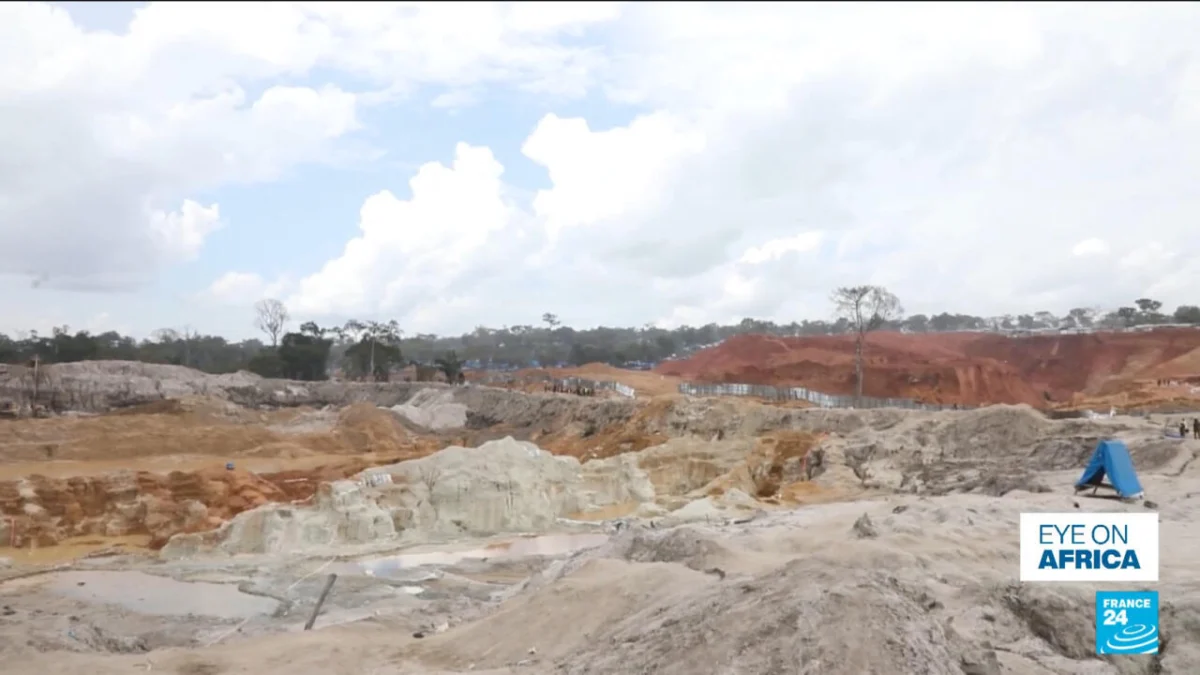
The Central African Republic, a nation long plagued by instability and the exploitation of its mineral wealth, has been struck by a devastating industrial disaster. A catastrophic landslide at an artisanal gold mine has resulted in a significant loss of life, with dozens of miners confirmed dead.
What makes this tragedy particularly heartbreaking is the international nature of the casualties. The victims include migrant workers from neighboring Cameroon and Chad, highlighting the transient and desperate nature of the labor force that sustains the informal mining sector in the region. These workers, drawn by the promise of economic opportunity, often operate in hazardous conditions with little to no regulatory oversight or safety infrastructure.
The collapse, triggered by unstable geological conditions and compounded by poor mining practices, has left families across three nations in mourning. Rescue operations have been hampered by difficult terrain and the lack of specialized equipment, underscoring the vulnerability of those working in the shadows of the global gold trade.
II. Chronology of Events
- Early August 2026: Increased rainfall across the region creates hazardous conditions at various informal mining sites in the CAR.
- August 19, 2026: Witnesses report tremors and structural instability in the soil surrounding the main mining pit.
- August 20, 2026 (Morning): A massive landslide buries the primary work site, trapping dozens of workers beneath tons of earth and debris.
- August 20, 2026 (Afternoon): Local authorities and volunteers initiate a frantic search-and-rescue operation. International organizations are alerted.
- August 21, 2026: Government officials in the CAR confirm the death toll, acknowledging that victims include foreign nationals from Chad and Cameroon.
- August 21, 2026 (Evening): Official statements of condolence are issued by the neighboring governments as investigations into mining site safety protocols begin.
III. Supporting Data: The High Price of Artisanal Gold
The artisanal and small-scale mining (ASM) sector is a critical pillar of the economy in the CAR, providing a livelihood for thousands. However, the data reveals a grim reality:

- Human Cost: According to regional labor monitors, mining-related accidents in the CAR have increased by 15% over the last three years, largely due to the expansion of operations during the rainy season.
- Economic Dependence: Gold accounts for approximately 40% of the country’s mineral exports. Despite this, less than 10% of the revenue generated remains in the local communities where the mining occurs.
- Regional Migration: The presence of Chadian and Cameroonian nationals at the site underscores the "labor corridor" effect, where economic instability in neighboring states forces workers into high-risk environments in the CAR.
IV. Ethiopia’s Viticulture Renaissance
While the CAR grapples with the dark side of its natural resources, Ethiopia is looking toward a greener, more refined future. The nation is currently undertaking an ambitious project to establish itself as a premier destination for wine production in East Africa.
By leveraging the unique high-altitude climate of the Ethiopian highlands and partnering with experts from the renowned Bordeaux region of France, the country is transitioning from a traditional agricultural economy to a sophisticated viticulture hub.
The Bordeaux Connection
The collaboration involves bringing French oenologists to the Rift Valley, where soil analysis and temperature regulation are being optimized for international grape varieties. The goal is not just to satisfy local demand but to carve out a niche in the global luxury wine market.
- Terroir: The altitude provides cool nights and long, sun-drenched days, creating a unique "terroir" that distinguishes Ethiopian wines from their South African counterparts.
- Sustainability: The project emphasizes sustainable irrigation and land management, aiming to avoid the pitfalls of monoculture that have historically plagued large-scale agricultural projects in the region.
V. Official Responses
On the CAR Tragedy
The Central African government has faced immense pressure to improve safety standards. A spokesperson for the Ministry of Mines stated: "We are devastated by this loss. Our priority remains the recovery of the bodies and supporting the families of the deceased. We are launching an inquiry into the legality of the site’s operations and will enforce stricter zoning laws."
On the Belgian Colonial Reckoning
Belgium continues to navigate the complexities of its past. The focus has turned toward the 1894 Antwerp World’s Fair, where Congolese people were displayed in "human zoos." The Belgian government has issued a formal commitment to continue the process of repatriating cultural artifacts and facilitating public education on the realities of the colonial era.
"We cannot rewrite the past, but we can acknowledge the dehumanization that occurred," said a representative from the Belgian Federal Ministry. "The conversation regarding the 1894 exhibition is part of a broader, ongoing process of national introspection."

VI. Implications: A Continent in Transition
The events of the past week reflect the multifaceted nature of the African experience in 2026.
The Governance Gap
The tragedy in the CAR serves as a stark reminder of the "governance gap" that continues to impede development. When regulatory frameworks fail, the most vulnerable members of society—migrant laborers—pay the ultimate price. For the CAR to benefit from its mineral wealth, it must transition from informal, dangerous extraction to formalized, regulated industry that prioritizes human safety.
Innovation as a Driver
Conversely, the Ethiopian viticulture project demonstrates how strategic partnerships and the utilization of natural geography can foster economic diversification. By moving up the value chain—from selling raw commodities to creating high-end products—Ethiopia is signaling a shift in how African nations intend to compete in the global market.
The Weight of History
Finally, the ongoing efforts in Belgium to confront the 1894 Antwerp exhibition highlight that the continent’s progress is intrinsically linked to the global acknowledgment of its history. True partnership between Europe and Africa requires more than economic exchange; it requires a truthful reckoning with the power dynamics that were forged in the colonial era.
VII. Conclusion
From the tragic landslides in the Central African Republic to the budding vineyards of Ethiopia and the historical soul-searching in Belgium, these stories are all interconnected by the themes of human agency, economic struggle, and the pursuit of a just future. As Africa continues to assert its place on the world stage, the ability to address industrial crises, foster agricultural innovation, and confront historical trauma will determine the trajectory of the coming decade.
Produced by Clarisse Fortuné and Guillaume Gougeon, this report underscores the importance of continued vigilance and the necessity of nuanced storytelling in documenting the African continent.