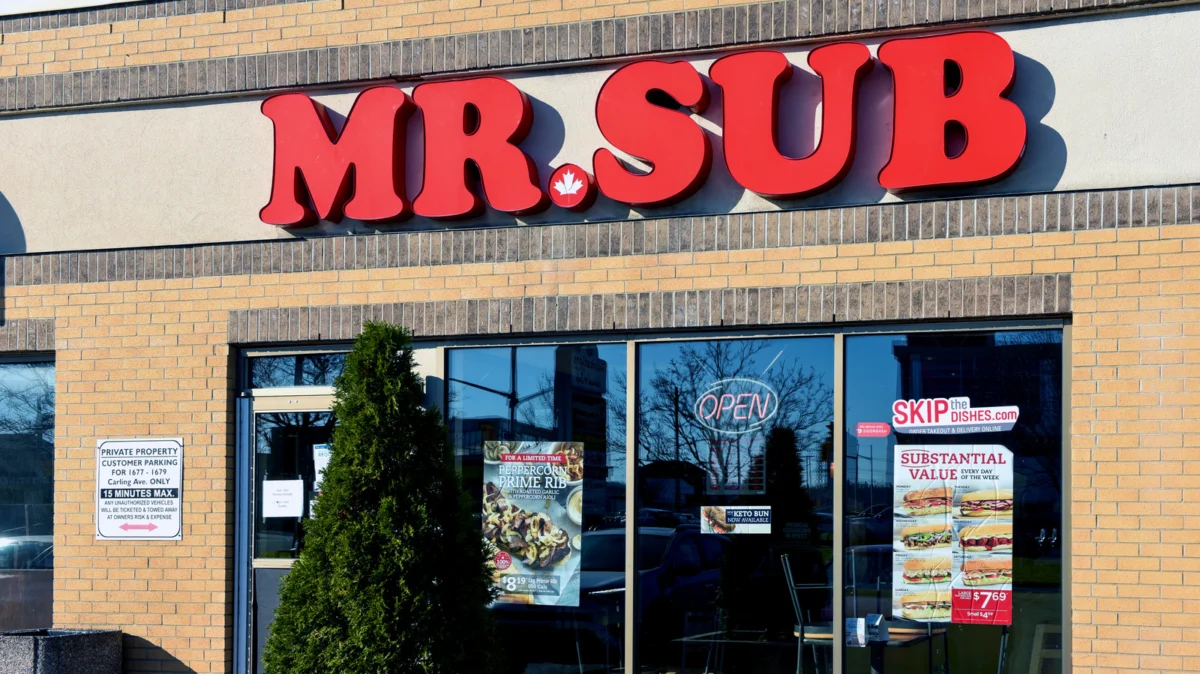
To the uninitiated traveler, the lexicon of the handheld lunch is a regional minefield. In Philadelphia, you order a hoagie; in New England, you request a grinder; in New York, you ask for a hero. However, once you cross the border into Canada, the terminology unifies under one common banner: the "submarine sandwich." While the global market is dominated by American titans, Canada holds a piece of culinary history in the form of Mr. Sub. Since its inception in 1968, the chain has remained a distinct fixture of the Canadian landscape, offering a homegrown alternative to the fast-food giants.
1. Humble Beginnings: From Victorian Row House to National Icon
Long before the era of sleek, high-tech fast-food kiosks, Mr. Sub—originally branded as "Mr. Submarine"—was a remarkably modest operation. The brand was founded in the historic Yorkville neighborhood of Toronto. Unlike the cookie-cutter modular buildings that define modern fast-food franchising, the first Mr. Sub occupied the ground floor of a Victorian-style row house.
The shop’s aesthetic was a far cry from the industrial stainless steel of today. It featured a large bay window that served as a portal for pedestrians to watch the assembly of their sandwiches. It was a shoestring operation; the founders were operating on a mere six-month lease, uncertain if the Canadian public would embrace the submarine sandwich concept. In fact, the shop was so informal that the founders had to place a sign on the front stoop asking customers not to loiter on the steps—a request that was, unsurprisingly, ignored by the neighborhood regulars.
2. The Founders: A Partnership of Visionaries
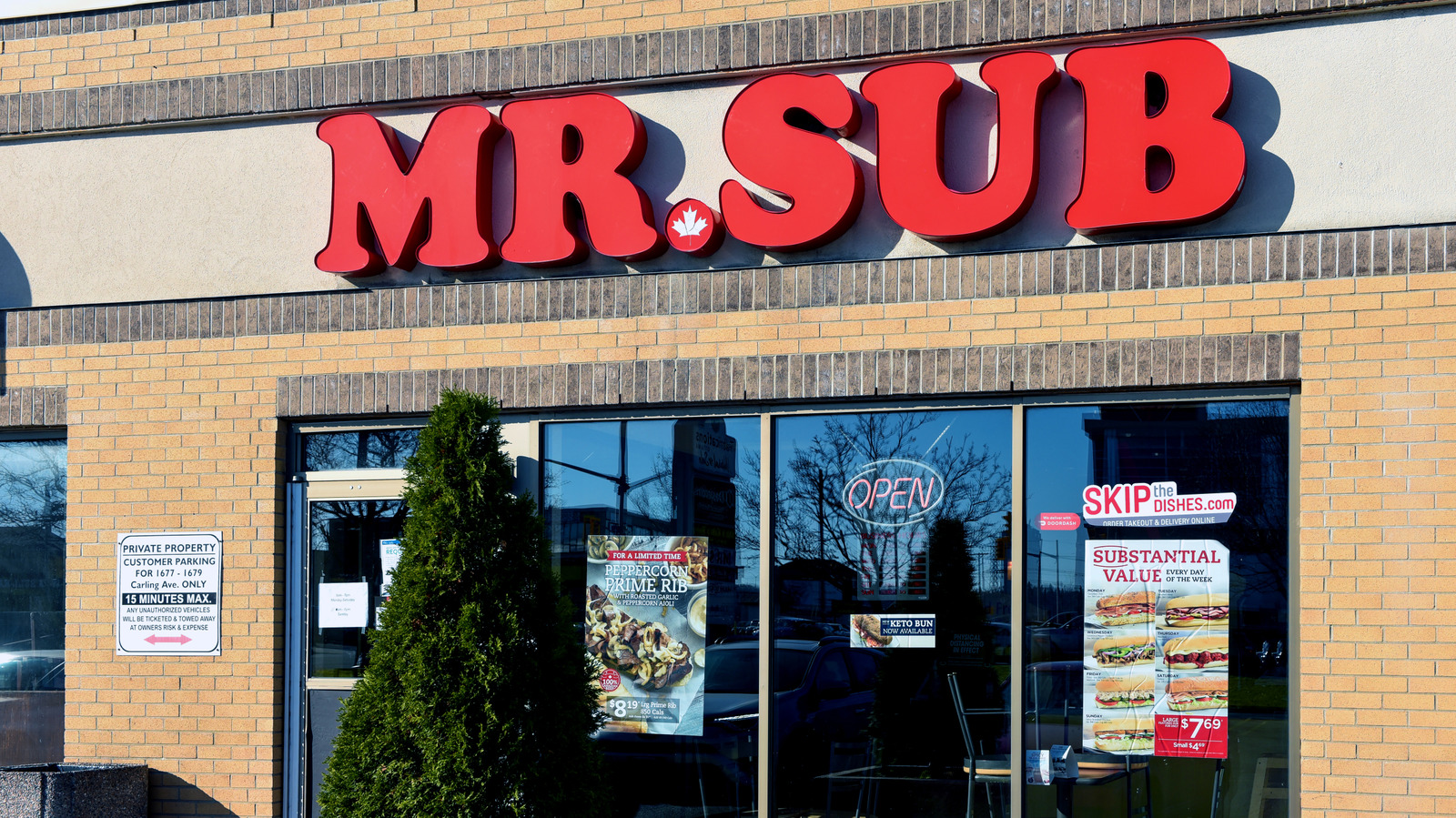
The success of Mr. Sub is a testament to the power of a simple, effective partnership. The brand was the brainchild of two friends: Jack Levinson, a school gym teacher, and Earl Linzon, an accounting clerk. Together, they launched the venture with a starting capital of just $1,600—the equivalent of approximately $14,000 in today’s currency.
The duo operated under a philosophy that would become the gold standard for the industry: prioritize speed, freshness, and affordability. While they initially intended for the Yorkville location to be a one-off experiment, the demand was instantaneous. Within five months of opening their doors, the success of the first location necessitated the opening of a second. By 1972, the pair had formalized their expansion strategy, selling the first franchise and setting the stage for a nationwide footprint. Their trajectory mirrors that of other legendary duos like Steve Jobs and Steve Wozniak or Ben Cohen and Jerry Greenfield—two individuals who took a singular idea and scaled it into a cultural institution.
3. A Chronology of Growth and Strategic Evolution
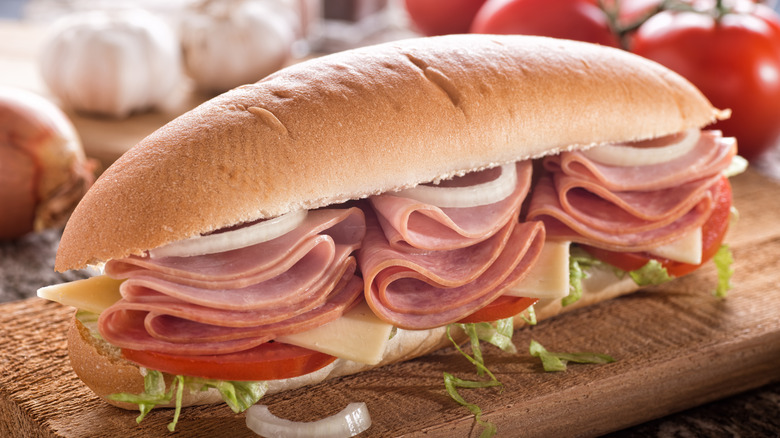
For the first few decades of its existence, Mr. Sub maintained a lean, focused menu. Until the 1990s, the menu consisted of only seven core offerings: assorted cold cuts, Italian salami, ham, cheese, spiced loaf, tuna, and the legendary "Super Sub." The Super Sub, which featured a double portion of meat and cheese, retailed for just $1.38, providing a substantial meal for a budget-friendly price point.
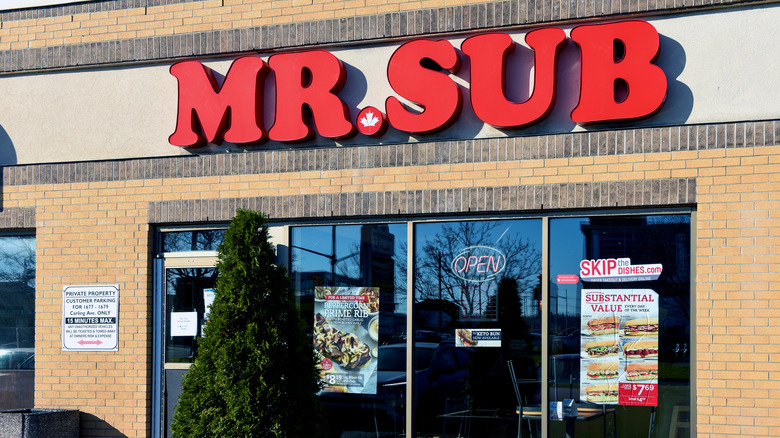
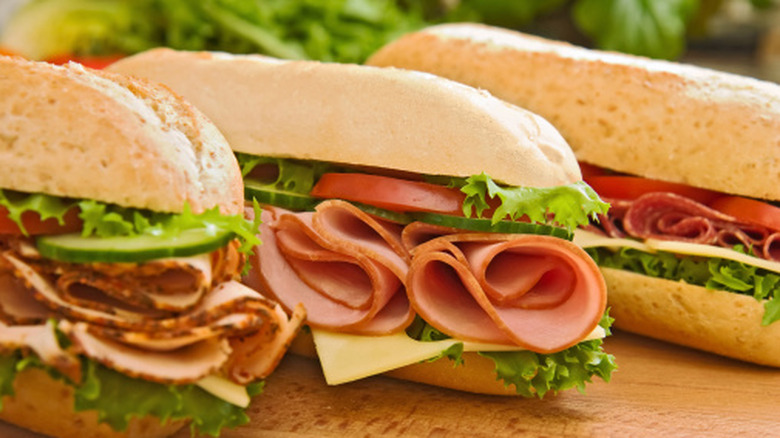
The 1990s served as a turning point. As global chains like Subway and Quiznos aggressively entered the Canadian market, Mr. Sub was forced to pivot. To remain competitive, the brand expanded its offerings significantly, ballooning from seven items to 18, and eventually to the 26+ options seen on current menus today. This evolution allowed the brand to incorporate contemporary consumer preferences, including vegetarian, vegan, and seafood-focused options, while maintaining its reputation for Canadian-style hospitality.
4. Market Position: The Canadian Submarine Juggernaut
While many Canadian brands—such as Tim Hortons—have successfully exported their business models to the United States and beyond, Mr. Sub remains a proudly Canadian entity. Of its more than 200 locations, the vast majority are situated within the borders of Canada. Its international presence is minimal, consisting of a handful of outlets in India, Dubai, and Saudi Arabia.
This concentration has been both a strength and a challenge. In its heyday, Mr. Sub dominated the market. By 2005, there were 500 locations across Canada. However, the saturation of the market by American competitors like Subway, Firehouse Subs, and Jersey Mike’s led to a consolidation of market share. Despite the stiff competition, Mr. Sub has maintained a loyal customer base by positioning itself as the "original" Canadian choice, emphasizing its roots and its status as a homegrown business.
5. Legal and Economic Hurdles: The Maple Leaf Foods Case
The resilience of the franchise model was tested significantly in 2008 during a widespread listeria outbreak linked to Maple Leaf Foods. As the primary supplier of processed meats for Mr. Sub, the contamination crisis sent shockwaves through the chain. For weeks, many franchisees were unable to serve meat, crippling their ability to operate effectively.
The subsequent legal battle, which reached the Supreme Court of Canada, set a significant precedent in Canadian corporate law. Franchisees sought to hold the supplier, Maple Leaf Foods, liable for their economic losses. However, the Court ruled that while a manufacturer owes a "duty of care" to the end consumer regarding product safety, that duty does not automatically extend to the financial losses of a third-party franchisee. It was a sobering reminder of the risks inherent in franchising, where a single supply chain failure can threaten the solvency of independent business owners.
6. The Shadow of Scandal: The 2009 Drug Bust
Every long-standing brand faces moments of crisis, but few are as jarring as the 2009 incident involving a Toronto-based Mr. Sub location. An undercover police investigation revealed that the owner of the franchise was operating a drug distribution ring from within the shop.
The investigation discovered $11,500 worth of controlled substances on the premises, including marijuana, hashish, and ecstasy. Further raids at the owner’s personal residence uncovered even more illicit goods, bringing the total estimated value to $112,000. While the incident was isolated to a single franchisee, it cast a temporary shadow over the brand’s reputation. Mr. Sub moved quickly to distance itself from the owner, highlighting the challenges that large-scale franchise operations face in maintaining quality and conduct control across hundreds of decentralized locations.
7. Public Relations: Navigating Cultural Sensitivity
The year 2009 proved to be a "annus horribilis" for the brand, as it faced not only the drug scandal but also a significant backlash regarding an online advertising campaign. The campaign, which utilized the tagline "not everyone likes surprises," featured a scene where a father announced to his family that he was gay.
The advertisement was widely criticized for being tonally deaf and offensive. The public response was swift and organized, with a letter-writing campaign demanding the removal of the spot. Mr. Sub reacted with unusual speed for a major corporation. The company not only pulled the ad across all digital and broadcast platforms but also terminated its contract with the advertising agency, BOS. In an official statement, the company noted that the campaign "did not meet the objective of positively engaging with our customers," signaling a commitment to corporate responsibility and a recognition of the shifting cultural landscape in Canada.
Implications for the Future
As the sandwich industry continues to evolve toward higher-quality ingredients and customizable, "fast-casual" experiences, Mr. Sub finds itself in an interesting position. It is a legacy brand that must constantly balance its nostalgic appeal with the demands of a modern, health-conscious consumer.
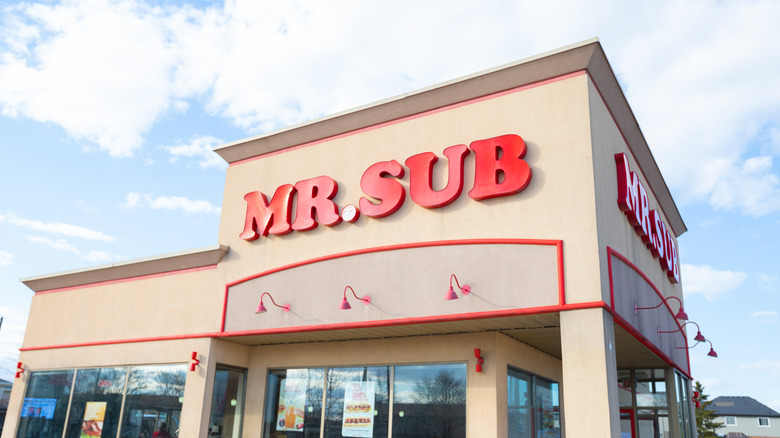
The chain’s history—marked by humble beginnings, legal precedent-setting, and rapid adaptation—reflects the broader history of the Canadian fast-food sector. While it may no longer be the only name in the game, Mr. Sub remains a quintessential piece of the Canadian culinary identity. Whether it is a quick lunch in a downtown Toronto office tower or a stop during a cross-country road trip, the brand continues to serve as a reminder that even in an era of global conglomerates, there is still room for a local, homegrown success story to thrive.