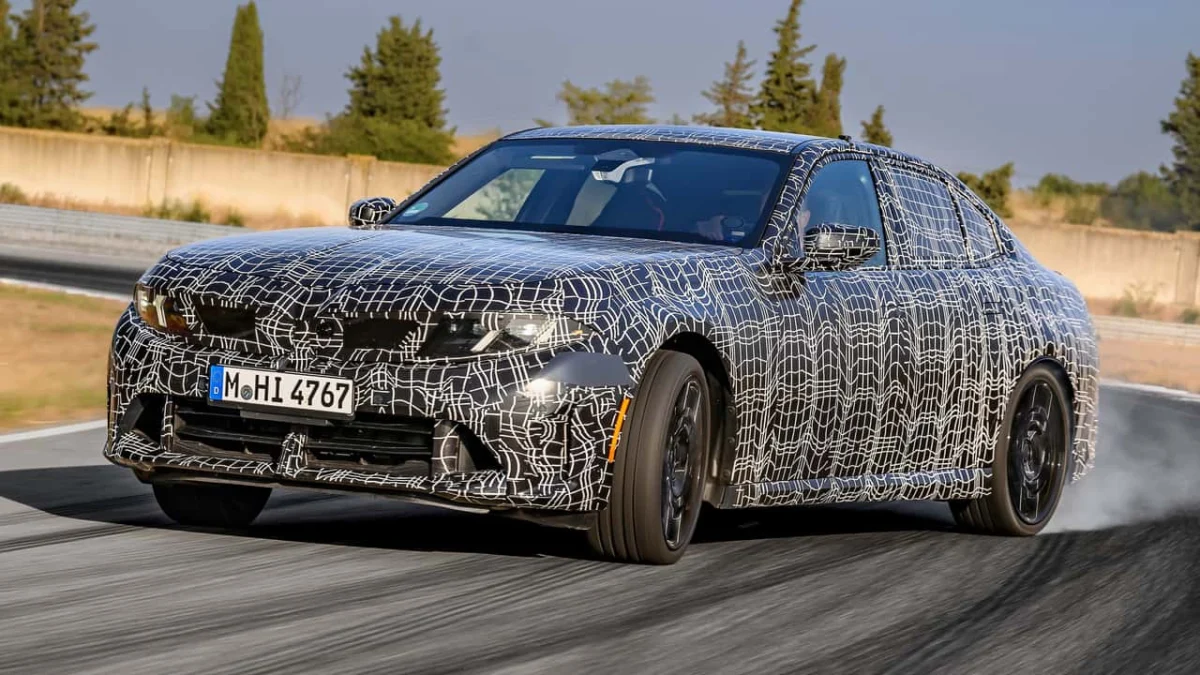
As the automotive landscape shifts aggressively toward electrification, one of the most storied nameplates in history is preparing for a defiance of the status quo. The next-generation BMW 3 Series, currently in its final stages of development, serves as a bridge between the internal-combustion heritage that defined the brand and the digital, electric future represented by the "Neue Klasse" era. BMW has officially confirmed that the 3 Series will not abandon the traditional engine; instead, it will refine it to survive in an era of strict global emissions regulations.
The Core Strategy: Evolution Over Extinction
BMW’s commitment to its most successful sedan remains steadfast. While the Bavarian automaker is heavily invested in the "i" series of battery-electric vehicles, the upcoming 3 Series generation will continue to offer both four- and six-cylinder powerplants. To satisfy environmental mandates without sacrificing the driving dynamics that define the brand, every combustion engine will be bolstered by 48-volt mild-hybrid technology. This approach allows BMW to extract maximum efficiency during low-load cruising while utilizing electric torque-fill to maintain the aggressive, instantaneous response enthusiasts expect from the 3 Series.
The Rise of the M350 xDrive
The jewel of the new lineup is the M350 xDrive. Replacing the outgoing M340i, this M Performance model represents a significant leap forward in power and sophistication. Under the hood lies an evolved 3.0-liter turbocharged inline-six, paired with a mild-hybrid system that produces a combined output of 443 horsepower and 580 Newton-meters (428 pound-feet) of torque.
When compared to the departing M340i, the M350 xDrive provides a massive injection of performance. In the United States market, this equates to a 57-horsepower increase and a 59 lb-ft bump in torque. For European markets, where emissions regulations have forced previous models to be detuned, the delta between the old and the new is even more pronounced. This vehicle is designed to occupy the space between a high-end luxury sedan and a track-focused M3, offering daily drivability with a performance ceiling that was previously reserved for more expensive, dedicated M models.
A Chronology of Development
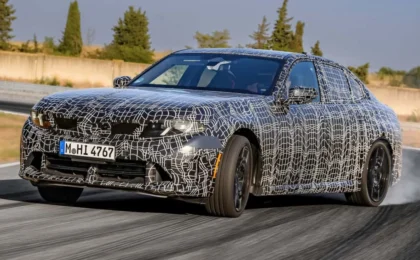
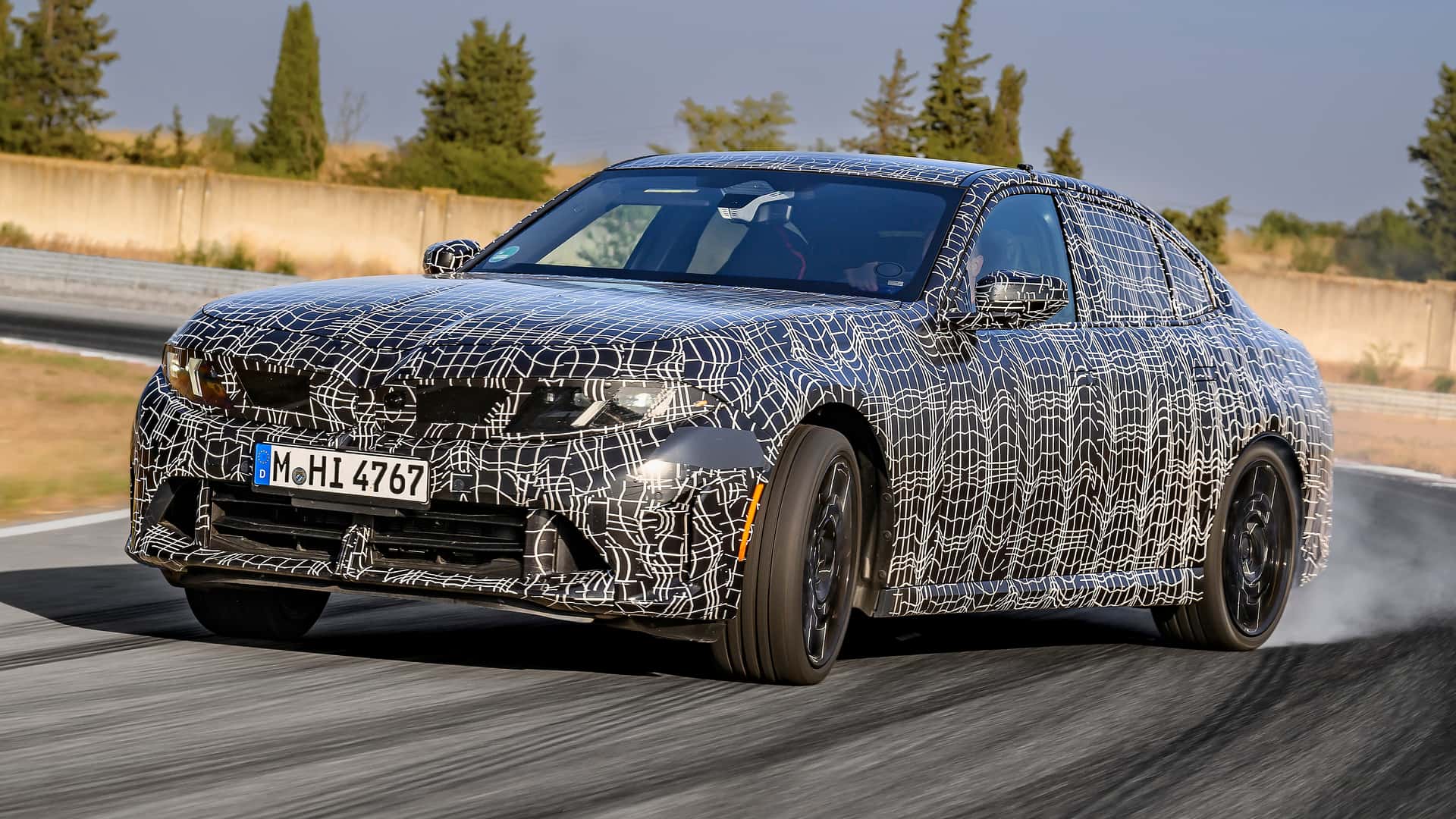
The development of the next-generation 3 Series has been a complex balancing act. Following the success of the G20 generation, BMW engineers began testing prototypes as early as 2024. By mid-2025, test mules began appearing on the Nürburgring, sporting heavy camouflage that hinted at a sharper, more aggressive front fascia inspired by the latest Neue Klasse design language.
The transition to production is scheduled for late 2025, with manufacturing shifting from the iconic Munich factory—which is being repurposed to serve exclusively as a production hub for the fully electric i3—to the Dingolfing plant. This represents a historic pivot, as the Munich facility has long been the spiritual home of the 3 Series. The move underscores BMW’s broader industrial strategy: separating production lines to cater to distinct customer bases while maintaining the high-quality engineering standards that the Dingolfing plant is renowned for.
Supporting Data: By the Numbers
The technical specifications of the M350 xDrive position it as a formidable contender in the compact sports sedan segment.
- Engine: 3.0-liter turbocharged inline-six with 48V mild-hybrid assistance.
- Total Output: 443 hp / 580 Nm (428 lb-ft).
- 0-62 mph (0-100 km/h) Sprint: 4.1 seconds.
- Top Speed: Electronically limited to 155 mph (250 km/h).
- Drivetrain: xDrive all-wheel drive, featuring a new, rear-biased "Drift Moment" software mode.
The integration of the "Drift Moment" is a critical addition. By allowing the driver to effectively disconnect the front axle and send power exclusively to the rear, BMW is addressing the primary criticism of all-wheel-drive performance cars: the loss of engagement. This feature, previously locked behind the high price of the M3, signals a democratization of driving fun within the BMW hierarchy.
The Digital Integration: A Cabin Transformed
While the platform (CLAR) remains distinct from the dedicated EV-only Neue Klasse architecture, the interior design will borrow heavily from the i3. The cabin will likely ditch the traditional cluttered dashboard for a minimalist, tech-forward environment. Central to this will be a massive 17.9-inch central touchscreen, which serves as the hub for vehicle settings, navigation, and entertainment.
Perhaps the most significant addition is the "Panoramic Vision" display—a projection system stretching the width of the windshield base. This acts as a heads-up display on steroids, offering critical vehicle telemetry and navigation cues directly in the driver’s line of sight. By unifying the aesthetic between the internal-combustion 3 Series and the electric i3, BMW aims to create a consistent brand experience, regardless of the powertrain under the floor.
Official Responses and Strategic Implications
In official briefings, BMW executives have emphasized that the 3 Series remains the "heart" of the company. Their strategy is one of "Power of Choice." By refusing to force a single propulsion method on their customers, BMW is hedging against market volatility.
"The internal combustion engine is not dead; it is simply being forced to become cleaner and smarter," says a lead BMW product strategist. The implication is clear: BMW believes there is a long-term future for the 3 Series among enthusiasts who appreciate the mechanical symphony of a six-cylinder engine, provided that the engine is integrated into a modern, hybridized, and digitally connected ecosystem.
This strategy carries significant implications for the market. By keeping the combustion 3 Series relevant, BMW maintains a loyal customer base that may not be ready to jump into a full-electric vehicle due to charging infrastructure concerns or a preference for the tactile experience of a traditional drivetrain. Simultaneously, the i3 handles the transition for those who prioritize sustainability and innovation.
The Broader Context: Why the M350 Matters
The M350 xDrive is more than just a car; it is a statement. In an automotive market that is rapidly trending toward homogenous, appliance-like electric crossovers, the M350 stands as a rebellious act. It retains the classic "three-box" sedan silhouette, the longitudinal engine layout, and the rear-wheel-drive bias that made the original E30 3 Series a legend.
By trickling down advanced performance technology—like the Drift Moment and mild-hybrid torque-filling—to the "M Lite" segment, BMW is creating a product that justifies its premium price tag. For the buyer who wants the performance of an M3 but requires the all-weather capability of xDrive and the comfort of a standard 3 Series, the M350 is the perfect middle ground.
Looking Toward 2028: The Future of the M3
While the M350 xDrive will serve as the performance flagship for the time being, the question on every enthusiast’s mind is the future of the full-fat M3. Current industry projections and whispers from Munich suggest that the next M3 will not arrive before 2028. There is significant speculation regarding whether that car will retain a combustion heart or pivot to a high-performance electric powertrain. Given the strides made with the M350’s hybrid system, it is highly probable that the next M3 will utilize some form of extreme electrification, perhaps even a plug-in hybrid setup that pushes horsepower figures into the stratosphere.
Conclusion: A Balancing Act
The upcoming BMW 3 Series is a testament to the brand’s ability to evolve. It successfully marries the visceral, mechanical satisfaction of a turbo-six engine with the cutting-edge software and electrification required to survive in the 2020s. By focusing on the M350 xDrive, BMW is catering to the "sweet spot" of the performance market—providing enough power to thrill, enough tech to impress, and enough traditional DNA to satisfy the purists.
As we move toward the late 2020s, the 3 Series will likely be remembered as the car that proved the internal combustion engine could coexist with the electric revolution. For now, the "Ultimate Driving Machine" remains firmly rooted in its past while keeping its eyes fixed on the horizon. Whether this strategy will hold in the long term remains to be seen, but for the next few years, the road looks very promising for those who still love to drive.