At 53 years old, I reached a realization that had been simmering for decades: I had spent my entire adult life treating car ownership as a series of calculated sacrifices. I bought what was practical, what was affordable, or what was "sensible" for my stage in life. But for the first time, I decided to bypass the spreadsheets and the compromises, opting instead for a purchase driven by pure, unadulterated joy. This is the story of how a routine oil change turned into a masterclass in market timing and personal fulfillment.
The "Maxi Cooper" Regret: A Case Study in Compromise
In July 2020, at the height of the global pandemic, I found myself in the market for a replacement for my trusty 2004 Mini Cooper. I should have stuck with what I knew. Instead, I allowed myself to be talked into a 2019 Mini Countryman SE All4. I paid $35,990 for it, convincing myself that a compact SUV was the "adult" choice.
I quickly dubbed it the "Maxi Cooper," and for the next 26 months, I lived with a quiet, persistent regret. It wasn’t a bad vehicle by traditional metrics, but it was a bad vehicle for me. I am, by nature and by preference, a "small-car guy." Every time I sat behind the wheel of that SUV, I felt disconnected from the road and out of sync with my own personality. I had prioritized utility over the tactile, spirited driving experience I actually craved.
Chronology of a Financial Pivot
The trajectory of my automotive life changed abruptly last month during a routine service appointment. While waiting for an oil change, a representative from the dealership approached me with an unexpected offer: they wanted to buy my Countryman back.
The used-car market in the United States has been, to put it mildly, volatile. According to data from the U.S. Federal Reserve, prices for used vehicles have surged 55% since July 2020. Even new car prices have climbed, though at a more moderate 18% clip.
Caught in this economic anomaly, I realized my "Maxi Cooper" was now an asset rather than a depreciating burden. The dealer offered me $33,000 for a car I had purchased 26 months prior. I turned to a friend, a former car salesman, for a sanity check. His advice was immediate: "It’s not just a good deal; it’s a miracle. It’s as if you leased that car for $115 a month. Take the offer before they change their mind."
The Search for the "Uncompromised" Vehicle
Once the decision to sell was made, I faced a blank slate. I made myself a solemn promise: for the first time, I would buy exactly what I wanted, without the usual baggage of forced sacrifice.
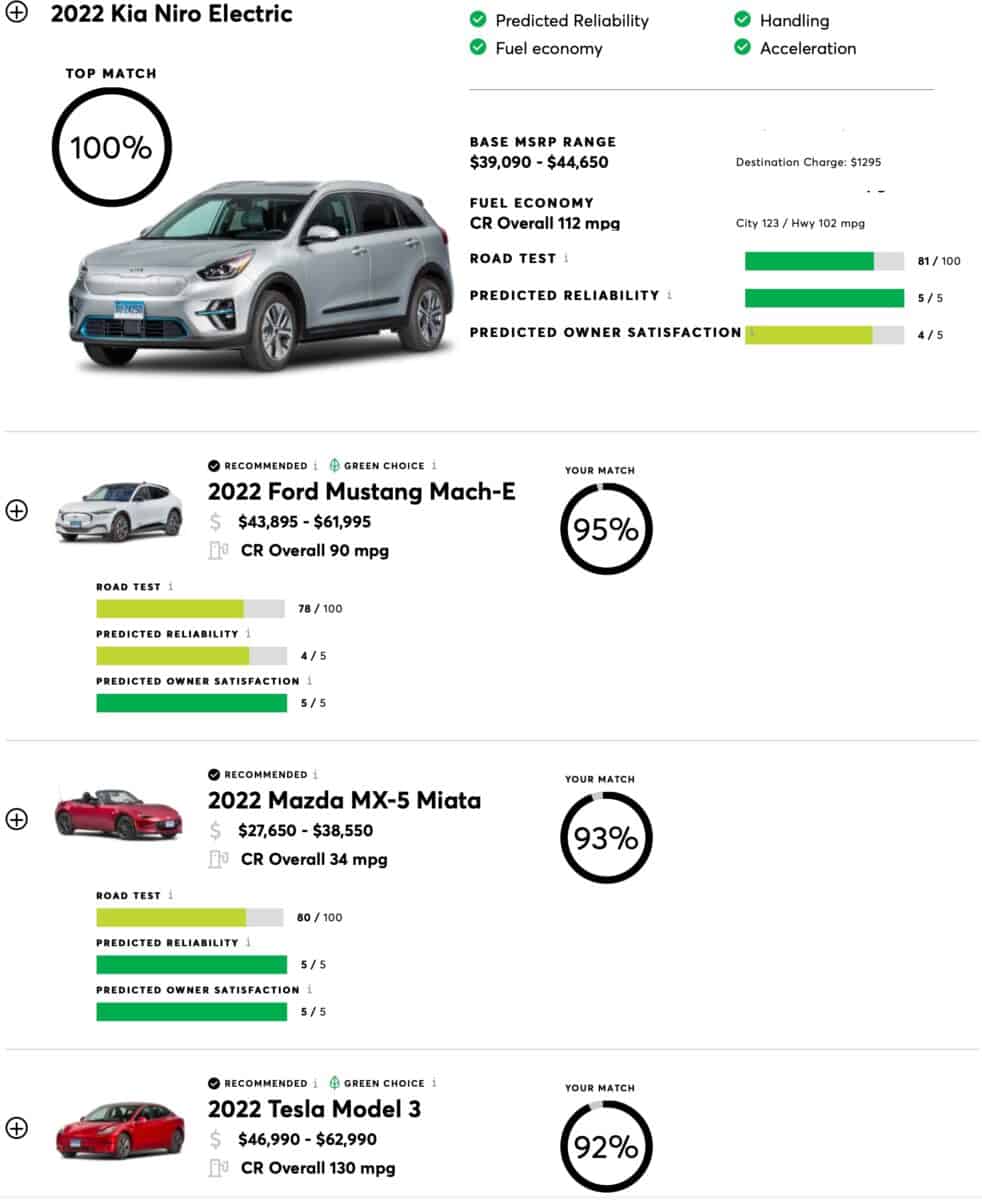
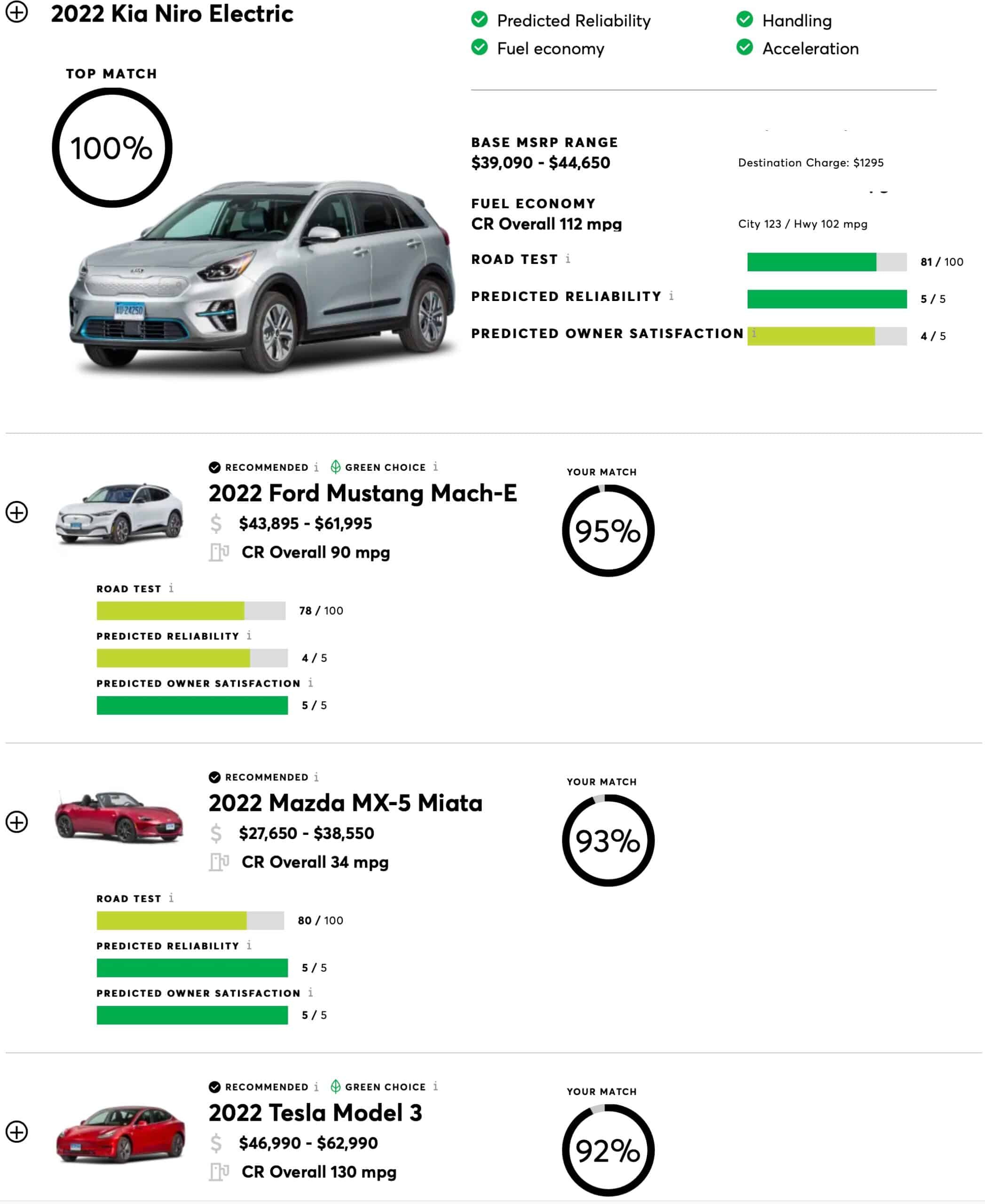
I began my research by defining what "the perfect car" actually meant to me. I wanted something agile, reliable, and fun. I leaned on the Consumer Reports car finder tool to narrow down the field. The algorithm suggested the Kia Niro Electric, the Ford Mustang Mach-E, the Mazda Miata, the Tesla Model 3, and the Hyundai Ioniq 5.
I systematically eliminated the candidates:
- Tesla: Too expensive, with questionable reliability.
- Kia and Hyundai: Lacked the top-tier owner satisfaction marks I was seeking.
- Mustang Mach-E: Despite the name, it is an SUV, and I was finished with the SUV segment.
That left the Mazda MX-5 Miata. It was the only car that checked every box. It echoed the spirit of my beloved 2004 Mini Cooper—nimble, intimate, and engaging—but with modern engineering and reliability.
Supporting Data and Industry Analysis
The skepticism surrounding the Miata usually centers on its practicality. Consumer Reports notes that the MX-5 is "completely impractical," seating only two with minimal cargo space and a noticeable amount of road noise. However, for my specific needs, these weren’t flaws—they were features.
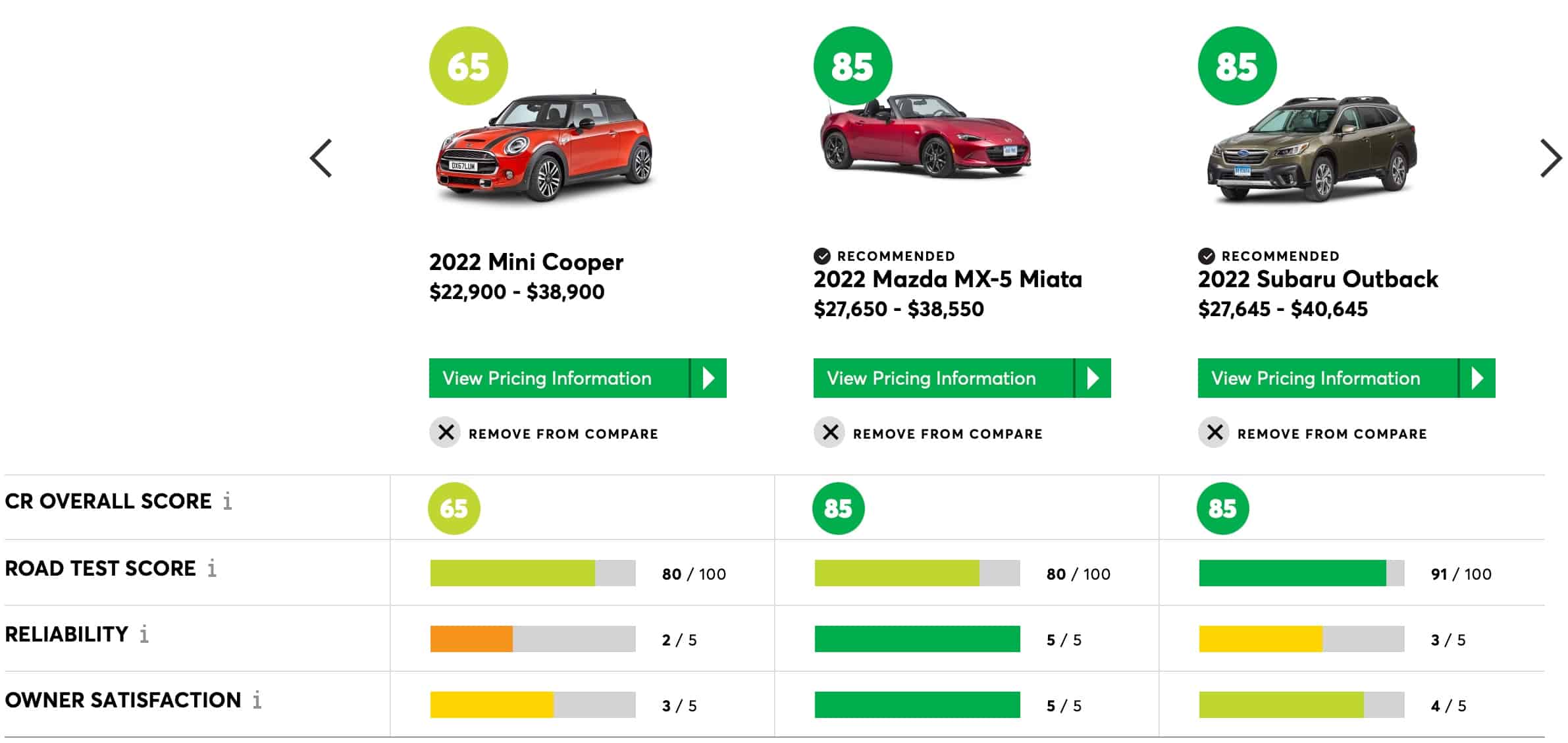
As one automotive reviewer put it: "There isn’t a better fun-per-dollar performance car on the market that delivers the Miata’s magic." The data supported my emotional inclination. When I compared the Miata against the Subaru Outback (a staple in my home state of Oregon) and the modern Mini Cooper, the Miata remained the clear winner in terms of pure driving satisfaction.
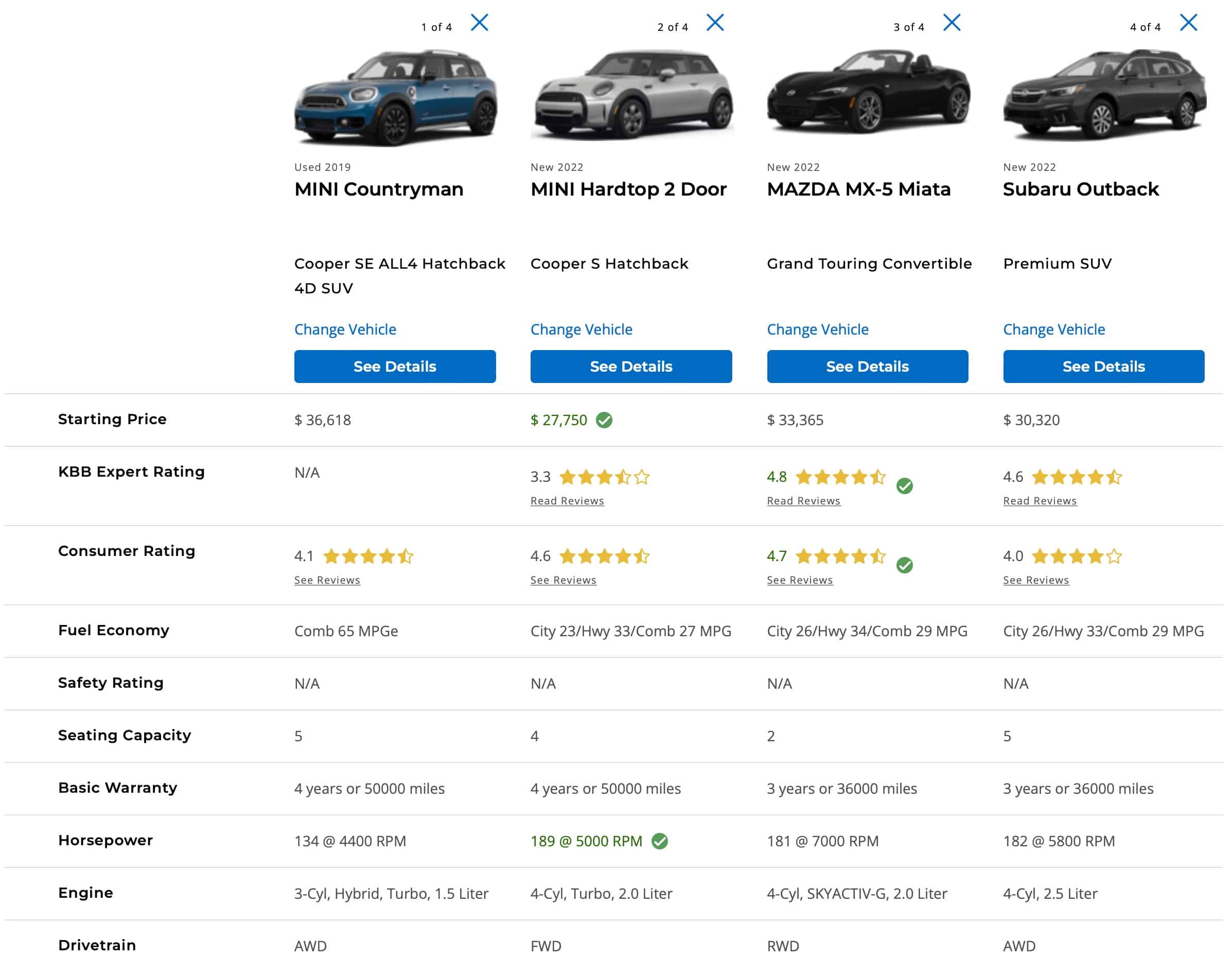
The financial logic was equally compelling. I was essentially trading a car I disliked plus $7,000 for a brand-new vehicle that would provide me with years of enjoyment. When I ran this "buy vs. keep" scenario by my inner circle, including friends like The Happy Philosopher, the consensus was unanimous: "Do it."
The Transaction: Negotiating the Future
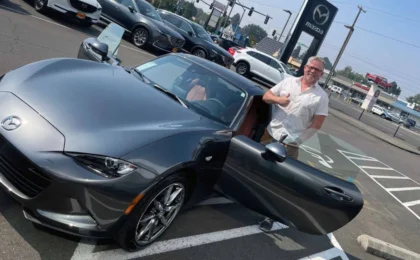
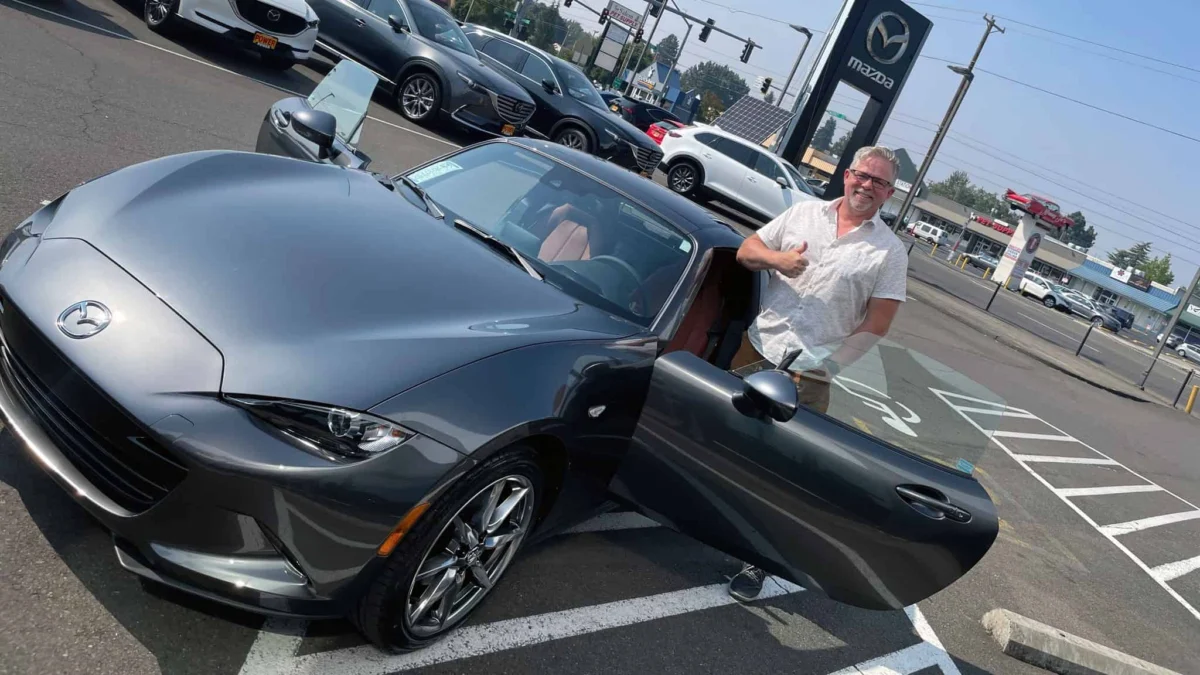
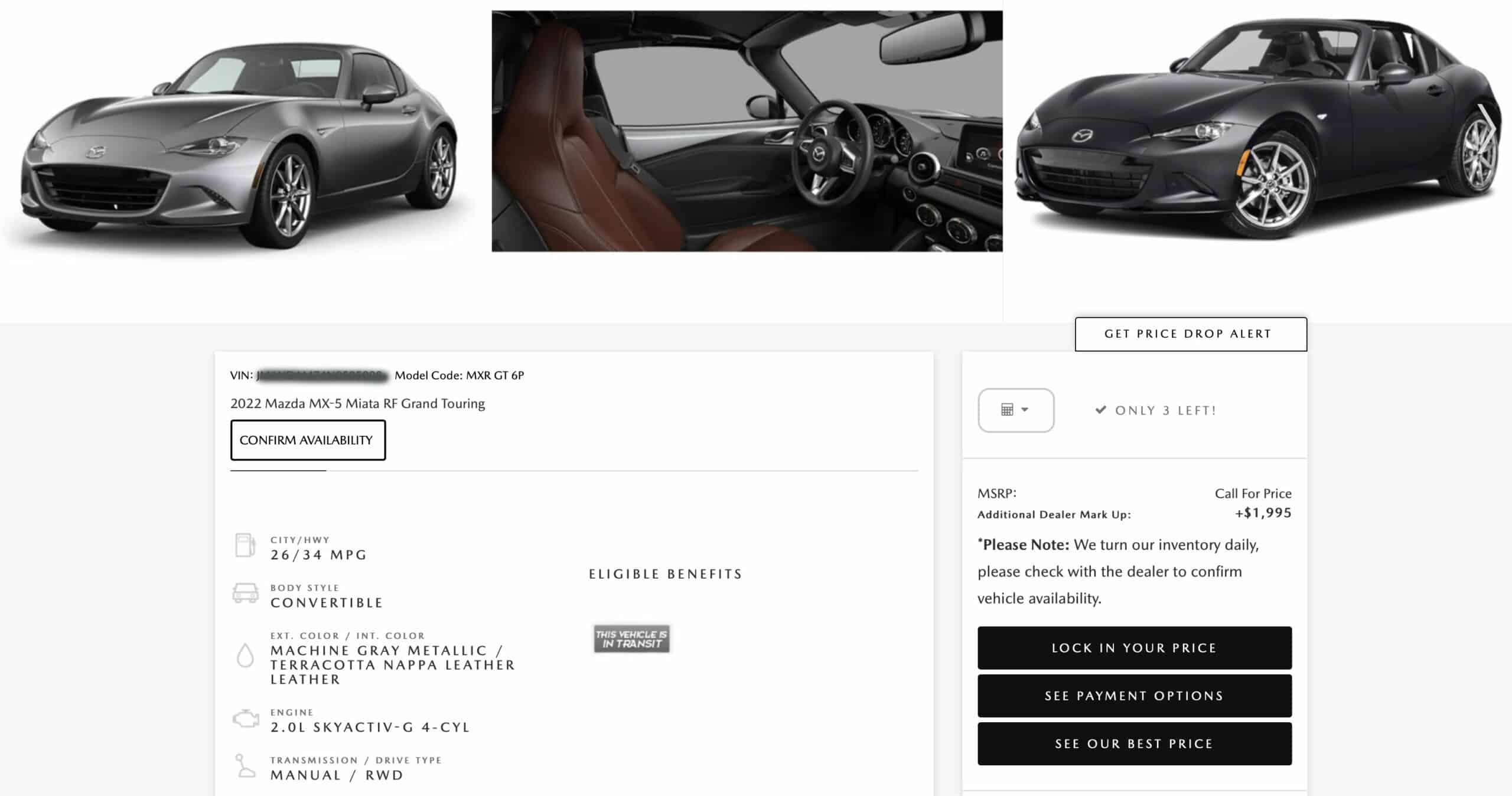
The actual purchase process was a lesson in firm boundaries. I drove to a Mazda dealership in Salem with the $33,000 offer for my trade-in in hand. The salesman initially tried to push me toward the cars currently on the lot, but I was immovable. I wanted a specific configuration—gray, manual transmission, hardtop.
When the dealership balked at my refusal to take an off-the-lot model, they attempted the classic "four-square" sales tactic. I declined, reiterating that I was happy to wait for the exact vehicle I wanted. We reached an agreement: I would pay the $39,245 asking price (which included a $1,995 market adjustment), and they would secure the car in transit.
Implications: A Lesson in "Rich Living"
When the car finally arrived, it had only five miles on the odometer. As I drove it home through the winding, scenic roads of Oregon, the top down and the wind in my hair, I felt a profound sense of clarity.
Growing up with limited means often leaves a psychological scar—a lingering guilt associated with spending money on "nice things." But I have come to view this purchase through the lens of Ramit Sethi’s philosophy: money should be a tool to build a "rich life."
For some, a rich life means early retirement; for others, it means travel or real estate. For me, at this stage in my life, it meant reclaiming the joy of the open road. I didn’t just buy a car; I bought back a piece of my own happiness. By refusing to compromise, I’ve learned that sometimes the most "irrational" purchase is the most logical investment you can make in your own well-being. The Miata isn’t just transportation—it is a daily reminder that we are allowed to enjoy the fruits of our labor, provided we do so with eyes wide open and a clear understanding of our own values.