PLYMOUTH, N.H. — As the 2026 midterm election cycle reaches a critical juncture, New Hampshire has swiftly transformed into one of the most fiercely contested battlegrounds for control of the United States Senate.
For over a year, four-term Democratic Congressman Chris Pappas maintained a clear path toward securing his party’s nomination to succeed retiring Democratic Senator Jeanne Shaheen. Long considered a slight favorite in a state that has not elected a Republican to the U.S. Senate since 2010, Pappas now faces a rapidly shifting political landscape.
A combination of tightening primary polling, nonpartisan rating downgrades, and a high-profile Republican comeback attempt has thrown the race wide open. On Thursday, Inside Elections with Nathan L. Gonzales officially reclassified the New Hampshire Senate contest from "Tilt Democratic" to "Toss-up."
The shift underscores the fragile nature of the Democratic Party’s defensive wall in the Senate. While national strategists have attempted to expand the map into red-leaning territory like Iowa and Ohio, holding core seats in states like New Hampshire remains essential to securing a working majority.
Main Facts: High-Stakes Battle in the Granite State
The centerpiece of the 2026 New Hampshire Senate election is an open-seat battle triggered by the upcoming retirement of Sen. Jeanne Shaheen, a pillar of Granite State politics for decades. The state’s political trajectory holds major ramifications for the balance of power in Washington.
                    NEW HAMPSHIRE SENATE RACE AT A GLANCE
┌─────────────────────────────────────────────────────────────────────────┐
│ SEAT STATUS: Open (Retiring: Sen. Jeanne Shaheen - D)                   │
│ RACE RATING: Shifted from "Tilt Democratic" to "TOSS-UP"               │
├─────────────────────────────────────────────────────────────────────────┤
│ DEMOCRATIC PRIMARY CONTENDERS                                           │
│  • Rep. Chris Pappas (4-term Congressman, NH-01)                        │
│  • Karishma Manzur (Biochemist, Political Newcomer)                     │
├─────────────────────────────────────────────────────────────────────────┤
│ REPUBLICAN PRIMARY CONTENDERS                                           │
│  • John E. Sununu (Former U.S. Senator & Representative)               │
│  • Scott P. Brown (Former U.S. Senator from Massachusetts)              │
└─────────────────────────────────────────────────────────────────────────┘
The Key Contenders
- Rep. Chris Pappas (D): Representing New Hampshire’s 1st Congressional District since 2018, Pappas is the establishment favorite. Backed by state and national party leaders, he holds significant financial resources. If elected, Pappas would make history as the first openly gay male member of the U.S. Senate.
- Karishma Manzur (D): A biochemist and political newcomer running a grassroots campaign from the left. Manzur is tapping into progressive dissatisfaction with establishment politics and national Democratic strategy.
- John E. Sununu (R): The Republican front-runner bringing extensive name recognition and political legacy. Sununu previously served three terms in the U.S. House of Representatives and one term in the U.S. Senate before losing his seat to Shaheen in 2008.
- Scott P. Brown (R): The former U.S. Senator from Massachusetts who previously relocated to New Hampshire and is challenging Sununu for the Republican nomination.
Chronology of Events: From Announcement to Primary Eve
The path to New Hampshire’s pivotal primary day has been marked by key strategic moves, major polling shifts, and evolving national dynamics over the past 17 months.
2025
 ├── April 03: Rep. Chris Pappas officially enters the U.S. Senate race.
 └── October 22: Former Sen. John E. Sununu launches his comeback bid.

2026
 ├── June: UNH Survey Center poll shows Pappas holding a commanding 24-point
 │         lead over progressive challenger Karishma Manzur.
 ├── July 29: Federal campaign finance filing deadline reveals Pappas holding
 │           a $15.4M to $415K fundraising lead over Manzur.
 ├── Late August: UNH poll delivers a shock, showing Manzur closing the primary
 │                gap to 13 points (47% to 34%), and showing Sununu leading
 │                Pappas in a head-to-head matchup (45% to 43%).
 ├── August 28: Pappas campaign counters by releasing internal polling to Semafor,
 │              showing him leading Manzur 71% to 15%.
 └── September 03: Inside Elections downgrades the race to "Toss-up"; NRSC
                   touts general election momentum for Sununu.
April 2025 – October 2025: Race Formation
Following Senator Jeanne Shaheen’s retirement announcement, Rep. Chris Pappas formally launched his campaign in April 2025. For months, Pappas operated as the undisputed Democratic nominee-in-waiting.
The political landscape altered significantly in October 2025, when former Sen. John E. Sununu officially declared his candidacy for the Republican nomination, instantly providing the GOP with a high-profile contender backed by deep state-level connections.
June 2026 – July 2026: Establishment Dominance and Financial Build-Up
By June 2026, baseline polling from the University of New Hampshire (UNH) Survey Center showed Pappas maintaining a comfortable 24-point lead over his primary rival, biochemist Karishma Manzur.
Through the July 29 campaign finance filing period, Pappas built a formidable war chest, out-raising Manzur by more than 35-to-1 and consolidating endorsements from high-profile Democrats, including sitting New Hampshire Senators Shaheen and Maggie Hassan.
Late August 2026: Polling Volatility and Strategic Counter-Moves
Late August brought unexpected turbulence to the Democratic primary. A UNH Survey Center poll released late in the month indicated that Manzur had cut Pappas’s lead nearly in half, pulling to within 13 percentage points (47 percent to 34 percent). Furthermore, the same poll showed Sununu edging ahead of Pappas in a potential general election matchup by two points.
             UNH POLL TRENDS: DEMOCRATIC PRIMARY (2026)
        ┌─────────────────────────────────────────────────┐
  June  │ Pappas: 47% + [24-point lead]                   │
        ├─────────────────────────────────────────────────┤
  Late  │ Pappas: 47%                                     │
  Aug   │ Manzur: 34%  [Gap narrowed to 13 points]        │
        └─────────────────────────────────────────────────┘
In response to the UNH findings, the Pappas campaign leaked internal polling data to Semafor on August 28, asserting a 71 percent to 15 percent lead over Manzur to reassure donors and party leaders.
Early September 2026: Downgrade to "Toss-Up"
On the eve of the primary elections, Inside Elections shifted the race’s official rating from "Tilt Democratic" to "Toss-up." Citing narrow general election polling and down-ballot dynamics tied to the state’s top-of-the-ticket gubernatorial race, political analysts warned that Democrats could no longer treat New Hampshire as a safe foundation for their Senate majority strategy.
Supporting Data: Financial Disparities and Polling Dynamics
Despite recent primary polling convergence, the financial and structural metrics of the Democratic primary present a study in contrasts.
Campaign Finance Disparities
Data filed with the Federal Election Commission (FEC) through July 29, 2026, demonstrates a massive gap in campaign resources between the Democratic front-runner and his challenger.
                    CAMPAIGN FINANCE COMPARISON
┌───────────────────┬───────────────────────┬───────────────────────┐
│ Metric            │ Chris Pappas (D)      │ Karishma Manzur (D)   │
├───────────────────┼───────────────────────┼───────────────────────┤
│ Total Raised      │ $15,400,000           │ $415,000              │
│ Cash on Hand (CoH)│ $4,300,000            │ $104,000              │
│ Institutional Support│ Federal/State Establishment │ Grassroots / Local Progressive │
└───────────────────┴───────────────────────┴───────────────────────┘
Pappas entered August with $4.3 million in liquid cash reserves, allowing him to launch statewide advertising buys targeting both primary voters and general election audiences. By contrast, Manzur entered the final stretch of the primary with $104,000 on hand, relying largely on grassroots organizing and earned media.
General Election Matchup Data
The late-August UNH Survey Center poll highlights a highly competitive electorate heading into the general election:
- John E. Sununu (R): 45%
- Chris Pappas (D): 43%
- Other Candidates: 5%
- Undecided Voters: 7%
Note: The 2-point lead for Sununu falls within the poll’s margin of error, rendering the general election matchup a statistical tie.
                 GENERAL ELECTION PREFERENCE (LATE AUG POLL)
    ┌─────────────────────────────────────────────────────────────┐
    │ Sununu (R)  : [45%]                                         │
    │ Pappas (D)  : [43%]                                         │
    │ Other       : [5%]                                          │
    │ Undecided   : [7%]                                          │
    └─────────────────────────────────────────────────────────────┘
Legislative Voting Patterns and District Background
Pappas’s electoral resilience has historically depended on his performance in New Hampshire’s 1st Congressional District, a perennial swing seat covering the eastern portion of the state. Prior to Pappas’s first victory in 2018, the 1st District regularly flipped between Democratic and Republican representation.
CQ Roll Call’s Vote Studies show that while Pappas has maintained alignment with mainstream Democratic policies throughout his four terms, his voting record shifted slightly toward the center in 2024 and 2025 compared to his initial years in Congress.
During his House career, Pappas faced significant Republican challenges, notably defeating Karoline Leavitt—who later served as White House press secretary—in the 2022 midterm elections.

Official Responses and Statements
Key stakeholders from across the political spectrum have addressed the tightening margins and changing dynamics of the race.
The Pappas Campaign
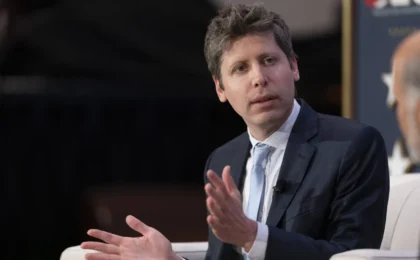
Speaking from Plymouth, N.H., Rep. Chris Pappas emphasized the broader strategic imperative of retaining the New Hampshire Senate seat to safeguard national party goals.
"It’s a building block that Democrats can’t afford to toss aside," Pappas said. "If we can’t hold the Senate seat, then the math just doesn’t work in other states."
Addressing the challenge of confronting a high-profile Republican opponent in November, Pappas leaned into his competitive election record in the 1st Congressional District:
"More than anything, Democrats want to win, and they want checks and balances on this administration, and we can deliver that by winning this Senate seat… Voters will want change in Washington. You’re not going to get that with John Sununu, but that’s something that is important for my
candidacy."
The Manzur Campaign
Challenger Karishma Manzur framed her candidacy as a rejection of institutional party norms and big-money politics, drawing on dissatisfaction following recent national election cycles.
"The money in politics is a root cause of the problem," Manzur noted, arguing that the national Democratic establishment has failed to adapt its message to working-class voters following Donald Trump’s presidential victory two years prior.
National Republican Organizations
Republicans have seized on the tightening polls as evidence that Pappas is vulnerable in a general election setting. Samantha Cantrell, a spokeswoman for the National Republican Senatorial Committee (NRSC), issued a statement celebrating recent survey data:
"Poll after poll shows that Granite Staters are fed up with Party Line Pappas being a rubber stamp for Democrats’ radical agenda and they are ready to elect John Sununu in November."
Independent Analysts
Political observers point out that even an unsuccessful primary challenge can create narrative vulnerabilities for a general election candidate. Andrew Smith, director of the UNH Survey Center, noted that GOP strategists could leverage Manzur’s late rise to frame Pappas as tied to the progressive wing of his party:
"Even though Pappas hasn’t been identified with [the far left] in the past, appearance is more important than reality. That’s a weakness that I think I would see for Pappas, and it’s almost out of your control."
Analysis published by Inside Elections also highlighted the political tailwinds benefiting Sununu at the state level:
"A strong performance by Gov. Kelly Ayotte at the top of the ticket may also be giving Sununu a boost."
Implications: Senate Majority Math and Political Dynamics
The shift of New Hampshire’s Senate contest into the "Toss-up" column introduces complex variables for both parties as they navigate the national battle for Senate control.
                   NATIONAL SENATE STRATEGY IMPLICATIONS
┌────────────────────────────────────────────────────────────────────────┐
│ DEMOCRATIC DEFENSIVE MANDATE                                           │
│  • Holding New Hampshire is non-negotiable for majority math.          │
│  • Expanding into red states (IA, OH) fails if core seats flip blue->red.│
├────────────────────────────────────────────────────────────────────────┤
│ REPUBLICAN OFFENSIVE OPPORTUNITY                                       │
│  • NH represents a top-tier pickup opportunity in a limited map.       │
│  • Sununu family name recognition provides instant structural weight. │
│  • Top-of-ticket alignment with popular GOP Gov. Kelly Ayotte.        │
└────────────────────────────────────────────────────────────────────────┘
The Math of the Senate Majority
For national Democrats, New Hampshire is a must-win state. The party’s strategy to expand the map into redder territory like Iowa and Ohio becomes mathematically obsolete if traditionally reliable blue or purple states like New Hampshire fall to the GOP. Losing Shaheen’s seat would severely limit Democrats’ pathways to securing or retaining a 50-plus-seat majority in the Senate.
The Dynasty Factor vs. Independent Voters
John E. Sununu’s candidacy reintroduces one of New Hampshire’s most prominent political families to statewide ballot lines:
- John H. Sununu (Father): Former New Hampshire Governor and Chief of Staff to President George H.W. Bush.
- Chris Sununu (Brother): Popular four-term Governor who chose not to seek reelection in 2024.
- John E. Sununu (Candidate): Former three-term U.S. Representative and one-term U.S. Senator.
While the Sununu name brings unmatched brand recognition and fundraising infrastructure, it also provides Democrats with a target to argue against political dynasties. In a state where undeclared (independent) voters make up the largest block of the electorate, appealing to voters seeking non-traditional leadership remains crucial.
Top-of-the-Ticket Synergies
The concurrent gubernatorial race presents a potential asset for Republicans. GOP Governor Kelly Ayotte’s campaign at the top of the New Hampshire ballot could generate strong Republican turnout that benefits Sununu down-ballot.
Conversely, Democrats are counting on Pappas’s historic voter-turnout network in the 1st Congressional District, alongside national progressive mobilization, to counter top-of-the-ticket GOP momentum.
As primary voters head to the polls on Tuesday, the outcome will set the stage for one of the nation’s most closely watched, highest-stakes general election battles of the 2026 midterms.