Washington D.C. — As the nation approaches a monumental milestone – the 250th anniversary of the adoption of the Declaration of Independence – this year’s Fourth of July celebrations hold an amplified significance. More than just a federal holiday marked by fireworks and parades, it is a profound opportunity for collective reflection on two and a half centuries of American self-governance, struggle, and evolution. Roll Call delves into its extensive archives to present a vibrant photographic retrospective of Independence Day observances, capturing the diverse spirit of patriotism both within the corridors of power in Washington D.C. and in communities far beyond the Beltway.
From the grand spectacle of the National Mall to the intimate charm of small-town parades, these images chronicle the enduring traditions, evolving expressions, and unwavering commitment to the ideals enshrined on July 4, 1776. They serve as a poignant reminder of the myriad ways Americans choose to commemorate their nation’s birth, highlighting a rich tapestry woven from shared history and individual experience.
Main Facts: The Enduring Spirit of the Fourth
Independence Day, celebrated annually on July 4th, commemorates the momentous adoption of the Declaration of Independence by the Continental Congress in 1776, marking the formal break with Great Britain and the birth of the United States. For 250 years, this day has been a cornerstone of American identity, evolving from nascent colonial observances into a multifaceted national holiday. The celebrations captured in Roll Call’s archives vividly illustrate this evolution, showcasing a blend of traditional fanfare and contemporary expressions of patriotism.
This year, 2026, the Semiquincentennial offers a unique lens through which to view these past celebrations. It prompts a deeper examination of how Americans have historically understood and expressed their freedom, democracy, and national unity. The archived photographs reveal a consistent thread: a profound sense of community, a vibrant display of national colors, and an undeniable joy in the act of remembrance. Whether through the awe-inspiring fireworks over the nation’s capital or the grassroots enthusiasm of local parades, the essence of the Fourth remains a powerful unifying force.
A Chronology of Celebration: Moments Captured Through the Years
Roll Call’s photographers have crisscrossed the nation, capturing the diverse ways Americans have marked Independence Day. Each image tells a story, contributing to a larger narrative of a nation perpetually celebrating its founding principles.
2010: Small-Town Charm in Hockessin, Delaware
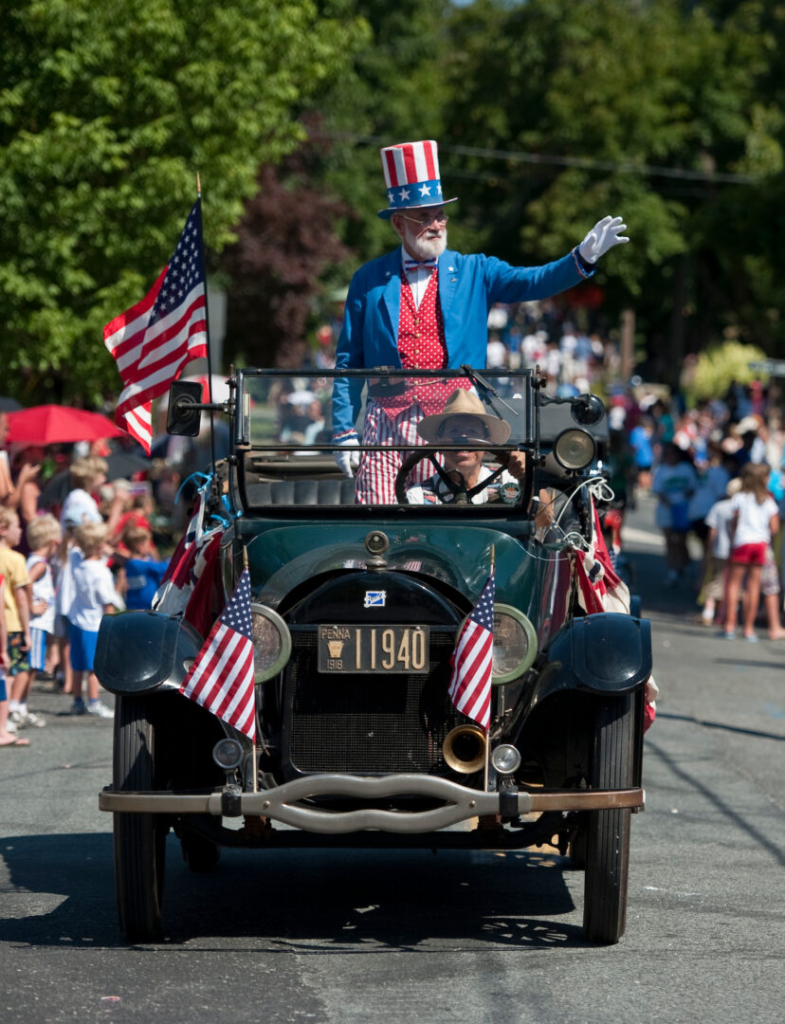
In 2010, the Fourth of July spirit was alive and well in Hockessin, Delaware, where a man dressed as the iconic Uncle Sam waved enthusiastically to the crowds lining the streets for the annual parade. This image perfectly encapsulates the quintessential small-town American celebration. These local parades, often featuring community groups, vintage cars, and costumed characters, serve as vital expressions of civic pride and continuity. They are where children first encounter the pageantry of patriotism, where neighbors gather, and where the sense of collective identity is reinforced through shared festivity. The Uncle Sam figure, a ubiquitous symbol of American nationalism, underscores the enduring visual vocabulary of the holiday, connecting generations through familiar iconography.
2014: Regional Flair in Virginia and West Virginia
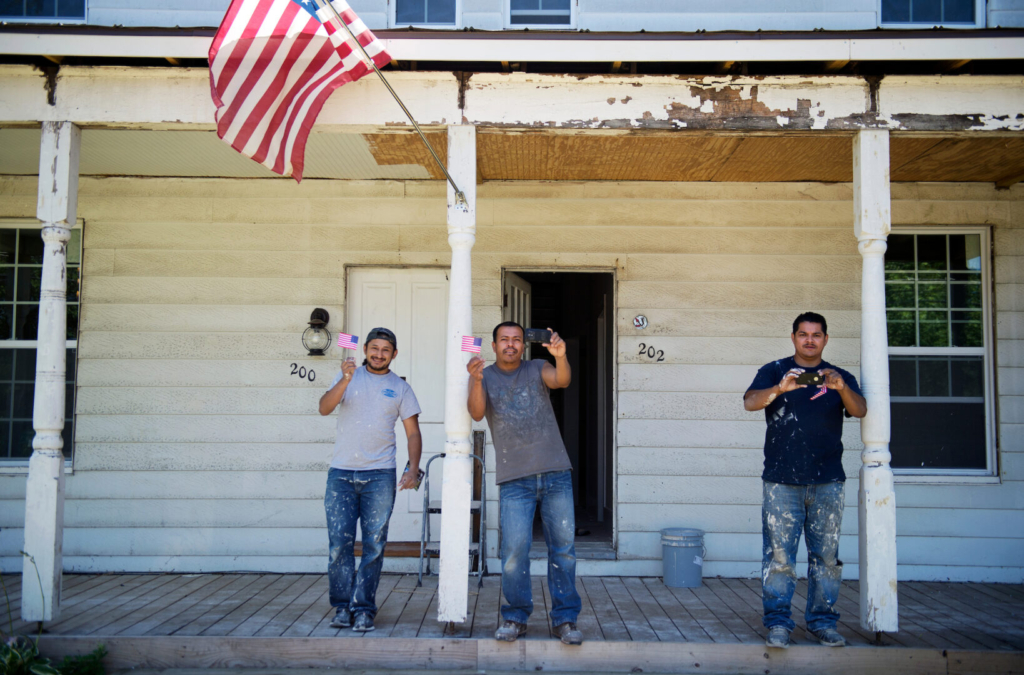
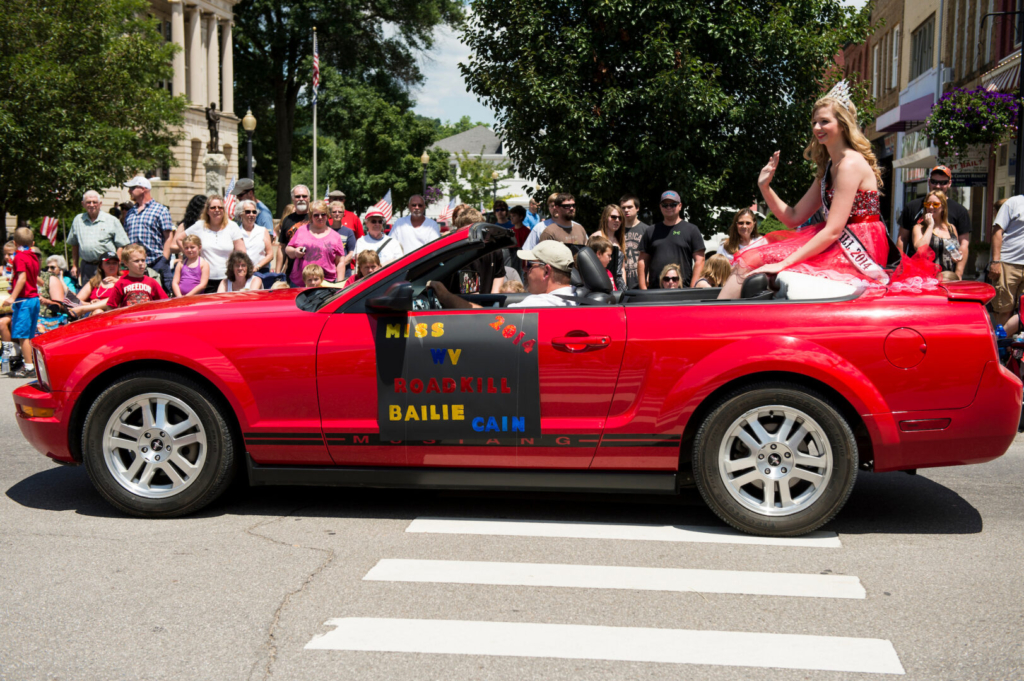
Four years later, the lens turned to more regional observances. In Purcellville, Virginia, attendees gathered to watch their local Fourth of July parade, a testament to the persistent tradition of community-led events. Meanwhile, in Ripley, West Virginia, a unique local flavor emerged with Bailie Cain, crowned "Miss West Virginia Roadkill," participating in their parade. While the title itself suggests a humorous, perhaps irreverent, local tradition, her presence highlights the distinct character and creative spirit that infuses celebrations outside of major metropolitan areas. These moments demonstrate that while the core message of Independence Day is universal, its expression is wonderfully localized, reflecting the unique humor, history, and personality of each community.
2015: The Spectacle of the National Mall
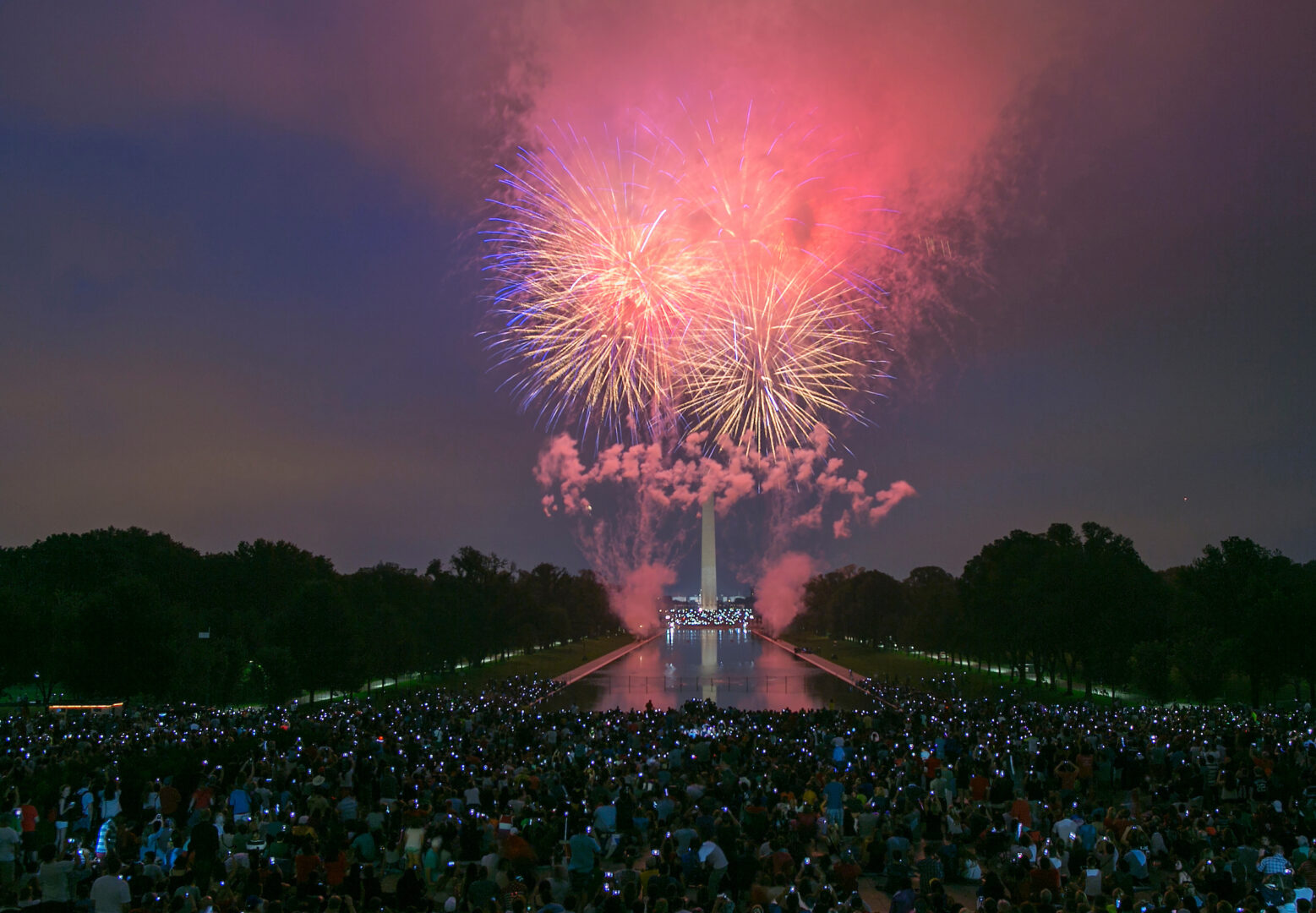
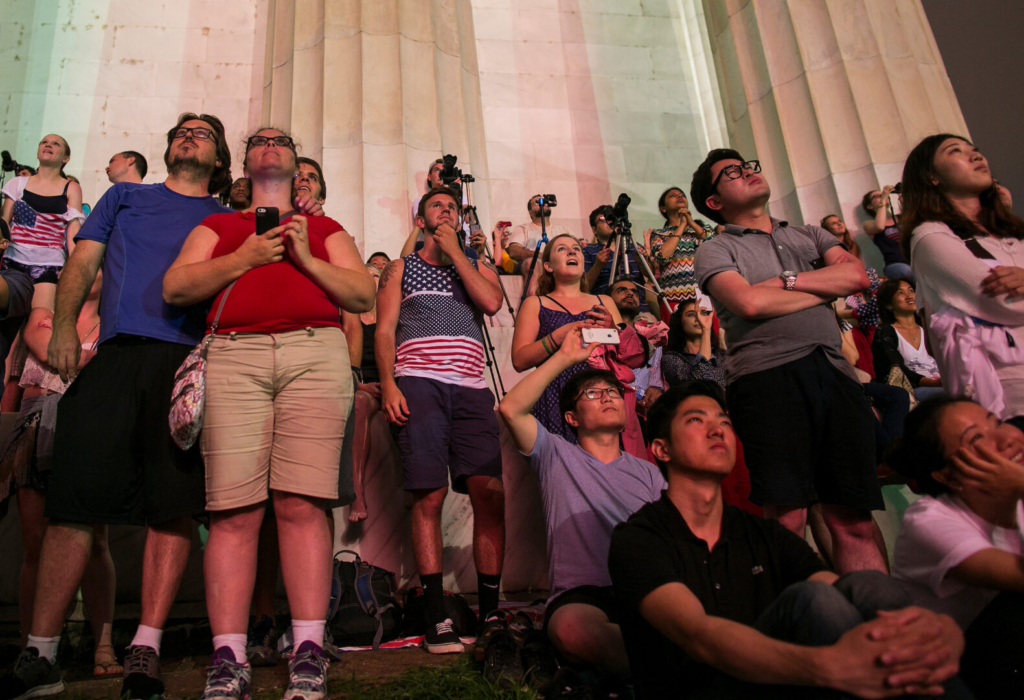
The grandeur of Washington D.C.’s celebrations is consistently a highlight. In 2015, the National Mall was, as ever, the epicenter of national jubilation. Spectators, a sea of faces gazing skyward, documented the dazzling fireworks display with their smartphones and cameras. This image is emblematic of the modern Fourth of July experience in the capital: a convergence of history and technology, where millions gather to witness a pyrotechnic marvel against the backdrop of national monuments like the Washington Monument and the Lincoln Memorial. The sheer scale of the D.C. celebration transforms it into a collective, almost spiritual, experience, drawing people from across the country to the symbolic heart of the nation. Later that year, another vantage point from the Lincoln Memorial steps offered a different perspective, showing crowds silhouetted against the explosive artistry in the sky, underscoring the enduring allure of this iconic location for national gatherings.
2018: Political Engagement and Youthful Patriotism
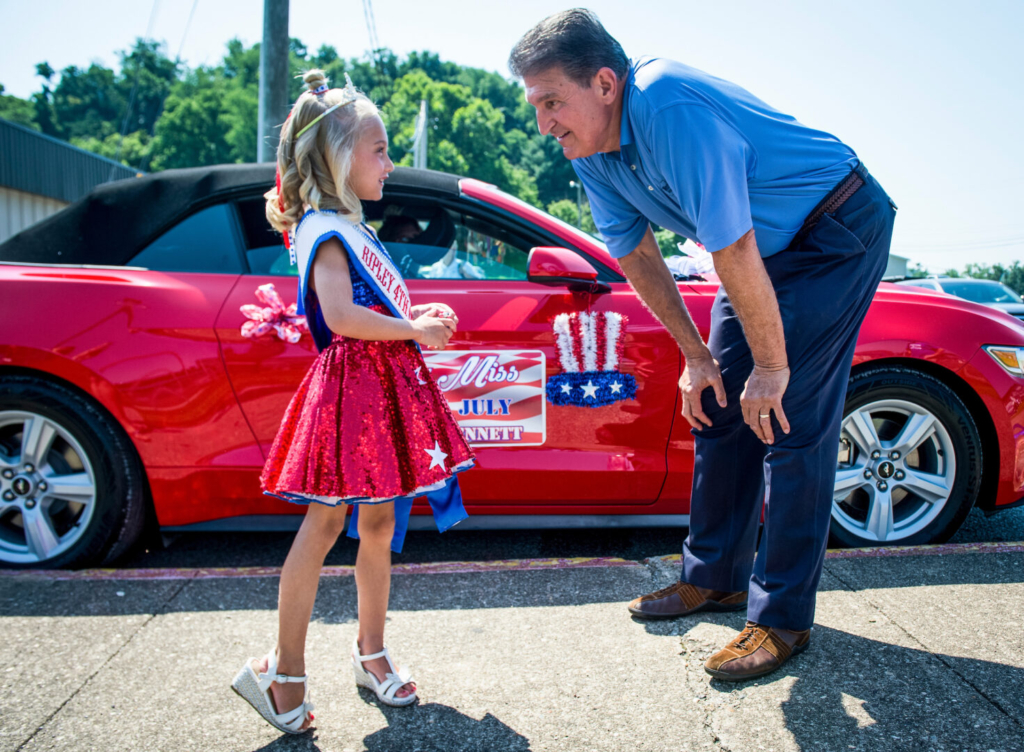
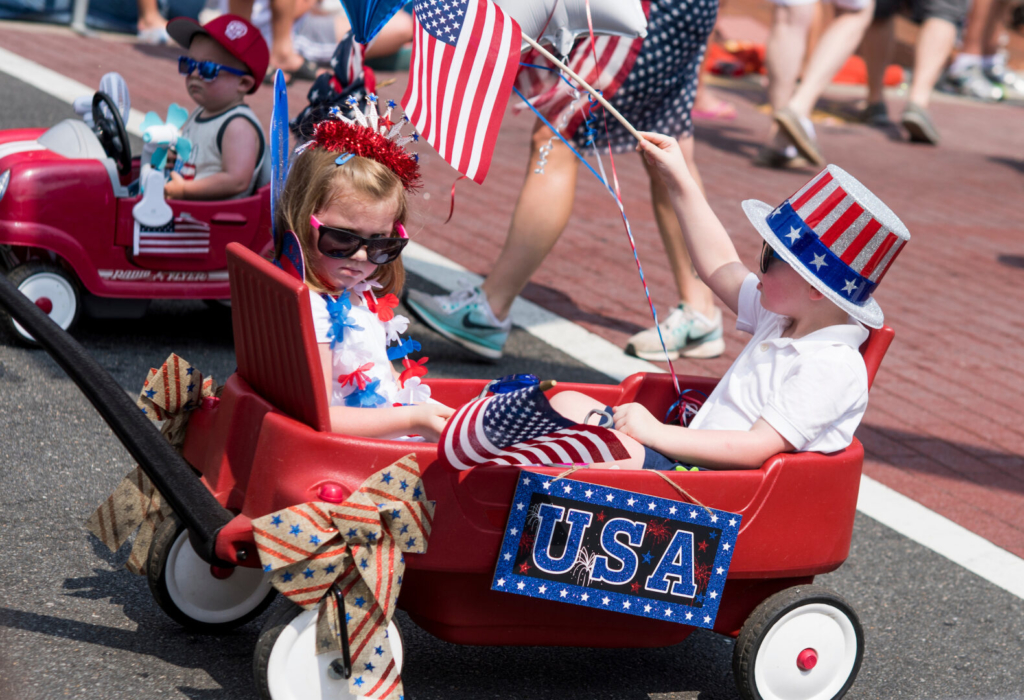
In 2018, the celebrations once again brought together politicians and constituents. Then-Senator Joe Manchin was captured engaging with "Little Miss 4th of July" in Ripley, West Virginia, illustrating the deep roots politicians often maintain within their home communities. This interaction humanizes the political figures, reminding the public that even national leaders participate in and value these local traditions. In Leesburg, Virginia, the focus was on the next generation, with children riding in decorated wagons during the Independence Day parade. This scene beautifully portrays the intergenerational transmission of patriotic values, where the holiday is a family affair, instilling a sense of national pride from an early age.
2019: Presidential "Salute" and Political Aspirations
The 2019 celebrations brought a distinct political flavor, particularly in Washington D.C. President Donald Trump’s "Salute to America" event at the Lincoln Memorial reimagined the traditional capital observance, incorporating a robust military display alongside his address. The image of people shielding themselves from rain during this event speaks to both the determination of attendees and the unique nature of that year’s presidential-led commemoration, which sparked debates about the role of the military in civilian celebrations. Far from D.C., in Boulder City, Nevada, Democratic primary candidates Sen. Cory Booker and Rep. Seth Moulton were seen before their Fourth of July parade appearance. This moment highlights how national holidays, especially in an election year, often become platforms for political engagement, allowing candidates to connect with voters in a less formal, more celebratory setting.
2020: A Resilient Spirit Amidst Global Challenges
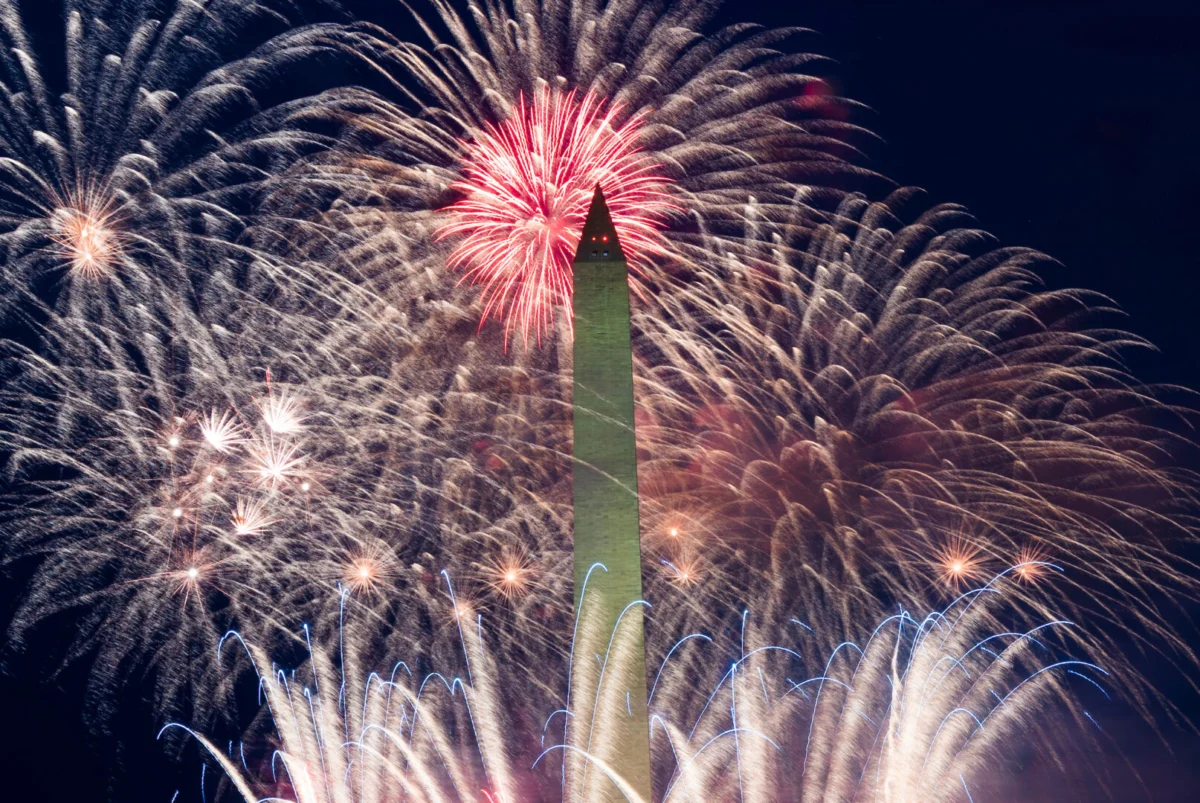
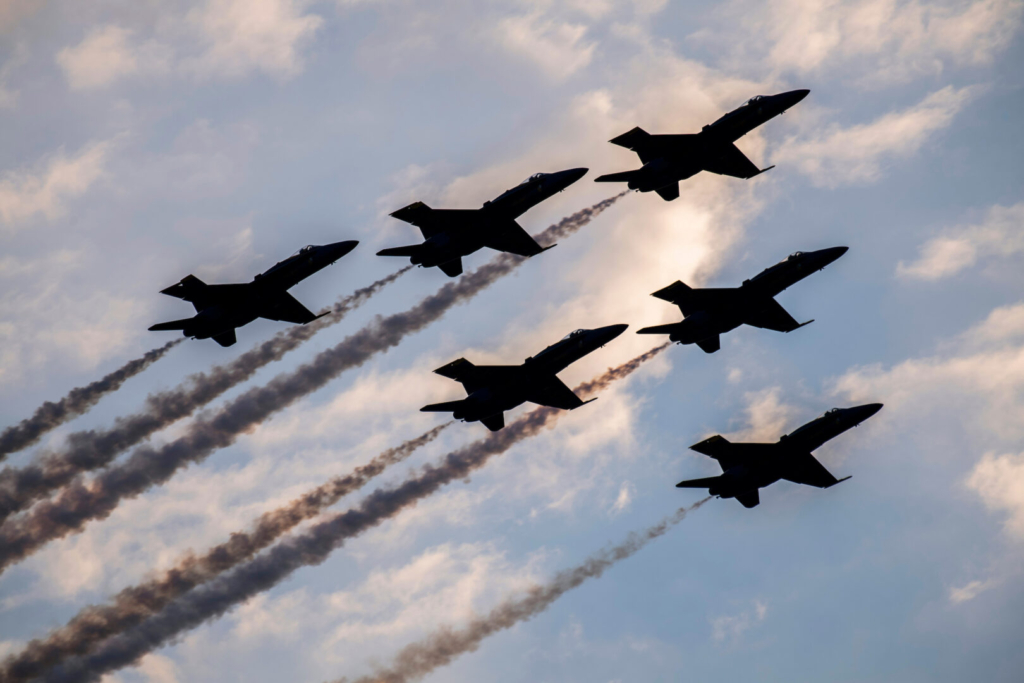
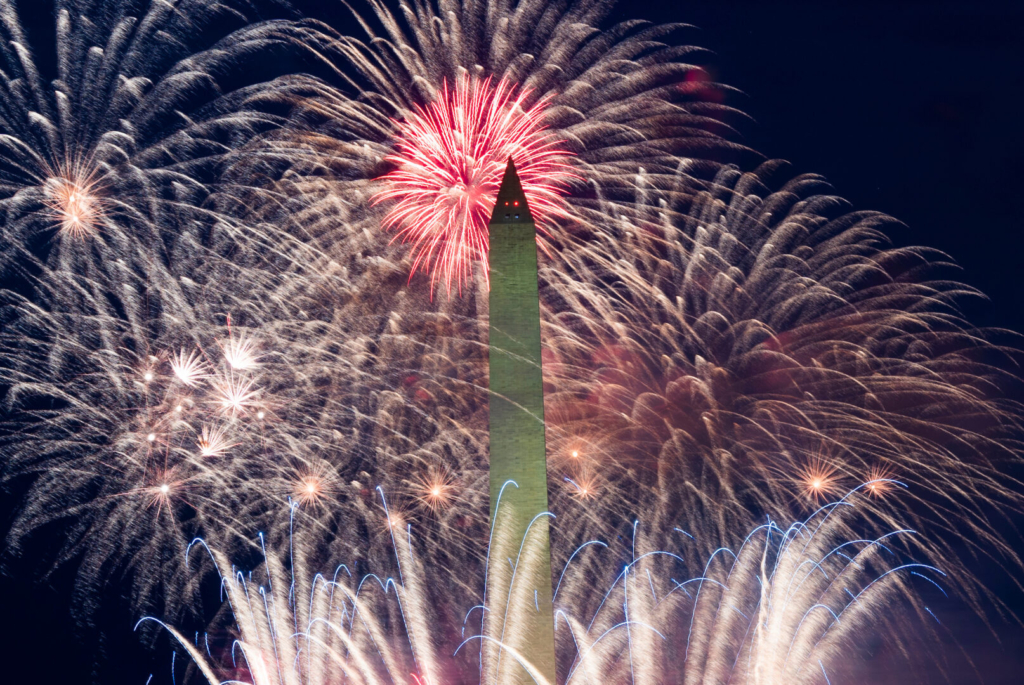
The year 2020 presented unprecedented challenges with the global COVID-19 pandemic. Despite restrictions and health concerns, the spirit of Independence Day persevered. The U.S. Navy Blue Angels performed a flyover above Washington D.C. as part of the "Salute to America" celebration, a powerful aerial display that offered a sense of continuity and national strength in uncertain times. The fireworks around the Washington Monument continued to light up the night sky, providing a beacon of hope and resilience. While crowd sizes and public gatherings were undoubtedly impacted, these images underscore the nation’s determination to mark its founding, adapting traditions to suit the circumstances while maintaining the holiday’s symbolic importance.
2021: Honoring History and Embracing New Citizens
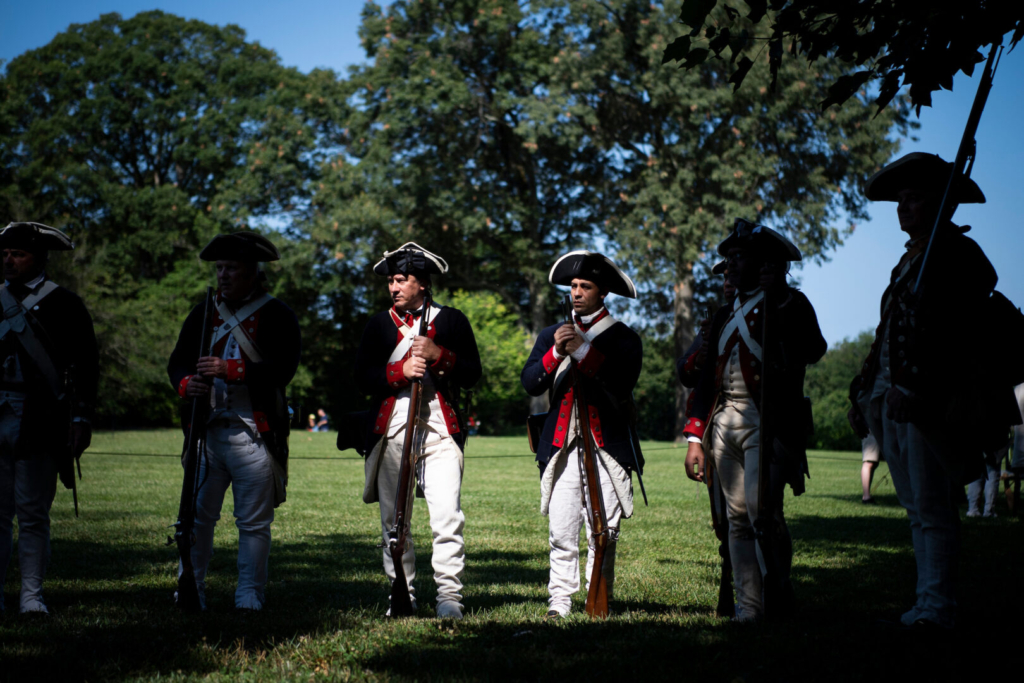
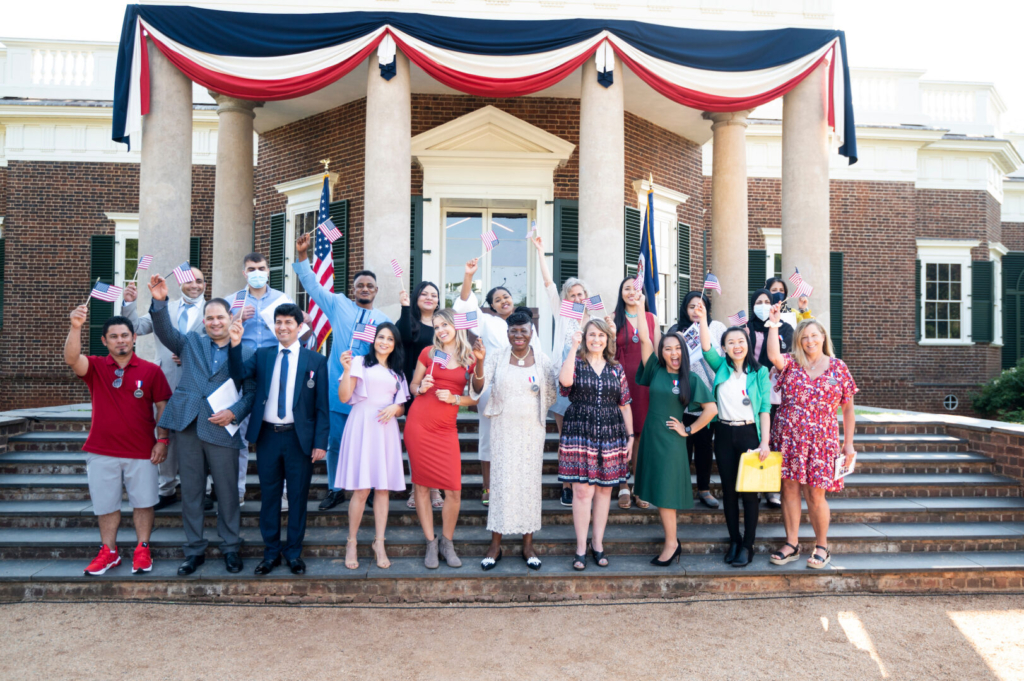
The 2021 observances leaned heavily into the historical foundations of the nation. At Mount Vernon, Virginia, Revolutionary War reenactors gathered for Independence Day festivities, offering a tangible connection to the events of 1776. This historical immersion is a crucial aspect of the holiday, reminding Americans of the sacrifices made for their freedoms. Even more profoundly, at Monticello in Charlottesville, Virginia, naturalization applicants posed before being sworn in as U.S. citizens. These ceremonies, often held on Independence Day, are immensely symbolic, welcoming new Americans into the national fold and reaffirming the ideals of liberty and opportunity that drew them to the country. They represent the continuous renewal of the American experiment, demonstrating that the nation’s founding principles are alive and attracting new adherents.
2022: Red, White, and Blue in Flagstaff, Arizona
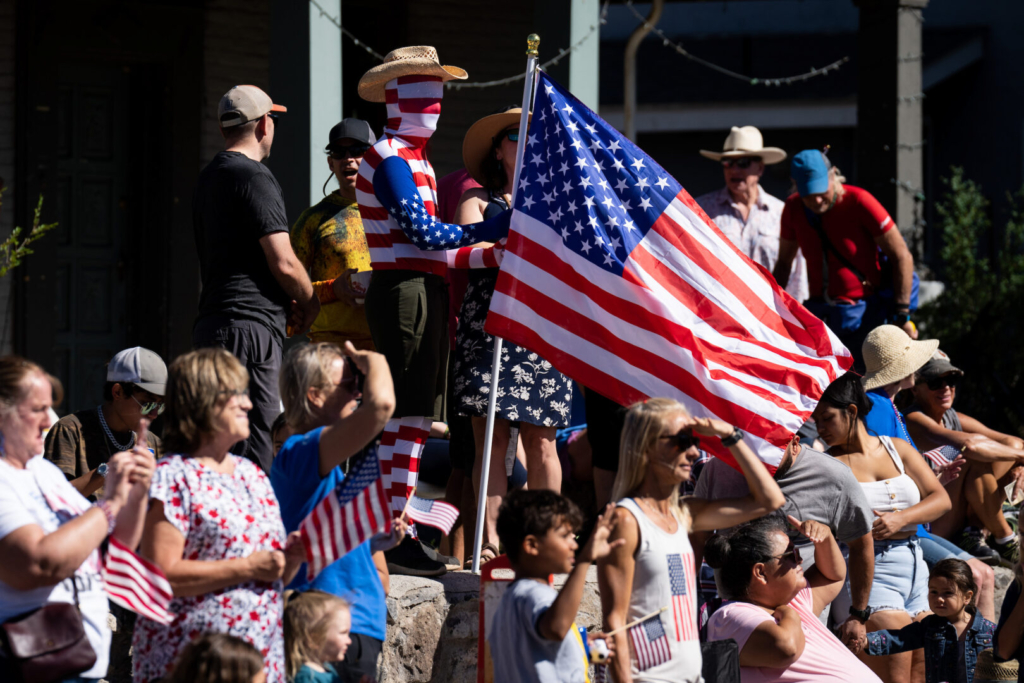
Moving westward, Flagstaff, Arizona, showcased the broad geographic reach of Independence Day fervor in 2022. People clad in vibrant red, white, and blue lined the route for the Fourth of July parade, a quintessential image of American patriotism. This scene emphasizes the visual language of the holiday – the colors of the flag worn with pride – and the unifying power of shared celebration, bringing together diverse communities across vast distances.
2023: Local Leadership in Takoma Park, Maryland
In 2023, children eagerly watched the Fourth of July parade in Takoma Park, Maryland, a vibrant suburb of D.C. The presence of Rep. Jamie Raskin, D-Md., serving as the grand marshal, further illustrated the intertwining of local community life with national politics. Raskin’s participation underscored how elected officials connect with their constituents on a deeply personal level during these civic holidays, reinforcing the democratic ideal that governance is rooted in the people.
Supporting Data: The Enduring Narrative of July 4th
The history of Fourth of July celebrations dates back to the very first anniversary of the Declaration’s adoption. In 1777, Philadelphia marked the occasion with 13-gun salutes, bonfires, bells, and fireworks – a tradition that has only grown in scale and sophistication. George Washington issued double rations of rum to his soldiers in 1778, and by the early 19th century, parades and patriotic orations became commonplace.
The images curated by Roll Call offer a visual timeline of how these traditions have been maintained and adapted. The constant presence of flags, the festive atmosphere of parades, and the grand finale of fireworks are not merely spectacles but rituals that bind generations. The National Mall, in particular, has become a sacred ground for national celebrations, its open expanse providing an unparalleled stage for hundreds of thousands to gather, united by a shared sense of purpose and pride. The monuments – the Lincoln Memorial, the Washington Monument, the Capitol – serve as silent, powerful witnesses to these annual reaffirmations of democratic ideals.
Moreover, the inclusion of naturalization ceremonies in recent years highlights a crucial, often overlooked, aspect of the Fourth of July: it is not just about historical remembrance but also about the continuous renewal and expansion of the American family. These ceremonies, often held at historically significant locations like Monticello, connect new citizens directly to the legacy of the Founding Fathers, imbuing their oath with profound historical weight.
Official Responses: Leadership in Celebration
Throughout the years, political leaders have played a significant role in shaping and participating in Independence Day celebrations. From presidential addresses to local politicians marching in parades, their presence often lends an official imprimatur to the festivities.
President Donald Trump’s "Salute to America" in 2019 was a notable departure from previous D.C. celebrations. By incorporating military hardware and delivering a formal speech from the steps of the Lincoln Memorial, President Trump aimed to project a message of national strength and pride, emphasizing the armed forces’ role in securing American liberties. While it generated debate regarding the militarization of a civilian holiday, it undeniably commanded attention and drew large crowds, showcasing a presidential vision of patriotism.
Conversely, the participation of figures like Sen. Joe Manchin, Sen. Cory Booker, Rep. Seth Moulton, and Rep. Jamie Raskin in local parades exemplifies a different, yet equally vital, form of official engagement. These moments allow elected officials to connect with their constituents on a personal level, reinforcing the idea that they are public servants deeply embedded in the communities they represent. Their presence transforms a general patriotic observance into a direct interaction between leaders and the led, a grassroots demonstration of democracy in action.
The consistent presence of government officials at naturalization ceremonies on the Fourth of July further underscores the government’s role in affirming the nation’s welcoming ethos. These events are not just administrative formalities; they are profoundly moving civic rituals where the state officially recognizes and embraces its newest members, celebrating the enduring appeal of the American dream.
Implications: Looking Towards the Semiquincentennial
As the United States stands on the cusp of its 250th anniversary, the retrospective offered by Roll Call’s archives carries significant implications. The images collectively paint a picture of a nation that, despite its internal divisions and external challenges, consistently finds common ground in commemorating its founding.
The upcoming Semiquincentennial provides an unparalleled opportunity to reflect on the Declaration of Independence not merely as a historical document but as a living statement of ideals. It compels a national conversation about the meaning of "all men are created equal," the pursuit of "life, liberty, and the pursuit of happiness," and the ongoing work required to form "a more perfect Union."
The diversity of celebrations shown – from urban fireworks to rural parades, from historical reenactments to naturalization ceremonies – highlights the multifaceted nature of American identity. It suggests that while patriotism can be expressed in myriad ways, there is a fundamental unity in the shared commitment to the nation’s foundational principles.
However, the implications also extend to the challenges inherent in such a monumental anniversary. How does a nation with such a complex and often contradictory history celebrate 250 years of independence? The answer lies in the very diversity depicted in these photographs: by embracing the full spectrum of American experience, by acknowledging both triumphs and failures, and by fostering inclusive forms of celebration that resonate with all citizens.
The Fourth of July, particularly in this historic year, is more than just a day off; it is an annual check-in on the American experiment. It is a moment to remember where we came from, to assess where we are, and to reaffirm our collective aspirations for the future. The images in Roll Call’s archives are not just nostalgic glimpses into the past; they are powerful reminders of the continuous, vibrant story of American self-determination, a story that will undoubtedly continue to unfold in spectacular fashion as the nation embarks on its next quarter-millennium.