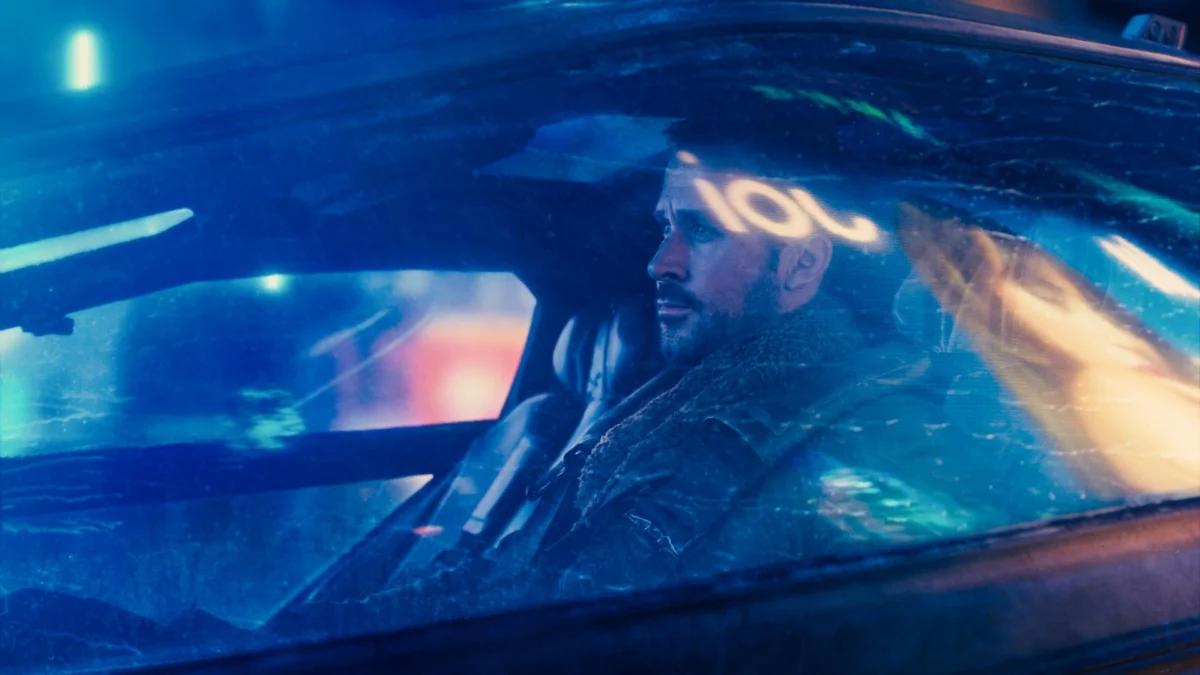
In the landscape of modern science fiction, few films have managed to capture the cultural zeitgeist quite like Denis Villeneuve’s Blade Runner 2049. Released in 2017 to critical acclaim but tempered box-office returns, the film has undergone a significant critical reappraisal. Now, nearly a decade after its initial release, the neon-drenched, melancholic epic has found a new lease on life. As of early September 2026, the film has climbed to the number one spot on HBO Max’s global movie charts, proving that true cinematic vision eventually finds its audience.
For Ryan Gosling, the film serves as a cornerstone of a unique career trajectory. The actor has carved out a distinct niche for himself, often portraying the "sad, handsome man in space"—a persona that has become his unofficial trademark. From the existential dread of Blade Runner 2049 to the isolation of First Man and the high-stakes survival of Project Hail Mary, Gosling has become the face of modern existential science fiction.
The Evolution of the Sci-Fi Anti-Hero
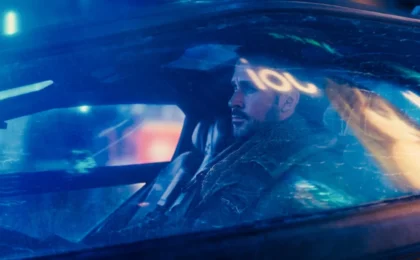
Ryan Gosling’s filmography suggests a deliberate gravitation toward roles that explore the fringes of human endurance in extraterrestrial or futuristic settings. Following his turn as Officer K, Gosling tackled the role of Neil Armstrong in Damien Chazelle’s First Man, a film that traded the neon lights of Los Angeles for the stark, claustrophobic reality of the lunar mission. He then transitioned into the lead role of Ryland Grace in Project Hail Mary, solidifying his reputation as the go-to actor for high-concept, emotionally taxing space narratives.
This trend is set to continue as Gosling prepares for his foray into a galaxy far, far away. With his upcoming starring role in the Shawn Levy-directed Star Wars: Starfighter, the actor is clearly comfortable in the cockpit of high-budget genre projects. However, it is his work in Blade Runner 2049 that remains the most haunting and arguably the most influential piece of his sci-fi repertoire.
A Chronology of a Legacy Sequel
To understand the current resurgence of Blade Runner 2049, one must first look at the legacy of the property itself. Ridley Scott’s original 1982 film, Blade Runner, set the standard for the cyberpunk aesthetic. It introduced audiences to a rainy, decaying Los Angeles, where "replicants"—genetically engineered beings indistinguishable from humans—are hunted by specialized police officers known as "blade runners."
1982: The Genesis
The original film, based loosely on Philip K. Dick’s Do Androids Dream of Electric Sheep?, introduced Harrison Ford as Rick Deckard. Despite a modest opening, the film achieved cult status over the subsequent decades, becoming a cornerstone of cinematic history for its exploration of memory, consciousness, and the definition of humanity.
2017: The Ambitious Return
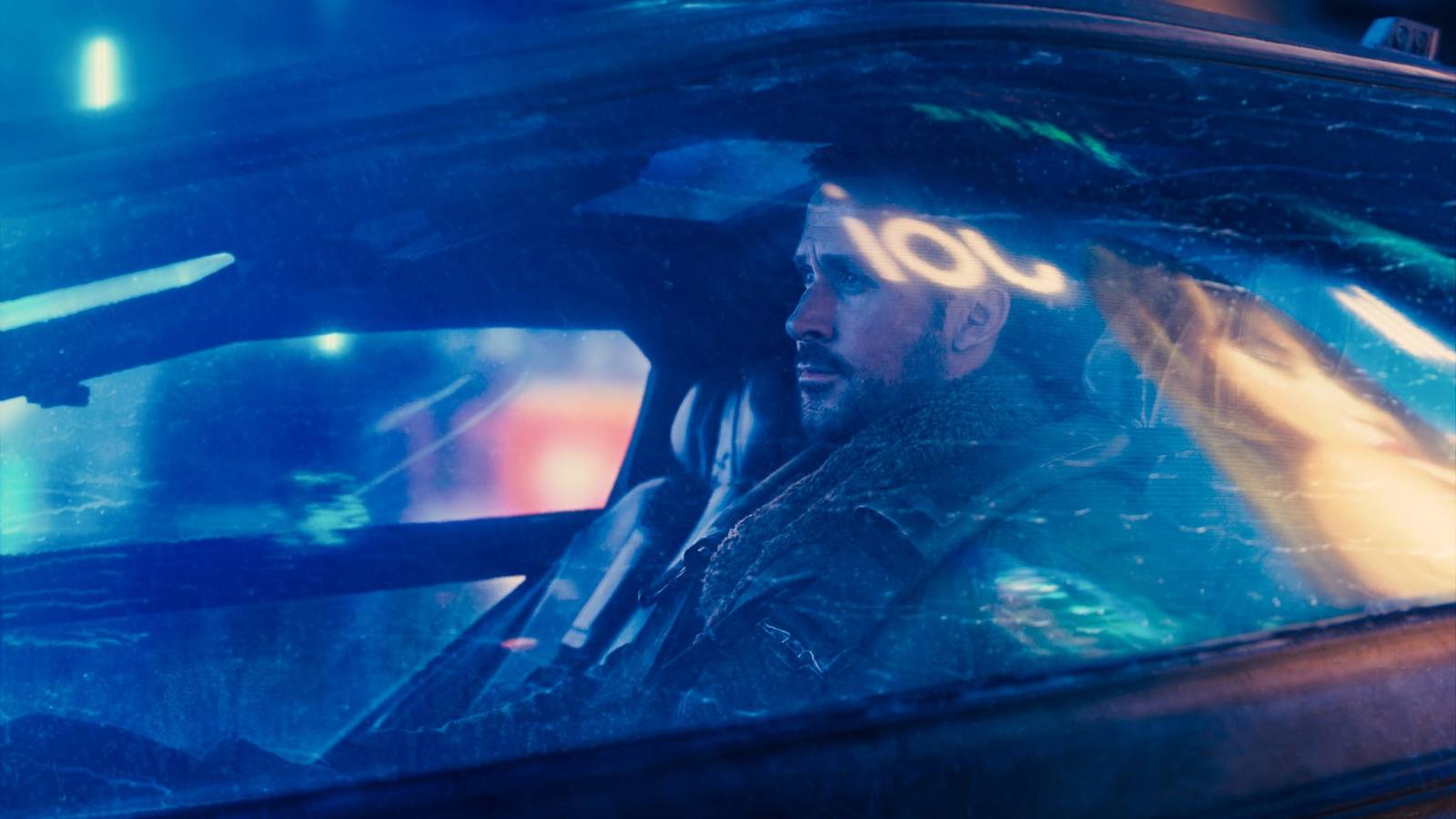
When Denis Villeneuve took on the task of directing the sequel, the skepticism was palpable. Legacy sequels are notoriously difficult to pull off, often falling into the trap of nostalgia-baiting. Blade Runner 2049 defied those expectations. It expanded the world, introducing a desolate, orange-hued wasteland outside of the city and raising the stakes of the conflict between humans and the artificial beings they created.
2026: The Streaming Dominance
Nearly nine years later, the film’s arrival on HBO Max has sparked a massive wave of renewed interest. According to data from FlixPatrol, the film is currently the most-watched movie on the platform worldwide. This shift reflects a broader trend where "slow-burn" science fiction finds its most appreciative audience on streaming platforms, where viewers can pause, reflect, and absorb the film’s dense visual language at their own pace.

Supporting Data: By the Numbers
The commercial journey of Blade Runner 2049 is a case study in "cult success." Upon its release in 2017, the film faced significant hurdles at the box office. With a production budget estimated at $150 million—excluding substantial marketing costs—the film earned roughly $277 million globally. While not a financial disaster, it was far from the blockbuster heights expected of such a massive production.
However, critical reception tells a different story. The film holds a robust 88% approval rating on Rotten Tomatoes, with critics consistently highlighting:
- Cinematography: Roger Deakins’ Academy Award-winning work on the film is cited as one of the greatest visual achievements in the history of the medium.
- Sound Design: The thunderous, atmospheric score by Hans Zimmer and Benjamin Wallfisch is credited with creating an immersive experience that redefined modern sci-fi soundscapes.
- Thematic Depth: Critics lauded the film for its philosophical inquiries into what constitutes a "soul," a theme that resonates even more deeply in an era of rapid AI development.
The Institutional and Industry Response
The industry’s response to the film’s longevity has been overwhelmingly positive. Many analysts point to Blade Runner 2049 as the gold standard for how to handle intellectual property. Unlike many modern franchise entries that rely on cameos and fan service, Blade Runner 2049 focused on narrative expansion and tone.
Warner Bros., which holds the rights to the franchise, has been encouraged by the consistent performance of the film on home media and streaming. This sustained interest has directly paved the way for further expansion of the universe, including the upcoming Prime Video series Blade Runner 2099. The series, which has been in development for several years, aims to bridge the gap between the original 1982 film and the events of the 2017 sequel, signaling that the Blade Runner brand is more valuable now than it was during the release of the second film.
Implications for the Future of Sci-Fi
The fact that Blade Runner 2049 is topping charts in 2026 has profound implications for the film industry:
- The Death of the "Flop" Narrative: In the era of streaming, a movie’s lifespan is no longer dictated solely by its opening weekend. Films that demand intellectual engagement and patience, previously categorized as financial failures, are proving to be long-term assets for streamers.
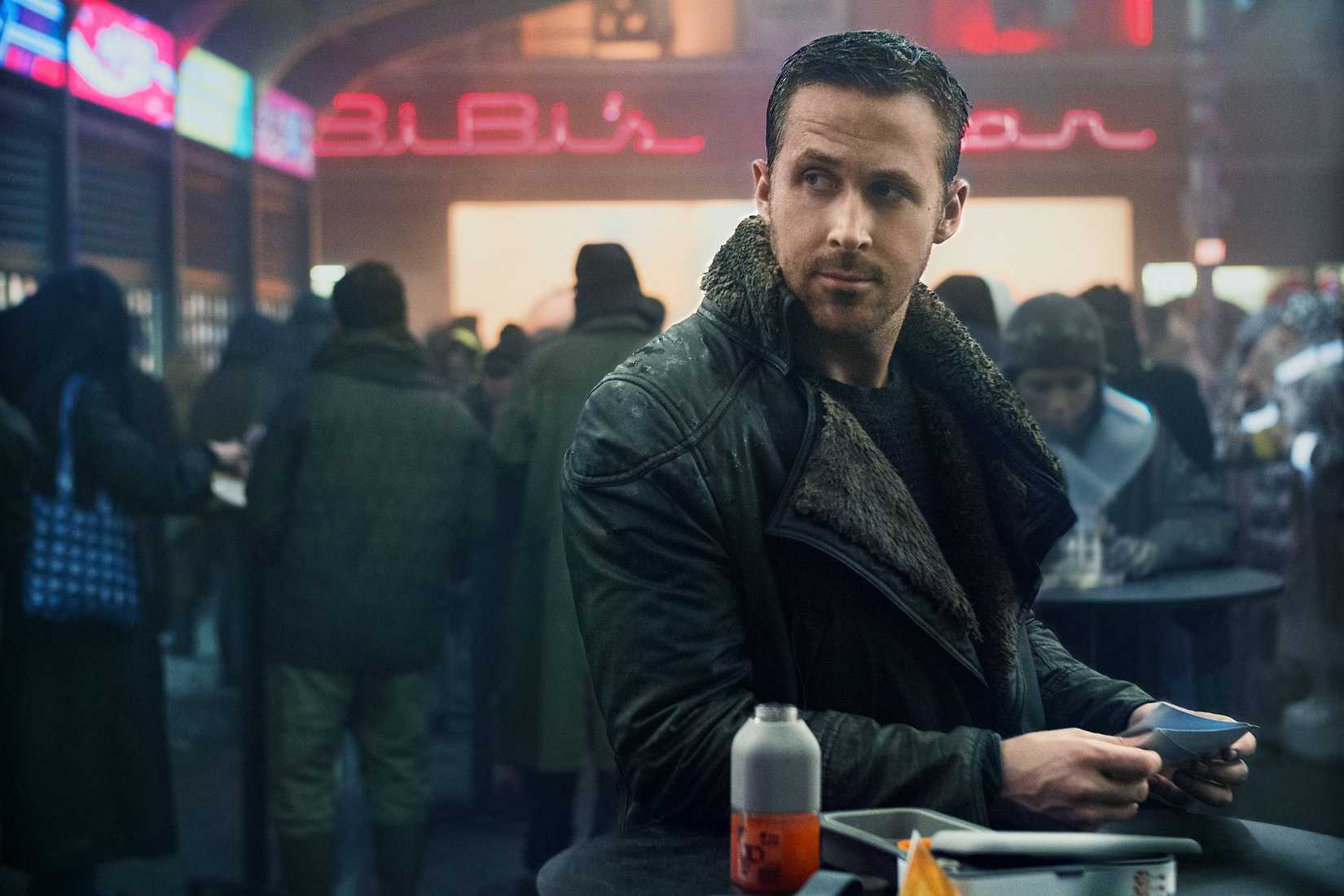
- The "Gosling Effect": Ryan Gosling’s ability to anchor high-budget sci-fi with a grounded, human performance has proven to be a reliable draw for audiences. His presence provides a sense of gravitas that keeps viewers returning to these films.
- Appetite for Originality within Established IP: Audiences are demonstrating a clear preference for sequels that take risks rather than those that adhere to a standard, safe formula. Villeneuve’s willingness to create a three-hour, meditative detective story rather than an action-heavy spectacle has proven to be a winning long-term strategy.
Conclusion: A Timeless Reflection
As viewers flock to HBO Max to watch—or re-watch—Blade Runner 2049, they are discovering that the film is as relevant today as it was in 2017. In a world increasingly concerned with the implications of artificial intelligence and the erosion of reality, the film’s core questions feel prescient.
Officer K’s journey is not just a search for his own origin; it is a search for meaning in a world that is indifferent to the individual. By topping the charts once again, Blade Runner 2049 serves as a reminder that the best science fiction does not just predict the future—it helps us understand the present. Whether you are a fan of Ryan Gosling’s stoic performances or simply a lover of breathtaking cinematography, the film remains an essential watch, proving that while its box office run was quiet, its legacy is anything but.