In the modern home, the intersection of aesthetic appeal and olfactory comfort has become a focal point of interior design. For decades, the "scenterpiece"—a term popularized by high-end home fragrance brands—has served as a dual-purpose decor item: a visual centerpiece that simultaneously acts as a room freshener. However, with store-bought versions often retailing for upwards of $24 per unit, excluding the ongoing costs of scent refills, many homeowners are turning to sustainable, cost-effective, and highly personalized DIY alternatives. By repurposing the humble Mason jar, craft enthusiasts are now creating custom-scented, gelatin-based air fresheners that provide a sophisticated atmosphere for a fraction of the retail cost.
The Core Concept: Why Mason Jars and Gelatin?
The appeal of the DIY scenterpiece lies in its simplicity and versatility. The project leverages common kitchen staples to create a functional piece of art that lasts for two to three weeks. Unlike synthetic plug-ins or harsh chemical sprays, this method allows for complete control over the potency and profile of the fragrance.
The Science of the Scent
The mechanism is straightforward: unflavored gelatin acts as a stabilizer and delivery system for essential oils. When the gelatin sets, it traps the fragrance molecules within a translucent, semi-solid matrix. As the mixture is exposed to the air, the essential oils are slowly released, providing a consistent, subtle scent throw that lingers in the room. The inclusion of salt is a critical technical step; it acts as a natural preservative, preventing the growth of mold or bacteria within the moisture-rich gelatin, ensuring that the centerpiece remains fresh and hygienic throughout its lifespan.
Chronology of the Crafting Process
To achieve a professional-grade result, the process must be followed with precision. The construction of a scenterpiece is an afternoon project that results in a multi-week benefit.
Step 1: Preparation and Sanitation
The longevity of your scenterpiece begins with the cleanliness of your vessel. A standard glass Mason jar should be thoroughly washed and dried. Any residual bacteria in the glass can compromise the gelatin, leading to premature clouding or spoilage.
Step 2: The Gelatin Base
- Boiling: Bring ½ cup of water to a rolling boil.
- Incorporation: Add one packet of plain, unflavored gelatin to the boiling water, whisking continuously until the powder is fully dissolved. Ensure there are no clumps, as these will affect the final clarity of the gel.
- Preservation: Add one tablespoon of salt to the mixture. Stir until the salt is fully incorporated into the solution.
- Cooling: Remove the mixture from the heat and stir in ½ cup of cold water. This step is essential to bring the temperature down, which prevents the essential oils from evaporating immediately upon contact.
Step 3: Infusion and Aesthetic Customization
Once the mixture is lukewarm, add 10 to 30 drops of your chosen essential oils. The quantity is determined by the desired intensity of the fragrance and the size of the room. At this stage, you may also add a drop or two of food coloring to tint the gel.
Step 4: Setting the Scene
Pour the liquid into your prepared Mason jar. Before the mixture sets, this is the time to add decorative elements. Whether you are using dried petals, glitter, or herbs, these items will be suspended in the gel as it cools. Place the jar in a cool, stable area and allow it to set for several hours until firm.
Supporting Data: Fragrance Profiles and Seasonal Strategy
The true power of the DIY scenterpiece lies in the ability to curate seasonal fragrance profiles. Because the gelatin-based freshener is cost-effective, one can rotate scents as frequently as every few weeks to match the changing environment.
Recommended Seasonal Blends
- Spring/Summer: Lavender and lemon for a clean, herbaceous lift; eucalyptus and peppermint for a crisp, invigorating atmosphere; or citrus-forward blends using orange and grapefruit.
- Autumn/Winter: Cedarwood and clove for a grounding, woodsy profile; cinnamon and orange for a festive, warming effect; or pine and frankincense to evoke the holidays.
Sustainability and Cost Implications
From a budgetary perspective, the comparison between store-bought and DIY is stark. A single retail scenterpiece can cost $24, with refills ranging from $5 to $10. Conversely, a DIY jar, utilizing gelatin packets (which often cost less than $2) and essential oils (which are a one-time investment), brings the cost per unit down to approximately $1 to $2. Furthermore, this process is inherently eco-friendly, as it breathes new life into glass jars that might otherwise be relegated to the recycling bin or the back of a cupboard.
Official Perspectives and Expert Advice
Industry experts and home decor influencers emphasize that the success of these projects often hinges on the quality of the essential oils used. High-grade, pure essential oils provide a more nuanced and therapeutic scent throw compared to synthetic fragrance oils.
"The goal of a home scenting project is to enhance the environment, not overwhelm it," notes one home design consultant. "By using natural ingredients, you avoid the synthetic ‘perfume’ smell often associated with mass-produced air fresheners, which can trigger sensitivities in some individuals."
Furthermore, designers recommend paying close attention to the visual presentation. A jar of clear, blue-tinted gel might be aesthetically pleasing in a bathroom, but for a kitchen or dining room, incorporating dried botanicals—such as sprigs of rosemary, dried rosebuds, or lavender stems—adds an organic, sophisticated touch that blurs the line between a functional item and a curated decor piece.
Implications for Modern Interior Design
The rise of the "scenterpiece" trend reflects a broader cultural shift toward "slow living" and the customization of personal spaces. As consumers become more aware of the contents of their household products, the ability to control exactly what is diffused into their home air has become a priority.
Personalization and Gift-Giving
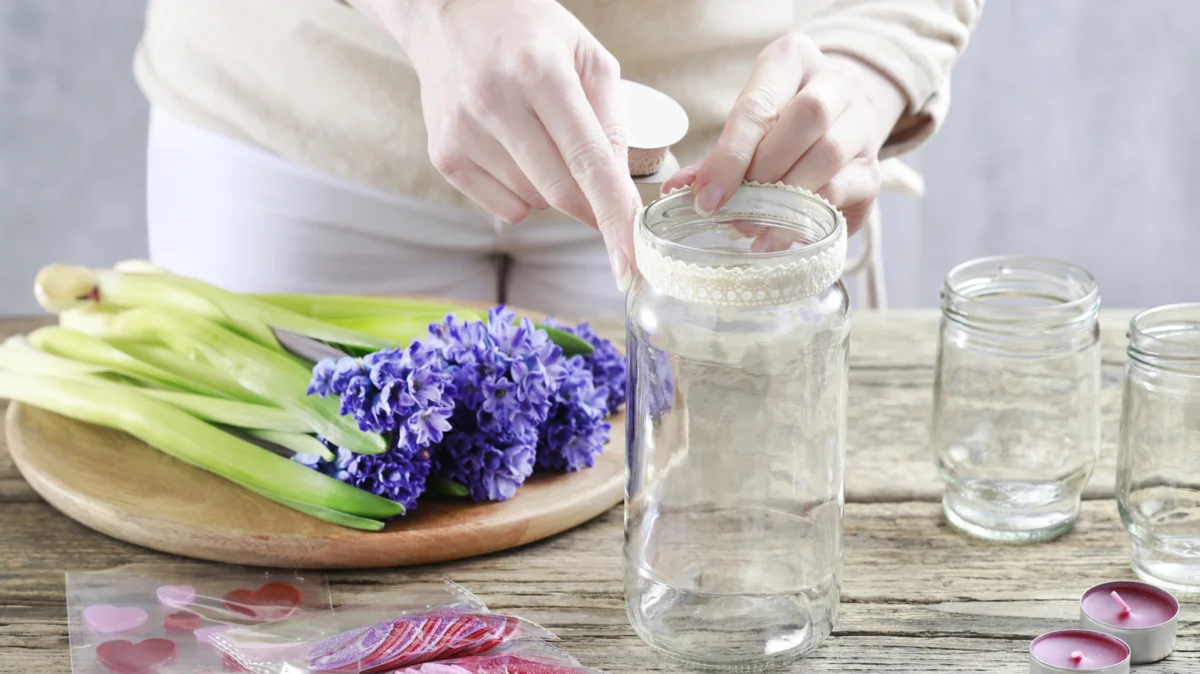
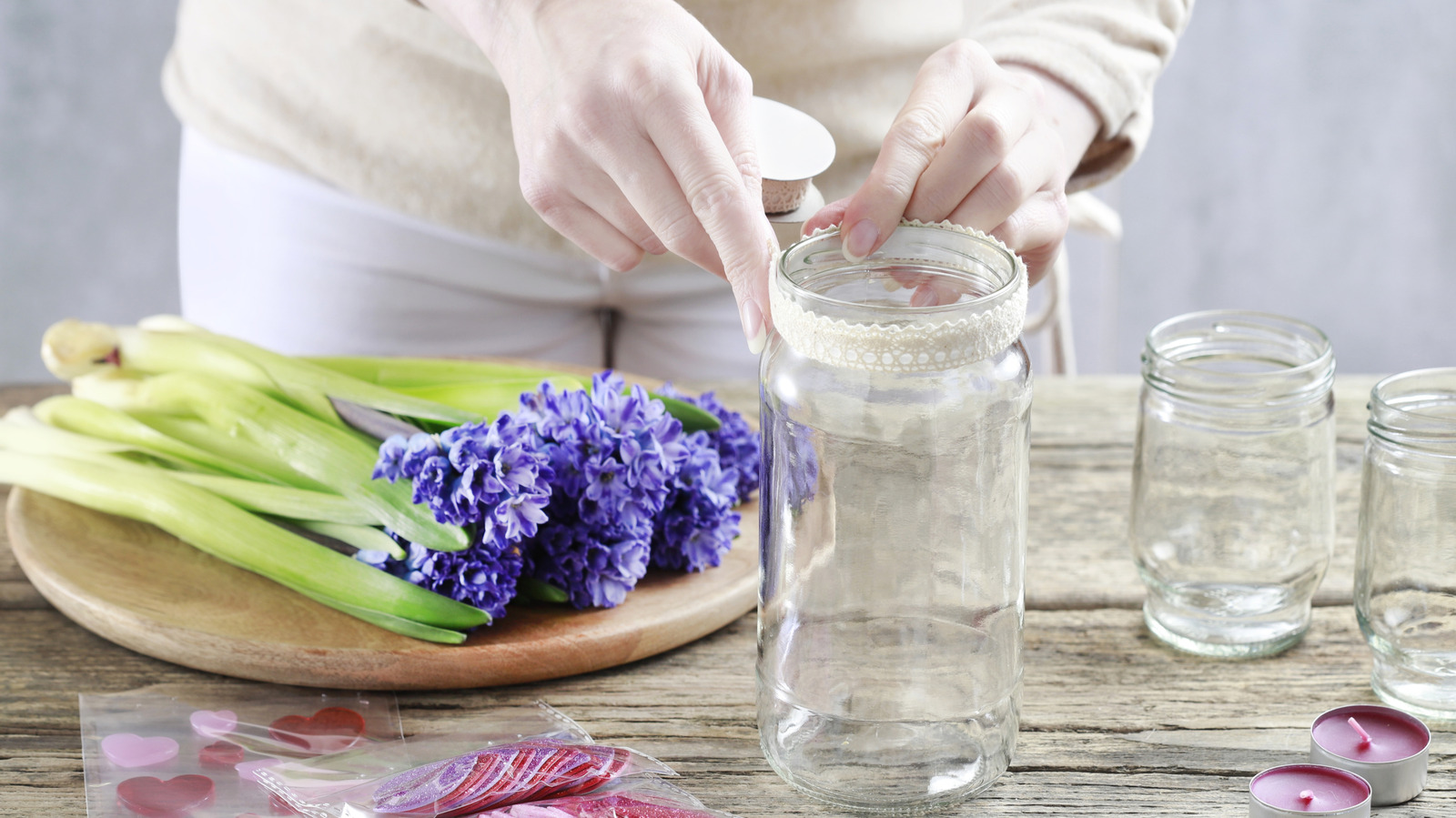
Beyond utility, these jars serve as excellent, thoughtful gifts. By using decorative labels, such as chalkboard stickers, or wrapping the rim of the jar in twine, lace, or ribbon, the creator transforms a simple household staple into a bespoke item. This level of personalization is difficult to achieve with mass-market products.
Structural Modifications
For those looking to advance their DIY skills, the possibilities extend beyond the gel itself. Techniques such as painting the exterior of the jar with matte chalk paint or utilizing plastic spoons to create a textured, "scaly" surface—resembling a pineapple or an artichoke—allow the jar to become a sculptural element. These advanced modifications highlight how a simple Mason jar can be adapted to fit virtually any design aesthetic, from modern farmhouse to eclectic or minimalist.
In conclusion, the Mason jar scenterpiece represents the pinnacle of accessible DIY design. It is a project that requires minimal financial investment but offers high returns in terms of home atmosphere, creative expression, and sustainability. As we continue to seek ways to make our living spaces more reflective of our personal identities, the humble Mason jar stands ready to be transformed, one drop of essential oil at a time.