Nineteen years ago, the Thai island of Ko Lipe was a sanctuary for the weary, a place where electricity was a luxury provided for only a few hours each night, and a rustic bungalow on the sand cost a mere $2. It was a destination defined by its lack of amenities: one beach bar, five local eateries, and a rhythm of life dictated by the tide and the sunset.
For many, including myself, it was the pinnacle of the backpacker dream. I spent a month there in 2006, learning the language, forging deep connections, and experiencing an authentic, slow-paced existence. However, after nearly two decades of growth, I returned to the island to find that the "paradise" I once knew has been irrevocably altered. The quiet charm has been replaced by the relentless, often destructive, machinery of mass tourism.
The Chronology of a Disappearing Eden
The transformation of Ko Lipe did not happen overnight, but rather through a slow, steady encroachment of development that mirrors the trajectory of many of Thailand’s most famous islands.
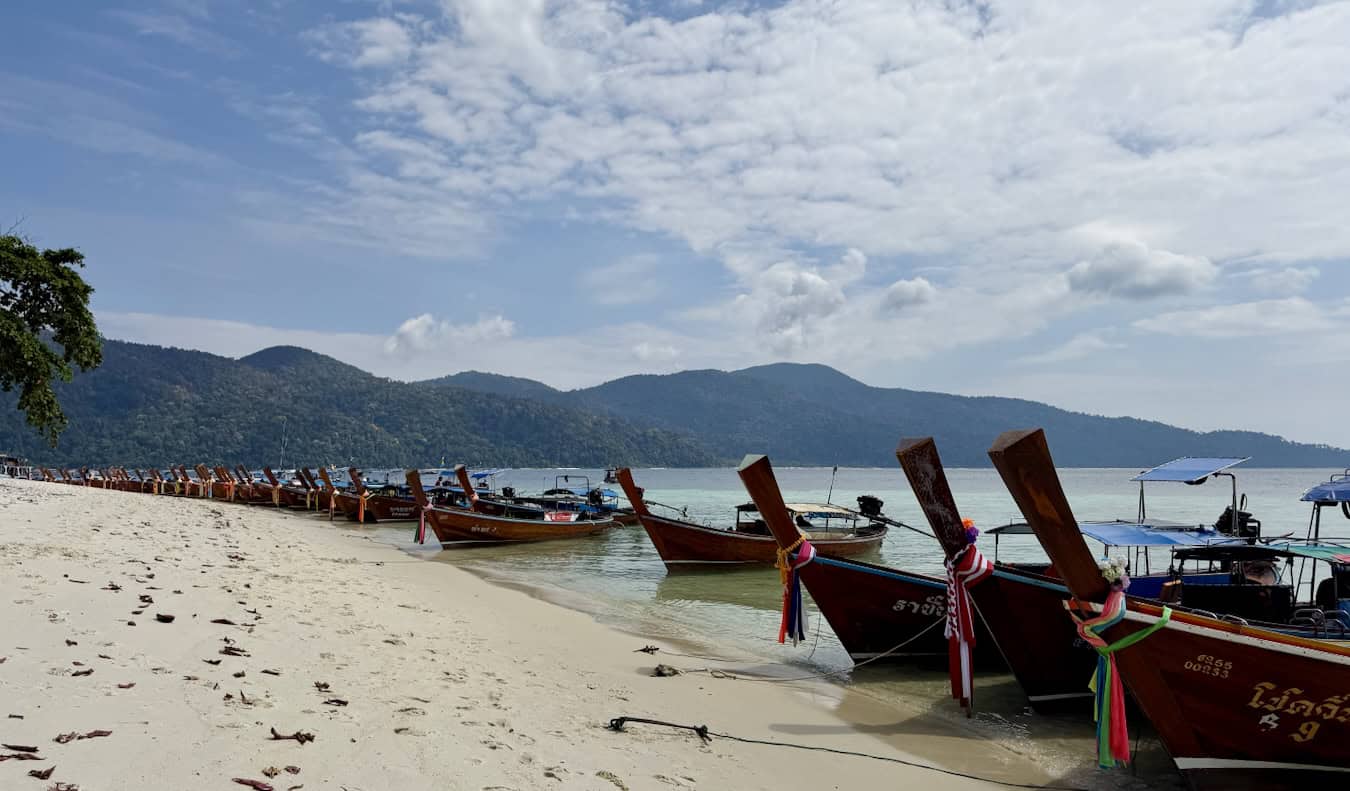
The Early Era (Pre-2010): In the mid-2000s, Ko Lipe was an "off-the-beaten-path" secret. It was a destination for the intrepid, accessible only by a seasonal boat that felt like the last link to civilization. There was no paved infrastructure, no heavy machinery, and the local community remained the primary architects of the island’s daily life.
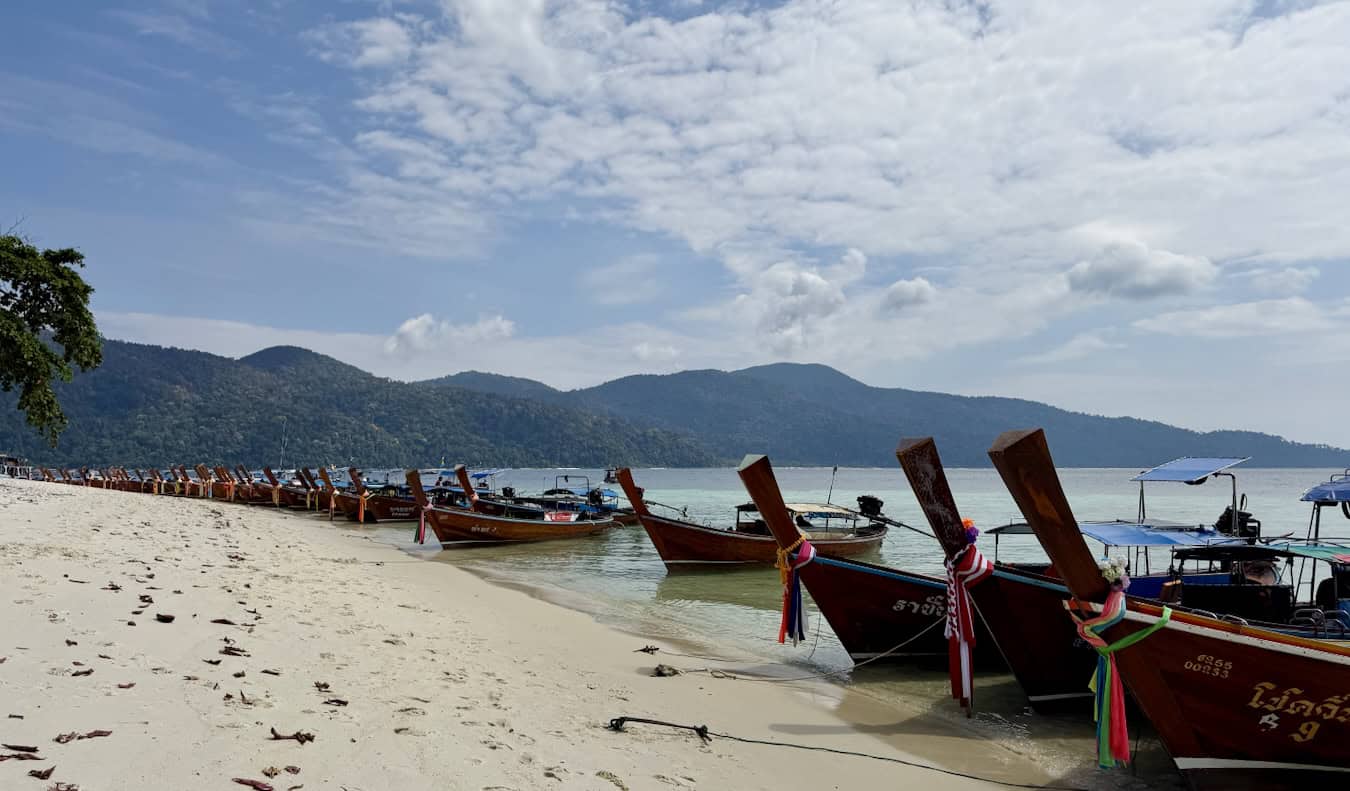
The Middle Years (2010–2018): As digital nomads and budget travelers began to circulate information about Thailand’s hidden gems, Ko Lipe’s popularity surged. The island saw the introduction of consistent electricity, more permanent lodging, and an influx of mainland investment. Footpaths turned into roads, and small shack-style restaurants began to cater to a broader international palate.
The Modern Crisis (2019–Present): Today, the island mirrors the "Ko Phi Phi model." Construction is constant. The original dirt paths are now paved in concrete to accommodate cars and construction trucks. High-end resorts—complete with energy-intensive pools—have replaced the palm groves. The island has become a microcosm of the "build, build, build" philosophy that has plagued the Thai tourism sector for years.
Supporting Data: The Ecological and Social Cost
The rapid development of Ko Lipe is not merely an aesthetic grievance; it is a profound environmental and social failure.
Environmental Degradation
- Water Scarcity: The surge in luxury resorts featuring swimming pools is particularly alarming given that Ko Lipe lacks a natural water supply. This puts an immense strain on the island’s limited freshwater resources, forcing reliance on expensive and energy-intensive desalination or mainland shipping.
- Marine Impact: The surrounding coral reefs are under significant duress. The increase in boat traffic has led to rampant pollution, with oil and fuel exhaust forming visible, iridescent films on the water’s surface. Overfishing and anchor damage have further decimated the delicate underwater ecosystems that once made the island a world-class snorkeling destination.
- Waste Management: The sheer volume of waste generated by a constant influx of tourists far exceeds the island’s capacity to process it. This leads to runoff and plastic contamination, which threatens the very "postcard-perfect" environment that attracts visitors in the first place.
The Social Displacement
The economic boom has, in many ways, bypassed the original inhabitants of Ko Lipe. As land values skyrocketed, many locals were incentivized—or forced—to sell their property to large-scale developers from the mainland. Today, the island’s labor force is largely composed of migrant workers who see few of the long-term benefits of the tourism surge, while the cultural fabric of the indigenous community has been stretched to its breaking point.
Official Responses and the "Growth" Narrative
The Thai government and local tourism authorities have long walked a tightrope between economic stimulation and environmental conservation. While national park status for the surrounding area exists, enforcement on the island itself remains inconsistent.
Industry proponents argue that development is a necessity to raise the standard of living for the region. They point to the revenue generated by tourism as a primary driver for regional stability. However, critics, including environmental scientists and sustainable tourism advocates, argue that this model is fundamentally flawed. By prioritizing short-term financial gains through mass-market infrastructure, the authorities are effectively "killing the goose that lays the golden egg."
There is currently no comprehensive, enforced master plan to curb the density of construction on Ko Lipe, and as long as demand remains high, the incentive to pause construction remains effectively zero.
The Ethical Implications of Your Travel Choices
The question that every modern traveler must ask is: What is our responsibility when we visit a place?
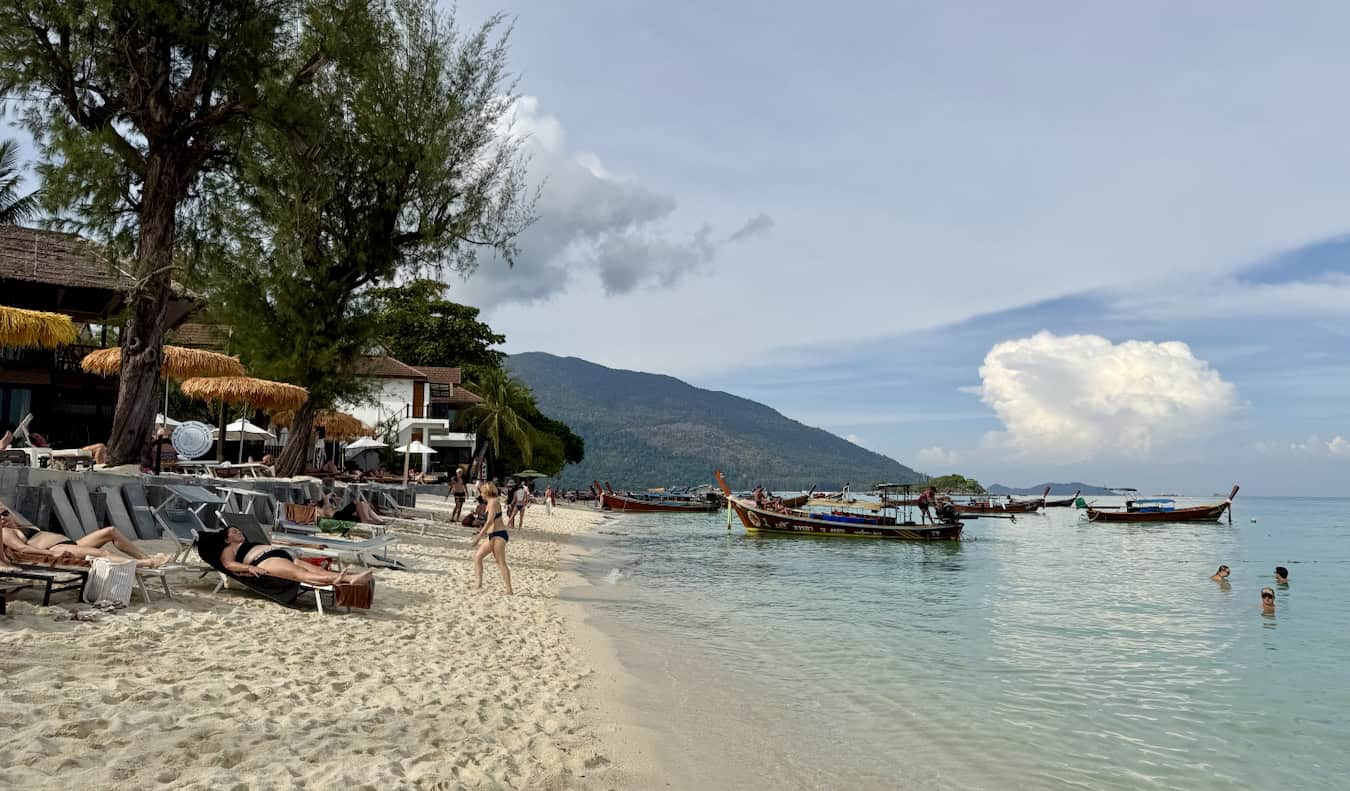
It is easy to see why a first-time visitor might arrive at Ko Lipe and feel a sense of awe. The water is undeniably azure, the sand is white, and the surrounding national park offers access to truly breathtaking, secluded islands. However, the presence of the average tourist contributes to a cycle of demand that fuels further overdevelopment.
When we choose to visit a destination that is clearly struggling under the weight of its own popularity, we are effectively signaling that the status quo is acceptable. We are participating in the "genie-in-the-bottle" problem: once a place has been built up, you cannot easily revert it to its original state.
Why You Should Consider Alternatives
If you are seeking the tranquility and natural beauty that Ko Lipe once offered, the most responsible action is to take your travel budget elsewhere. Thailand is home to numerous islands that remain well-managed and under-visited compared to the major hubs. Consider exploring:
- Ko Lanta: Known for its laid-back atmosphere and a more sustainable approach to tourism development.
- Ko Jum: A quiet, community-focused island that offers a glimpse into a more authentic, slower pace of life.
- Ko Mook: Famous for its emerald cave and preserved natural landscape, offering a serene alternative to the more commercialized islands.
A Call to Conscious Travel
My return to Ko Lipe was a lesson in the pain of nostalgia. I went in search of a memory and found a cautionary tale. While I do not begrudge those who visit for the first time, I believe that as a global community of travelers, we have the power to shift the narrative.
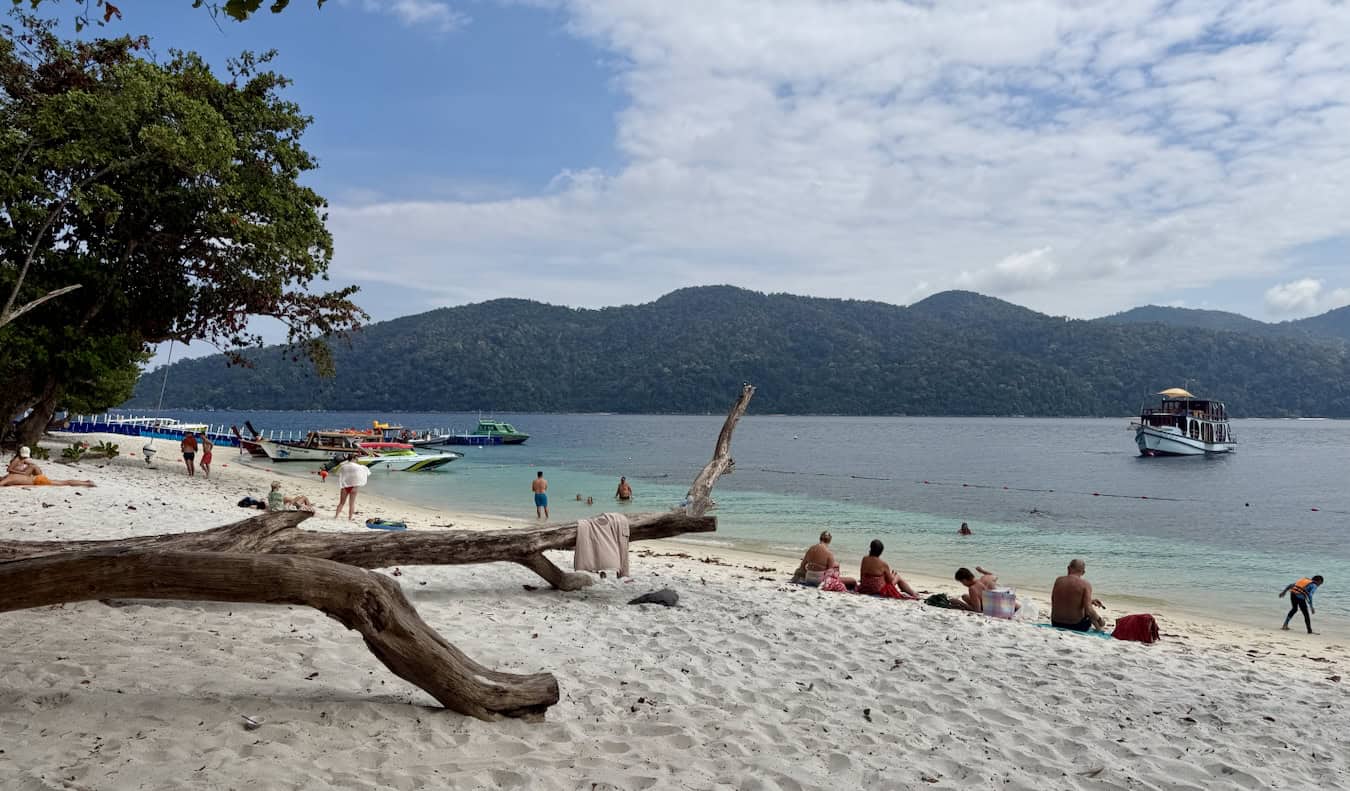
We have seen change before. When travelers collectively turned away from elephant riding, the industry shifted in response to consumer demand. When the market demanded eco-lodges, they were built. If we begin to prioritize sustainability over convenience, we force the industry to adapt.
By choosing to skip destinations that have prioritized overdevelopment at the expense of their environment and local culture, we are making a statement. We are telling tourism boards and developers that "enough is enough."
Ko Lipe was once a jewel, and perhaps, with a radical change in policy and a reduction in visitor density, it could find a path to recovery. But until that happens, my advice remains firm: stay away. Protect your conscience, protect the environment, and seek out the places that are being managed with the care and respect they deserve. Your choices have a direct, measurable impact on the world. Choose wisely.